Indian Korma
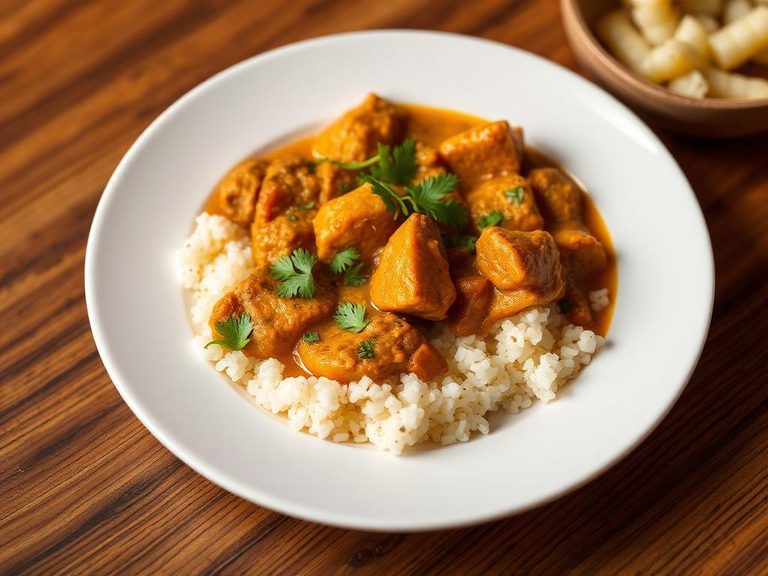
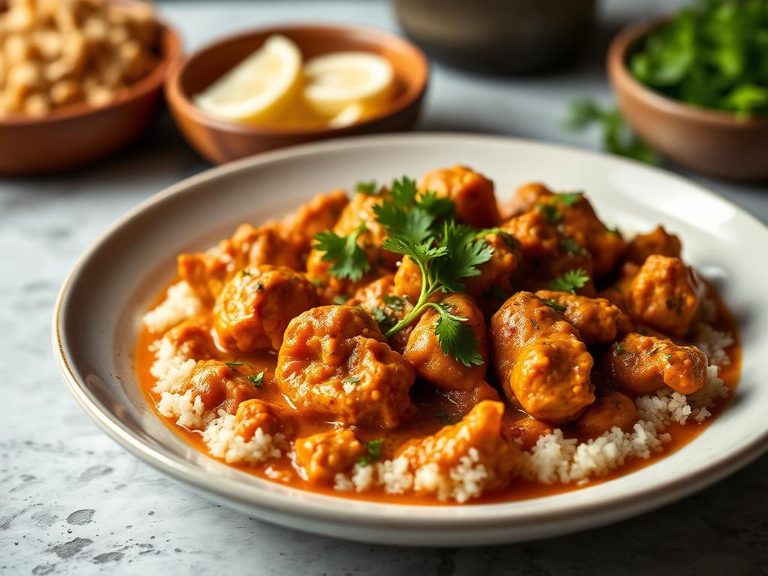
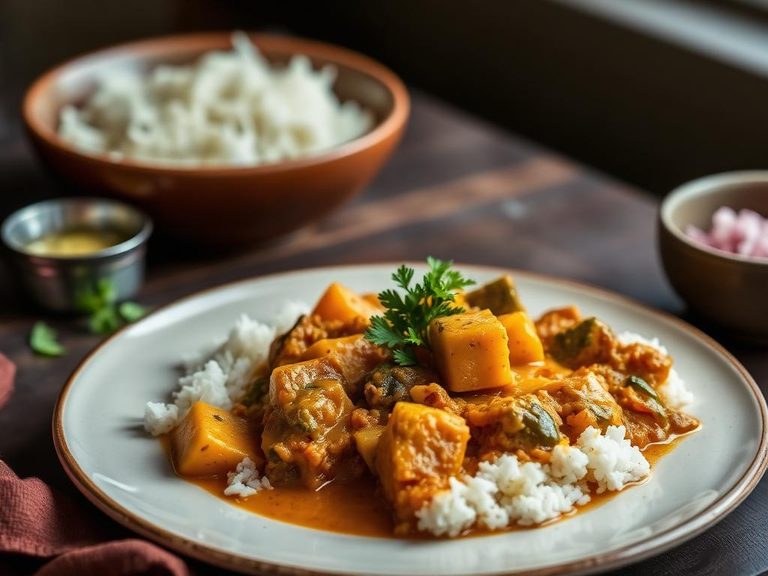
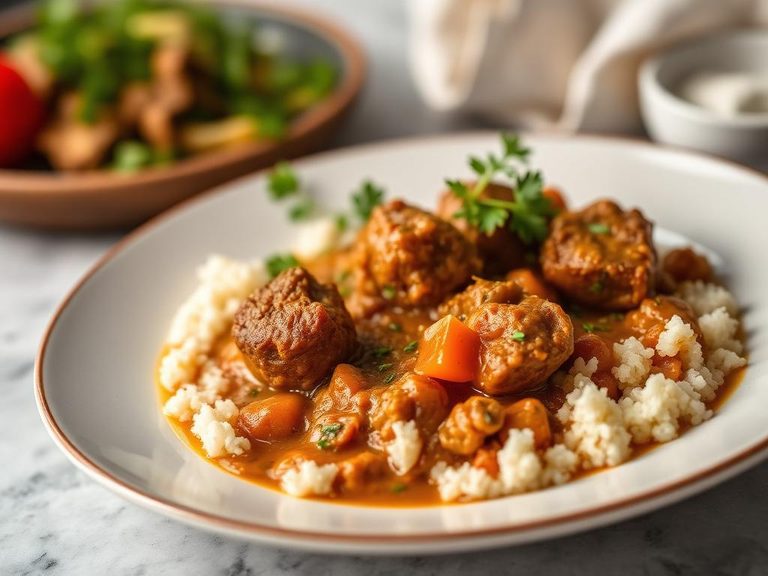
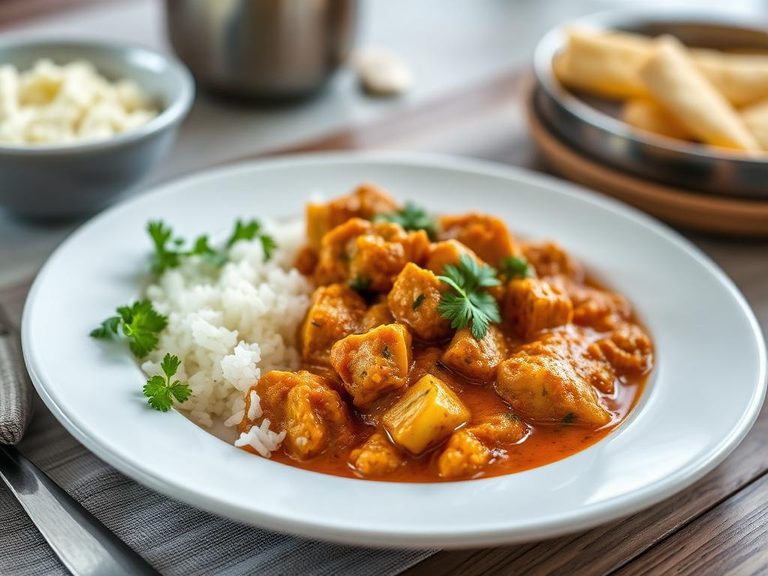
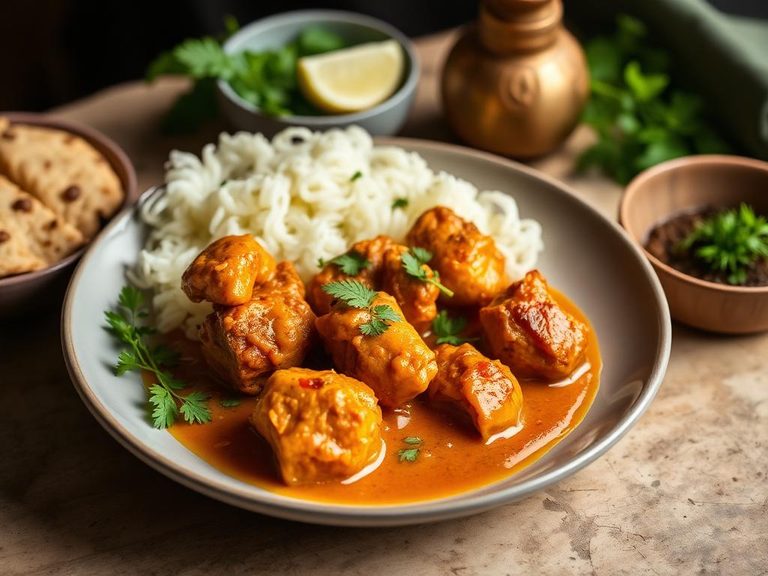
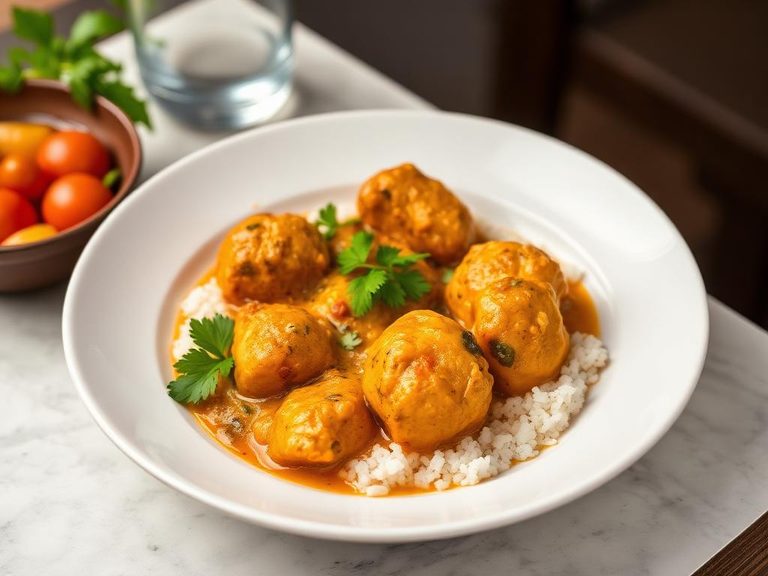
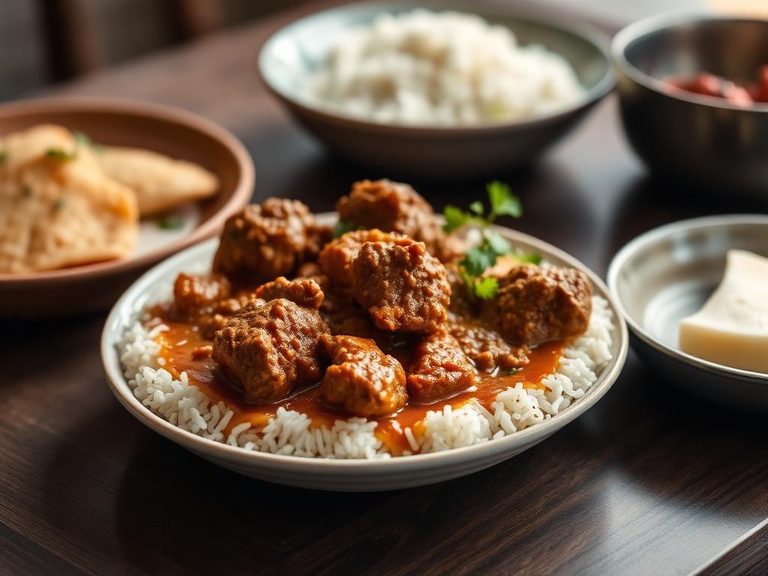
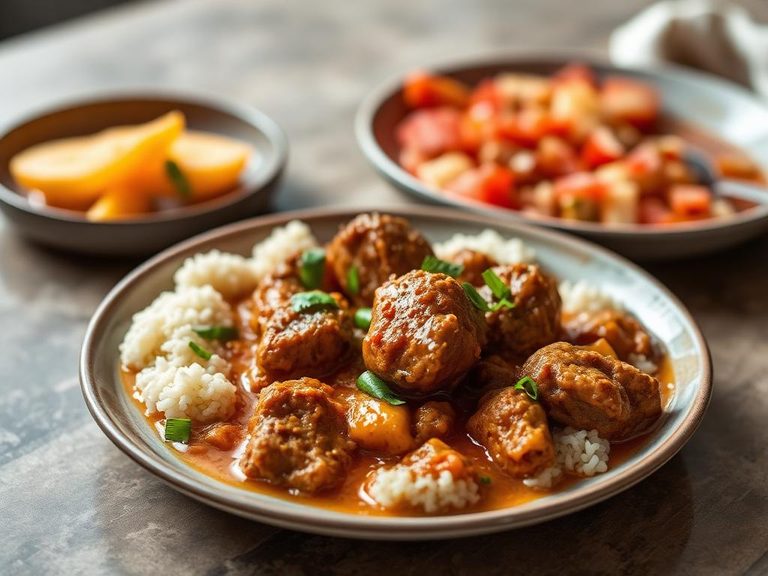
Indian Korma is a rich, creamy curry dish originating from the Indian subcontinent, particularly associated with Mughlai cuisine. It features meat or vegetables slow-cooked in a sauce made from yogurt, cream, nuts, and a blend of aromatic spices like cardamom, cinnamon, and coriander. The dish is known for its mild, fragrant, and deeply flavorful profile.
🍽️ Nutrition at a glance
Korma is typically high in fat and calories due to its generous use of cream, ghee, and nuts, while also providing a good amount of protein from the meat or legumes. A single serving can offer significant calories, with key nutrients including healthy fats, protein, and essential minerals like potassium and iron.
Nutrition breakdown
| Calories | 450 kcal |
| Protein | 25 g |
| Carbs | 15 g |
| Fat | 35 g |
| Fiber | 3 g |
| Sugar | 5 g |
| Sodium | 600 mg |
| Potassium | 450 mg |
| Iron | 3.5 mg |
| Vitamin A | 150 mcg |
| Calcium | 120 mg |
| Phosphorus | 280 mg |
| Magnesium | 45 mg |
| Zinc | 4 mg |
| Vitamin C | 6 mg |
Per 1 cup (240 g) · estimated, varies by recipe
💡 What's interesting
Culturally, Korma represents the sophisticated culinary techniques of the Mughal courts, where slow cooking and the use of luxurious ingredients were hallmarks of royal cuisine. Nutritionally, the combination of yogurt and nuts provides probiotics and healthy fats, which can aid digestion and offer sustained energy.