

Milk, dry, whole, with added vitamin D
Whole food · Dairy and Egg Products

Photo: Wikipedia
This is the rich, shelf-stable powder of dehydrated whole milk, retaining the natural creaminess and sweet, caramelized dairy notes of its fresh counterpart. Its fine, free-flowing texture dissolves easily into liquids, creating a smooth, full-bodied beverage. Nutritionally, it's a dense powerhouse, packing over 26 grams of protein and nearly 27 grams of fat per 100 grams, with a significant calcium and vitamin D boost.
Calorie split: 21% protein · 31% carbs · 48% fat
↓ Full nutrition💚 Why it's loved
People love it for its intense, comforting dairy flavor that's even richer than fresh milk, and its incredible versatility in both sweet and savory cooking. It's a nostalgic staple for many, evoking memories of homemade baked goods and creamy hot cocoa.
⚠️ Watch-outs & how to enjoy it better
The high concentration of natural milk sugars (lactose) can cause digestive upset for those with lactose intolerance, and the calorie density requires mindful portioning. To counteract, use it in recipes where it's diluted (like soups or baked goods) or pair it with fiber-rich foods like oats to moderate blood sugar impact.
Key benefits
- Excellent source of high-quality protein for muscle maintenance.
- Rich in calcium and added Vitamin D for bone health.
- Provides a concentrated source of energy and essential fats.
- Long shelf life without refrigeration, ideal for emergencies or travel.
- Versatile ingredient for baking, sauces, and fortifying drinks.
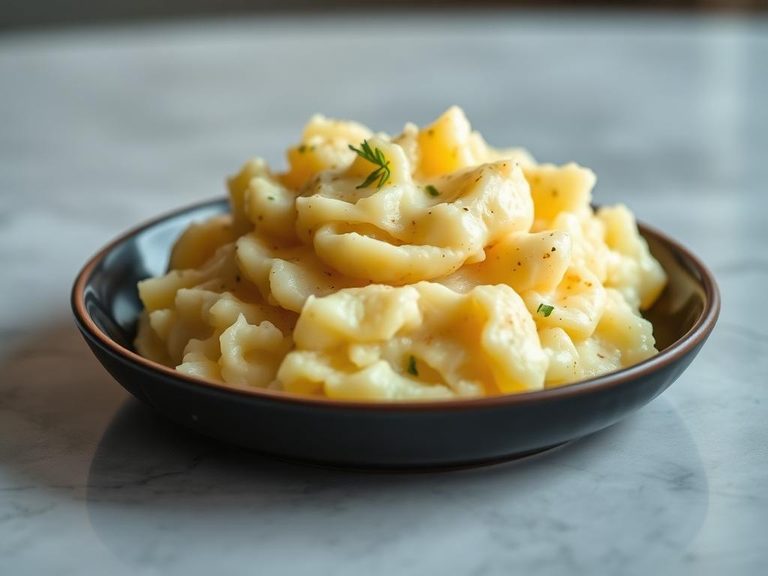
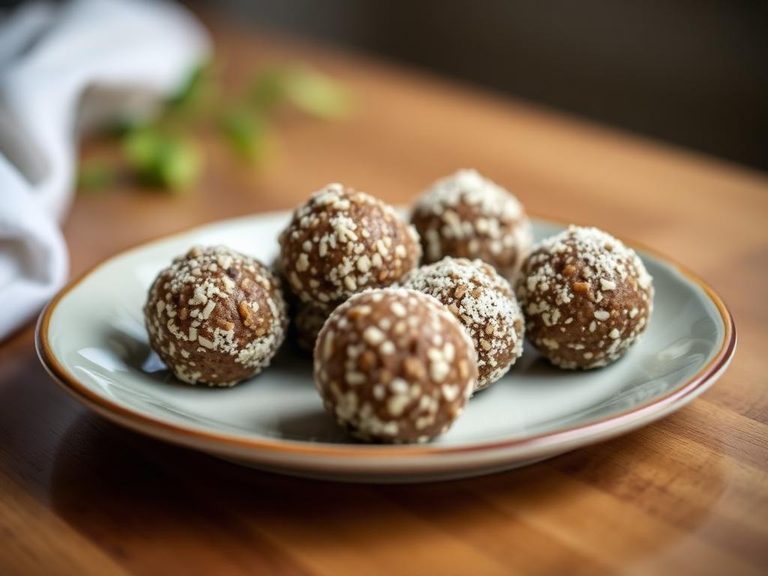
🍽️ Popular dishes

🌍 Where it's eaten
💡 Did you know?
A single cup (about 118g) of this powder, when reconstituted with water, yields roughly 3.5 cups of liquid whole milk.
Full nutrition (USDA data · scales with serving)
| Water | 2.5 g |
| Energy | 496 kcal |
| Energy | 2075 kj |
| Protein | 26.3 g |
| Total lipid (fat) | 26.7 g |
| Ash | 6.1 g |
| Carbohydrate, by difference | 38.4 g |
| Fiber, total dietary | 0.00 g |
| Total Sugars | 38.4 g |
| Calcium, Ca | 912 mg |
| Iron, Fe | 0.47 mg |
| Magnesium, Mg | 85.0 mg |
| Phosphorus, P | 776 mg |
| Potassium, K | 1330 mg |
| Sodium, Na | 371 mg |
| Zinc, Zn | 3.3 mg |
| Copper, Cu | 0.08 mg |
| Manganese, Mn | 0.04 mg |
| Selenium, Se | 16.3 ug |
| Vitamin C, total ascorbic acid | 8.6 mg |
| Thiamin | 0.28 mg |
| Riboflavin | 1.2 mg |
| Niacin | 0.65 mg |
| Pantothenic acid | 2.3 mg |
| Vitamin B-6 | 0.30 mg |
| Folate, total | 37.0 ug |
| Folic acid | 0.00 ug |
| Folate, food | 37.0 ug |
| Folate, DFE | 37.0 ug |
| Choline, total | 119 mg |
| Vitamin B-12 | 3.3 ug |
| Vitamin B-12, added | 0.00 ug |
| Vitamin A, RAE | 258 ug |
| Retinol | 253 ug |
| Carotene, beta | 55.0 ug |
| Carotene, alpha | 0.00 ug |
| Cryptoxanthin, beta | 0.00 ug |
| Vitamin A, IU | 934 iu |
| Lycopene | 0.00 ug |
| Lutein + zeaxanthin | 0.00 ug |
| Vitamin E (alpha-tocopherol) | 0.58 mg |
| Vitamin E, added | 0.00 mg |
| Vitamin D (D2 + D3), International Units | 420 iu |
| Vitamin D (D2 + D3) | 10.5 ug |
| Vitamin D3 (cholecalciferol) | 10.5 ug |
| Vitamin K (phylloquinone) | 2.2 ug |
| Alcohol, ethyl | 0.00 g |
| Caffeine | 0.00 mg |
| Theobromine | 0.00 mg |
Fat & fatty acid profile (per 100g)
| Fatty acids, total saturated | 16.7 g |
| SFA 4:0 | 0.87 g |
| SFA 6:0 | 0.24 g |
| SFA 8:0 | 0.27 g |
| SFA 10:0 | 0.60 g |
| SFA 12:0 | 0.61 g |
| SFA 14:0 | 2.8 g |
| SFA 16:0 | 7.5 g |
| SFA 18:0 | 2.9 g |
| Fatty acids, total monounsaturated | 7.9 g |
| MUFA 16:1 | 1.2 g |
| MUFA 18:1 | 6.2 g |
| MUFA 20:1 | 0.00 g |
| MUFA 22:1 | 0.00 g |
| Fatty acids, total polyunsaturated | 0.67 g |
| PUFA 18:2 | 0.46 g |
| PUFA 18:3 | 0.20 g |
| PUFA 18:4 | 0.00 g |
| PUFA 20:4 | 0.00 g |
| PUFA 20:5 n-3 (EPA) | 0.00 g |
| PUFA 22:5 n-3 (DPA) | 0.00 g |
| PUFA 22:6 n-3 (DHA) | 0.00 g |
| Cholesterol | 97.0 mg |
Amino acid profile (per 100g)
| Tryptophan | 0.37 g |
| Threonine | 1.2 g |
| Isoleucine | 1.6 g |
| Leucine | 2.6 g |
| Lysine | 2.1 g |
| Methionine | 0.66 g |
| Cystine | 0.24 g |
| Phenylalanine | 1.3 g |
| Tyrosine | 1.3 g |
| Valine | 1.8 g |
| Arginine | 0.95 g |
| Histidine | 0.71 g |
| Alanine | 0.91 g |
| Aspartic acid | 2.0 g |
| Glutamic acid | 5.5 g |
| Glycine | 0.56 g |
| Proline | 2.5 g |
| Serine | 1.4 g |
FAQ
How do I reconstitute it back into liquid milk?
A standard ratio is 1 part powder to 3.5 parts water. For example, mix 1/3 cup of powder with 1 1/6 cups of cold water and blend well.
Can I use it as a 1:1 substitute for fresh milk in recipes?
Not directly. You must reconstitute it first. Once made into liquid milk, it can generally be used as a substitute, though the flavor will be slightly more concentrated.
Why does it have added Vitamin D?
Vitamin D is often added to fortify the product, as it's crucial for calcium absorption and bone health, and natural levels in milk can vary.
Does it need to be refrigerated?
No, the dry powder is shelf-stable and can be stored in a cool, dark pantry. Once reconstituted into liquid, it must be refrigerated and used within a few days.
Nutrient density (calculated · NRF9.3)
Nutrient Rich Foods index: beneficial nutrients (protein, fiber, vitamins, minerals) minus saturated fat, added sugar & sodium, per 100 kcal.
NRF9.3 index — Fulgoni, Keast & Drewnowski, 2009. Computed from USDA nutrients.
Weight-loss friendliness (composite index)
Energy density 4.96 kcal/g · 21% calories from protein · 0.0 g fiber · 38.4 g sugar per 100 g.
Composite of energy density (Rolls et al., 1999), protein & fiber satiety, minus sugar. A calculated heuristic — ranks satiety-per-calorie, not a clinical measure.
Dietary load (calculated from USDA values)
Potential renal acid load. Positive = acid-forming, negative = alkaline-forming.
Sodium-to-potassium ratio: 0.28 (lower is better — aim for ≤ 1)
Sodium:potassium per WHO potassium guidance. Computed from USDA nutrients.