

Lima beans, large, mature seeds, cooked, boiled, without salt
Whole food · Legumes and Legume Products

Photo: Wikipedia
Lima beans, also known as butter beans, are large, creamy legumes with a buttery texture and a mild, slightly sweet flavor when boiled. They are a nutritional powerhouse, offering a significant amount of plant-based protein and dietary fiber with virtually no fat. Their starchy, velvety consistency makes them a comforting and satisfying addition to soups, stews, and side dishes.
Calorie split: 26% protein · 71% carbs · 3% fat
↓ Full nutrition💚 Why it's loved
People love lima beans for their uniquely creamy, buttery texture and mild, nutty flavor that absorbs surrounding seasonings beautifully. They are a beloved comfort food in many cultures, often featured in hearty stews and classic side dishes.
⚠️ Watch-outs & how to enjoy it better
Some find the texture overly starchy or mealy, and the beans can cause gas due to their oligosaccharide content. To counteract this, soak dried beans for at least 8 hours and discard the soaking water, or choose canned varieties and rinse them thoroughly to reduce sodium. Pairing with a small amount of healthy fat (like olive oil) or acid (like lemon juice) can also improve digestibility and flavor.
Key benefits
- Excellent source of plant-based protein for muscle maintenance.
- High in dietary fiber to support digestive health and satiety.
- Rich in iron, potassium, and folate for overall cellular function.
- Low in fat and naturally cholesterol-free.
🍽️ Popular dishes
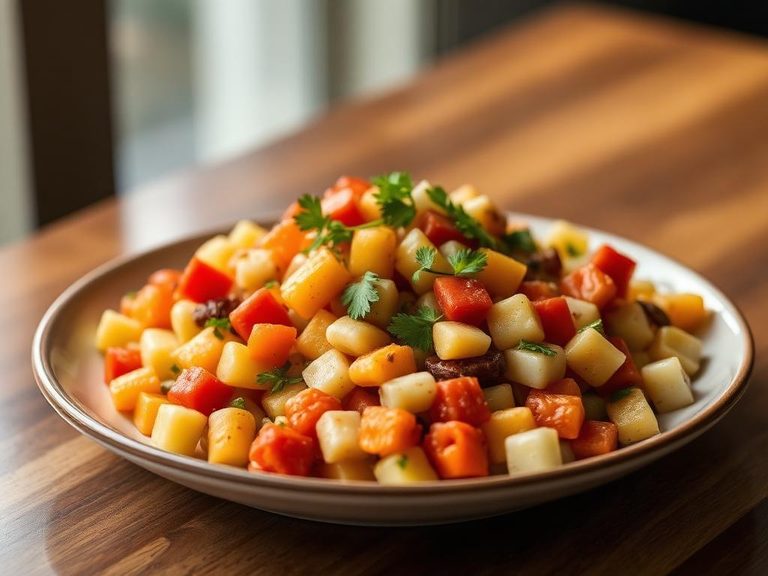
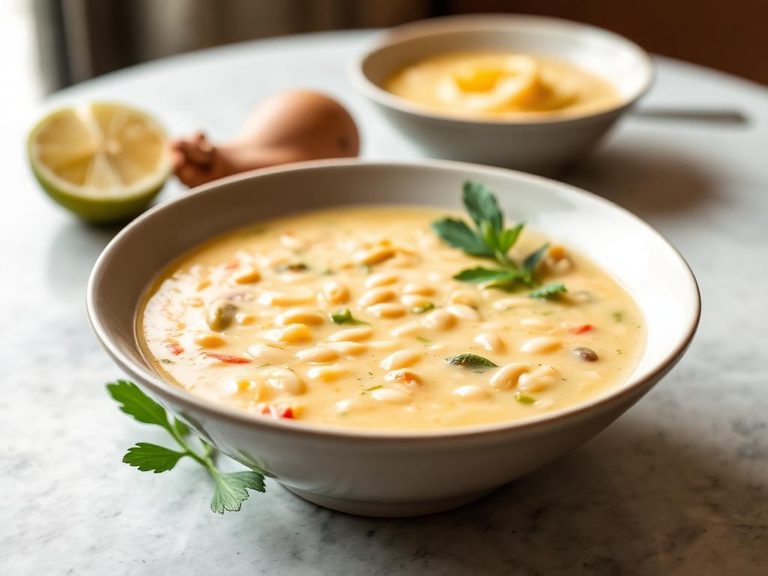
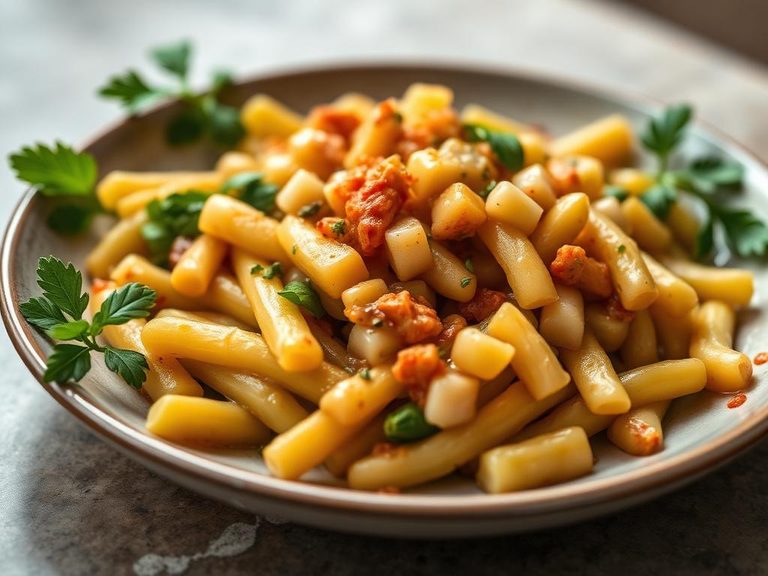
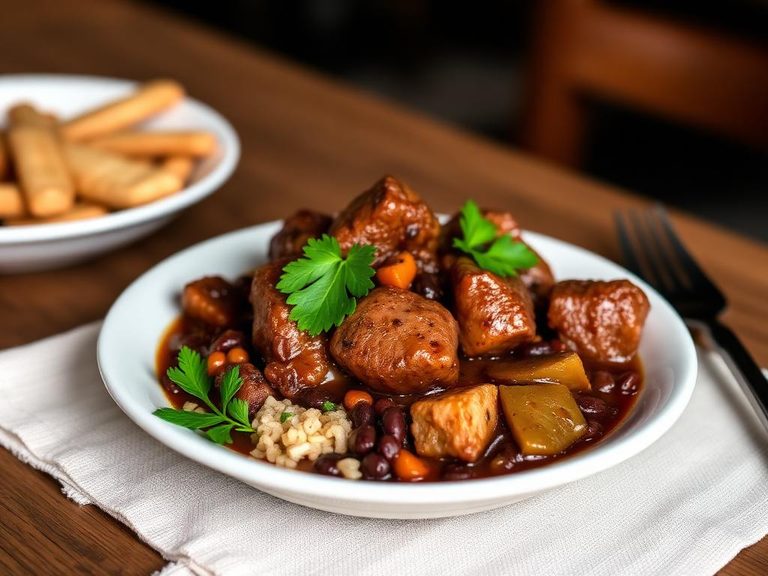
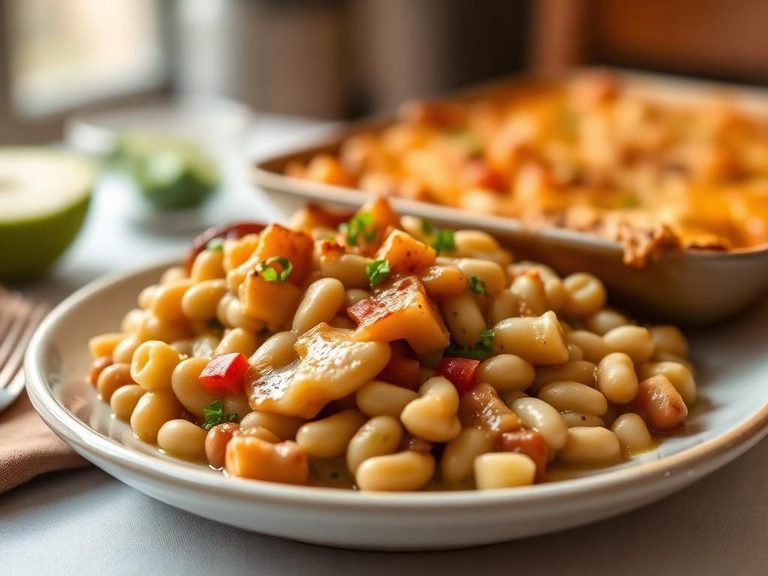
🌍 Where it's eaten
💡 Did you know?
Lima beans were first domesticated in Peru around 8000 BCE, and their name comes from the capital city of Lima, where they were widely cultivated and traded.
Full nutrition (USDA data · scales with serving)
| Water | 69.8 g |
| Energy | 115 kcal |
| Energy | 482 kj |
| Protein | 7.8 g |
| Total lipid (fat) | 0.38 g |
| Ash | 1.1 g |
| Carbohydrate, by difference | 20.9 g |
| Fiber, total dietary | 7.0 g |
| Total Sugars | 2.9 g |
| Calcium, Ca | 17.0 mg |
| Iron, Fe | 2.4 mg |
| Magnesium, Mg | 43.0 mg |
| Phosphorus, P | 111 mg |
| Potassium, K | 508 mg |
| Sodium, Na | 2.0 mg |
| Zinc, Zn | 0.95 mg |
| Copper, Cu | 0.23 mg |
| Manganese, Mn | 0.52 mg |
| Selenium, Se | 4.5 ug |
| Fluoride, F | 2.2 ug |
| Vitamin C, total ascorbic acid | 0.00 mg |
| Thiamin | 0.16 mg |
| Riboflavin | 0.06 mg |
| Niacin | 0.42 mg |
| Pantothenic acid | 0.42 mg |
| Vitamin B-6 | 0.16 mg |
| Folate, total | 83.0 ug |
| Folic acid | 0.00 ug |
| Folate, food | 83.0 ug |
| Folate, DFE | 83.0 ug |
| Choline, total | 32.5 mg |
| Vitamin B-12 | 0.00 ug |
| Vitamin B-12, added | 0.00 ug |
| Vitamin A, RAE | 0.00 ug |
| Retinol | 0.00 ug |
| Carotene, beta | 0.00 ug |
| Carotene, alpha | 0.00 ug |
| Cryptoxanthin, beta | 0.00 ug |
| Vitamin A, IU | 0.00 iu |
| Lycopene | 0.00 ug |
| Lutein + zeaxanthin | 0.00 ug |
| Vitamin E (alpha-tocopherol) | 0.18 mg |
| Vitamin E, added | 0.00 mg |
| Vitamin D (D2 + D3), International Units | 0.00 iu |
| Vitamin D (D2 + D3) | 0.00 ug |
| Vitamin K (phylloquinone) | 2.0 ug |
| Alcohol, ethyl | 0.00 g |
| Caffeine | 0.00 mg |
| Theobromine | 0.00 mg |
Fat & fatty acid profile (per 100g)
| Fatty acids, total saturated | 0.09 g |
| SFA 4:0 | 0.00 g |
| SFA 6:0 | 0.00 g |
| SFA 8:0 | 0.00 g |
| SFA 10:0 | 0.00 g |
| SFA 12:0 | 0.00 g |
| SFA 14:0 | 0.00 g |
| SFA 16:0 | 0.07 g |
| SFA 18:0 | 0.02 g |
| Fatty acids, total monounsaturated | 0.03 g |
| MUFA 16:1 | 0.00 g |
| MUFA 18:1 | 0.03 g |
| MUFA 20:1 | 0.00 g |
| MUFA 22:1 | 0.00 g |
| Fatty acids, total polyunsaturated | 0.17 g |
| PUFA 18:2 | 0.12 g |
| PUFA 18:3 | 0.05 g |
| PUFA 18:4 | 0.00 g |
| PUFA 20:4 | 0.00 g |
| PUFA 20:5 n-3 (EPA) | 0.00 g |
| PUFA 22:5 n-3 (DPA) | 0.00 g |
| PUFA 22:6 n-3 (DHA) | 0.00 g |
| Fatty acids, total trans | 0.00 g |
| Cholesterol | 0.00 mg |
Amino acid profile (per 100g)
| Tryptophan | 0.09 g |
| Threonine | 0.34 g |
| Isoleucine | 0.41 g |
| Leucine | 0.67 g |
| Lysine | 0.52 g |
| Methionine | 0.10 g |
| Cystine | 0.09 g |
| Phenylalanine | 0.45 g |
| Tyrosine | 0.28 g |
| Valine | 0.47 g |
| Arginine | 0.48 g |
| Histidine | 0.24 g |
| Alanine | 0.40 g |
| Aspartic acid | 1.0 g |
| Glutamic acid | 1.1 g |
| Glycine | 0.33 g |
| Proline | 0.35 g |
| Serine | 0.52 g |
FAQ
What is the difference between lima beans and butter beans?
They are the same bean (Phaseolus lunatus), but 'butter beans' is often used for the larger, creamier varieties, while 'lima beans' can refer to smaller, greener types.
How should I store cooked lima beans?
Store them in an airtight container in the refrigerator for up to 5 days, or freeze them for up to 6 months for longer preservation.
Are lima beans gluten-free?
Yes, lima beans are naturally gluten-free, making them a safe choice for those with celiac disease or gluten sensitivity.
Nutrient density (calculated · NRF9.3)
Nutrient Rich Foods index: beneficial nutrients (protein, fiber, vitamins, minerals) minus saturated fat, added sugar & sodium, per 100 kcal.
NRF9.3 index — Fulgoni, Keast & Drewnowski, 2009. Computed from USDA nutrients.
Weight-loss friendliness (composite index)
Energy density 1.15 kcal/g · 27% calories from protein · 7.0 g fiber · 2.9 g sugar per 100 g.
Composite of energy density (Rolls et al., 1999), protein & fiber satiety, minus sugar. A calculated heuristic — ranks satiety-per-calorie, not a clinical measure.
Dietary load (calculated from USDA values)
Potential renal acid load. Positive = acid-forming, negative = alkaline-forming.
Sodium-to-potassium ratio: 0.00 (lower is better — aim for ≤ 1)
Sodium:potassium per WHO potassium guidance. Computed from USDA nutrients.