

Game meat, raccoon, cooked, roasted
Whole food · Lamb, Veal, and Game Products

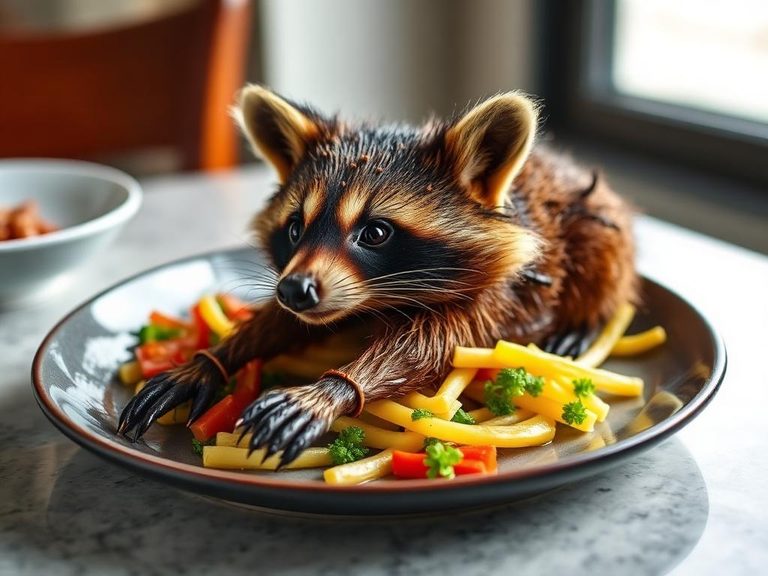
Photo: Wikipedia
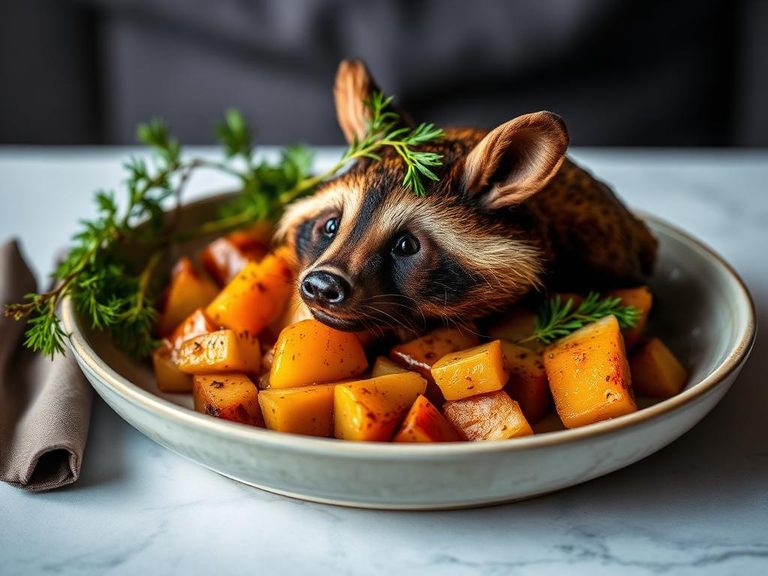
Raccoon meat, when roasted, transforms into a dark, lean, and surprisingly tender protein with a flavor profile often compared to a cross between dark turkey and rabbit, but with a slightly gamier, earthier depth. Its nutritional punch is significant, delivering a robust 29.2 grams of protein per 100g with zero carbohydrates, making it a powerhouse for low-carb or ketogenic diets. The cooking process renders the fat, resulting in a moist yet firm texture that absorbs marinades and seasonings exceptionally well.
Calorie split: 47% protein · 0% carbs · 53% fat
↓ Full nutrition💚 Why it's loved
Enthusiasts cherish raccoon for its unique, robust flavor that stands up to bold preparations like slow-roasting with herbs or smoking. It is a celebrated delicacy in certain regional cuisines, valued for its connection to historical frontier cooking and foraging traditions.
⚠️ Watch-outs & how to enjoy it better
The primary caution is its gaminess, which can be off-putting to those accustomed to milder meats, and its potential to carry parasites if not sourced and cooked properly. To counteract gaminess, marinate the meat overnight in acidic solutions like buttermilk or wine; for safety, always cook to an internal temperature of at least 165°F (74°C) and source from a reputable, licensed game processor.
Key benefits
- Exceptionally high in complete protein for muscle maintenance and satiety.
- Zero carbohydrates and sugars, ideal for strict low-carb or ketogenic dietary patterns.
- A lean source of fat, providing essential fatty acids without excessive caloric load.
- A traditional, wild-sourced protein that supports a nose-to-tail, sustainable foraging ethos.
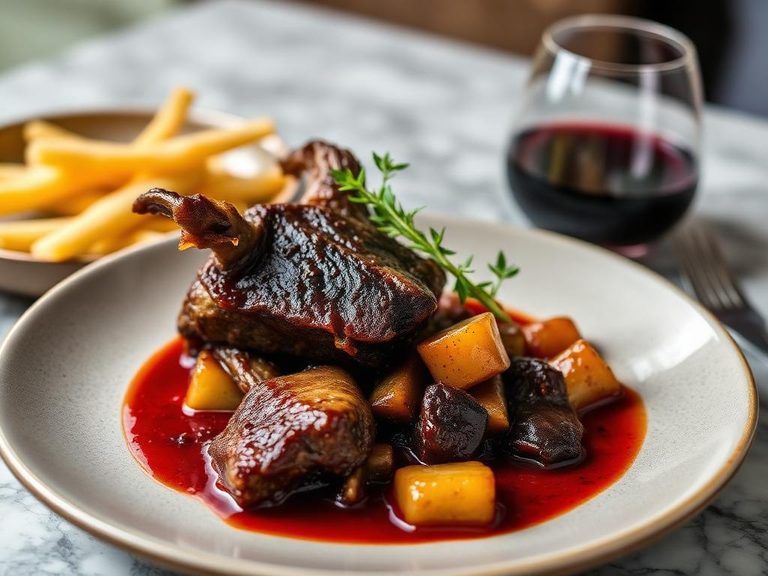
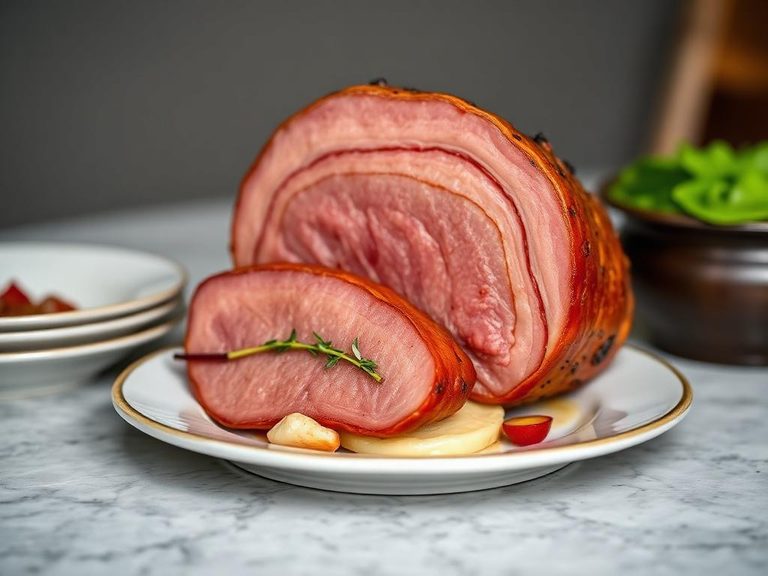
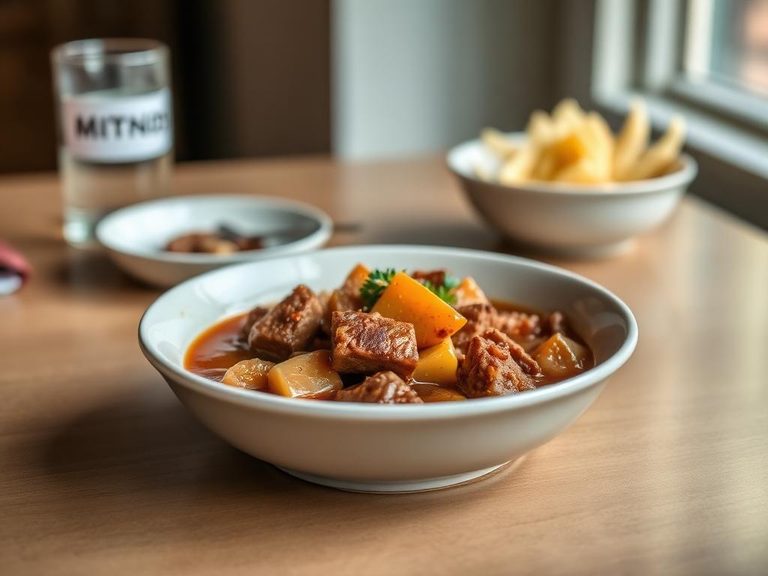
🍽️ Popular dishes
🌍 Where it's eaten
💡 Did you know?
Despite its name, the raccoon's closest living relatives are not bears, but are instead members of the family Procyonidae, which includes coatis and kinkajous.
Full nutrition (USDA data · scales with serving)
| Water | 54.3 g |
| Energy | 255 kcal |
| Energy | 1067 kj |
| Protein | 29.2 g |
| Total lipid (fat) | 14.5 g |
| Ash | 1.5 g |
| Carbohydrate, by difference | 0.00 g |
| Fiber, total dietary | 0.00 g |
| Total Sugars | 0.00 g |
| Calcium, Ca | 14.0 mg |
| Iron, Fe | 7.1 mg |
| Magnesium, Mg | 30.0 mg |
| Phosphorus, P | 261 mg |
| Potassium, K | 398 mg |
| Sodium, Na | 79.0 mg |
| Zinc, Zn | 2.3 mg |
| Copper, Cu | 0.19 mg |
| Selenium, Se | 18.0 ug |
| Vitamin C, total ascorbic acid | 0.00 mg |
| Thiamin | 0.59 mg |
| Riboflavin | 0.52 mg |
| Niacin | 4.7 mg |
| Vitamin B-6 | 0.47 mg |
| Folate, total | 11.0 ug |
| Folic acid | 0.00 ug |
| Folate, food | 11.0 ug |
| Folate, DFE | 11.0 ug |
| Choline, total | 115 mg |
| Betaine | 15.2 mg |
| Vitamin B-12 | 8.3 ug |
| Vitamin B-12, added | 0.00 ug |
| Vitamin A, RAE | 0.00 ug |
| Retinol | 0.00 ug |
| Carotene, beta | 0.00 ug |
| Carotene, alpha | 0.00 ug |
| Cryptoxanthin, beta | 0.00 ug |
| Vitamin A, IU | 0.00 iu |
| Lycopene | 0.00 ug |
| Lutein + zeaxanthin | 0.00 ug |
| Vitamin E (alpha-tocopherol) | 0.49 mg |
| Vitamin E, added | 0.00 mg |
| Vitamin D (D2 + D3), International Units | 0.00 iu |
| Vitamin D (D2 + D3) | 0.00 ug |
| Vitamin D3 (cholecalciferol) | 0.00 ug |
| Vitamin K (phylloquinone) | 1.7 ug |
| Vitamin K (Dihydrophylloquinone) | 0.00 ug |
| Alcohol, ethyl | 0.00 g |
| Caffeine | 0.00 mg |
| Theobromine | 0.00 mg |
Fat & fatty acid profile (per 100g)
| Fatty acids, total saturated | 4.1 g |
| SFA 4:0 | 0.00 g |
| SFA 6:0 | 0.00 g |
| SFA 8:0 | 0.00 g |
| SFA 10:0 | 0.00 g |
| SFA 12:0 | 0.00 g |
| SFA 14:0 | 0.55 g |
| SFA 16:0 | 2.3 g |
| SFA 18:0 | 1.1 g |
| Fatty acids, total monounsaturated | 5.2 g |
| MUFA 16:1 | 0.96 g |
| MUFA 18:1 | 4.1 g |
| MUFA 20:1 | 0.06 g |
| MUFA 22:1 | 0.00 g |
| Fatty acids, total polyunsaturated | 2.1 g |
| PUFA 18:2 | 1.3 g |
| PUFA 18:3 | 0.06 g |
| PUFA 18:4 | 0.00 g |
| PUFA 20:4 | 0.37 g |
| PUFA 20:5 n-3 (EPA) | 0.05 g |
| PUFA 22:5 n-3 (DPA) | 0.10 g |
| PUFA 22:6 n-3 (DHA) | 0.03 g |
| Cholesterol | 97.0 mg |
Amino acid profile (per 100g)
Estimated from Game meat, deer, cooked, roasted — USDA does not publish this profile for Game meat.
| Threonine | 1.4 g |
| Isoleucine | 1.2 g |
| Leucine | 2.6 g |
| Lysine | 2.6 g |
| Methionine | 0.74 g |
| Cystine | 0.34 g |
| Phenylalanine | 1.2 g |
| Tyrosine | 1.1 g |
| Valine | 1.4 g |
| Arginine | 2.2 g |
| Histidine | 1.5 g |
| Alanine | 1.9 g |
| Aspartic acid | 2.8 g |
| Glutamic acid | 4.4 g |
| Glycine | 1.5 g |
| Proline | 1.6 g |
| Serine | 1.3 g |
FAQ
What does raccoon meat taste like?
It is often described as a gamier, richer version of dark turkey or rabbit meat, with a slightly sweet, earthy undertone. The flavor can vary based on the animal's diet and the cut of meat.
Is it safe to eat raccoon?
Yes, when properly handled and thoroughly cooked. It must be sourced from a licensed, inspected game processor to ensure it is free from diseases like trichinella. Always cook to an internal temperature of 165°F (74°C).
How do you prepare raccoon to reduce gaminess?
Soaking the meat overnight in a saltwater brine, buttermilk, or a vinegar/wine solution is highly effective. Slow, moist cooking methods like braising or stewing also help mellow the strong flavor.
Nutrient density (calculated · NRF9.3)
Nutrient Rich Foods index: beneficial nutrients (protein, fiber, vitamins, minerals) minus saturated fat, added sugar & sodium, per 100 kcal.
NRF9.3 index — Fulgoni, Keast & Drewnowski, 2009. Computed from USDA nutrients.
Weight-loss friendliness (composite index)
Energy density 2.55 kcal/g · 46% calories from protein · 0.0 g fiber · 0.0 g sugar per 100 g.
Composite of energy density (Rolls et al., 1999), protein & fiber satiety, minus sugar. A calculated heuristic — ranks satiety-per-calorie, not a clinical measure.
Dietary load (calculated from USDA values)
Potential renal acid load. Positive = acid-forming, negative = alkaline-forming.
Sodium-to-potassium ratio: 0.20 (lower is better — aim for ≤ 1)
Sodium:potassium per WHO potassium guidance. Computed from USDA nutrients.