

Fish, tuna, NFS
Common food
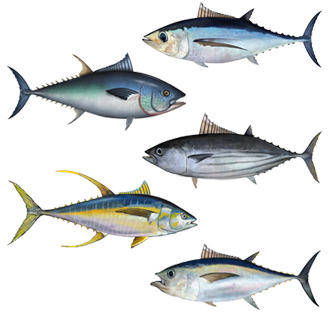
Photo: Wikipedia
This is lean, flaky tuna meat, typically canned or prepared without added sauces or seasonings. Its texture is firm yet tender, with a mild, savory flavor that readily absorbs other ingredients. Nutritionally, it's a powerhouse of high-quality protein with virtually no carbohydrates or fat.
Calorie split: 90% protein · 0% carbs · 10% fat
↓ Full nutrition💚 Why it's loved
People love it for its incredible versatility and mild flavor, making it a blank canvas for everything from spicy salads to rich casseroles. It's a cultural staple in many cuisines, symbolizing quick, healthy meals and pantry preparedness.
⚠️ Watch-outs & how to enjoy it better
Some may find the flavor too plain or the texture dry if overcooked. A key caution is its potential for mercury content (especially in larger tuna species), so pregnant women and young children should follow consumption guidelines. To counteract dryness, mix with a small amount of healthy fat like olive oil, avocado, or mayonnaise.
Key benefits
- Excellent source of complete protein for muscle maintenance
- Very low in calories and carbohydrates
- Rich in omega-3 fatty acids (EPA and DHA) for heart and brain health
- Provides essential minerals like selenium and niacin
- A convenient, shelf-stable protein source
🍽️ Popular dishes
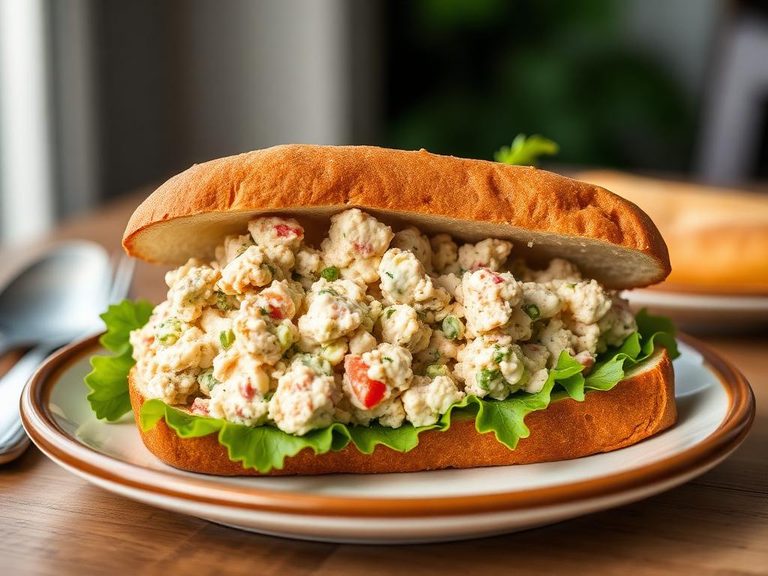
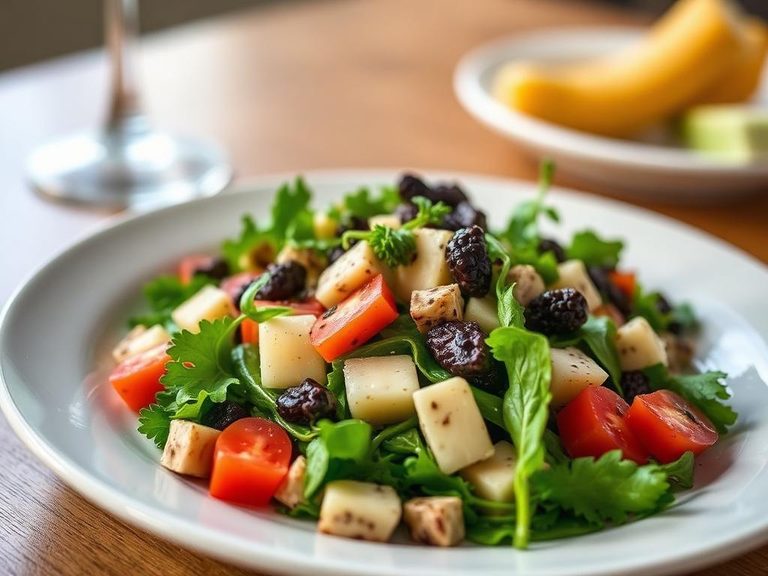
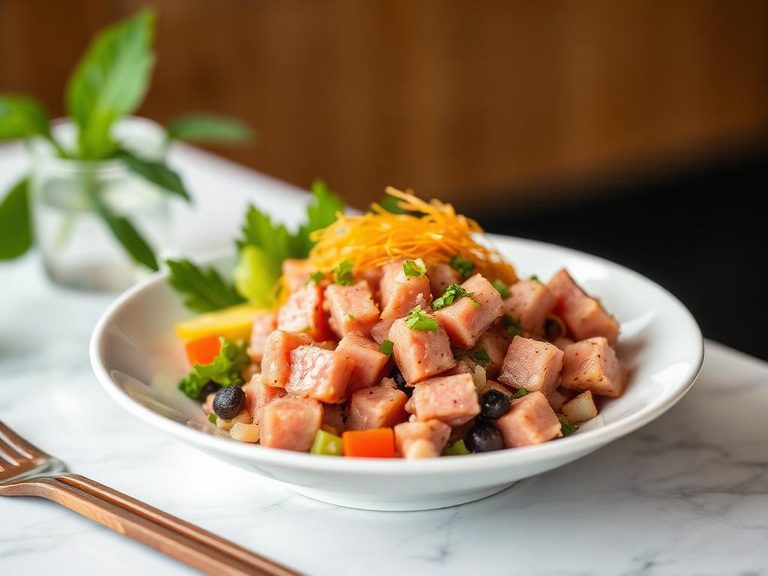
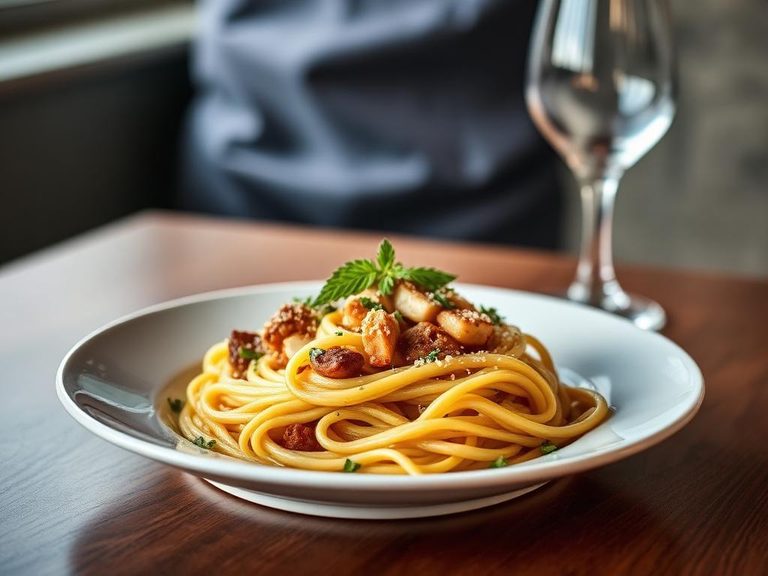
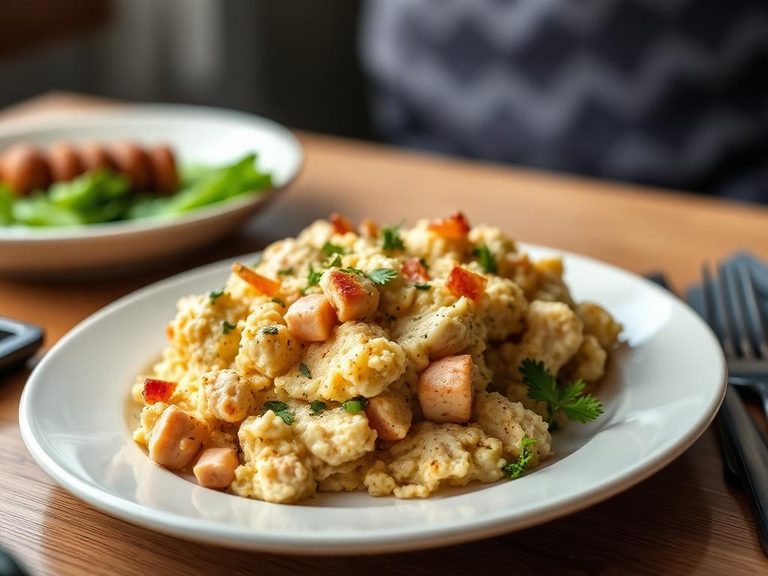
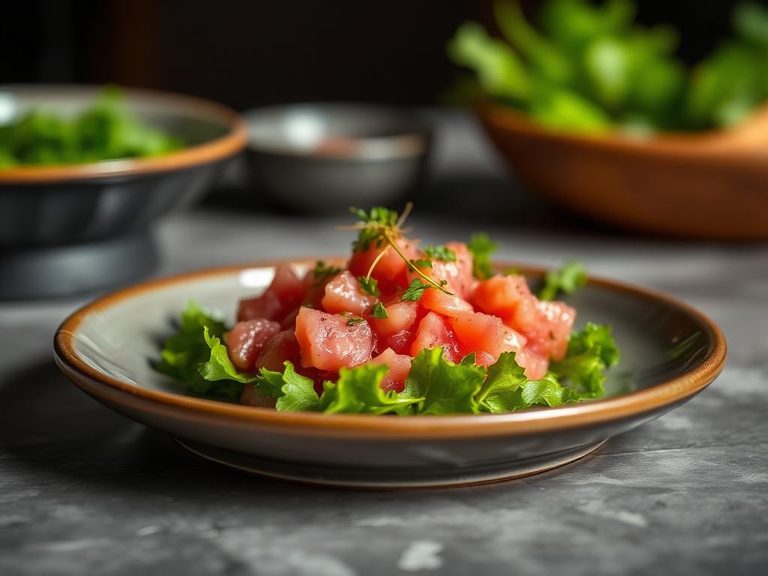
🌍 Where it's eaten
💡 Did you know?
Bluefin tuna, a prized species for sushi, can swim at speeds up to 45 mph and migrate across entire ocean basins.
Full nutrition (USDA data · scales with serving)
| Water | 79.0 g |
| Energy | 85.0 kcal |
| Protein | 19.0 g |
| Total lipid (fat) | 0.94 g |
| Carbohydrate, by difference | 0.08 g |
| Fiber, total dietary | 0.00 g |
| Total Sugars | 0.00 g |
| Calcium, Ca | 18.0 mg |
| Iron, Fe | 1.7 mg |
| Magnesium, Mg | 23.0 mg |
| Phosphorus, P | 137 mg |
| Potassium, K | 176 mg |
| Sodium, Na | 219 mg |
| Zinc, Zn | 0.66 mg |
| Copper, Cu | 0.05 mg |
| Selenium, Se | 67.8 ug |
| Vitamin C, total ascorbic acid | 0.00 mg |
| Thiamin | 0.03 mg |
| Riboflavin | 0.08 mg |
| Niacin | 9.9 mg |
| Vitamin B-6 | 0.32 mg |
| Folate, total | 4.0 ug |
| Folic acid | 0.00 ug |
| Folate, food | 4.0 ug |
| Folate, DFE | 4.0 ug |
| Choline, total | 29.3 mg |
| Vitamin B-12 | 2.6 ug |
| Vitamin B-12, added | 0.00 ug |
| Vitamin A, RAE | 17.0 ug |
| Retinol | 17.0 ug |
| Carotene, beta | 0.00 ug |
| Carotene, alpha | 0.00 ug |
| Cryptoxanthin, beta | 0.00 ug |
| Lycopene | 0.00 ug |
| Lutein + zeaxanthin | 0.00 ug |
| Vitamin E (alpha-tocopherol) | 0.33 mg |
| Vitamin E, added | 0.00 mg |
| Vitamin D (D2 + D3) | 1.2 ug |
| Vitamin K (phylloquinone) | 0.20 ug |
| Alcohol, ethyl | 0.00 g |
| Caffeine | 0.00 mg |
| Theobromine | 0.00 mg |
Fat & fatty acid profile (per 100g)
| Fatty acids, total saturated | 0.22 g |
| SFA 4:0 | 0.00 g |
| SFA 6:0 | 0.00 g |
| SFA 8:0 | 0.00 g |
| SFA 10:0 | 0.00 g |
| SFA 12:0 | 0.00 g |
| SFA 14:0 | 0.01 g |
| SFA 16:0 | 0.13 g |
| SFA 18:0 | 0.05 g |
| Fatty acids, total monounsaturated | 0.11 g |
| MUFA 16:1 | 0.02 g |
| MUFA 18:1 | 0.09 g |
| MUFA 20:1 | 0.00 g |
| MUFA 22:1 | 0.00 g |
| Fatty acids, total polyunsaturated | 0.26 g |
| PUFA 18:2 | 0.01 g |
| PUFA 18:3 | 0.00 g |
| PUFA 18:4 | 0.00 g |
| PUFA 20:4 | 0.02 g |
| PUFA 20:5 n-3 (EPA) | 0.03 g |
| PUFA 22:5 n-3 (DPA) | 0.00 g |
| PUFA 22:6 n-3 (DHA) | 0.20 g |
| Cholesterol | 36.0 mg |
Amino acid profile (per 100g)
Estimated from Fish, fish sticks, frozen, prepared — USDA does not publish this profile for Fish.
| Tryptophan | 0.12 g |
| Threonine | 0.37 g |
| Isoleucine | 0.43 g |
| Leucine | 0.85 g |
| Lysine | 0.80 g |
| Methionine | 0.30 g |
| Phenylalanine | 0.47 g |
| Tyrosine | 0.29 g |
| Valine | 0.50 g |
| Arginine | 0.59 g |
| Histidine | 0.23 g |
| Alanine | 0.55 g |
| Aspartic acid | 0.82 g |
| Glutamic acid | 2.3 g |
| Glycine | 0.47 g |
| Proline | 0.78 g |
| Serine | 0.49 g |
| Hydroxyproline | 0.00 g |
FAQ
What does 'NFS' mean on a nutrition label?
NFS stands for 'Not Further Specified.' It indicates the food is in its basic form without added ingredients like oil, salt, or sauces, which is why the nutrition facts show zero carbs and fat.
Is canned tuna as healthy as fresh?
Yes, canned tuna retains most of its protein and omega-3 benefits. The main differences are texture and potential added sodium; choosing 'no salt added' or 'in water' versions maximizes its health profile.
How can I tell if my canned tuna is sustainably sourced?
Look for certifications on the can, such as the Marine Stewardship Council (MSC) blue fish label. Choosing 'light' tuna (often skipjack) generally has a lower environmental impact than 'white' tuna (albacore).
Nutrient density (calculated · NRF9.3)
Nutrient Rich Foods index: beneficial nutrients (protein, fiber, vitamins, minerals) minus saturated fat, added sugar & sodium, per 100 kcal.
NRF9.3 index — Fulgoni, Keast & Drewnowski, 2009. Computed from USDA nutrients.
Weight-loss friendliness (composite index)
Energy density 0.85 kcal/g · 89% calories from protein · 0.0 g fiber · 0.0 g sugar per 100 g.
Composite of energy density (Rolls et al., 1999), protein & fiber satiety, minus sugar. A calculated heuristic — ranks satiety-per-calorie, not a clinical measure.
Dietary load (calculated from USDA values)
Potential renal acid load. Positive = acid-forming, negative = alkaline-forming.
Sodium-to-potassium ratio: 1.24 (lower is better — aim for ≤ 1)
Sodium:potassium per WHO potassium guidance. Computed from USDA nutrients.