

Candies, white chocolate
Whole food · Sweets

Photo: Wikipedia
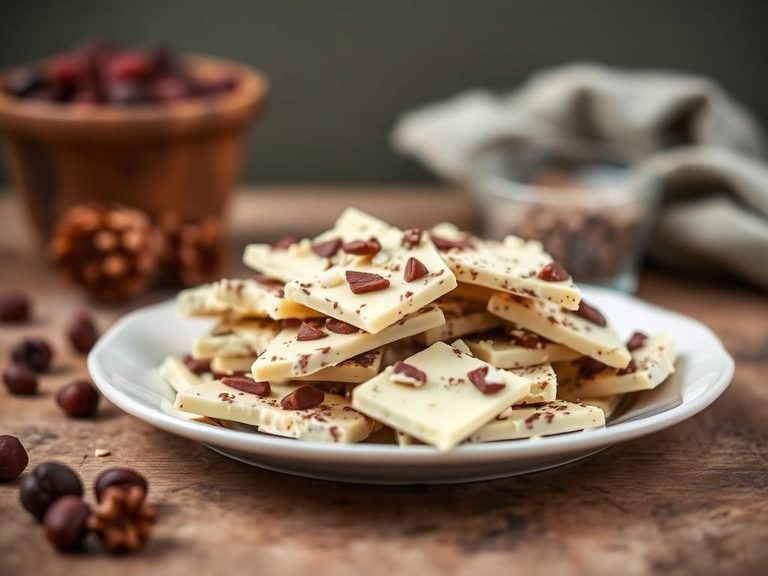
White chocolate is a creamy, sweet confection made from cocoa butter, sugar, and milk solids, with no cocoa liquor. Its texture is smooth and velvety, melting readily on the tongue with a rich, buttery, and vanilla-forward flavor profile. Nutritionally, it is energy-dense, providing a significant portion of daily calories from fat and sugar in a small serving.
Calorie split: 4% protein · 43% carbs · 53% fat
↓ Full nutrition💚 Why it's loved
People love white chocolate for its uniquely sweet, creamy, and indulgent flavor that lacks the bitterness of dark chocolate. Its smooth, melt-in-your-mouth texture makes it a beloved treat for desserts, confections, and as a standalone candy.
⚠️ Watch-outs & how to enjoy it better
Its high sugar and fat content can contribute to blood-sugar spikes and excess calorie intake, making it unsuitable for those managing diabetes or weight. It also contains milk, a common allergen, and should be consumed in moderation. To counteract blood-sugar impact, pair a small piece with a source of protein (like nuts) or fiber to slow absorption, and practice strict portion control.
Key benefits
- Provides quick energy from carbohydrates and fats
- Contains calcium and some phosphorus from milk solids
- Source of antioxidants from cocoa butter, including polyphenols
- Can enhance mood and provide a sensory pleasure experience
- Offers a versatile ingredient for sweet and savory culinary applications
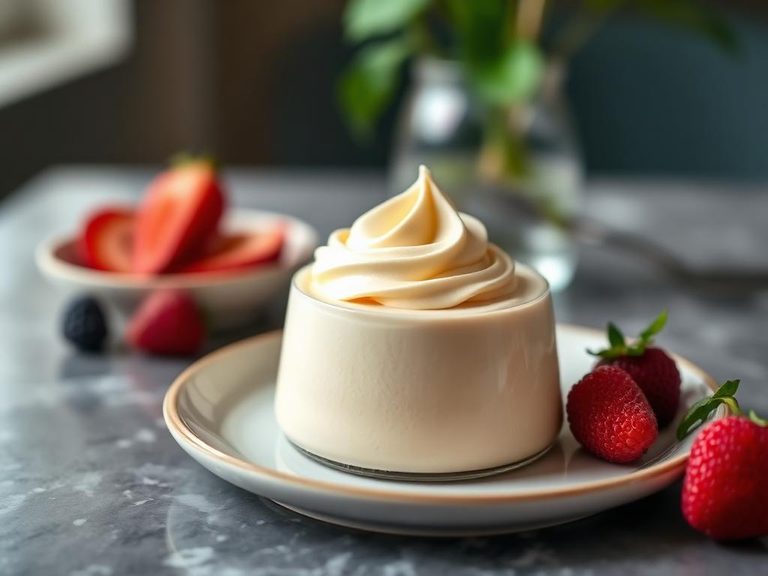
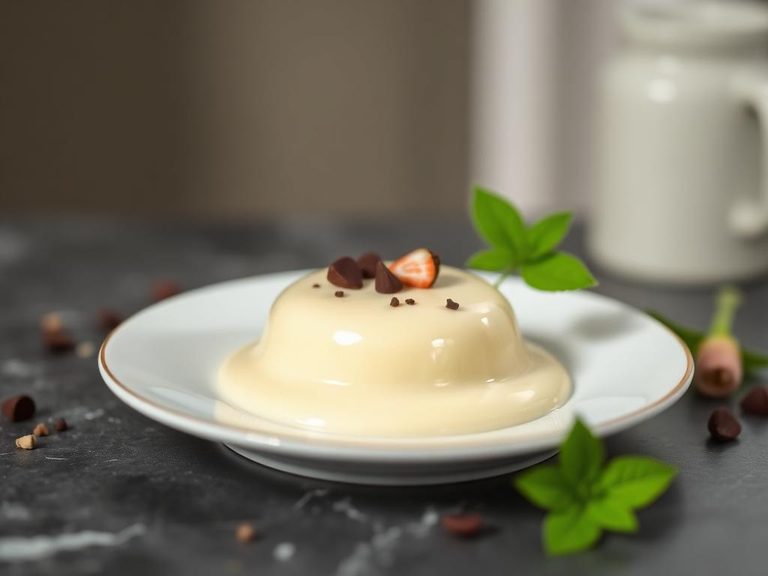
🍽️ Popular dishes


🌍 Where it's eaten
💡 Did you know?
White chocolate is not technically classified as chocolate in some countries (like the U.S.) because it contains no cocoa solids, only cocoa butter.
Full nutrition (USDA data · scales with serving)
| Water | 1.3 g |
| Energy | 539 kcal |
| Energy | 2254 kj |
| Protein | 5.9 g |
| Total lipid (fat) | 32.1 g |
| Ash | 1.5 g |
| Carbohydrate, by difference | 59.2 g |
| Fiber, total dietary | 0.20 g |
| Total Sugars | 59.0 g |
| Calcium, Ca | 199 mg |
| Iron, Fe | 0.24 mg |
| Magnesium, Mg | 12.0 mg |
| Phosphorus, P | 176 mg |
| Potassium, K | 286 mg |
| Sodium, Na | 90.0 mg |
| Zinc, Zn | 0.74 mg |
| Copper, Cu | 0.06 mg |
| Manganese, Mn | 0.01 mg |
| Selenium, Se | 4.5 ug |
| Vitamin C, total ascorbic acid | 0.50 mg |
| Thiamin | 0.06 mg |
| Riboflavin | 0.28 mg |
| Niacin | 0.74 mg |
| Pantothenic acid | 0.61 mg |
| Vitamin B-6 | 0.06 mg |
| Folate, total | 7.0 ug |
| Folic acid | 0.00 ug |
| Folate, food | 7.0 ug |
| Folate, DFE | 7.0 ug |
| Choline, total | 29.5 mg |
| Vitamin B-12 | 0.56 ug |
| Vitamin B-12, added | 0.00 ug |
| Vitamin A, RAE | 9.0 ug |
| Retinol | 9.0 ug |
| Carotene, beta | 0.00 ug |
| Carotene, alpha | 0.00 ug |
| Cryptoxanthin, beta | 0.00 ug |
| Vitamin A, IU | 30.0 iu |
| Lycopene | 0.00 ug |
| Lutein + zeaxanthin | 0.00 ug |
| Vitamin E (alpha-tocopherol) | 0.96 mg |
| Vitamin E, added | 0.00 mg |
| Vitamin D (D2 + D3), International Units | 0.00 iu |
| Vitamin D (D2 + D3) | 0.00 ug |
| Vitamin K (phylloquinone) | 9.1 ug |
| Alcohol, ethyl | 0.00 g |
| Caffeine | 0.00 mg |
| Theobromine | 0.00 mg |
Fat & fatty acid profile (per 100g)
| Fatty acids, total saturated | 19.4 g |
| SFA 4:0 | 0.31 g |
| SFA 6:0 | 0.15 g |
| SFA 8:0 | 0.12 g |
| SFA 10:0 | 0.22 g |
| SFA 12:0 | 0.63 g |
| SFA 14:0 | 0.80 g |
| SFA 16:0 | 7.9 g |
| SFA 18:0 | 9.1 g |
| SFA 20:0 | 0.00 g |
| Fatty acids, total monounsaturated | 9.1 g |
| MUFA 16:1 | 0.06 g |
| MUFA 18:1 | 9.0 g |
| MUFA 20:1 | 0.00 g |
| MUFA 22:1 | 0.00 g |
| Fatty acids, total polyunsaturated | 1.0 g |
| PUFA 18:2 | 0.91 g |
| PUFA 18:3 | 0.10 g |
| PUFA 18:4 | 0.00 g |
| PUFA 20:4 | 0.00 g |
| PUFA 20:5 n-3 (EPA) | 0.00 g |
| PUFA 22:5 n-3 (DPA) | 0.00 g |
| PUFA 22:6 n-3 (DHA) | 0.00 g |
| Fatty acids, total trans | 0.00 g |
| Cholesterol | 21.0 mg |
Amino acid profile (per 100g)
Estimated from Candies, honey-combed, with peanut butter — USDA does not publish this profile for Candies.
| Tryptophan | 0.09 g |
| Threonine | 0.21 g |
| Isoleucine | 0.24 g |
| Leucine | 0.61 g |
| Lysine | 0.27 g |
| Methionine | 0.10 g |
| Cystine | 0.09 g |
| Phenylalanine | 0.47 g |
| Tyrosine | 0.33 g |
| Valine | 0.31 g |
| Arginine | 1.1 g |
| Histidine | 0.22 g |
| Alanine | 0.36 g |
| Aspartic acid | 1.2 g |
| Glutamic acid | 2.0 g |
| Glycine | 0.56 g |
| Proline | 0.55 g |
| Serine | 0.58 g |
FAQ
Is white chocolate real chocolate?
It is a chocolate derivative made from cocoa butter, milk, and sugar, but it lacks cocoa solids, which is why some regulations don't classify it as 'chocolate.'
Why does white chocolate taste so different from milk or dark chocolate?
The flavor comes almost entirely from cocoa butter, sugar, and milk solids, without the bitter, fruity, or roasted notes provided by cocoa solids.
Can white chocolate be used in cooking and baking?
Yes, it's excellent for ganache, mousses, glazes, and cookies, but it burns easily due to its high sugar and fat content, so it requires gentle melting.
Nutrient density (calculated · NRF9.3)
Nutrient Rich Foods index: beneficial nutrients (protein, fiber, vitamins, minerals) minus saturated fat, added sugar & sodium, per 100 kcal.
NRF9.3 index — Fulgoni, Keast & Drewnowski, 2009. Computed from USDA nutrients.
Weight-loss friendliness (composite index)
Energy density 5.39 kcal/g · 4% calories from protein · 0.2 g fiber · 59.0 g sugar per 100 g.
Composite of energy density (Rolls et al., 1999), protein & fiber satiety, minus sugar. A calculated heuristic — ranks satiety-per-calorie, not a clinical measure.
Dietary load (calculated from USDA values)
Potential renal acid load. Positive = acid-forming, negative = alkaline-forming.
Sodium-to-potassium ratio: 0.31 (lower is better — aim for ≤ 1)
Sodium:potassium per WHO potassium guidance. Computed from USDA nutrients.