

Butter, light, stick, with salt
Whole food · Fats and Oils

Photo: Wikipedia
Light butter with salt is a reduced-fat dairy spread made by churning cream and adding salt, resulting in a pale yellow, creamy product with a milder, less rich flavor than full-fat butter. Its texture is smooth and spreadable, especially when softened, but it can lack the luxurious, melt-in-your-mouth quality of traditional butter. Nutritionally, it offers about half the calories and fat of regular butter, with a significant sodium content.
Calorie split: 3% protein · 0% carbs · 97% fat
↓ Full nutrition💚 Why it's loved
People love it for delivering a familiar, savory butter flavor in a lighter form, making it a versatile staple for everything from morning toast to sautéed vegetables. It holds a special place in home cooking as a practical way to reduce fat and calories without completely giving up the comforting taste of butter.
⚠️ Watch-outs & how to enjoy it better
The primary downsides are its high sodium content, which can contribute to increased blood pressure, and the fact that it still contains saturated fat. Those monitoring sodium intake should use it sparingly, and it may not be suitable for individuals with a milk allergy. To counteract this, measure portions carefully, pair it with potassium-rich foods like bananas or spinach, and consider using it primarily for flavoring rather than as a main cooking fat.
Key benefits
- Lower in calories and total fat than regular butter
- Provides a source of fat-soluble vitamins A and D
- Adds rich flavor to foods with less saturated fat
- Convenient for spreading, baking, and sautéing
🍽️ Popular dishes
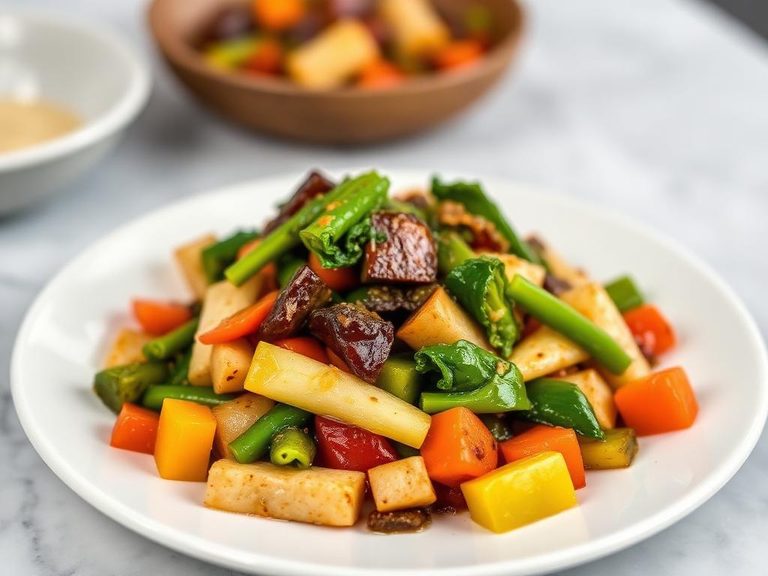
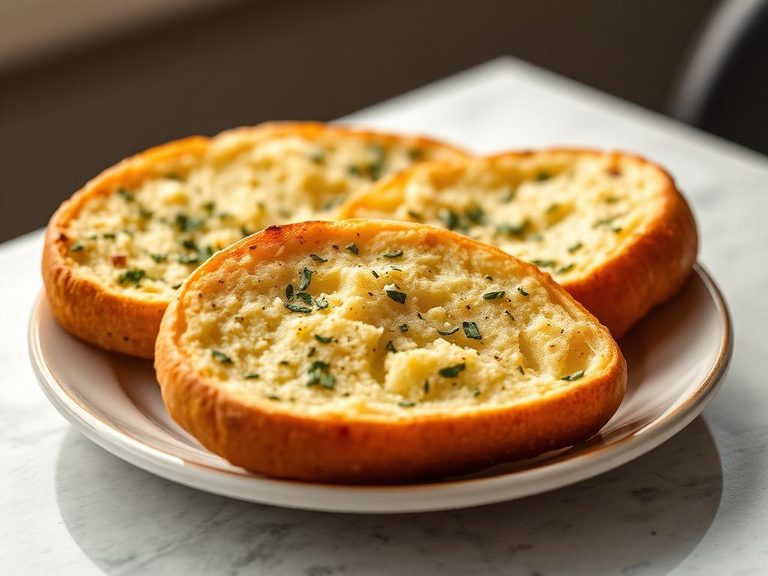
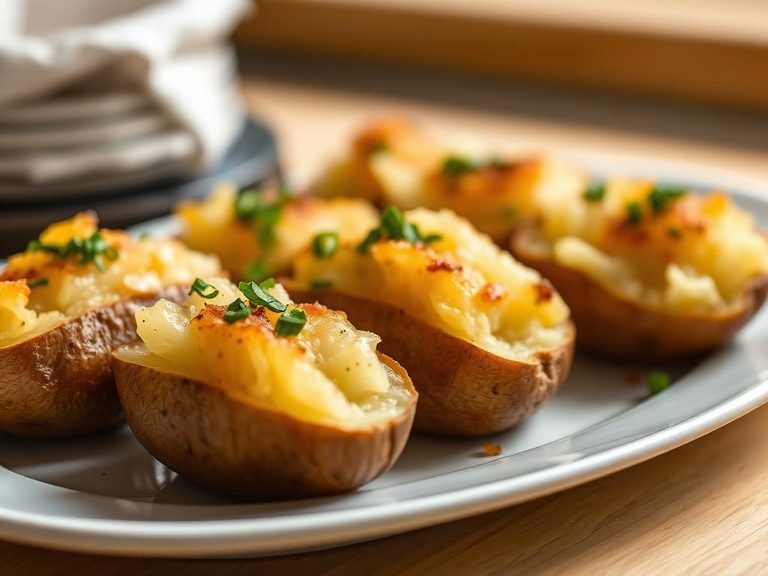
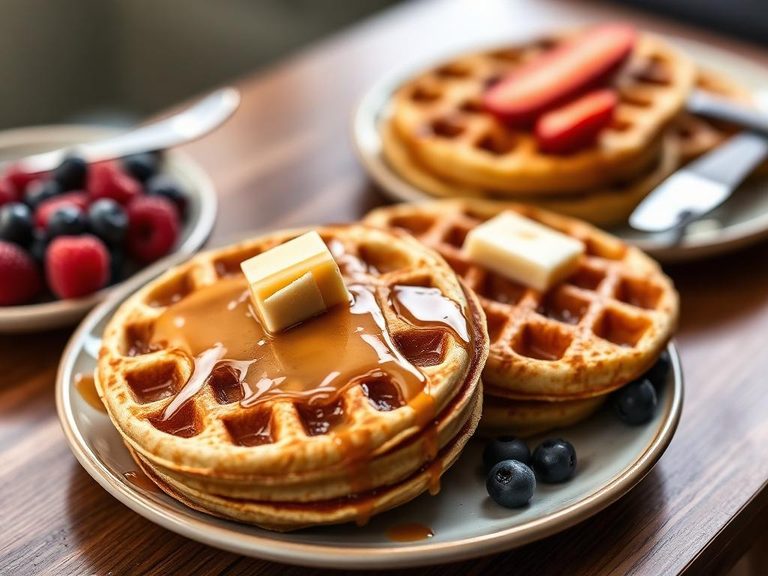
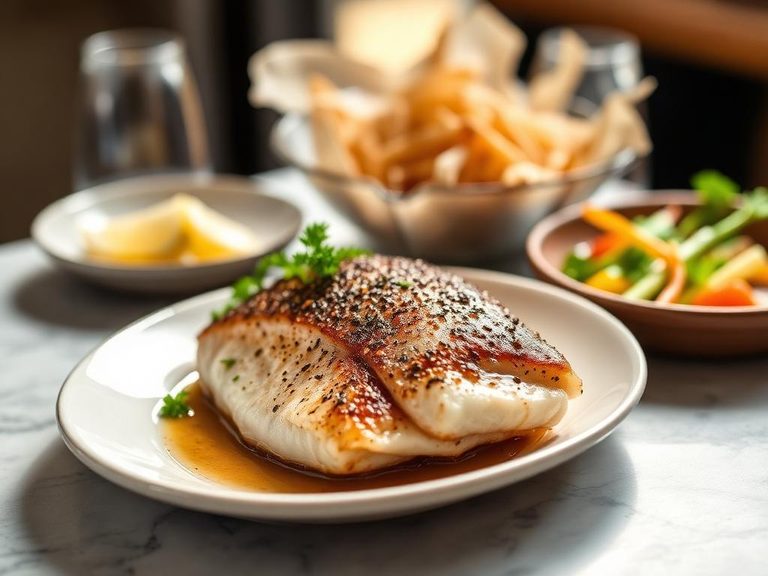
🌍 Where it's eaten
💡 Did you know?
Light butter is often an emulsion of butter and water or other ingredients, which is why it has a lower fat percentage and can sometimes 'spatter' more than regular butter when heated in a pan.
Full nutrition (USDA data · scales with serving)
| Water | 42.1 g |
| Energy | 499 kcal |
| Energy | 2088 kj |
| Protein | 3.3 g |
| Total lipid (fat) | 55.1 g |
| Ash | 1.0 g |
| Carbohydrate, by difference | 0.00 g |
| Fiber, total dietary | 0.00 g |
| Total Sugars | 0.00 g |
| Calcium, Ca | 48.0 mg |
| Iron, Fe | 1.1 mg |
| Magnesium, Mg | 5.0 mg |
| Phosphorus, P | 34.0 mg |
| Potassium, K | 71.0 mg |
| Sodium, Na | 450 mg |
| Zinc, Zn | 0.26 mg |
| Copper, Cu | 0.00 mg |
| Selenium, Se | 1.0 ug |
| Vitamin C, total ascorbic acid | 0.00 mg |
| Thiamin | 0.01 mg |
| Riboflavin | 0.07 mg |
| Niacin | 0.02 mg |
| Vitamin B-6 | 0.01 mg |
| Folate, total | 1.0 ug |
| Folic acid | 0.00 ug |
| Folate, food | 1.0 ug |
| Folate, DFE | 1.0 ug |
| Choline, total | 12.9 mg |
| Vitamin B-12 | 0.13 ug |
| Vitamin B-12, added | 0.00 ug |
| Vitamin A, RAE | 465 ug |
| Retinol | 456 ug |
| Carotene, beta | 107 ug |
| Carotene, alpha | 0.00 ug |
| Cryptoxanthin, beta | 0.00 ug |
| Vitamin A, IU | 1698 iu |
| Lycopene | 0.00 ug |
| Lutein + zeaxanthin | 0.00 ug |
| Vitamin E (alpha-tocopherol) | 1.6 mg |
| Vitamin E, added | 0.00 mg |
| Vitamin D (D2 + D3), International Units | 0.00 iu |
| Vitamin D (D2 + D3) | 0.00 ug |
| Vitamin D2 (ergocalciferol) | 0.00 ug |
| Vitamin D3 (cholecalciferol) | 0.00 ug |
| Vitamin K (phylloquinone) | 4.8 ug |
| Alcohol, ethyl | 0.00 g |
| Caffeine | 0.00 mg |
| Theobromine | 0.00 mg |
Fat & fatty acid profile (per 100g)
| Fatty acids, total saturated | 34.3 g |
| SFA 4:0 | 1.8 g |
| SFA 6:0 | 1.1 g |
| SFA 8:0 | 0.62 g |
| SFA 10:0 | 1.4 g |
| SFA 12:0 | 1.6 g |
| SFA 14:0 | 5.5 g |
| SFA 16:0 | 14.5 g |
| SFA 18:0 | 6.7 g |
| Fatty acids, total monounsaturated | 15.9 g |
| MUFA 16:1 | 1.2 g |
| MUFA 18:1 | 13.9 g |
| MUFA 20:1 | 0.00 g |
| MUFA 22:1 | 0.00 g |
| Fatty acids, total polyunsaturated | 2.0 g |
| PUFA 18:2 | 1.2 g |
| PUFA 18:3 | 0.80 g |
| PUFA 18:4 | 0.00 g |
| PUFA 20:4 | 0.00 g |
| PUFA 20:5 n-3 (EPA) | 0.00 g |
| PUFA 22:5 n-3 (DPA) | 0.00 g |
| PUFA 22:6 n-3 (DHA) | 0.00 g |
| Cholesterol | 106 mg |
Amino acid profile (per 100g)
Estimated from Oil, cocoa butter — USDA does not publish this profile for Butter.
| Tryptophan | 0.00 g |
| Threonine | 0.00 g |
| Isoleucine | 0.00 g |
| Leucine | 0.00 g |
| Lysine | 0.00 g |
| Methionine | 0.00 g |
| Cystine | 0.00 g |
| Phenylalanine | 0.00 g |
| Tyrosine | 0.00 g |
| Valine | 0.00 g |
| Arginine | 0.00 g |
| Histidine | 0.00 g |
| Alanine | 0.00 g |
| Aspartic acid | 0.00 g |
| Glutamic acid | 0.00 g |
| Glycine | 0.00 g |
| Proline | 0.00 g |
| Serine | 0.00 g |
FAQ
Can I use light butter in baking instead of regular butter?
You can, but results may differ. Light butter contains more water, which can make baked goods like cookies or cakes slightly less tender and more cakey. It's best for recipes where butter is a minor ingredient, like for greasing pans or in quick breads, rather than in delicate pastries.
Is light butter healthier than margarine?
It depends on the margarine. Light butter is a dairy product with a simpler ingredient list, while margarine is plant-based and can vary widely in fat quality. Some margarines are trans-fat-free and may have less saturated fat, but others can be highly processed. Always check the nutrition label for sodium, saturated fat, and any hydrogenated oils.
Why does light butter have salt?
Salt is added primarily for flavor enhancement and preservation. It helps balance the milder taste of the reduced-fat butter and extends its shelf life. If you need to avoid sodium, look for an unsalted light butter variety.
Nutrient density (calculated · NRF9.3)
Nutrient Rich Foods index: beneficial nutrients (protein, fiber, vitamins, minerals) minus saturated fat, added sugar & sodium, per 100 kcal.
NRF9.3 index — Fulgoni, Keast & Drewnowski, 2009. Computed from USDA nutrients.
Weight-loss friendliness (composite index)
Energy density 4.99 kcal/g · 3% calories from protein · 0.0 g fiber · 0.0 g sugar per 100 g.
Composite of energy density (Rolls et al., 1999), protein & fiber satiety, minus sugar. A calculated heuristic — ranks satiety-per-calorie, not a clinical measure.
Dietary load (calculated from USDA values)
Potential renal acid load. Positive = acid-forming, negative = alkaline-forming.
Sodium-to-potassium ratio: 6.34 (lower is better — aim for ≤ 1)
Sodium:potassium per WHO potassium guidance. Computed from USDA nutrients.