

Beverages, carbonated, cola, fast-food cola
Whole food · Beverages
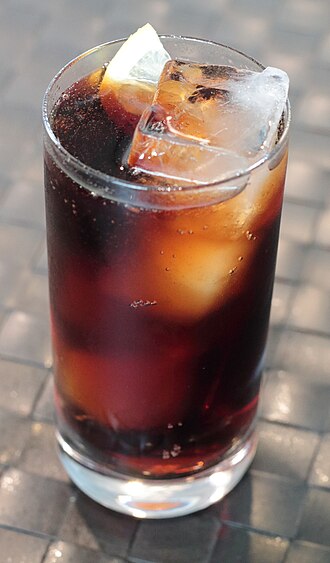
Photo: Wikipedia
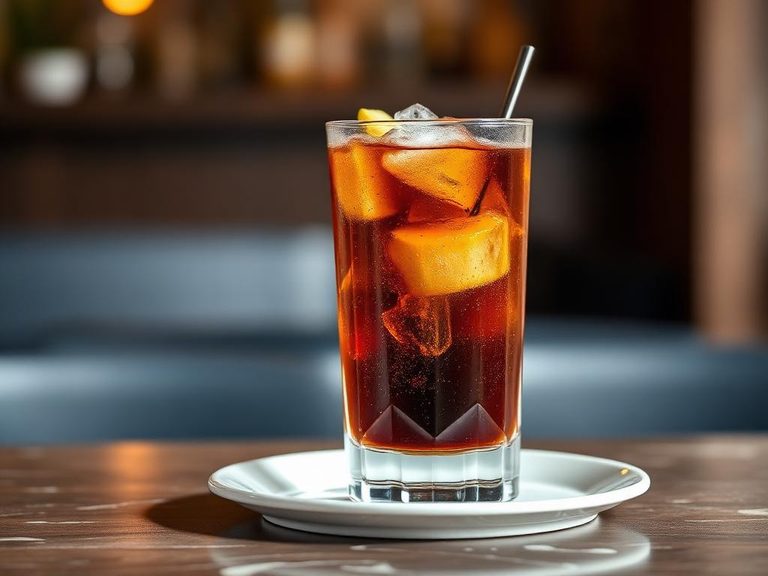
Fast-food cola is a highly carbonated, sweetened soft drink with a distinct caramel color and a complex, spicy-sweet flavor profile. Its texture is defined by a sharp, effervescent fizz that tingles the palate. Nutritionally, it is a dense source of simple sugars, providing about 9 grams of sugar and 37 calories per 100ml with virtually no protein, fat, or fiber.
Calorie split: 1% protein · 99% carbs · 0% fat
↓ Full nutrition💚 Why it's loved
People love it for its iconic, sweet, and slightly spicy flavor that is both refreshing and nostalgic. It's a versatile beverage, enjoyed ice-cold on its own, as a palate cleanser with rich meals, or as a base for cocktails.
⚠️ Watch-outs & how to enjoy it better
Its high sugar content can lead to rapid blood-sugar spikes and contributes empty calories. The acidity and phosphoric acid may be concerning for dental health. To counteract, consider pairing it with a protein-rich meal to slow sugar absorption, practice strict portion control, or choose a diet version.
Key benefits
- Provides a rapid source of energy from simple carbohydrates
- Caffeine content can temporarily increase alertness
- The carbonation offers a satisfying sensory experience
- Widely available and consistent in taste globally
🍽️ Popular dishes
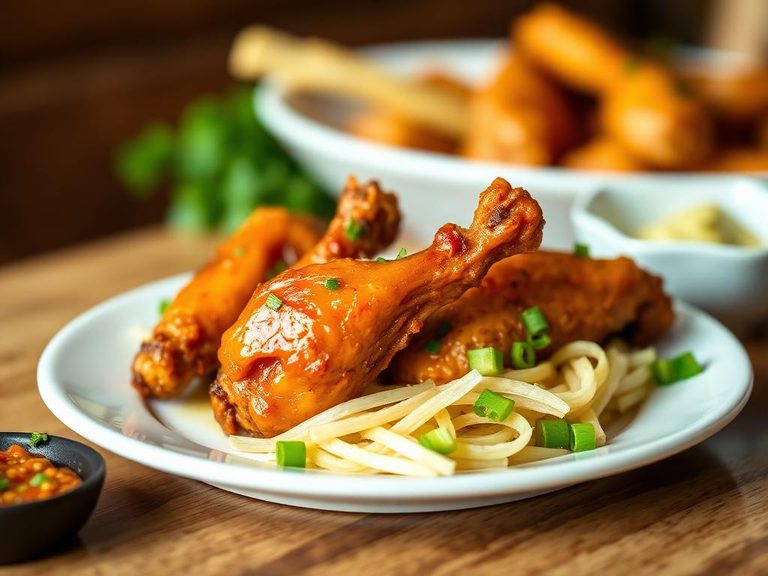

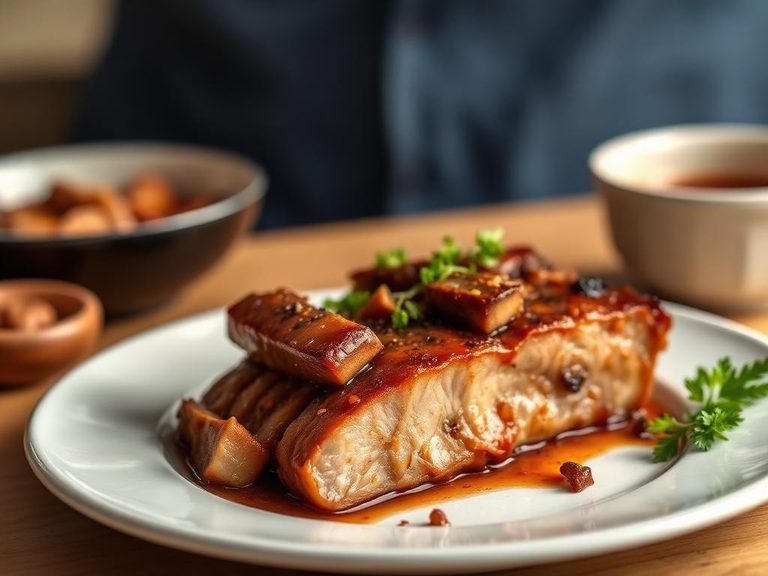
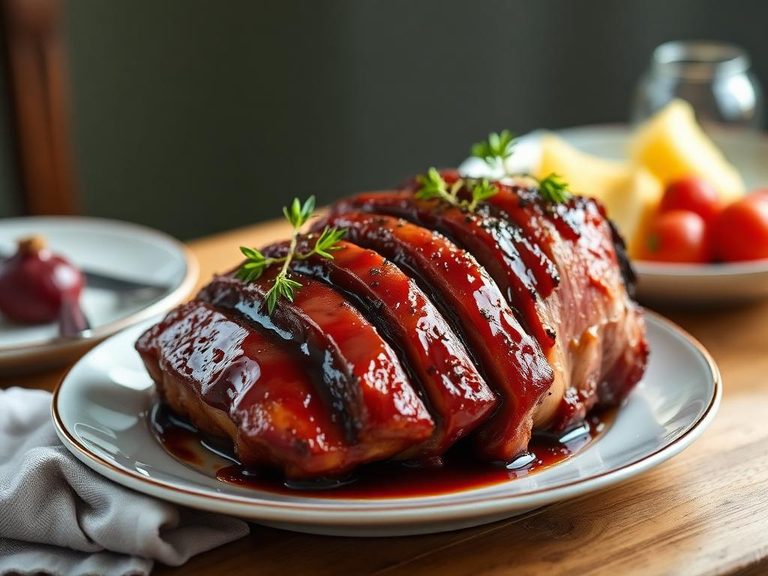
🌍 Where it's eaten
💡 Did you know?
The original formula for Coca-Cola, the archetype for this category, was invented in 1886 by a pharmacist named John Pemberton, who marketed it as a medicinal tonic.
Full nutrition (USDA data · scales with serving)
| Water | 90.3 g |
| Energy | 37.0 kcal |
| Energy | 157 kj |
| Protein | 0.07 g |
| Total lipid (fat) | 0.02 g |
| Ash | 0.04 g |
| Carbohydrate, by difference | 9.6 g |
| Fiber, total dietary | 0.00 g |
| Total Sugars | 9.0 g |
| Calcium, Ca | 2.0 mg |
| Iron, Fe | 0.11 mg |
| Magnesium, Mg | 0.00 mg |
| Phosphorus, P | 10.0 mg |
| Potassium, K | 2.0 mg |
| Sodium, Na | 4.0 mg |
| Zinc, Zn | 0.02 mg |
| Copper, Cu | 0.00 mg |
| Manganese, Mn | 0.00 mg |
| Selenium, Se | 0.10 ug |
| Fluoride, F | 57.0 ug |
| Vitamin C, total ascorbic acid | 0.00 mg |
| Thiamin | 0.00 mg |
| Riboflavin | 0.00 mg |
| Niacin | 0.00 mg |
| Pantothenic acid | 0.00 mg |
| Vitamin B-6 | 0.00 mg |
| Folate, total | 0.00 ug |
| Folic acid | 0.00 ug |
| Folate, food | 0.00 ug |
| Folate, DFE | 0.00 ug |
| Choline, total | 0.30 mg |
| Betaine | 0.10 mg |
| Vitamin B-12 | 0.00 ug |
| Vitamin B-12, added | 0.00 ug |
| Vitamin A, RAE | 0.00 ug |
| Retinol | 0.00 ug |
| Carotene, beta | 0.00 ug |
| Carotene, alpha | 0.00 ug |
| Cryptoxanthin, beta | 0.00 ug |
| Vitamin A, IU | 0.00 iu |
| Lycopene | 0.00 ug |
| Lutein + zeaxanthin | 0.00 ug |
| Vitamin E (alpha-tocopherol) | 0.00 mg |
| Vitamin E, added | 0.00 mg |
| Vitamin D (D2 + D3), International Units | 0.00 iu |
| Vitamin D (D2 + D3) | 0.00 ug |
| Vitamin K (phylloquinone) | 0.00 ug |
| Alcohol, ethyl | 0.00 g |
| Caffeine | 8.0 mg |
| Theobromine | 0.00 mg |
Fat & fatty acid profile (per 100g)
| Fatty acids, total saturated | 0.00 g |
| SFA 4:0 | 0.00 g |
| SFA 6:0 | 0.00 g |
| SFA 8:0 | 0.00 g |
| SFA 10:0 | 0.00 g |
| SFA 12:0 | 0.00 g |
| SFA 14:0 | 0.00 g |
| SFA 16:0 | 0.00 g |
| SFA 18:0 | 0.00 g |
| Fatty acids, total monounsaturated | 0.00 g |
| MUFA 16:1 | 0.00 g |
| MUFA 18:1 | 0.00 g |
| MUFA 20:1 | 0.00 g |
| MUFA 22:1 | 0.00 g |
| Fatty acids, total polyunsaturated | 0.00 g |
| PUFA 18:2 | 0.00 g |
| PUFA 18:3 | 0.00 g |
| PUFA 18:4 | 0.00 g |
| PUFA 20:4 | 0.00 g |
| PUFA 20:5 n-3 (EPA) | 0.00 g |
| PUFA 22:5 n-3 (DPA) | 0.00 g |
| PUFA 22:6 n-3 (DHA) | 0.00 g |
| Fatty acids, total trans | 0.00 g |
| Cholesterol | 0.00 mg |
Amino acid profile (per 100g)
Estimated from Beverages, carbonated, tonic water — USDA does not publish this profile for Beverages.
| Tryptophan | 0.00 g |
| Threonine | 0.00 g |
| Isoleucine | 0.00 g |
| Leucine | 0.00 g |
| Lysine | 0.00 g |
| Methionine | 0.00 g |
| Cystine | 0.00 g |
| Phenylalanine | 0.00 g |
| Tyrosine | 0.00 g |
| Valine | 0.00 g |
| Arginine | 0.00 g |
| Histidine | 0.00 g |
| Alanine | 0.00 g |
| Aspartic acid | 0.00 g |
| Glutamic acid | 0.00 g |
| Glycine | 0.00 g |
| Proline | 0.00 g |
| Serine | 0.00 g |
FAQ
Does cola really dissolve a steak or a tooth?
While cola's acidity (pH ~2.5) can break down organic matter over time, the effect in a living human is negligible. A tooth or piece of meat won't 'dissolve' from a brief soak or drink, but prolonged, frequent exposure can contribute to enamel erosion.
Why does cola taste different in a glass bottle versus a can?
The container material can subtly affect taste perception. Aluminum cans have a thin polymer lining, while glass is inert. Some enthusiasts claim glass preserves a crisper carbonation and purer flavor, though this is subjective.
Is the caffeine in cola significant?
A standard 355ml can contains about 34mg of caffeine, roughly a third of what's in a typical cup of coffee. It's enough to provide a mild stimulant effect for most people but is generally considered moderate.
Nutrient density (calculated · NRF9.3)
Nutrient Rich Foods index: beneficial nutrients (protein, fiber, vitamins, minerals) minus saturated fat, added sugar & sodium, per 100 kcal.
NRF9.3 index — Fulgoni, Keast & Drewnowski, 2009. Computed from USDA nutrients.
Weight-loss friendliness (composite index)
Energy density 0.37 kcal/g · 1% calories from protein · 0.0 g fiber · 9.0 g sugar per 100 g.
Composite of energy density (Rolls et al., 1999), protein & fiber satiety, minus sugar. A calculated heuristic — ranks satiety-per-calorie, not a clinical measure.
Dietary load (calculated from USDA values)
Potential renal acid load. Positive = acid-forming, negative = alkaline-forming.
Sodium-to-potassium ratio: 2.00 (lower is better — aim for ≤ 1)
Sodium:potassium per WHO potassium guidance. Computed from USDA nutrients.