

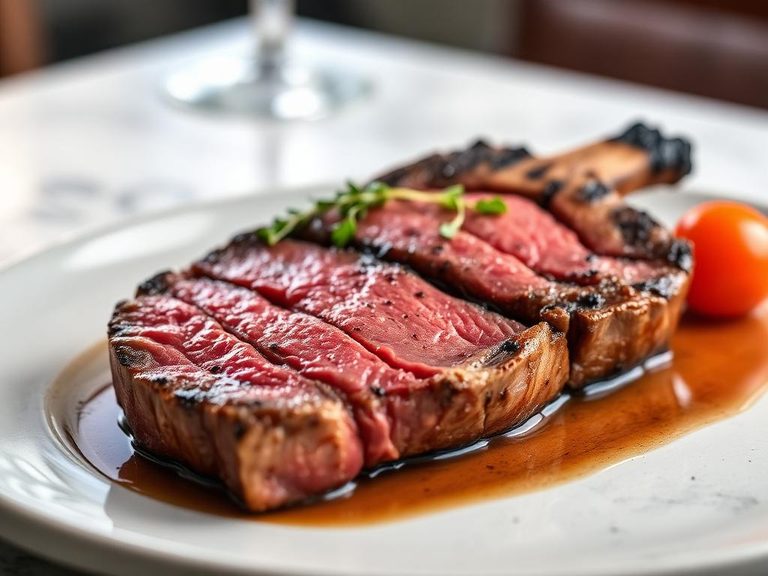
Beef, rib, small end (ribs 10-12), separable lean and fat, trimmed to 1/8" fat, choice, cooked, broiled
Whole food · Beef Products

Photo: Wikipedia
This is the prized small end of the beef rib, specifically ribs 10-12, trimmed to a lean 1/8-inch fat cap and cooked to a perfect broil. The result is a deeply savory, beefy flavor with a tender, juicy texture that balances melt-in-your-mouth fat with satisfying, chewy lean meat. Nutritionally, it is a powerhouse of protein and healthy fats, providing a substantial 304 calories and over 24 grams of protein per 100-gram serving.
Calorie split: 33% protein · 0% carbs · 67% fat
↓ Full nutrition💚 Why it's loved
People adore this cut for its perfect balance of rich, beefy flavor and satisfying texture, often considered the best part of the rib for grilling or broiling. Its versatility makes it a star in everything from simple salt-and-pepper steaks to complex, slow-cooked barbecue.
⚠️ Watch-outs & how to enjoy it better
The primary downside is its high saturated fat and calorie density, which can be a concern for those managing heart health or weight. To mitigate this, practice strict portion control (aim for a 4-6 oz serving) and pair it with fiber-rich, non-starchy vegetables like roasted broccoli or a large salad to add volume and nutrients without excess calories.
Key benefits
- Excellent source of complete, high-quality protein for muscle maintenance.
- Rich in B vitamins (especially B12 and niacin) for energy metabolism.
- Provides essential minerals like iron, zinc, and selenium.
- Contains conjugated linoleic acid (CLA), a naturally occurring fatty acid.
- A zero-carb, keto-friendly protein source.
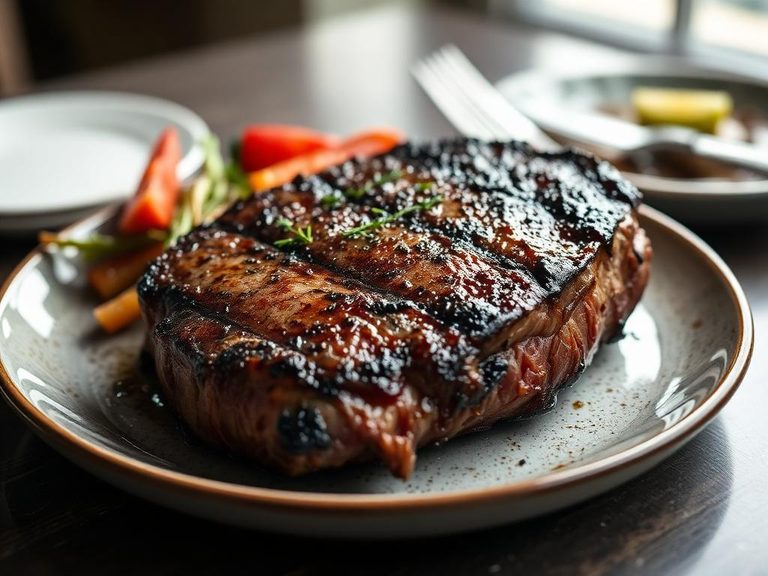
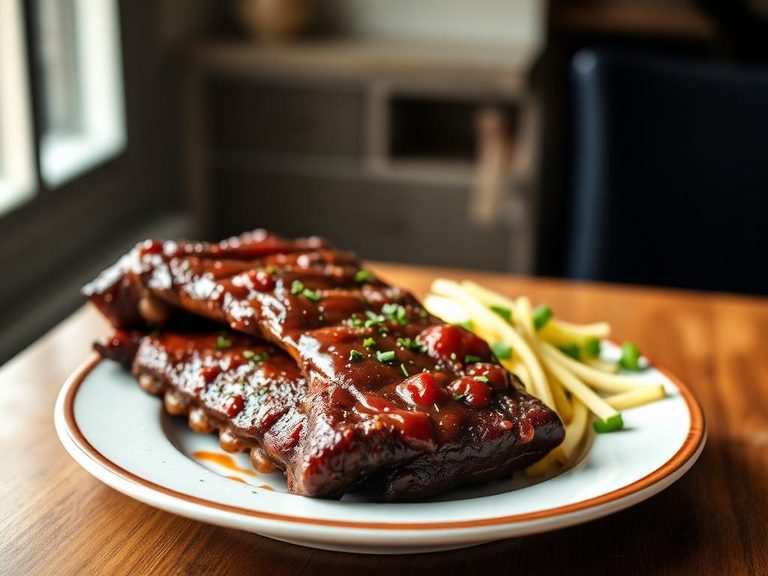
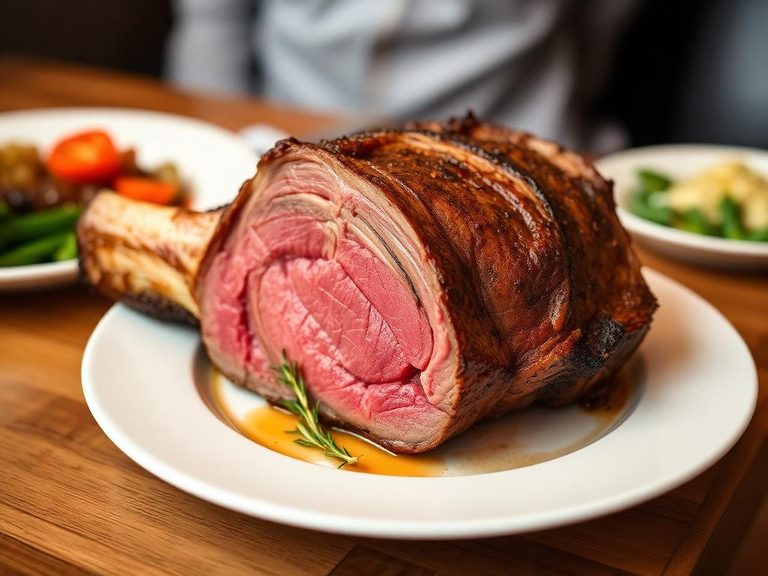
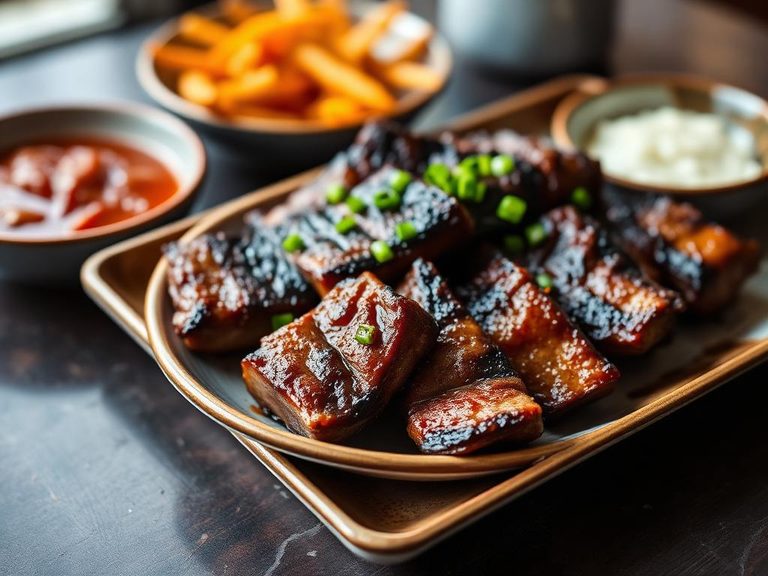
🍽️ Popular dishes
🌍 Where it's eaten
💡 Did you know?
The 'small end' ribs (10-12) are anatomically closer to the rear of the animal, making them more tender and marbled than the larger, tougher 'big end' ribs (ribs 6-9) found closer to the shoulder.
Full nutrition (USDA data · scales with serving)
| Water | 52.9 g |
| Energy | 304 kcal |
| Energy | 1272 kj |
| Protein | 24.5 g |
| Total lipid (fat) | 22.1 g |
| Ash | 1.0 g |
| Carbohydrate, by difference | 0.00 g |
| Fiber, total dietary | 0.00 g |
| Total Sugars | 0.00 g |
| Calcium, Ca | 16.0 mg |
| Iron, Fe | 1.6 mg |
| Magnesium, Mg | 20.0 mg |
| Phosphorus, P | 183 mg |
| Potassium, K | 298 mg |
| Sodium, Na | 49.0 mg |
| Zinc, Zn | 4.4 mg |
| Copper, Cu | 0.08 mg |
| Manganese, Mn | 0.01 mg |
| Selenium, Se | 26.4 ug |
| Vitamin C, total ascorbic acid | 0.00 mg |
| Thiamin | 0.06 mg |
| Riboflavin | 0.11 mg |
| Niacin | 6.7 mg |
| Pantothenic acid | 0.48 mg |
| Vitamin B-6 | 0.49 mg |
| Folate, total | 8.0 ug |
| Folic acid | 0.00 ug |
| Folate, food | 8.0 ug |
| Folate, DFE | 8.0 ug |
| Vitamin B-12 | 1.6 ug |
| Vitamin A, RAE | 0.00 ug |
| Retinol | 0.00 ug |
| Carotene, beta | 0.00 ug |
| Carotene, alpha | 0.00 ug |
| Cryptoxanthin, beta | 0.00 ug |
| Vitamin A, IU | 0.00 iu |
| Lycopene | 0.00 ug |
| Lutein + zeaxanthin | 0.00 ug |
| Vitamin E (alpha-tocopherol) | 0.50 mg |
| Tocopherol, beta | 0.00 mg |
| Tocopherol, gamma | 0.00 mg |
| Tocopherol, delta | 0.00 mg |
| Vitamin K (phylloquinone) | 1.8 ug |
| Alcohol, ethyl | 0.00 g |
| Caffeine | 0.00 mg |
| Theobromine | 0.00 mg |
Fat & fatty acid profile (per 100g)
| Fatty acids, total saturated | 8.7 g |
| SFA 4:0 | 0.00 g |
| SFA 6:0 | 0.00 g |
| SFA 8:0 | 0.00 g |
| SFA 10:0 | 0.06 g |
| SFA 12:0 | 0.05 g |
| SFA 14:0 | 0.67 g |
| SFA 16:0 | 5.3 g |
| SFA 18:0 | 2.7 g |
| Fatty acids, total monounsaturated | 9.2 g |
| MUFA 16:1 | 0.83 g |
| MUFA 18:1 | 8.3 g |
| MUFA 20:1 | 0.03 g |
| MUFA 22:1 | 0.00 g |
| Fatty acids, total polyunsaturated | 0.82 g |
| PUFA 18:2 | 0.57 g |
| PUFA 18:3 | 0.20 g |
| PUFA 18:4 | 0.00 g |
| PUFA 20:4 | 0.05 g |
| PUFA 20:5 n-3 (EPA) | 0.00 g |
| PUFA 22:5 n-3 (DPA) | 0.00 g |
| PUFA 22:6 n-3 (DHA) | 0.00 g |
| Cholesterol | 94.0 mg |
Amino acid profile (per 100g)
| Tryptophan | 0.16 g |
| Threonine | 0.98 g |
| Isoleucine | 1.1 g |
| Leucine | 2.0 g |
| Lysine | 2.1 g |
| Methionine | 0.64 g |
| Cystine | 0.32 g |
| Phenylalanine | 0.97 g |
| Tyrosine | 0.78 g |
| Valine | 1.2 g |
| Arginine | 1.6 g |
| Histidine | 0.78 g |
| Alanine | 1.5 g |
| Aspartic acid | 2.2 g |
| Glutamic acid | 3.7 g |
| Glycine | 1.5 g |
| Proline | 1.2 g |
| Serine | 0.97 g |
| Hydroxyproline | 0.26 g |
FAQ
What is the difference between the small end and big end of the rib?
The small end (ribs 10-12) is closer to the loin, making it more tender and leaner with better marbling. The big end (ribs 6-9) is closer to the shoulder, is larger, tougher, and has more fat and connective tissue.
How should I cook this cut for the best results?
For the best flavor and texture, broil or grill it over high heat to create a caramelized crust while keeping the interior juicy. Let it rest for 5-10 minutes after cooking to allow the juices to redistribute.
Is this a good cut for a low-carb or keto diet?
Yes, it is an excellent choice. With zero carbohydrates and a high protein and fat content, it fits perfectly into low-carb and ketogenic dietary patterns.
What does 'choice' grade mean for beef?
USDA Choice is a high-quality grade of beef with less marbling than Prime but more than Select. It indicates good tenderness, juiciness, and flavor, making it a reliable and popular choice for home cooking.
Nutrient density (calculated · NRF9.3)
Nutrient Rich Foods index: beneficial nutrients (protein, fiber, vitamins, minerals) minus saturated fat, added sugar & sodium, per 100 kcal.
NRF9.3 index — Fulgoni, Keast & Drewnowski, 2009. Computed from USDA nutrients.
Weight-loss friendliness (composite index)
Energy density 3.04 kcal/g · 32% calories from protein · 0.0 g fiber · 0.0 g sugar per 100 g.
Composite of energy density (Rolls et al., 1999), protein & fiber satiety, minus sugar. A calculated heuristic — ranks satiety-per-calorie, not a clinical measure.
Dietary load (calculated from USDA values)
Potential renal acid load. Positive = acid-forming, negative = alkaline-forming.
Sodium-to-potassium ratio: 0.16 (lower is better — aim for ≤ 1)
Sodium:potassium per WHO potassium guidance. Computed from USDA nutrients.