

Beans, kidney, red, mature seeds, cooked, boiled, without salt
Whole food · Legumes and Legume Products
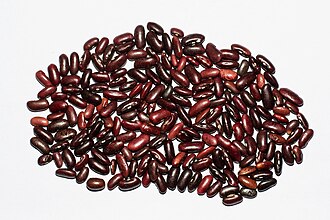
Photo: Wikipedia
Red kidney beans are robust, kidney-shaped legumes with a deep, earthy flavor and a creamy, slightly mealy texture when cooked. They are a nutritional powerhouse, offering a substantial 8.67g of protein and an impressive 7.4g of fiber per 100g, all for just 127 calories. Their bold color and hearty bite make them a staple in hearty stews and spicy dishes worldwide.
Calorie split: 27% protein · 70% carbs · 3% fat
↓ Full nutrition💚 Why it's loved
People love kidney beans for their ability to absorb complex flavors while maintaining a satisfying, toothsome texture. They are the cultural backbone of iconic dishes like chili con carne and rajma, symbolizing comfort and sustenance across many cuisines.
⚠️ Watch-outs & how to enjoy it better
Undercooked kidney beans contain phytohaemagglutinin, a lectin that can cause severe digestive upset. To counteract this, always soak dried beans for at least 5 hours, discard the soaking water, and boil vigorously for at least 10 minutes before simmering. Canned beans are pre-cooked and safe. Their high fiber content can also cause gas; start with small portions and increase gradually.
Key benefits
- Excellent source of plant-based protein for muscle maintenance.
- High in soluble fiber, which supports digestive health and satiety.
- Rich in iron, folate, and antioxidants like anthocyanins.
- Low in fat and contains no cholesterol.
- Helps regulate blood sugar levels due to low glycemic index.
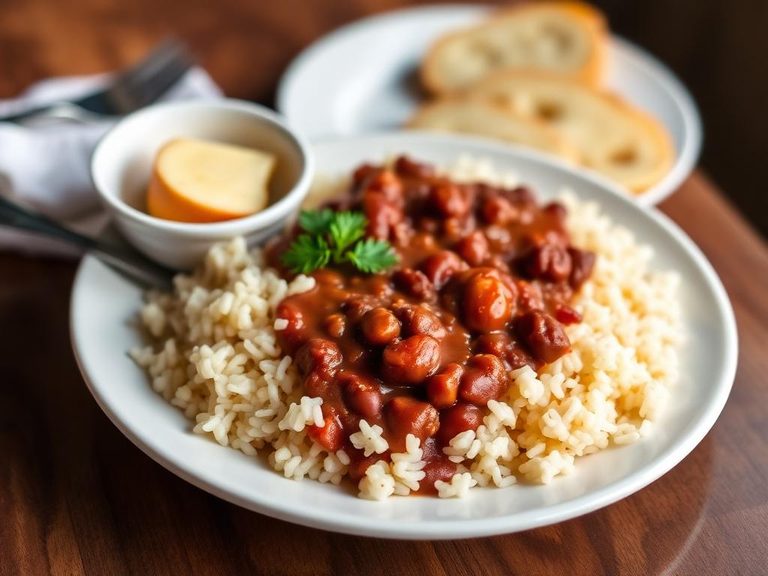
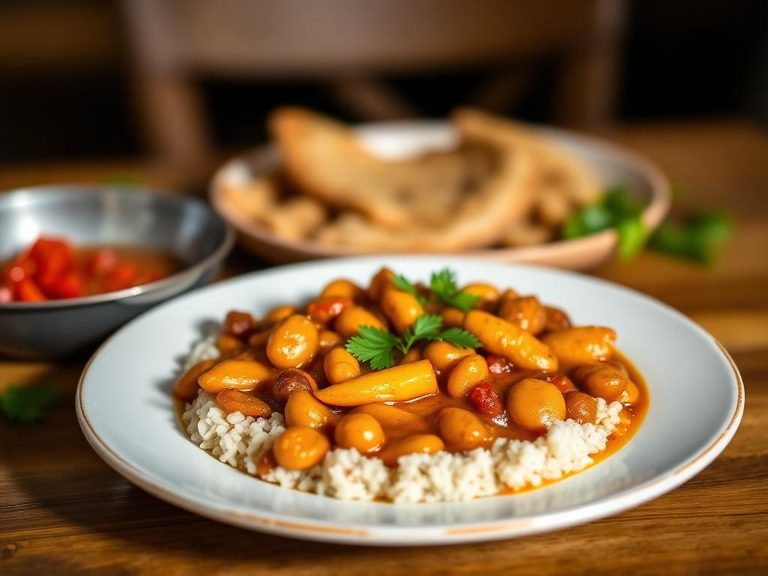
🍽️ Popular dishes
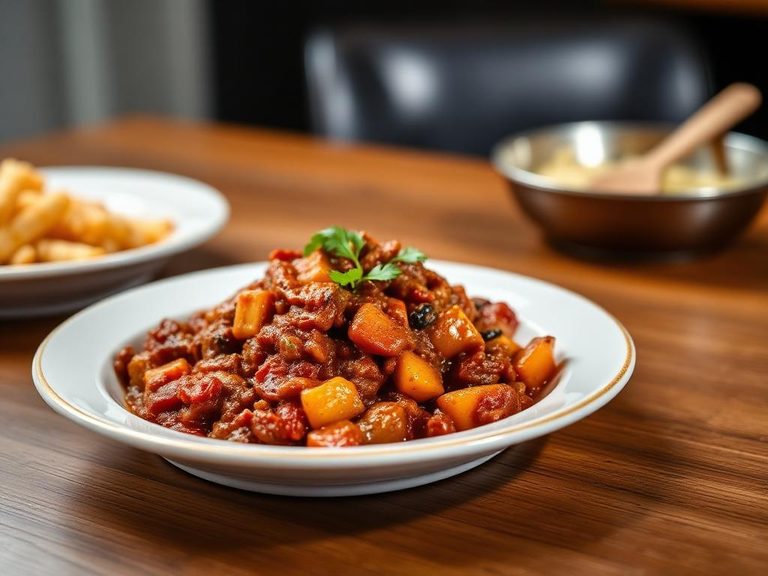
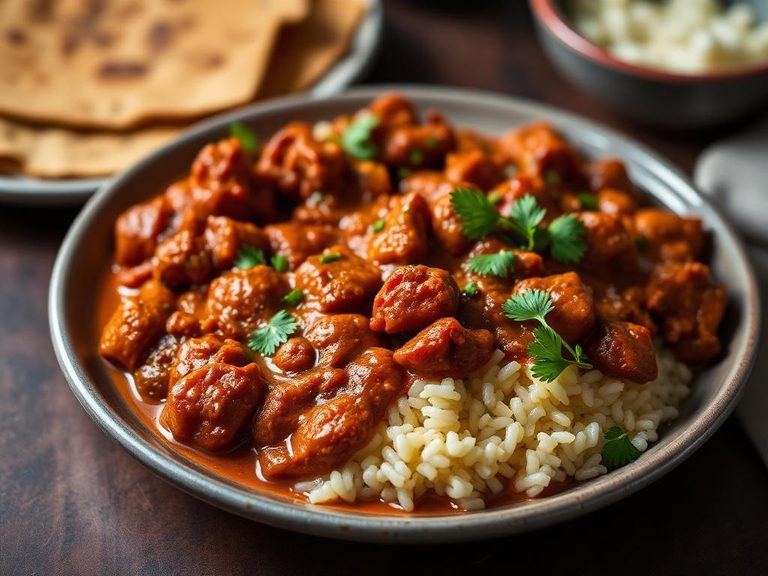
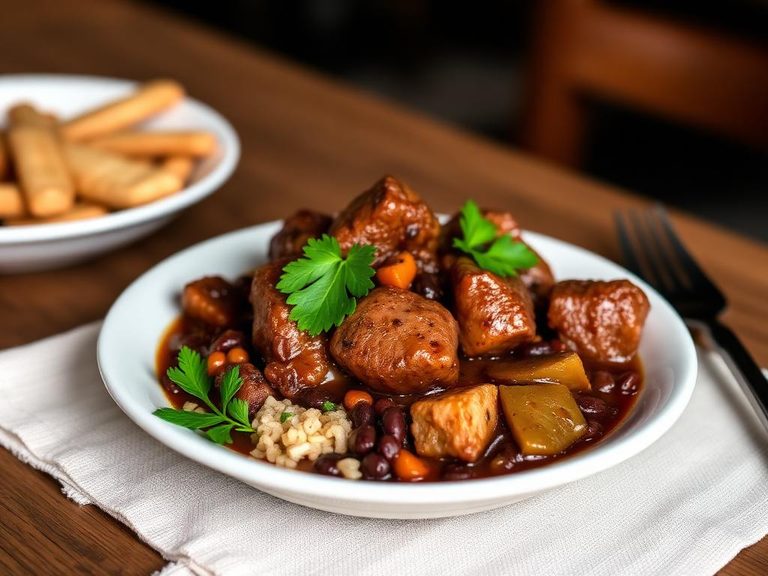
🌍 Where it's eaten
💡 Did you know?
The 'kidney' in kidney bean refers not just to the shape, but also to the traditional belief that the bean could help treat kidney ailments, a concept from the Doctrine of Signatures.
Full nutrition (USDA data · scales with serving)
| Water | 66.9 g |
| Energy | 127 kcal |
| Energy | 532 kj |
| Protein | 8.7 g |
| Total lipid (fat) | 0.50 g |
| Ash | 1.1 g |
| Carbohydrate, by difference | 22.8 g |
| Fiber, total dietary | 7.4 g |
| Total Sugars | 0.32 g |
| Calcium, Ca | 28.0 mg |
| Iron, Fe | 2.9 mg |
| Magnesium, Mg | 45.0 mg |
| Phosphorus, P | 142 mg |
| Potassium, K | 403 mg |
| Sodium, Na | 2.0 mg |
| Zinc, Zn | 1.1 mg |
| Copper, Cu | 0.24 mg |
| Manganese, Mn | 0.48 mg |
| Selenium, Se | 1.2 ug |
| Vitamin C, total ascorbic acid | 1.2 mg |
| Thiamin | 0.16 mg |
| Riboflavin | 0.06 mg |
| Niacin | 0.58 mg |
| Pantothenic acid | 0.22 mg |
| Vitamin B-6 | 0.12 mg |
| Folate, total | 130 ug |
| Folic acid | 0.00 ug |
| Folate, food | 130 ug |
| Folate, DFE | 130 ug |
| Choline, total | 30.5 mg |
| Vitamin B-12 | 0.00 ug |
| Vitamin B-12, added | 0.00 ug |
| Vitamin A, RAE | 0.00 ug |
| Retinol | 0.00 ug |
| Carotene, beta | 0.00 ug |
| Carotene, alpha | 0.00 ug |
| Cryptoxanthin, beta | 0.00 ug |
| Vitamin A, IU | 0.00 iu |
| Lycopene | 0.00 ug |
| Lutein + zeaxanthin | 0.00 ug |
| Vitamin E (alpha-tocopherol) | 0.03 mg |
| Vitamin E, added | 0.00 mg |
| Vitamin D (D2 + D3), International Units | 0.00 iu |
| Vitamin D (D2 + D3) | 0.00 ug |
| Vitamin K (phylloquinone) | 8.4 ug |
| Alcohol, ethyl | 0.00 g |
| Caffeine | 0.00 mg |
| Theobromine | 0.00 mg |
Fat & fatty acid profile (per 100g)
| Fatty acids, total saturated | 0.07 g |
| SFA 4:0 | 0.00 g |
| SFA 6:0 | 0.00 g |
| SFA 8:0 | 0.00 g |
| SFA 10:0 | 0.00 g |
| SFA 12:0 | 0.00 g |
| SFA 14:0 | 0.00 g |
| SFA 16:0 | 0.06 g |
| SFA 18:0 | 0.01 g |
| Fatty acids, total monounsaturated | 0.04 g |
| MUFA 16:1 | 0.00 g |
| MUFA 18:1 | 0.04 g |
| MUFA 20:1 | 0.00 g |
| MUFA 22:1 | 0.00 g |
| Fatty acids, total polyunsaturated | 0.28 g |
| PUFA 18:2 | 0.11 g |
| PUFA 18:3 | 0.17 g |
| PUFA 18:4 | 0.00 g |
| PUFA 20:4 | 0.00 g |
| PUFA 20:5 n-3 (EPA) | 0.00 g |
| PUFA 22:5 n-3 (DPA) | 0.00 g |
| PUFA 22:6 n-3 (DHA) | 0.00 g |
| Fatty acids, total trans | 0.00 g |
| Cholesterol | 0.00 mg |
Amino acid profile (per 100g)
| Tryptophan | 0.10 g |
| Threonine | 0.36 g |
| Isoleucine | 0.38 g |
| Leucine | 0.69 g |
| Lysine | 0.59 g |
| Methionine | 0.13 g |
| Cystine | 0.09 g |
| Phenylalanine | 0.47 g |
| Tyrosine | 0.24 g |
| Valine | 0.45 g |
| Arginine | 0.54 g |
| Histidine | 0.24 g |
| Alanine | 0.36 g |
| Aspartic acid | 1.0 g |
| Glutamic acid | 1.3 g |
| Glycine | 0.34 g |
| Proline | 0.37 g |
| Serine | 0.47 g |
FAQ
Are canned kidney beans as nutritious as dried?
Yes, canned kidney beans retain most of their protein, fiber, and minerals. They are pre-cooked, which neutralizes the harmful lectin, making them a convenient and safe option. Rinse them to reduce sodium by about 40%.
Why do my beans sometimes stay hard after cooking?
Hard water, high acidity (from tomatoes or vinegar), or old beans can prevent softening. Use soft water, add acidic ingredients after the beans are tender, and ensure your beans are fresh (typically within 1-2 years of harvest).
How can I reduce the gas caused by beans?
Soak dried beans for 8-12 hours, changing the water several times. Discard the soak water and cook in fresh water. Start with small portions (1/4 cup) and gradually increase. The enzyme Beano can also help break down the complex sugars.
Nutrient density (calculated · NRF9.3)
Nutrient Rich Foods index: beneficial nutrients (protein, fiber, vitamins, minerals) minus saturated fat, added sugar & sodium, per 100 kcal.
NRF9.3 index — Fulgoni, Keast & Drewnowski, 2009. Computed from USDA nutrients.
Weight-loss friendliness (composite index)
Energy density 1.27 kcal/g · 27% calories from protein · 7.4 g fiber · 0.3 g sugar per 100 g.
Composite of energy density (Rolls et al., 1999), protein & fiber satiety, minus sugar. A calculated heuristic — ranks satiety-per-calorie, not a clinical measure.
Dietary load (calculated from USDA values)
Potential renal acid load. Positive = acid-forming, negative = alkaline-forming.
Sodium-to-potassium ratio: 0.00 (lower is better — aim for ≤ 1)
Sodium:potassium per WHO potassium guidance. Computed from USDA nutrients.