

Beans, great northern, mature seeds, canned
Whole food · Legumes and Legume Products

Photo: Wikipedia
Great Northern beans are small, oval-shaped white beans with a delicate, slightly nutty flavor and a creamy, tender texture when cooked. They are a nutritional powerhouse, offering a substantial 7.37g of protein and an impressive 4.9g of dietary fiber per 100g serving, all for just 114 calories. Their mild taste makes them a perfect canvas for absorbing rich broths, herbs, and spices.
Calorie split: 25% protein · 72% carbs · 3% fat
↓ Full nutrition💚 Why it's loved
People love them for their incredibly versatile, mild flavor that seamlessly blends into soups, stews, and salads without overpowering other ingredients. They are a beloved staple in comfort food, prized for their ability to create a thick, hearty consistency and provide satisfying, protein-rich sustenance.
⚠️ Watch-outs & how to enjoy it better
Canned varieties can be high in sodium, which is a concern for those monitoring blood pressure. They contain oligosaccharides, which can cause gas and bloating in some individuals. To counteract, rinse canned beans thoroughly under water to reduce sodium by up to 40%, and introduce them into your diet gradually to allow your digestive system to adjust.
Key benefits
- Excellent source of plant-based protein.
- High in dietary fiber for digestive health.
- Very low in fat (0.39g per 100g).
- Good source of complex carbohydrates for sustained energy.
- Naturally low in sugar.
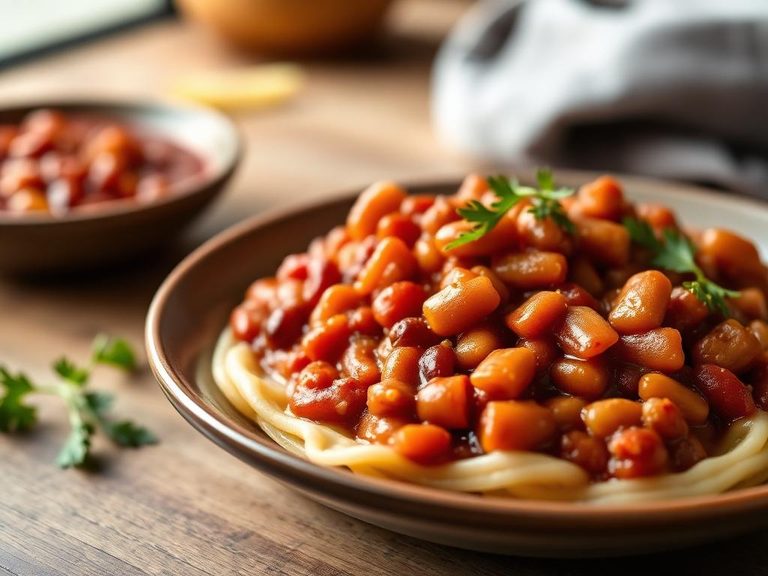
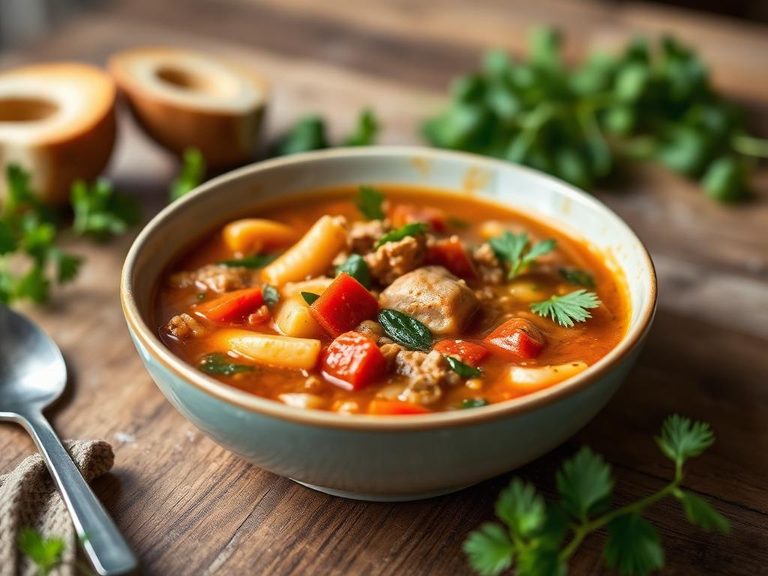
🍽️ Popular dishes
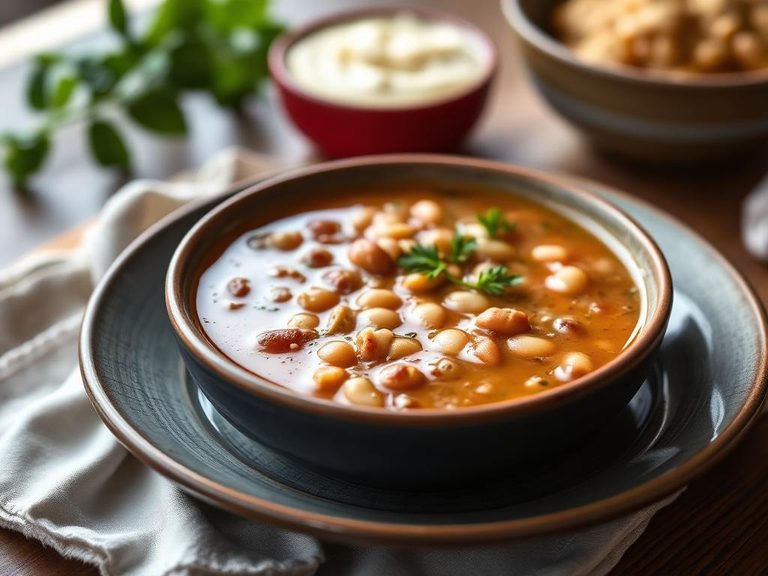
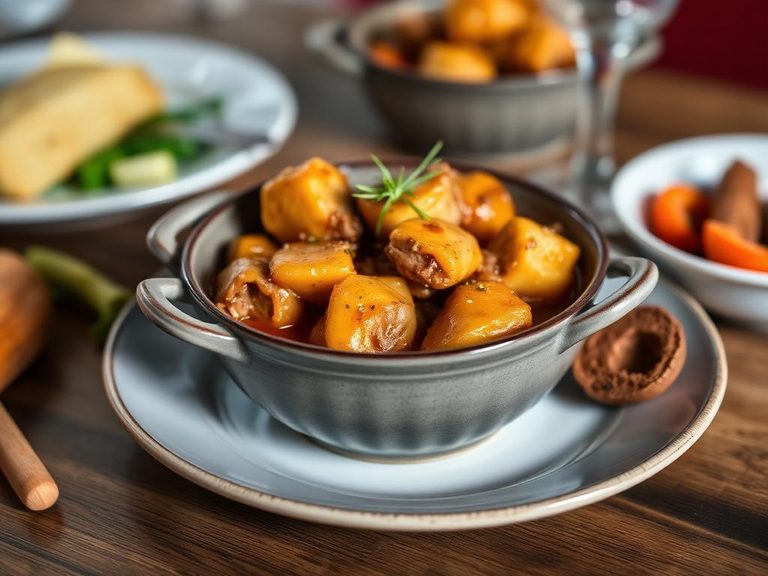
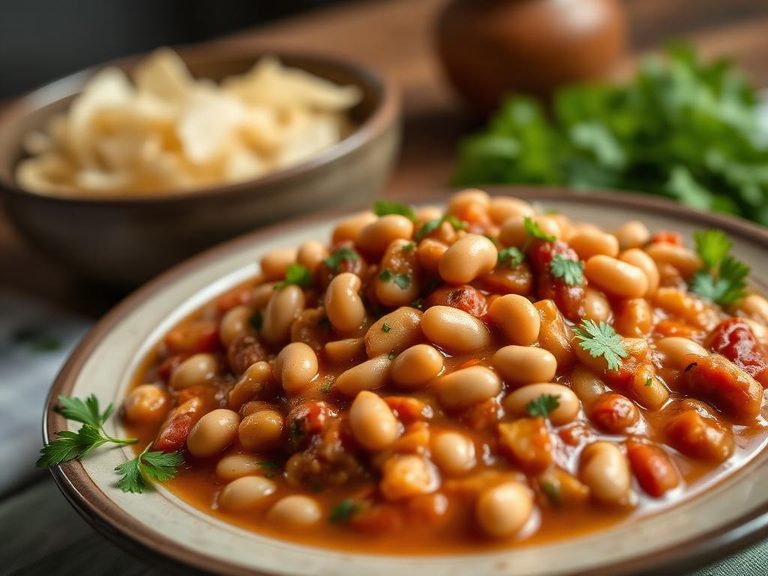
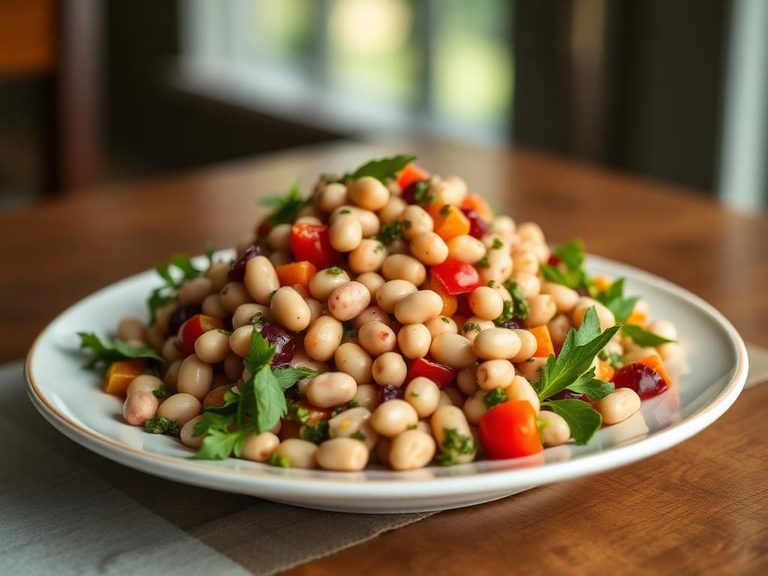
🌍 Where it's eaten
💡 Did you know?
Great Northern beans are a type of 'navy bean,' so named because they were a staple food for sailors in the U.S. Navy for over a century due to their high protein content and long storage life.
Full nutrition (USDA data · scales with serving)
| Water | 69.9 g |
| Energy | 114 kcal |
| Energy | 479 kj |
| Protein | 7.4 g |
| Total lipid (fat) | 0.39 g |
| Ash | 1.3 g |
| Carbohydrate, by difference | 21.0 g |
| Fiber, total dietary | 4.9 g |
| Total Sugars | 1.4 g |
| Calcium, Ca | 53.0 mg |
| Iron, Fe | 1.6 mg |
| Magnesium, Mg | 51.0 mg |
| Phosphorus, P | 136 mg |
| Potassium, K | 351 mg |
| Sodium, Na | 370 mg |
| Zinc, Zn | 0.65 mg |
| Copper, Cu | 0.16 mg |
| Manganese, Mn | 0.41 mg |
| Selenium, Se | 4.1 ug |
| Vitamin C, total ascorbic acid | 1.3 mg |
| Thiamin | 0.14 mg |
| Riboflavin | 0.06 mg |
| Niacin | 0.46 mg |
| Pantothenic acid | 0.28 mg |
| Vitamin B-6 | 0.11 mg |
| Folate, total | 81.0 ug |
| Folic acid | 0.00 ug |
| Folate, food | 81.0 ug |
| Folate, DFE | 81.0 ug |
| Choline, total | 29.5 mg |
| Vitamin B-12 | 0.00 ug |
| Vitamin B-12, added | 0.00 ug |
| Vitamin A, RAE | 0.00 ug |
| Retinol | 0.00 ug |
| Carotene, beta | 0.00 ug |
| Carotene, alpha | 0.00 ug |
| Cryptoxanthin, beta | 0.00 ug |
| Vitamin A, IU | 1.0 iu |
| Lycopene | 0.00 ug |
| Lutein + zeaxanthin | 0.00 ug |
| Vitamin E (alpha-tocopherol) | 0.79 mg |
| Vitamin E, added | 0.00 mg |
| Vitamin D (D2 + D3), International Units | 0.00 iu |
| Vitamin D (D2 + D3) | 0.00 ug |
| Vitamin K (phylloquinone) | 3.0 ug |
| Alcohol, ethyl | 0.00 g |
| Caffeine | 0.00 mg |
| Theobromine | 0.00 mg |
Fat & fatty acid profile (per 100g)
| Fatty acids, total saturated | 0.12 g |
| SFA 4:0 | 0.00 g |
| SFA 6:0 | 0.00 g |
| SFA 8:0 | 0.00 g |
| SFA 10:0 | 0.00 g |
| SFA 12:0 | 0.00 g |
| SFA 14:0 | 0.00 g |
| SFA 16:0 | 0.11 g |
| SFA 18:0 | 0.01 g |
| Fatty acids, total monounsaturated | 0.02 g |
| MUFA 16:1 | 0.00 g |
| MUFA 18:1 | 0.02 g |
| MUFA 20:1 | 0.00 g |
| MUFA 22:1 | 0.00 g |
| Fatty acids, total polyunsaturated | 0.16 g |
| PUFA 18:2 | 0.09 g |
| PUFA 18:3 | 0.07 g |
| PUFA 18:4 | 0.00 g |
| PUFA 20:4 | 0.00 g |
| PUFA 20:5 n-3 (EPA) | 0.00 g |
| PUFA 22:5 n-3 (DPA) | 0.00 g |
| PUFA 22:6 n-3 (DHA) | 0.00 g |
| Fatty acids, total trans | 0.00 g |
| Cholesterol | 0.00 mg |
Amino acid profile (per 100g)
| Tryptophan | 0.09 g |
| Threonine | 0.27 g |
| Isoleucine | 0.35 g |
| Leucine | 0.63 g |
| Lysine | 0.52 g |
| Methionine | 0.10 g |
| Cystine | 0.07 g |
| Phenylalanine | 0.43 g |
| Tyrosine | 0.17 g |
| Valine | 0.42 g |
| Arginine | 0.40 g |
| Histidine | 0.20 g |
| Alanine | 0.34 g |
| Aspartic acid | 0.92 g |
| Glutamic acid | 1.2 g |
| Glycine | 0.30 g |
| Proline | 0.42 g |
| Serine | 0.46 g |
FAQ
What's the difference between Great Northern beans and Cannellini beans?
Great Northern beans are smaller, oval, and have a more delicate flavor. Cannellini beans are larger, kidney-shaped, and have a denser, meatier texture and nuttier taste. They are often used interchangeably in recipes.
Are canned beans as nutritious as dried beans?
Yes, the core nutrients like protein, fiber, and minerals are very similar. The main difference is sodium content in the canning liquid, which can be significantly reduced by rinsing. Canned beans are also pre-cooked, saving time.
How can I reduce the gas caused by beans?
Rinsing canned beans helps. If cooking from dry, soaking them and discarding the soak water, then cooking thoroughly can break down more of the gas-causing oligosaccharides. Starting with smaller portions and drinking plenty of water also aids digestion.
Nutrient density (calculated · NRF9.3)
Nutrient Rich Foods index: beneficial nutrients (protein, fiber, vitamins, minerals) minus saturated fat, added sugar & sodium, per 100 kcal.
NRF9.3 index — Fulgoni, Keast & Drewnowski, 2009. Computed from USDA nutrients.
Weight-loss friendliness (composite index)
Energy density 1.14 kcal/g · 26% calories from protein · 4.9 g fiber · 1.4 g sugar per 100 g.
Composite of energy density (Rolls et al., 1999), protein & fiber satiety, minus sugar. A calculated heuristic — ranks satiety-per-calorie, not a clinical measure.
Dietary load (calculated from USDA values)
Potential renal acid load. Positive = acid-forming, negative = alkaline-forming.
Sodium-to-potassium ratio: 1.05 (lower is better — aim for ≤ 1)
Sodium:potassium per WHO potassium guidance. Computed from USDA nutrients.