

Alcoholic beverage, wine, dessert, dry
Whole food · Beverages

Photo: Wikipedia
A dry dessert wine is a sophisticated, often amber or golden-hued wine with a crisp, acidic backbone that balances a subtle, lingering sweetness. Despite its name, it is not sugary; instead, it offers concentrated flavors of honey, nuts, dried fruit, and sometimes a hint of caramel or spice. Nutritionally, it provides a modest energy boost from carbohydrates, primarily in the form of residual sugar and alcohol.
Calorie split: 2% protein · 98% carbs · 0% fat
↓ Full nutrition💚 Why it's loved
People love dry dessert wine for its elegant balance of acidity and subtle sweetness, which makes it a versatile companion to a wide range of desserts and cheeses. Its complex flavor profile, often featuring notes of nuts, honey, and dried fruit, offers a sophisticated alternative to sweeter after-dinner drinks.
⚠️ Watch-outs & how to enjoy it better
The alcohol content and residual sugar can contribute to blood-sugar spikes, making it less suitable for individuals with diabetes or those monitoring their sugar intake. To mitigate this, pair it with high-protein or high-fat foods like cheese or nuts to slow sugar absorption, and practice strict portion control.
Key benefits
- Provides quick energy from carbohydrates
- Contains antioxidants like polyphenols from grapes
- May support social bonding and relaxation in moderation
- Often lower in sugar than many other dessert wines
- Pairs well with cheese to enhance flavor complexity
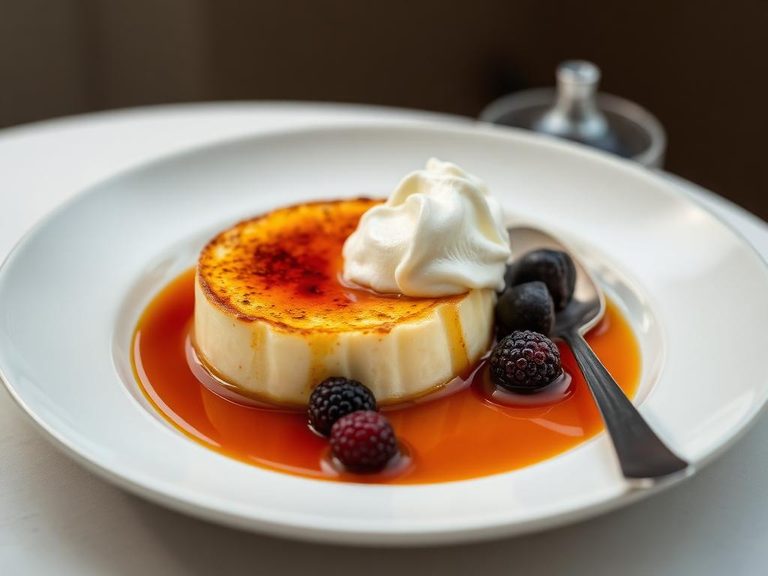
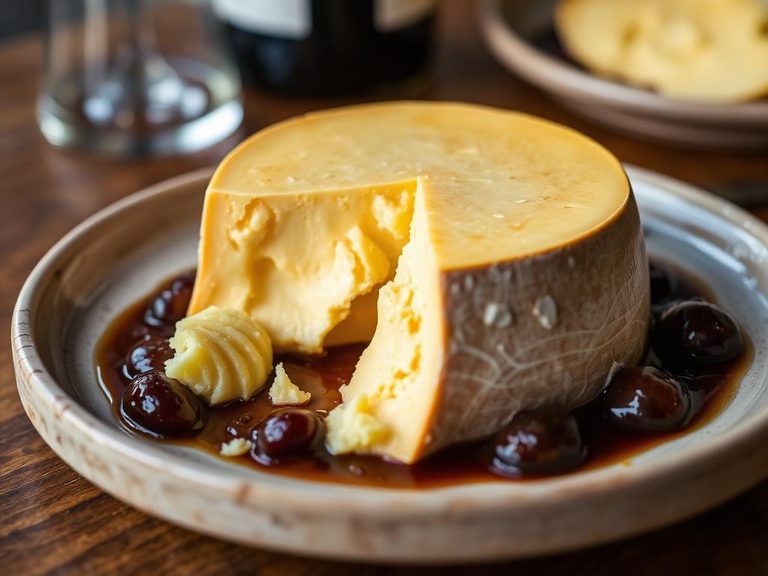
🍽️ Popular dishes
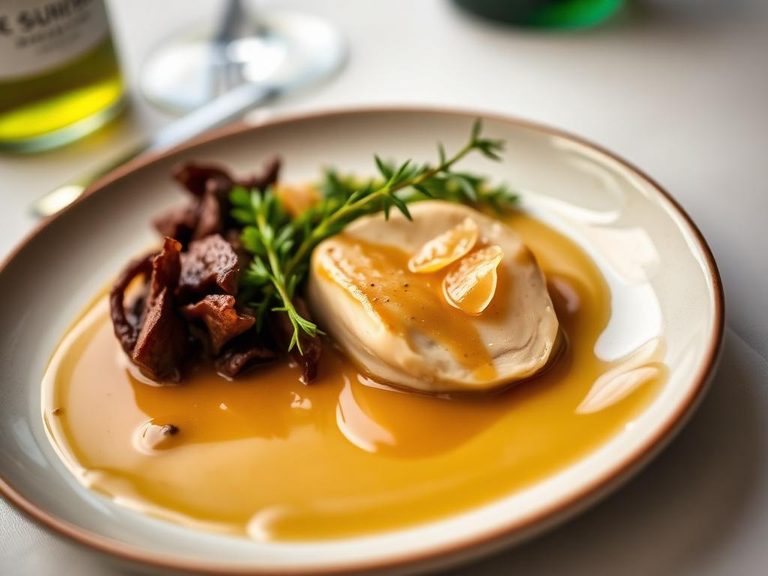
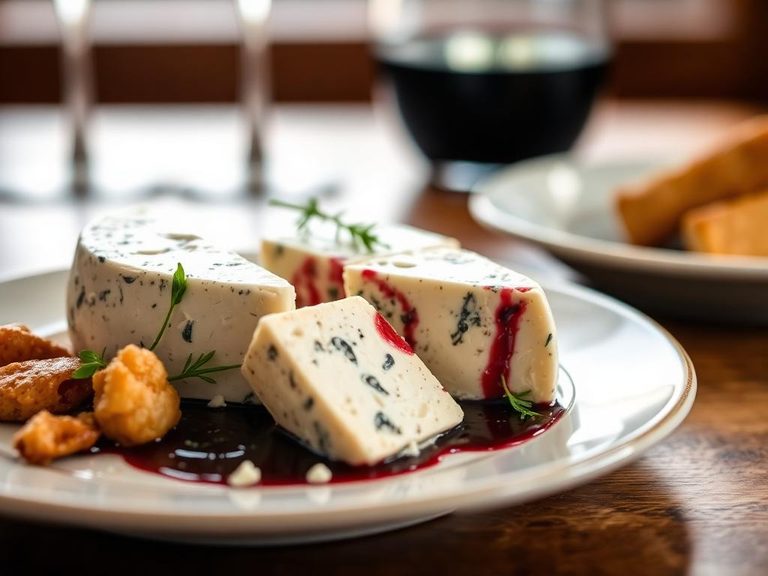
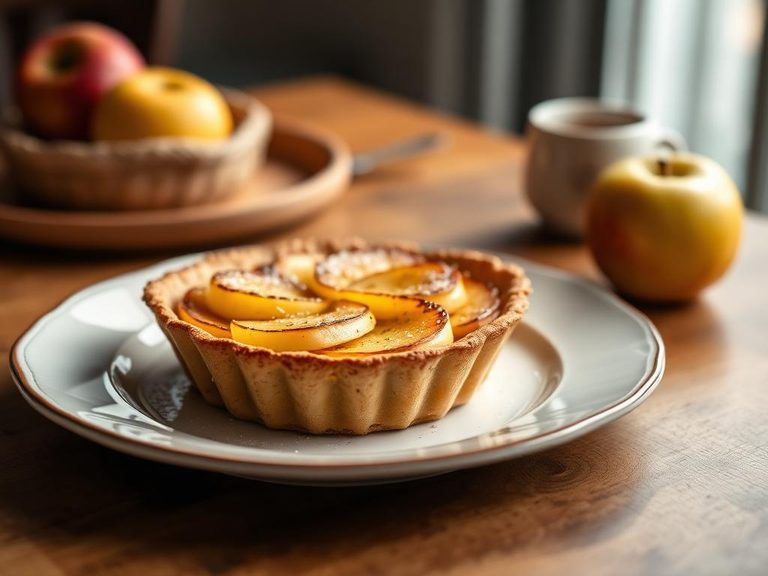
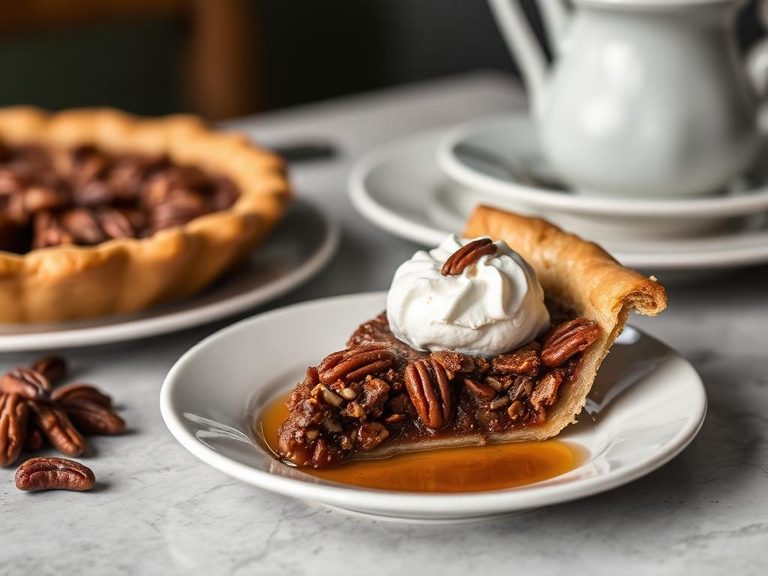
🌍 Where it's eaten
💡 Did you know?
The 'noble rot' fungus (Botrytis cinerea) is deliberately cultivated on grapes for many famous dry dessert wines like Sauternes, as it concentrates sugars and adds unique honeyed flavors.
Full nutrition (USDA data · scales with serving)
| Water | 72.5 g |
| Energy | 152 kcal |
| Energy | 638 kj |
| Protein | 0.20 g |
| Total lipid (fat) | 0.00 g |
| Ash | 0.30 g |
| Carbohydrate, by difference | 11.7 g |
| Fiber, total dietary | 0.00 g |
| Total Sugars | 1.1 g |
| Sucrose | 0.00 g |
| Glucose | 0.58 g |
| Fructose | 0.47 g |
| Maltose | 0.10 g |
| Calcium, Ca | 8.0 mg |
| Iron, Fe | 0.24 mg |
| Magnesium, Mg | 9.0 mg |
| Phosphorus, P | 9.0 mg |
| Potassium, K | 92.0 mg |
| Sodium, Na | 9.0 mg |
| Zinc, Zn | 0.07 mg |
| Copper, Cu | 0.04 mg |
| Manganese, Mn | 0.12 mg |
| Selenium, Se | 0.50 ug |
| Vitamin C, total ascorbic acid | 0.00 mg |
| Thiamin | 0.02 mg |
| Riboflavin | 0.02 mg |
| Niacin | 0.21 mg |
| Pantothenic acid | 0.03 mg |
| Vitamin B-6 | 0.00 mg |
| Folate, total | 0.00 ug |
| Folic acid | 0.00 ug |
| Folate, food | 0.00 ug |
| Folate, DFE | 0.00 ug |
| Vitamin B-12 | 0.00 ug |
| Vitamin B-12, added | 0.00 ug |
| Vitamin A, RAE | 0.00 ug |
| Retinol | 0.00 ug |
| Carotene, beta | 0.00 ug |
| Carotene, alpha | 0.00 ug |
| Cryptoxanthin, beta | 0.00 ug |
| Vitamin A, IU | 0.00 iu |
| Lycopene | 0.00 ug |
| Lutein + zeaxanthin | 0.00 ug |
| Vitamin E (alpha-tocopherol) | 0.00 mg |
| Vitamin E, added | 0.00 mg |
| Vitamin K (phylloquinone) | 0.00 ug |
| Alcohol, ethyl | 15.3 g |
| Caffeine | 0.00 mg |
| Theobromine | 0.00 mg |
Fat & fatty acid profile (per 100g)
| Fatty acids, total saturated | 0.00 g |
| SFA 4:0 | 0.00 g |
| SFA 6:0 | 0.00 g |
| SFA 8:0 | 0.00 g |
| SFA 10:0 | 0.00 g |
| SFA 12:0 | 0.00 g |
| SFA 14:0 | 0.00 g |
| SFA 16:0 | 0.00 g |
| SFA 18:0 | 0.00 g |
| Fatty acids, total monounsaturated | 0.00 g |
| MUFA 16:1 | 0.00 g |
| MUFA 18:1 | 0.00 g |
| MUFA 20:1 | 0.00 g |
| MUFA 22:1 | 0.00 g |
| Fatty acids, total polyunsaturated | 0.00 g |
| PUFA 18:2 | 0.00 g |
| PUFA 18:3 | 0.00 g |
| PUFA 18:4 | 0.00 g |
| PUFA 20:4 | 0.00 g |
| PUFA 20:5 n-3 (EPA) | 0.00 g |
| PUFA 22:5 n-3 (DPA) | 0.00 g |
| PUFA 22:6 n-3 (DHA) | 0.00 g |
| Fatty acids, total trans | 0.00 g |
| Cholesterol | 0.00 mg |
Amino acid profile (per 100g)
Estimated from Alcoholic beverage, distilled, vodka, 80 proof — USDA does not publish this profile for Alcoholic beverage.
| Tryptophan | 0.00 g |
| Threonine | 0.00 g |
| Isoleucine | 0.00 g |
| Leucine | 0.00 g |
| Lysine | 0.00 g |
| Methionine | 0.00 g |
| Cystine | 0.00 g |
| Phenylalanine | 0.00 g |
| Tyrosine | 0.00 g |
| Valine | 0.00 g |
| Arginine | 0.00 g |
| Histidine | 0.00 g |
| Alanine | 0.00 g |
| Aspartic acid | 0.00 g |
| Glutamic acid | 0.00 g |
| Glycine | 0.00 g |
| Proline | 0.00 g |
| Serine | 0.00 g |
FAQ
What's the difference between a dry and a sweet dessert wine?
A dry dessert wine has a crisp, acidic finish with minimal residual sugar, while a sweet dessert wine is noticeably sugary and often richer in texture.
Can I cook with dry dessert wine?
Yes, it's excellent for deglazing pans, making sauces for poultry or pork, and adding depth to savory dishes like risottos or seafood stews.
How should I serve dry dessert wine?
Serve it chilled (around 45-55°F or 7-13°C) in a small wine glass to concentrate its aromas. It pairs beautifully with cheese boards, fruit tarts, or nutty desserts.
Nutrient density (calculated · NRF9.3)
Nutrient Rich Foods index: beneficial nutrients (protein, fiber, vitamins, minerals) minus saturated fat, added sugar & sodium, per 100 kcal.
NRF9.3 index — Fulgoni, Keast & Drewnowski, 2009. Computed from USDA nutrients.
Weight-loss friendliness (composite index)
Energy density 1.52 kcal/g · 1% calories from protein · 0.0 g fiber · 1.1 g sugar per 100 g.
Composite of energy density (Rolls et al., 1999), protein & fiber satiety, minus sugar. A calculated heuristic — ranks satiety-per-calorie, not a clinical measure.
Dietary load (calculated from USDA values)
Potential renal acid load. Positive = acid-forming, negative = alkaline-forming.
Sodium-to-potassium ratio: 0.10 (lower is better — aim for ≤ 1)
Sodium:potassium per WHO potassium guidance. Computed from USDA nutrients.