

Alcoholic beverage, distilled, all (gin, rum, vodka, whiskey) 80 proof
Whole food · Beverages
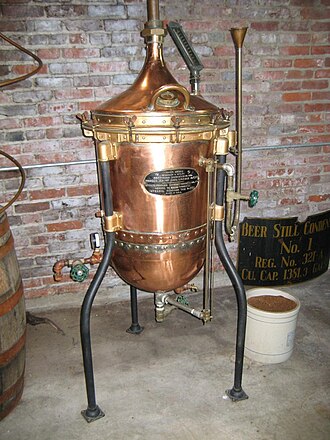
Photo: Wikipedia
This is the pure, unadulterated spirit of distilled beverages—clear, potent, and fiery, with a clean, sharp bite that can range from the botanical notes of gin to the caramel warmth of whiskey. Nutritionally, it's a source of 'empty' calories, providing a significant energy burst (231 kcal per 100g) with absolutely no protein, carbs, fat, or micronutrients to show for it.
💚 Why it's loved
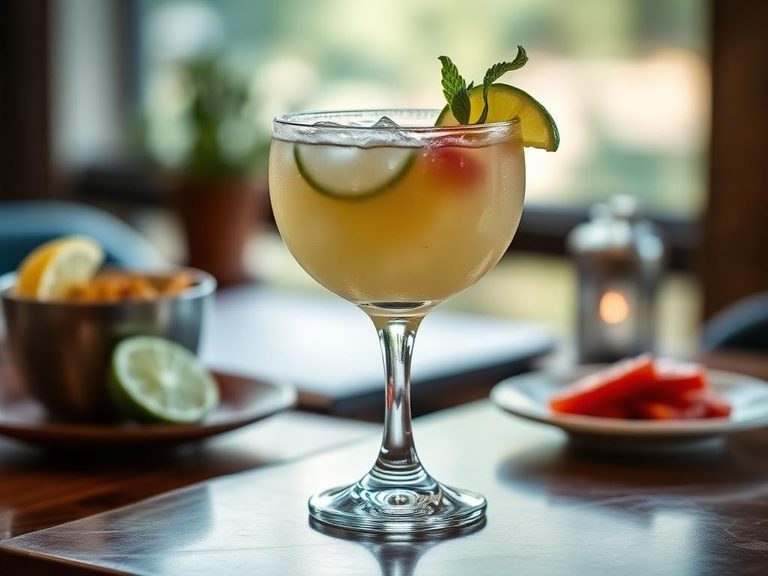
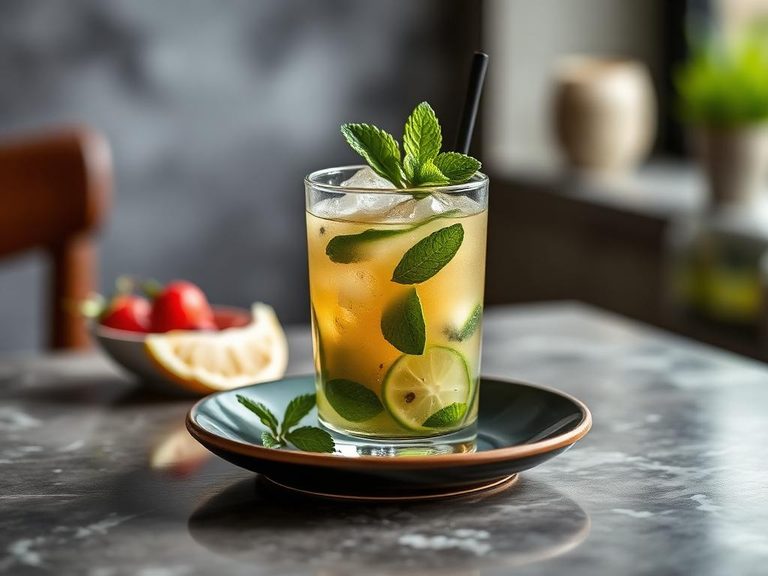
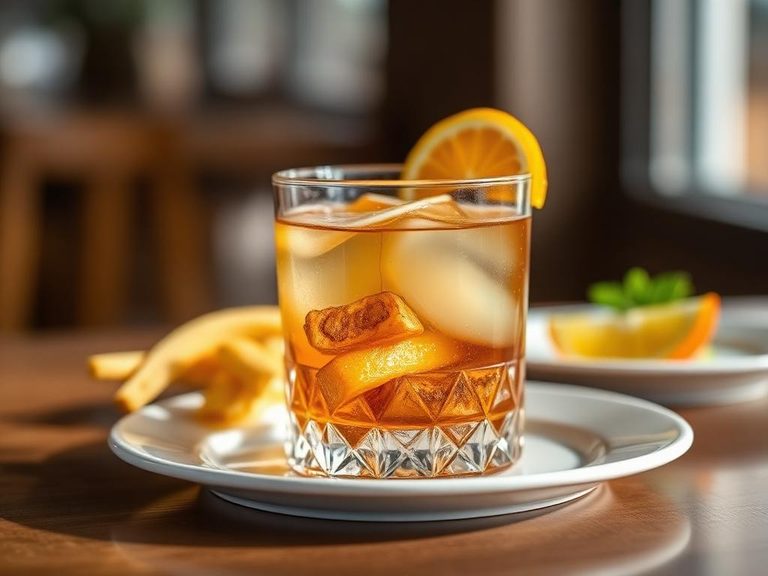
People love it for its profound versatility and cultural depth—it can be the crisp foundation of a martini, the smoky soul of an old fashioned, or the warming heart of a hot toddy. Its ability to transform simple ingredients into complex, memorable cocktails is a cornerstone of global social rituals.
⚠️ Watch-outs & how to enjoy it better
The primary downside is its high caloric density with no nutritional benefit, and its potential to cause dehydration and impair judgment. Those watching their calorie intake, managing liver health, or avoiding alcohol for medical or personal reasons should be cautious. To mitigate effects, always consume with a full glass of water alongside, eat a substantial meal beforehand to slow absorption, and practice strict portion control.
Key benefits
- Provides a concentrated source of quick energy (calories)
- Can be a social lubricant, facilitating relaxation and interaction
- Certain styles (like aged whiskey) contain trace antioxidants from the barrel
- Low in carbohydrates, making it a common choice for low-carb diets
- Can be used as a solvent in cooking to extract and carry flavors
🍽️ Popular dishes
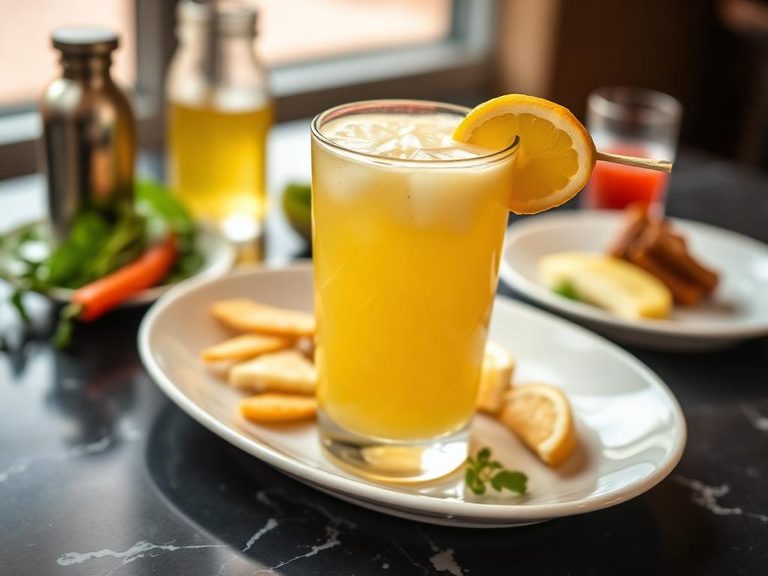
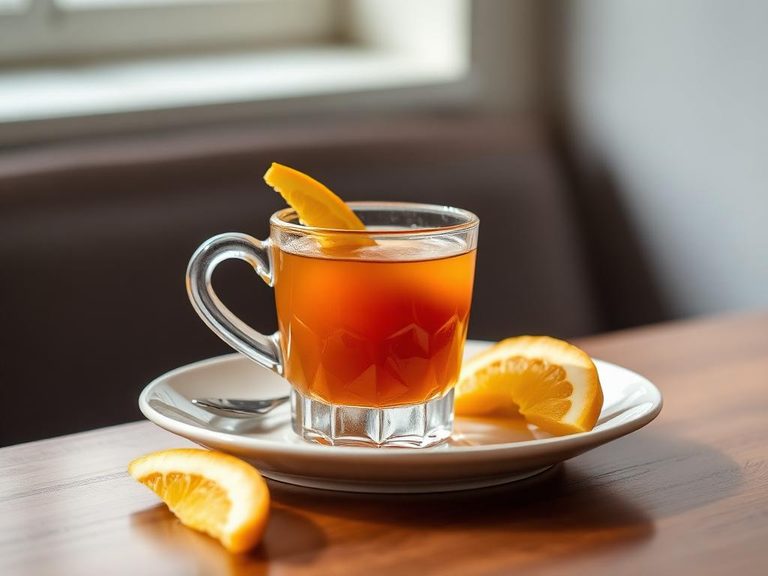
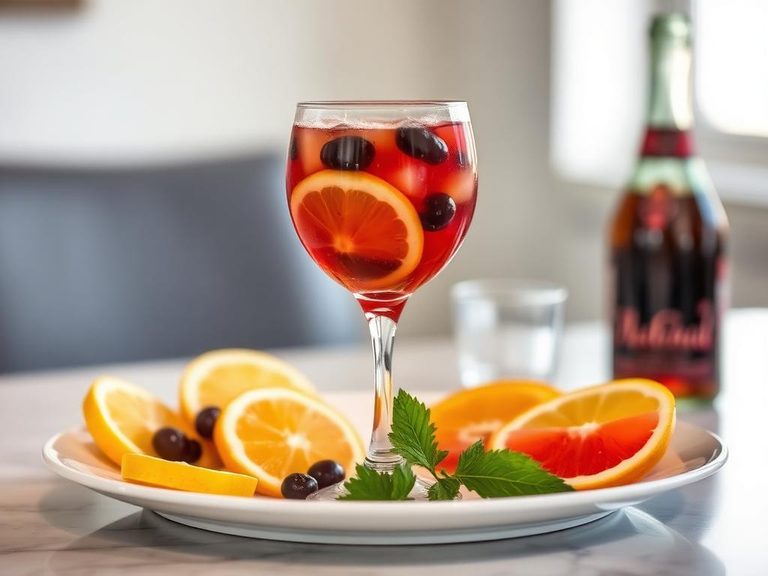
🌍 Where it's eaten
💡 Did you know?
The 'proof' system originated in 16th-century England, where sailors would test the strength of their rum ration by soaking a gunpowder pellet in it; if the gunpowder still ignited, the rum was 'above proof' (strong enough), hence 'proven'.
Full nutrition (USDA data · scales with serving)
| Water | 66.6 g |
| Energy | 231 kcal |
| Energy | 967 kj |
| Protein | 0.00 g |
| Total lipid (fat) | 0.00 g |
| Ash | 0.01 g |
| Carbohydrate, by difference | 0.00 g |
| Fiber, total dietary | 0.00 g |
| Total Sugars | 0.00 g |
| Calcium, Ca | 0.00 mg |
| Iron, Fe | 0.04 mg |
| Magnesium, Mg | 0.00 mg |
| Phosphorus, P | 4.0 mg |
| Potassium, K | 2.0 mg |
| Sodium, Na | 1.0 mg |
| Zinc, Zn | 0.04 mg |
| Copper, Cu | 0.02 mg |
| Manganese, Mn | 0.02 mg |
| Selenium, Se | 0.00 ug |
| Vitamin C, total ascorbic acid | 0.00 mg |
| Thiamin | 0.01 mg |
| Riboflavin | 0.00 mg |
| Niacin | 0.01 mg |
| Pantothenic acid | 0.00 mg |
| Vitamin B-6 | 0.00 mg |
| Folate, total | 0.00 ug |
| Folic acid | 0.00 ug |
| Folate, food | 0.00 ug |
| Folate, DFE | 0.00 ug |
| Choline, total | 0.00 mg |
| Vitamin B-12 | 0.00 ug |
| Vitamin B-12, added | 0.00 ug |
| Vitamin A, RAE | 0.00 ug |
| Retinol | 0.00 ug |
| Carotene, beta | 0.00 ug |
| Carotene, alpha | 0.00 ug |
| Cryptoxanthin, beta | 0.00 ug |
| Vitamin A, IU | 0.00 iu |
| Lycopene | 0.00 ug |
| Lutein + zeaxanthin | 0.00 ug |
| Vitamin E (alpha-tocopherol) | 0.00 mg |
| Vitamin E, added | 0.00 mg |
| Vitamin D (D2 + D3), International Units | 0.00 iu |
| Vitamin D (D2 + D3) | 0.00 ug |
| Vitamin K (phylloquinone) | 0.00 ug |
| Alcohol, ethyl | 33.4 g |
| Caffeine | 0.00 mg |
| Theobromine | 0.00 mg |
Fat & fatty acid profile (per 100g)
| Fatty acids, total saturated | 0.00 g |
| SFA 4:0 | 0.00 g |
| SFA 6:0 | 0.00 g |
| SFA 8:0 | 0.00 g |
| SFA 10:0 | 0.00 g |
| SFA 12:0 | 0.00 g |
| SFA 14:0 | 0.00 g |
| SFA 16:0 | 0.00 g |
| SFA 18:0 | 0.00 g |
| Fatty acids, total monounsaturated | 0.00 g |
| MUFA 16:1 | 0.00 g |
| MUFA 18:1 | 0.00 g |
| MUFA 20:1 | 0.00 g |
| MUFA 22:1 | 0.00 g |
| Fatty acids, total polyunsaturated | 0.00 g |
| PUFA 18:2 | 0.00 g |
| PUFA 18:3 | 0.00 g |
| PUFA 18:4 | 0.00 g |
| PUFA 20:4 | 0.00 g |
| PUFA 20:5 n-3 (EPA) | 0.00 g |
| PUFA 22:5 n-3 (DPA) | 0.00 g |
| PUFA 22:6 n-3 (DHA) | 0.00 g |
| Fatty acids, total trans | 0.00 g |
| Cholesterol | 0.00 mg |
Amino acid profile (per 100g)
| Tryptophan | 0.00 g |
| Threonine | 0.00 g |
| Isoleucine | 0.00 g |
| Leucine | 0.00 g |
| Lysine | 0.00 g |
| Methionine | 0.00 g |
| Cystine | 0.00 g |
| Phenylalanine | 0.00 g |
| Tyrosine | 0.00 g |
| Valine | 0.00 g |
| Arginine | 0.00 g |
| Histidine | 0.00 g |
| Alanine | 0.00 g |
| Aspartic acid | 0.00 g |
| Glutamic acid | 0.00 g |
| Glycine | 0.00 g |
| Proline | 0.00 g |
| Serine | 0.00 g |
FAQ
Why does it have 0g of sugar if some, like whiskey, taste sweet?
The sweet flavors in aged spirits like whiskey come from compounds extracted from the charred oak barrels (like vanillin and lactones), not from actual sugar content, which is indeed zero.
Is one type (gin, vodka, etc.) healthier than another?
Nutritionally, no. All 80-proof distilled spirits have virtually the same caloric content and zero macronutrients. The choice comes down to personal taste and mixers used.
Can I cook with this to remove the alcohol?
Cooking reduces but does not eliminate alcohol. A quick flambé or stir-fry removes a significant portion, but simmering a sauce for 30 minutes still leaves about 35% of the alcohol. For full removal, a long, slow simmer is needed.
Nutrient density (calculated · NRF9.3)
Nutrient Rich Foods index: beneficial nutrients (protein, fiber, vitamins, minerals) minus saturated fat, added sugar & sodium, per 100 kcal.
NRF9.3 index — Fulgoni, Keast & Drewnowski, 2009. Computed from USDA nutrients.
Weight-loss friendliness (composite index)
Energy density 2.31 kcal/g · 0% calories from protein · 0.0 g fiber · 0.0 g sugar per 100 g.
Composite of energy density (Rolls et al., 1999), protein & fiber satiety, minus sugar. A calculated heuristic — ranks satiety-per-calorie, not a clinical measure.
Dietary load (calculated from USDA values)
Potential renal acid load. Positive = acid-forming, negative = alkaline-forming.
Sodium-to-potassium ratio: 0.50 (lower is better — aim for ≤ 1)
Sodium:potassium per WHO potassium guidance. Computed from USDA nutrients.