

Milk, filled, fluid, with lauric acid oil
Whole food · Dairy and Egg Products
This is a specialized dairy product, essentially milk that has been enriched or 'filled' with a lauric acid-rich oil, like coconut oil, to mimic the creamy mouthfeel and fat profile of whole milk. It has a smooth, rich texture and a mild, slightly sweet dairy taste, with a nutrition profile that is leaner than whole milk but richer in specific saturated fats.
Calorie split: 21% protein · 30% carbs · 49% fat
↓ Full nutrition💚 Why it's loved
People appreciate its rich, creamy consistency that adds luxuriousness to coffee, cereals, and recipes without the heaviness of full-fat cream. Its neutral, slightly sweet flavor makes it incredibly versatile in both sweet and savory culinary applications.
⚠️ Watch-outs & how to enjoy it better
The added lauric acid oil increases the saturated fat content, which some health-conscious consumers may want to moderate. Those with dairy allergies or lactose intolerance should avoid it, and the natural milk sugars (4.74g per 100g) can contribute to blood sugar spikes if consumed in large quantities. To mitigate this, pair it with high-fiber foods or a source of protein, and be mindful of portion sizes.
Key benefits
- Provides a good source of complete protein (3.33g per 100g).
- Contains lauric acid, a medium-chain fatty acid associated with quick energy metabolism.
- Offers a creamy texture and mouthfeel similar to whole milk with a slightly lower calorie count.
- Can be a useful ingredient for creating rich, emulsified sauces and desserts.
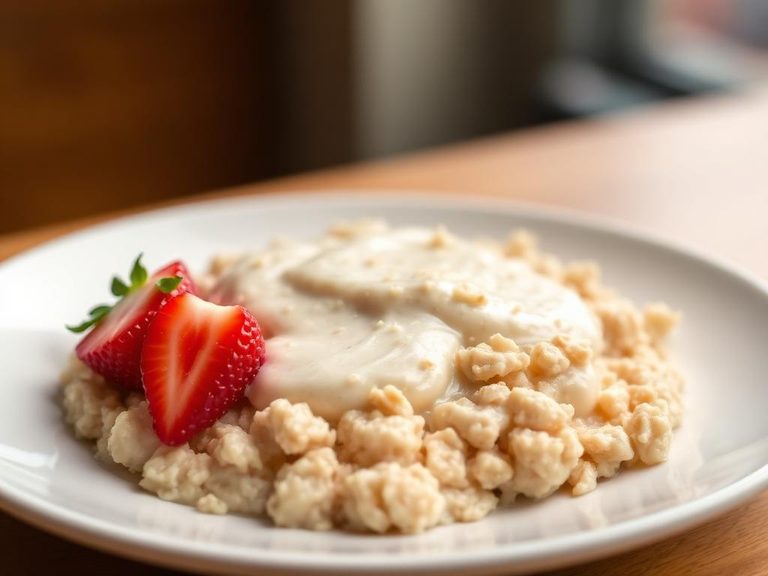
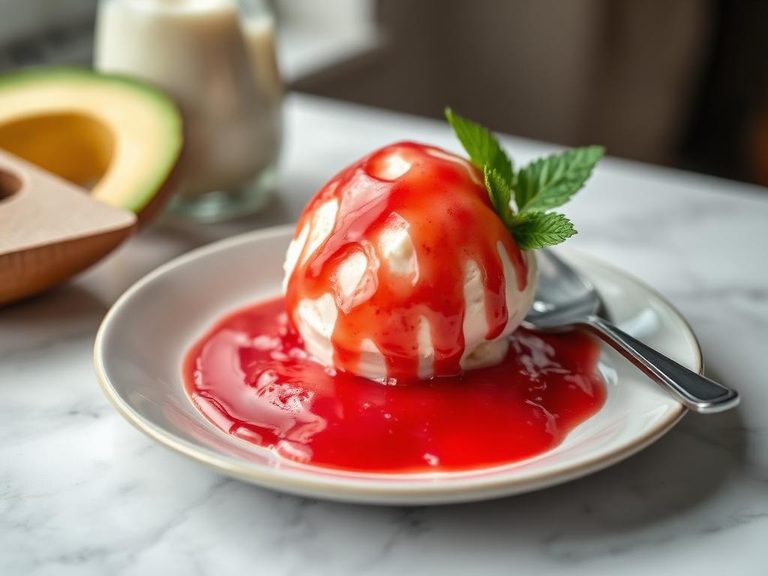
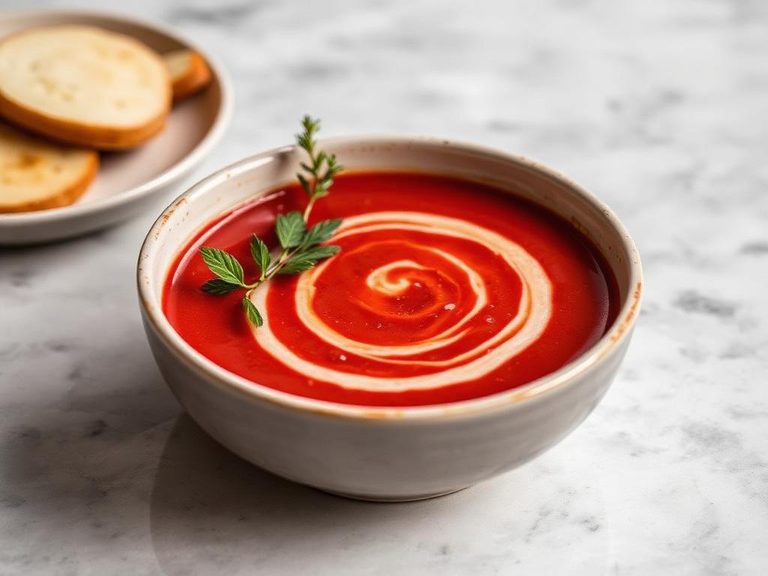
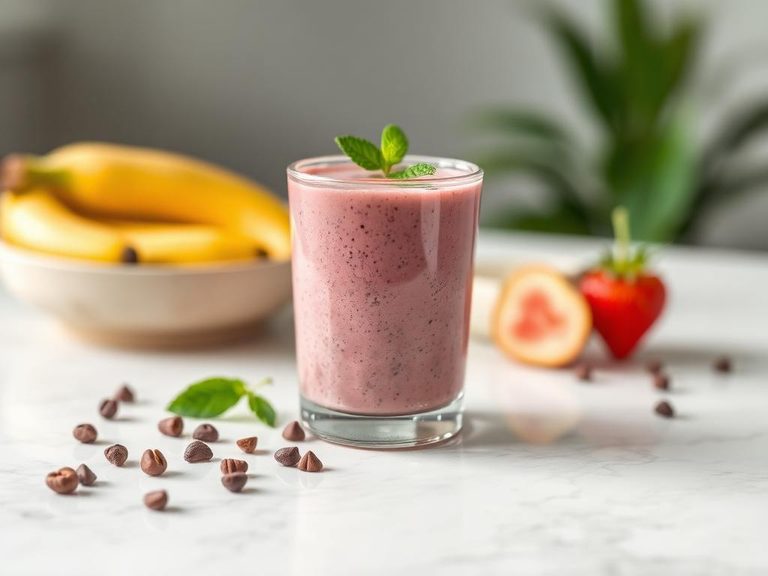
🍽️ Popular dishes


🌍 Where it's eaten
💡 Did you know?
Lauric acid, the key fat in this product, is also the predominant fatty acid found in human breast milk, where it plays a role in immune support.
Full nutrition (USDA data · scales with serving)
| Water | 87.7 g |
| Energy | 63.0 kcal |
| Energy | 262 kj |
| Protein | 3.3 g |
| Total lipid (fat) | 3.4 g |
| Ash | 0.80 g |
| Carbohydrate, by difference | 4.7 g |
| Fiber, total dietary | 0.00 g |
| Total Sugars | 4.7 g |
| Calcium, Ca | 128 mg |
| Iron, Fe | 0.05 mg |
| Magnesium, Mg | 13.0 mg |
| Phosphorus, P | 97.0 mg |
| Potassium, K | 139 mg |
| Sodium, Na | 57.0 mg |
| Zinc, Zn | 0.36 mg |
| Copper, Cu | 0.01 mg |
| Manganese, Mn | 0.00 mg |
| Selenium, Se | 2.0 ug |
| Vitamin C, total ascorbic acid | 0.90 mg |
| Thiamin | 0.03 mg |
| Riboflavin | 0.12 mg |
| Niacin | 0.09 mg |
| Pantothenic acid | 0.30 mg |
| Vitamin B-6 | 0.04 mg |
| Folate, total | 5.0 ug |
| Folic acid | 0.00 ug |
| Folate, food | 5.0 ug |
| Folate, DFE | 5.0 ug |
| Choline, total | 15.0 mg |
| Vitamin B-12 | 0.34 ug |
| Vitamin B-12, added | 0.00 ug |
| Vitamin A, RAE | 2.0 ug |
| Retinol | 2.0 ug |
| Carotene, beta | 0.00 ug |
| Carotene, alpha | 0.00 ug |
| Cryptoxanthin, beta | 0.00 ug |
| Vitamin A, IU | 7.0 iu |
| Lycopene | 0.00 ug |
| Lutein + zeaxanthin | 0.00 ug |
| Vitamin E (alpha-tocopherol) | 0.13 mg |
| Vitamin E, added | 0.00 mg |
| Vitamin D (D2 + D3), International Units | 0.00 iu |
| Vitamin D (D2 + D3) | 0.00 ug |
| Vitamin K (phylloquinone) | 0.80 ug |
| Alcohol, ethyl | 0.00 g |
| Caffeine | 0.00 mg |
| Theobromine | 0.00 mg |
Fat & fatty acid profile (per 100g)
| Fatty acids, total saturated | 3.1 g |
| SFA 4:0 | 0.00 g |
| SFA 6:0 | 0.00 g |
| SFA 8:0 | 0.17 g |
| SFA 10:0 | 0.13 g |
| SFA 12:0 | 2.0 g |
| SFA 14:0 | 0.40 g |
| SFA 16:0 | 0.19 g |
| SFA 18:0 | 0.15 g |
| Fatty acids, total monounsaturated | 0.10 g |
| MUFA 16:1 | 0.00 g |
| MUFA 18:1 | 0.10 g |
| MUFA 20:1 | 0.00 g |
| MUFA 22:1 | 0.00 g |
| Fatty acids, total polyunsaturated | 0.01 g |
| PUFA 18:2 | 0.01 g |
| PUFA 18:3 | 0.00 g |
| PUFA 18:4 | 0.00 g |
| PUFA 20:4 | 0.00 g |
| PUFA 20:5 n-3 (EPA) | 0.00 g |
| PUFA 22:5 n-3 (DPA) | 0.00 g |
| PUFA 22:6 n-3 (DHA) | 0.00 g |
| Cholesterol | 2.0 mg |
| Phytosterols | 3.0 mg |
Amino acid profile (per 100g)
| Tryptophan | 0.05 g |
| Threonine | 0.15 g |
| Isoleucine | 0.20 g |
| Leucine | 0.33 g |
| Lysine | 0.26 g |
| Methionine | 0.08 g |
| Cystine | 0.03 g |
| Phenylalanine | 0.16 g |
| Tyrosine | 0.16 g |
| Valine | 0.22 g |
| Arginine | 0.12 g |
| Histidine | 0.09 g |
| Alanine | 0.12 g |
| Aspartic acid | 0.25 g |
| Glutamic acid | 0.70 g |
| Glycine | 0.07 g |
| Proline | 0.32 g |
| Serine | 0.18 g |
FAQ
How does this differ from regular whole milk?
The primary difference is the fat source. This 'filled' milk has its milkfat partially replaced with a lauric acid-rich oil, altering the fatty acid profile while maintaining a similar creamy texture and calorie level.
Is it suitable for a vegan diet?
No. Despite the added plant-based oil, it is still a dairy product containing milk protein and lactose, making it unsuitable for vegans.
Can I use it as a 1:1 substitute for heavy cream in recipes?
It can often work in sauces or soups to add creaminess, but it has a lower fat content than heavy cream. For whipping or creating very thick, stable emulsions, it may not perform identically.
Nutrient density (calculated · NRF9.3)
Nutrient Rich Foods index: beneficial nutrients (protein, fiber, vitamins, minerals) minus saturated fat, added sugar & sodium, per 100 kcal.
NRF9.3 index — Fulgoni, Keast & Drewnowski, 2009. Computed from USDA nutrients.
Weight-loss friendliness (composite index)
Energy density 0.63 kcal/g · 21% calories from protein · 0.0 g fiber · 4.7 g sugar per 100 g.
Composite of energy density (Rolls et al., 1999), protein & fiber satiety, minus sugar. A calculated heuristic — ranks satiety-per-calorie, not a clinical measure.
Dietary load (calculated from USDA values)
Potential renal acid load. Positive = acid-forming, negative = alkaline-forming.
Sodium-to-potassium ratio: 0.41 (lower is better — aim for ≤ 1)
Sodium:potassium per WHO potassium guidance. Computed from USDA nutrients.