

Whey, sweet, dried
Whole food · Dairy and Egg Products

Photo: Wikipedia
Sweet whey powder is the finely milled, lactose-rich byproduct of cheese production, specifically from the liquid whey separated from curds. It possesses a distinctly sweet, milky flavor and a smooth, soluble texture that dissolves easily in liquids. Nutritionally, it is a dense source of carbohydrates, primarily in the form of lactose, with a modest protein content and negligible fat.
Calorie split: 14% protein · 83% carbs · 3% fat
↓ Full nutrition💚 Why it's loved
People love it for its natural sweetness and ability to enhance the texture and nutritional profile of baked goods, smoothies, and infant formulas without adding fat. Its mild, milky flavor blends seamlessly into both sweet and savory dishes, making it a staple in many food cultures.
⚠️ Watch-outs & how to enjoy it better
Its high sugar content (primarily lactose) can cause blood sugar spikes and digestive issues like bloating for those with lactose intolerance. To mitigate this, pair it with protein or healthy fats to slow sugar absorption, and use it in moderation. Those with dairy allergies should avoid it entirely.
Key benefits
- Provides a quick source of energy from carbohydrates.
- Contains whey protein, which supports muscle recovery and growth.
- Rich in minerals like calcium and phosphorus for bone health.
- A versatile ingredient for baking and food fortification.
🍽️ Popular dishes

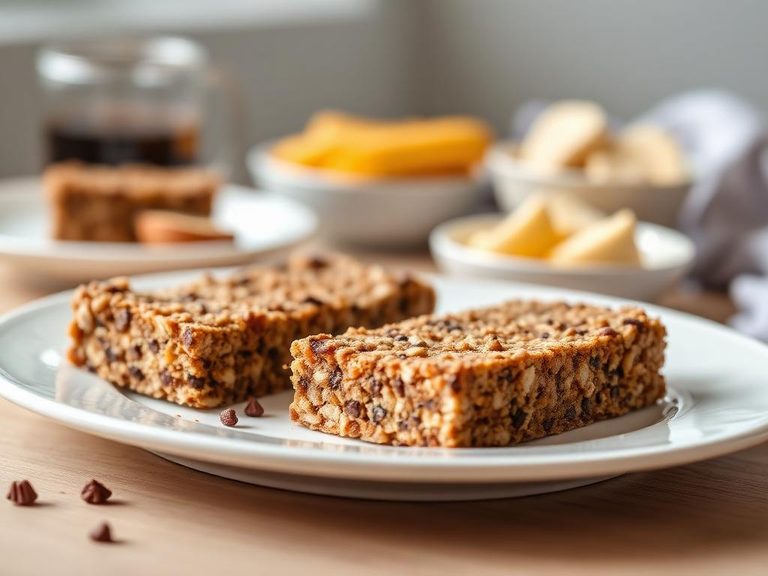

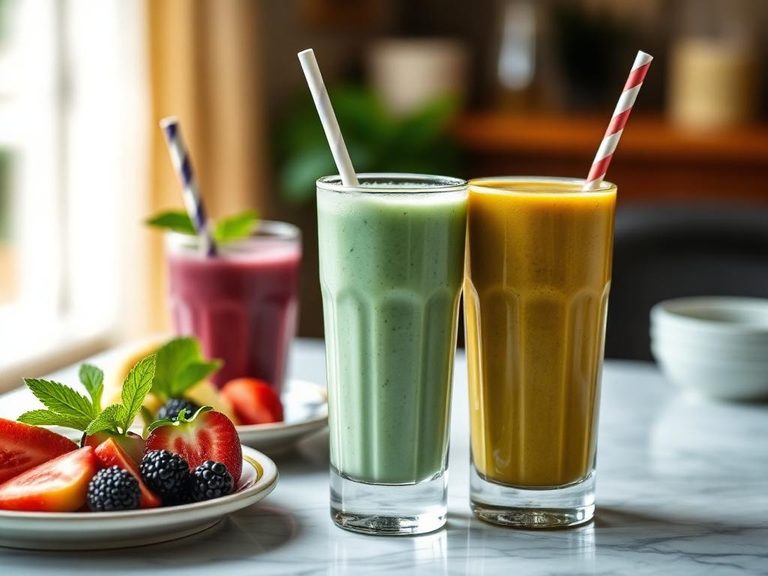

🌍 Where it's eaten
💡 Did you know?
Sweet whey powder is a major component in the production of 'Whey Protein Isolate,' a popular supplement, but it's also the key ingredient in the classic Italian dessert 'Ricotta' cheese, which is made by reheating whey.
Full nutrition (USDA data · scales with serving)
| Water | 3.2 g |
| Energy | 353 kcal |
| Energy | 1476 kj |
| Protein | 12.9 g |
| Total lipid (fat) | 1.1 g |
| Ash | 8.3 g |
| Carbohydrate, by difference | 74.5 g |
| Fiber, total dietary | 0.00 g |
| Total Sugars | 74.5 g |
| Calcium, Ca | 796 mg |
| Iron, Fe | 0.88 mg |
| Magnesium, Mg | 176 mg |
| Phosphorus, P | 932 mg |
| Potassium, K | 2080 mg |
| Sodium, Na | 1079 mg |
| Zinc, Zn | 2.0 mg |
| Copper, Cu | 0.07 mg |
| Manganese, Mn | 0.01 mg |
| Selenium, Se | 27.2 ug |
| Vitamin C, total ascorbic acid | 1.5 mg |
| Thiamin | 0.52 mg |
| Riboflavin | 2.2 mg |
| Niacin | 1.3 mg |
| Pantothenic acid | 5.6 mg |
| Vitamin B-6 | 0.58 mg |
| Folate, total | 12.0 ug |
| Folic acid | 0.00 ug |
| Folate, food | 12.0 ug |
| Folate, DFE | 12.0 ug |
| Choline, total | 225 mg |
| Vitamin B-12 | 2.4 ug |
| Vitamin B-12, added | 0.00 ug |
| Vitamin A, RAE | 8.0 ug |
| Retinol | 8.0 ug |
| Carotene, beta | 2.0 ug |
| Carotene, alpha | 0.00 ug |
| Cryptoxanthin, beta | 0.00 ug |
| Vitamin A, IU | 30.0 iu |
| Lycopene | 0.00 ug |
| Lutein + zeaxanthin | 0.00 ug |
| Vitamin E (alpha-tocopherol) | 0.02 mg |
| Vitamin E, added | 0.00 mg |
| Vitamin D (D2 + D3), International Units | 0.00 iu |
| Vitamin D (D2 + D3) | 0.00 ug |
| Vitamin K (phylloquinone) | 0.10 ug |
| Alcohol, ethyl | 0.00 g |
| Caffeine | 0.00 mg |
| Theobromine | 0.00 mg |
Fat & fatty acid profile (per 100g)
| Fatty acids, total saturated | 0.68 g |
| SFA 4:0 | 0.06 g |
| SFA 6:0 | 0.01 g |
| SFA 8:0 | 0.01 g |
| SFA 10:0 | 0.02 g |
| SFA 12:0 | 0.01 g |
| SFA 14:0 | 0.10 g |
| SFA 16:0 | 0.33 g |
| SFA 18:0 | 0.10 g |
| Fatty acids, total monounsaturated | 0.30 g |
| MUFA 16:1 | 0.03 g |
| MUFA 18:1 | 0.25 g |
| MUFA 20:1 | 0.00 g |
| MUFA 22:1 | 0.00 g |
| Fatty acids, total polyunsaturated | 0.03 g |
| PUFA 18:2 | 0.03 g |
| PUFA 18:3 | 0.01 g |
| PUFA 18:4 | 0.00 g |
| PUFA 20:4 | 0.00 g |
| PUFA 20:5 n-3 (EPA) | 0.00 g |
| PUFA 22:5 n-3 (DPA) | 0.00 g |
| PUFA 22:6 n-3 (DHA) | 0.00 g |
| Cholesterol | 6.0 mg |
Amino acid profile (per 100g)
| Tryptophan | 0.20 g |
| Threonine | 0.82 g |
| Isoleucine | 0.72 g |
| Leucine | 1.2 g |
| Lysine | 1.0 g |
| Methionine | 0.24 g |
| Cystine | 0.25 g |
| Phenylalanine | 0.41 g |
| Tyrosine | 0.36 g |
| Valine | 0.70 g |
| Arginine | 0.38 g |
| Histidine | 0.24 g |
| Alanine | 0.60 g |
| Aspartic acid | 1.3 g |
| Glutamic acid | 2.2 g |
| Glycine | 0.28 g |
| Proline | 0.79 g |
| Serine | 0.62 g |
FAQ
Is sweet whey powder the same as whey protein isolate?
No. Sweet whey powder contains more lactose and less protein (around 12-15%) than whey protein isolate, which is highly processed to remove most lactose and fat, yielding 90%+ protein.
Can I use sweet whey powder in baking?
Yes, it's excellent for adding moisture, sweetness, and a golden color to baked goods. It also enhances the browning due to the Maillard reaction.
Is it suitable for people with lactose intolerance?
Generally no, as it is high in lactose. However, some individuals with mild intolerance may tolerate small amounts, especially when paired with other foods.
How does it differ from acid whey?
Sweet whey is a byproduct of cheese made with rennet (like cheddar), while acid whey comes from acid-coagulated cheeses (like cream cheese) and has a higher acidity.
Nutrient density (calculated · NRF9.3)
Nutrient Rich Foods index: beneficial nutrients (protein, fiber, vitamins, minerals) minus saturated fat, added sugar & sodium, per 100 kcal.
NRF9.3 index — Fulgoni, Keast & Drewnowski, 2009. Computed from USDA nutrients.
Weight-loss friendliness (composite index)
Energy density 3.53 kcal/g · 15% calories from protein · 0.0 g fiber · 74.5 g sugar per 100 g.
Composite of energy density (Rolls et al., 1999), protein & fiber satiety, minus sugar. A calculated heuristic — ranks satiety-per-calorie, not a clinical measure.
Dietary load (calculated from USDA values)
Potential renal acid load. Positive = acid-forming, negative = alkaline-forming.
Sodium-to-potassium ratio: 0.52 (lower is better — aim for ≤ 1)
Sodium:potassium per WHO potassium guidance. Computed from USDA nutrients.