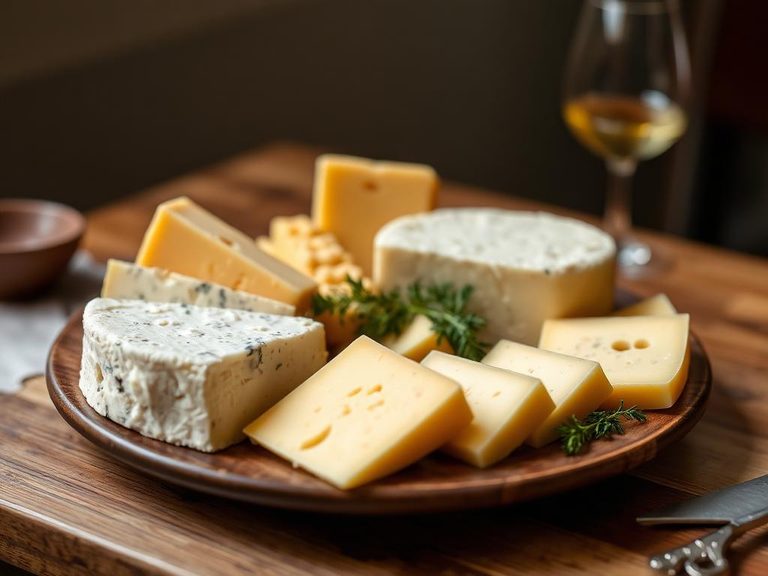
Processed cheese products

Processed cheese products are a category of cheese-like foods made by blending natural cheese with emulsifiers, oils, and other ingredients to create a smooth, melt-resistant, and shelf-stable product. They originated in the United States in the early 20th century, with brands like Velveeta and American singles becoming household staples. The primary ingredients typically include cheese, milk, whey, milkfat, and sodium phosphate.
🍽️ Nutrition at a glance
These products are generally high in fat and sodium, with a moderate amount of protein and often added carbohydrates from fillers. A typical serving provides a significant amount of calcium and phosphorus, but should be consumed in moderation due to its calorie density, which can range from 70 to 120 calories per ounce (28g).
Nutrition breakdown
| Calories | 100 kcal |
| Protein | 5 g |
| Carbs | 2 g |
| Fat | 8 g |
| Fiber | 0 g |
| Sugar | 1 g |
| Sodium | 350 mg |
| Calcium | 150 mg |
| Phosphorus | 120 mg |
| Vitamin A | 100 mcg RAE |
| Vitamin D | 0.2 mcg |
| Vitamin B12 | 0.3 mcg |
| Riboflavin (B2) | 0.08 mg |
| Selenium | 4 mcg |
| Zinc | 0.8 mg |
Per 1 slice (28 g) · estimated, varies by recipe
💡 What's interesting
Processed cheese is engineered to never separate or become grainy when melted, making it a cultural icon in dishes like grilled cheese sandwiches, burgers, and dips. Its unique formulation allows it to have a much longer shelf life than natural cheese, contributing to its widespread use in food service and packaged meals.