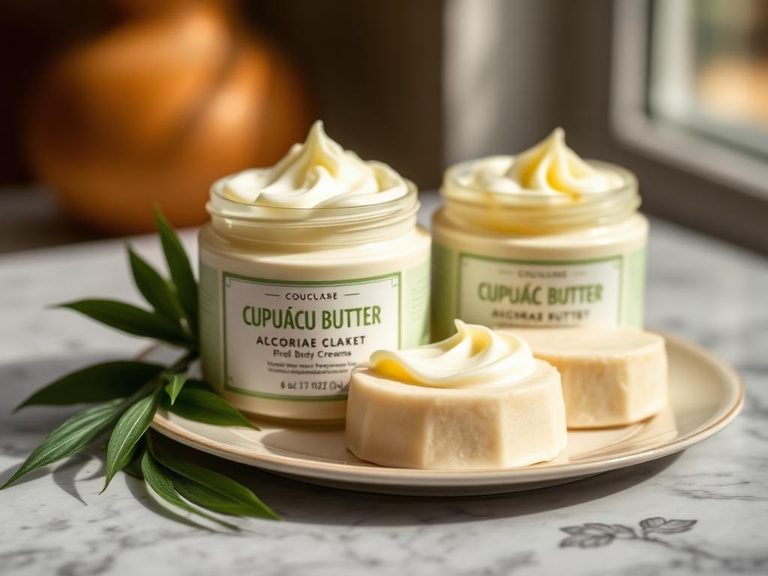
Body care products
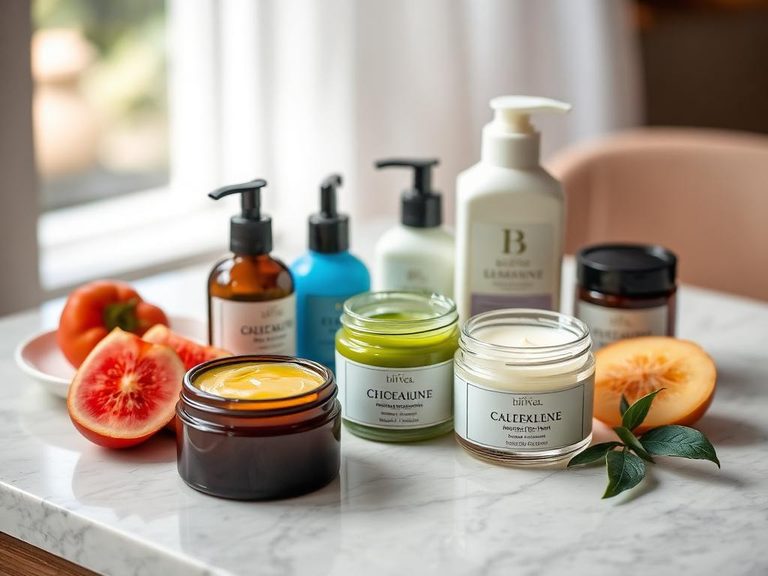
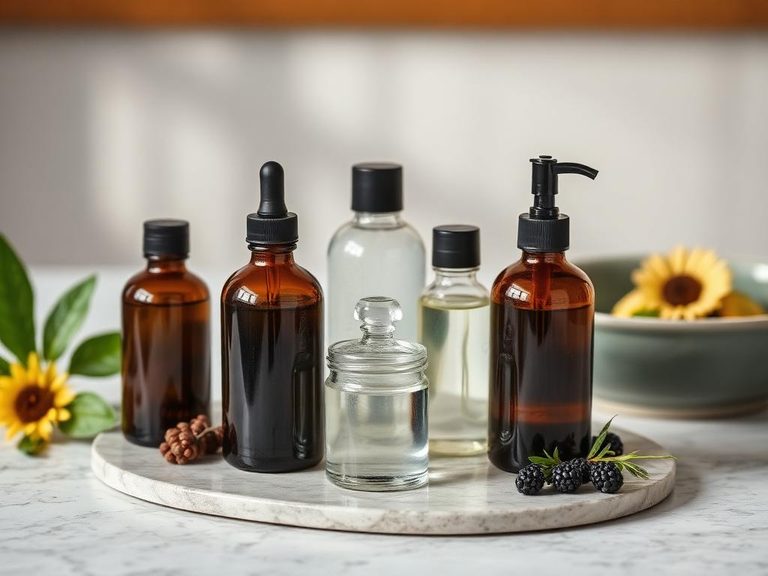
Body care products like balms and lotions are topical formulations designed to moisturize, protect, and nourish the skin, rather than being a food dish. They are typically made from a blend of emollients like oils and butters, humectants such as glycerin, and often include botanical extracts and vitamins. Originating from ancient apothecary traditions, these products are now globally manufactured and used for daily skincare routines.
🍽️ Nutrition at a glance
As these products are not intended for ingestion, they have no nutritional value and do not provide calories, carbohydrates, fat, or protein. Any 'nutrients' like vitamins are formulated for topical absorption and are not part of a dietary intake. Consuming them would be ineffective and potentially harmful.
Nutrition breakdown
| Calories | 0 kcal |
| Protein | 0 g |
| Carbs | 0 g |
| Fat | 0 g |
| Fiber | 0 g |
| Sugar | 0 g |
| Sodium | 0 mg |
| Vitamin E | 0.5 mg |
| Vitamin A | 0.2 mg |
| Glycerin | 500 mg |
| Shea Butter | 1000 mg |
| Jojoba Oil | 800 mg |
| Aloe Vera | 300 mg |
| Beeswax | 200 mg |
| Ceramides | 10 mg |
Per 1 application (approximately 5 g) · estimated, varies by recipe
💡 What's interesting
Culturally, the use of balms and lotions dates back to ancient civilizations like Egypt and Mesopotamia, where they were used for both cosmetic and medicinal purposes. Modern formulations often incorporate advanced ingredients like hyaluronic acid and ceramides, reflecting a blend of traditional botanical knowledge and contemporary dermatological science.