A base for traditional African body care products
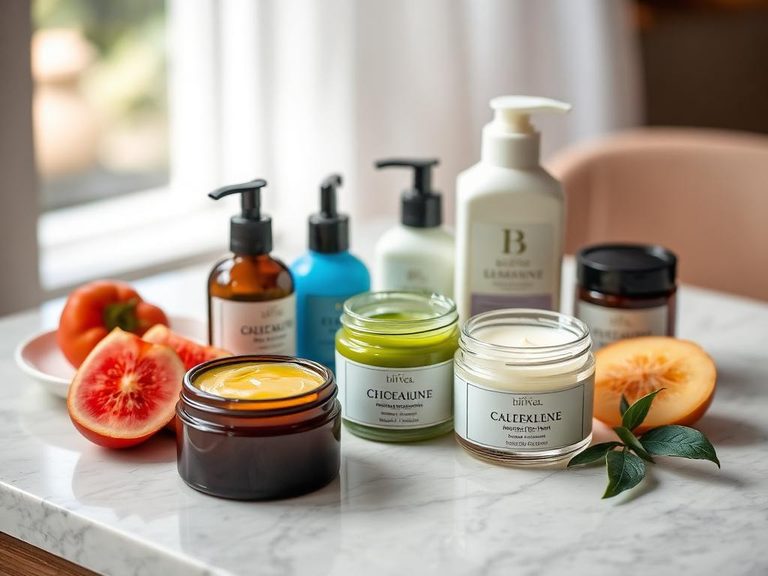
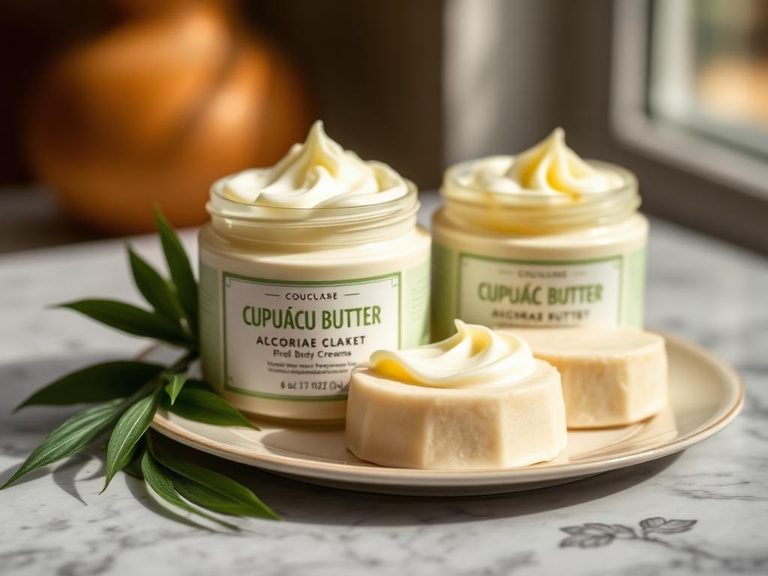
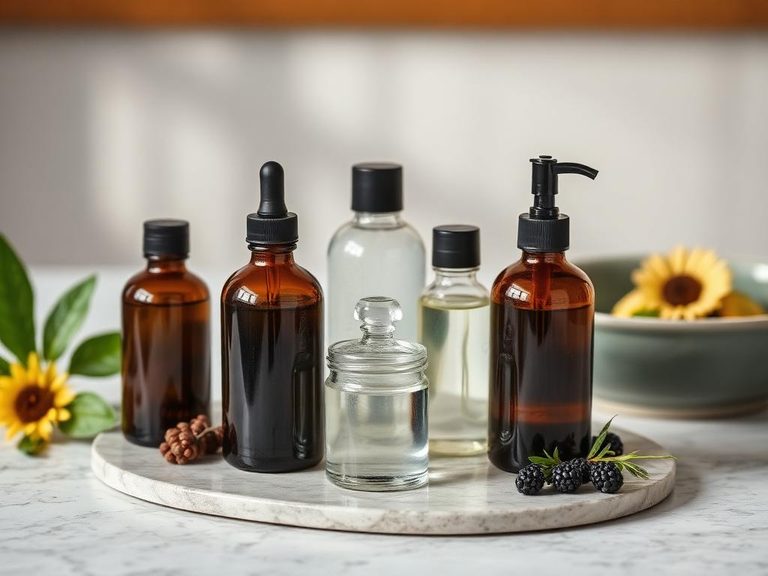
This is not a food dish, but a base ingredient known as Shea Butter, derived from the nuts of the African shea tree. It is a solid, creamy fat traditionally used across West and Central Africa as a moisturizer, healing balm, and hair conditioner. It is the foundational 'dish' for countless homemade body care preparations.
🍽️ Nutrition at a glance
As a pure fat, it is extremely high in calories and fat content, providing no carbohydrates or protein. Its key nutrients are fatty acids like oleic, stearic, and linoleic acid, which are essential for skin health and barrier function.
Nutrition breakdown
| Calories | 120 kcal |
| Protein | 0 g |
| Carbs | 0 g |
| Fat | 14 g |
| Fiber | 0 g |
| Sugar | 0 g |
| Sodium | 0 mg |
| Vitamin E (alpha-tocopherol) | 2.3 mg |
| Vitamin A (as retinol equivalents) | 5 µg |
| Oleic Acid (Omega-9) | ~5 g |
| Stearic Acid | ~4 g |
| Linoleic Acid (Omega-6) | ~1.5 g |
| Palmitic Acid | ~1 g |
| Phytosterols | ~120 mg |
| Cinnamic Acid Esters | Trace |
Per 1 tablespoon (14 g) · estimated, varies by recipe
💡 What's interesting
Culturally, shea butter production is a centuries-old tradition primarily managed by women's cooperatives, making it a vital source of income and empowerment. Nutritionally, it is uniquely rich in vitamins A and E, and its unsaponifiable fraction (the part that doesn't turn to soap) contains anti-inflammatory compounds.