Processed baked goods
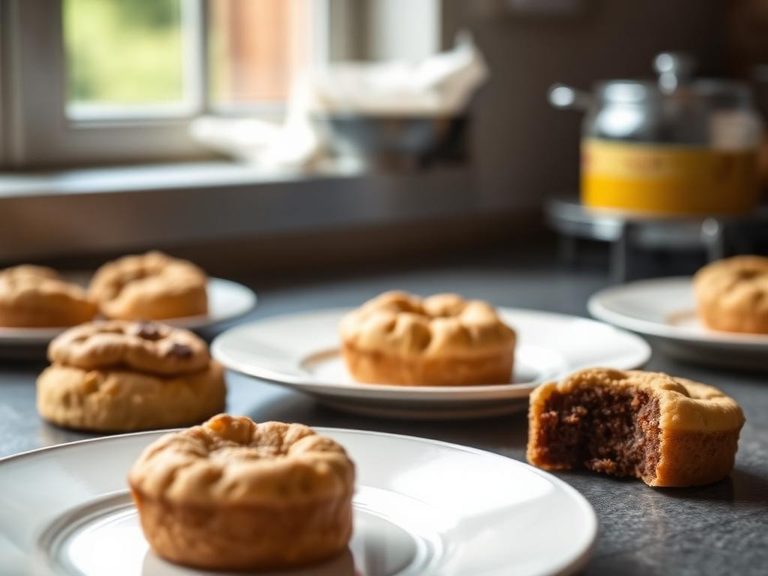
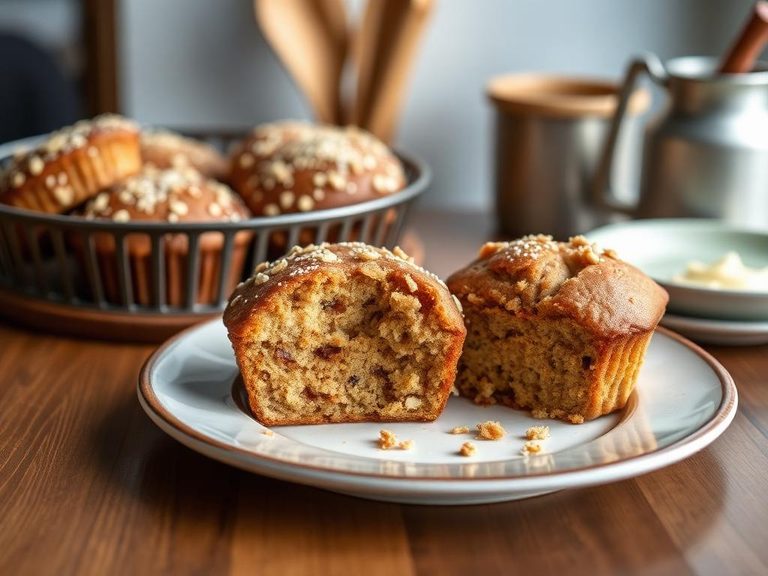
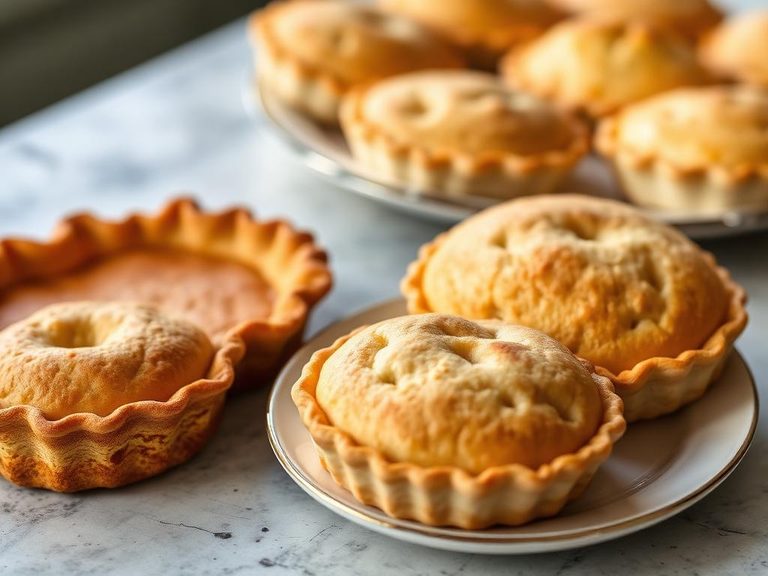
Processed baked goods are a broad category of commercially produced, shelf-stable items like cookies, cakes, pastries, and crackers. They are typically made from refined flour, sugar, fats, and various additives for texture and preservation. Originating from industrial food production, they are now a global staple found in supermarkets worldwide.
🍽️ Nutrition at a glance
These foods are generally high in carbohydrates and fats, often with added sugars, while being low in protein and fiber. A typical serving provides a significant calorie burst, often ranging from 200 to 400 kcal, with limited essential vitamins or minerals.
Nutrition breakdown
| Calories | 360 kcal |
| Protein | 4 g |
| Carbs | 52 g |
| Fat | 16 g |
| Fiber | 1 g |
| Sugar | 30 g |
| Sodium | 320 mg |
| Iron | 2.5 mg |
| Thiamin (B1) | 0.3 mg |
| Niacin (B3) | 3 mg |
| Folate | 60 mcg |
| Calcium | 40 mg |
| Phosphorus | 80 mg |
| Magnesium | 15 mg |
| Selenium | 8 mcg |
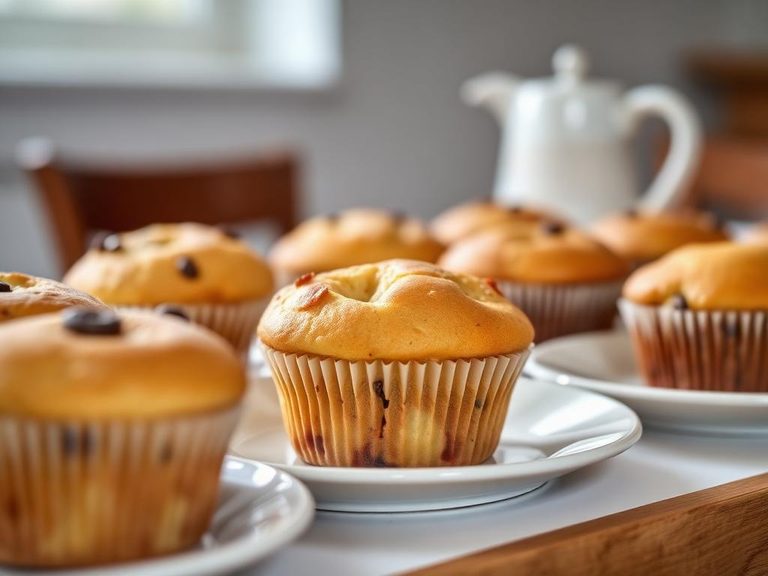
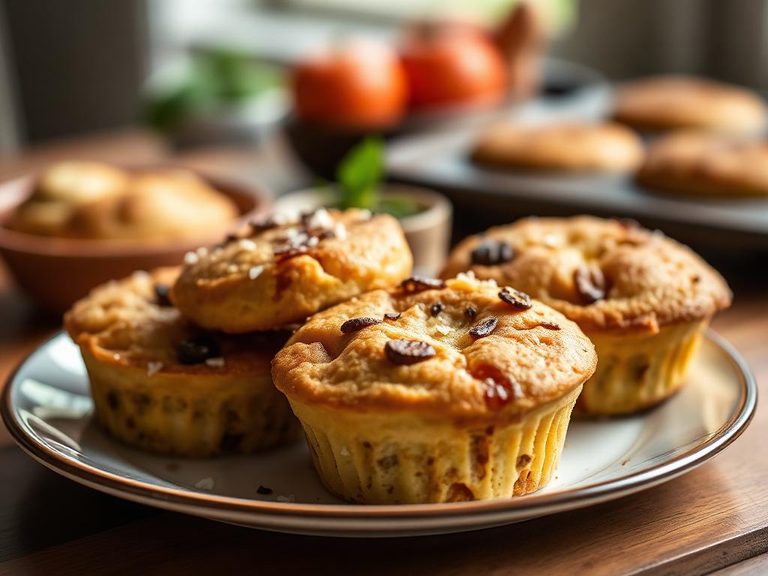
Per 1 medium-sized packaged muffin (113 g) · estimated, varies by recipe
💡 What's interesting
Their unique cultural role lies in their convenience and association with celebrations, snacks, and comfort food across diverse societies. Nutritionally, they are a primary example of 'empty calories,' providing energy with minimal micronutrient benefit.