

Wheat bran, crude
Whole food · Cereal Grains and Pasta

Photo: Wikipedia
Wheat bran is the coarse, outer layer of the wheat kernel, milled into a gritty, golden-brown flake. It has a distinctly nutty, earthy flavor and a dry, crunchy texture that softens when cooked. Nutritionally, it is a fiber powerhouse, packing over 42 grams of dietary fiber per 100g.
Calorie split: 17% protein · 72% carbs · 11% fat
↓ Full nutrition💚 Why it's loved
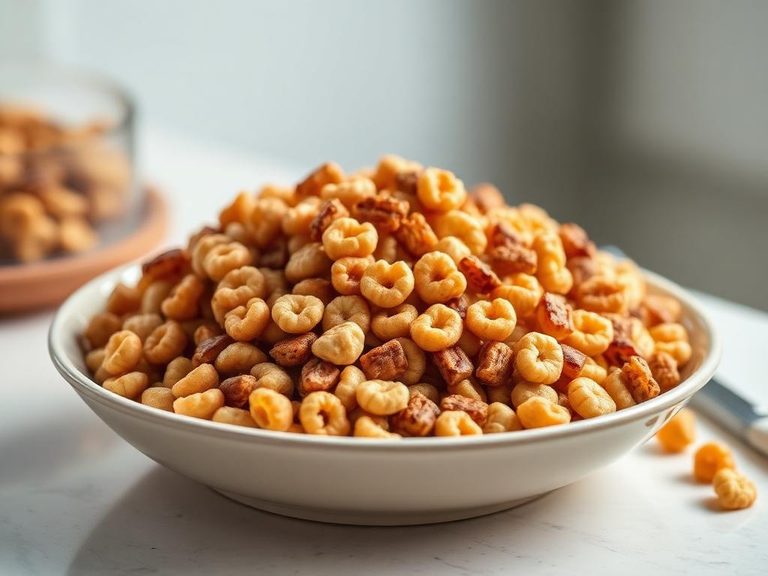
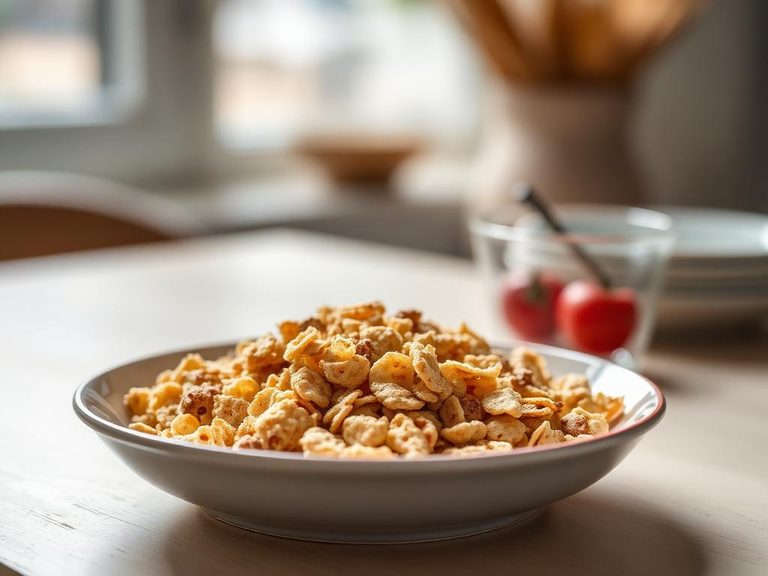
People love it for its robust, nutty taste that adds depth and texture to baked goods. It's a beloved, versatile staple for boosting the fiber content of everything from morning cereal to homemade bread.
⚠️ Watch-outs & how to enjoy it better
Its coarse, dry texture can be unpleasant if not properly incorporated into recipes. The high fiber content may cause digestive discomfort (bloating, gas) for those not accustomed to it, so it's best to introduce it gradually and drink plenty of water. It can also interfere with mineral absorption if consumed in very large quantities.
Key benefits
- Exceptionally high in insoluble dietary fiber.
- Good source of plant-based protein.
- Rich in B vitamins, particularly thiamine and niacin.
- Contains essential minerals like iron, magnesium, and zinc.
- Low in sugar and naturally fat-free.
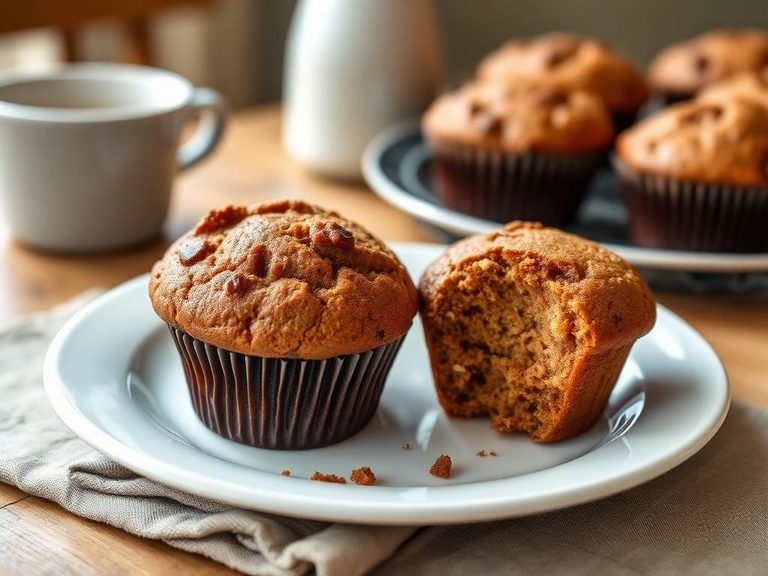
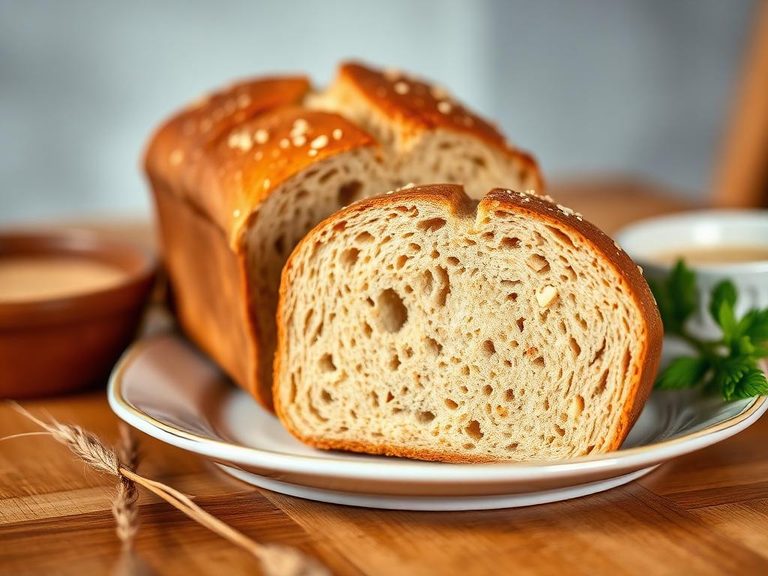
🍽️ Popular dishes
🌍 Where it's eaten
💡 Did you know?
Wheat bran was once considered a mere byproduct of flour milling, but its nutritional value led to it becoming a celebrated health food in its own right during the 20th century.
Full nutrition (USDA data · scales with serving)
| Water | 9.9 g |
| Energy | 216 kcal |
| Energy | 904 kj |
| Protein | 15.6 g |
| Total lipid (fat) | 4.3 g |
| Ash | 5.8 g |
| Carbohydrate, by difference | 64.5 g |
| Fiber, total dietary | 42.8 g |
| Total Sugars | 0.41 g |
| Calcium, Ca | 73.0 mg |
| Iron, Fe | 10.6 mg |
| Magnesium, Mg | 611 mg |
| Phosphorus, P | 1013 mg |
| Potassium, K | 1182 mg |
| Sodium, Na | 2.0 mg |
| Zinc, Zn | 7.3 mg |
| Copper, Cu | 1.00 mg |
| Manganese, Mn | 11.5 mg |
| Selenium, Se | 77.6 ug |
| Vitamin C, total ascorbic acid | 0.00 mg |
| Thiamin | 0.52 mg |
| Riboflavin | 0.58 mg |
| Niacin | 13.6 mg |
| Pantothenic acid | 2.2 mg |
| Vitamin B-6 | 1.3 mg |
| Folate, total | 79.0 ug |
| Folic acid | 0.00 ug |
| Folate, food | 79.0 ug |
| Folate, DFE | 79.0 ug |
| Choline, total | 74.4 mg |
| Vitamin B-12 | 0.00 ug |
| Vitamin B-12, added | 0.00 ug |
| Vitamin A, RAE | 0.00 ug |
| Retinol | 0.00 ug |
| Carotene, beta | 6.0 ug |
| Carotene, alpha | 0.00 ug |
| Cryptoxanthin, beta | 0.00 ug |
| Vitamin A, IU | 9.0 iu |
| Lycopene | 0.00 ug |
| Lutein + zeaxanthin | 240 ug |
| Vitamin E (alpha-tocopherol) | 1.5 mg |
| Vitamin E, added | 0.00 mg |
| Vitamin D (D2 + D3), International Units | 0.00 iu |
| Vitamin D (D2 + D3) | 0.00 ug |
| Vitamin K (phylloquinone) | 1.9 ug |
| Alcohol, ethyl | 0.00 g |
| Caffeine | 0.00 mg |
| Theobromine | 0.00 mg |
Fat & fatty acid profile (per 100g)
| Fatty acids, total saturated | 0.63 g |
| SFA 4:0 | 0.00 g |
| SFA 6:0 | 0.00 g |
| SFA 8:0 | 0.00 g |
| SFA 10:0 | 0.00 g |
| SFA 12:0 | 0.00 g |
| SFA 14:0 | 0.01 g |
| SFA 16:0 | 0.56 g |
| SFA 18:0 | 0.04 g |
| Fatty acids, total monounsaturated | 0.64 g |
| MUFA 16:1 | 0.02 g |
| MUFA 18:1 | 0.62 g |
| MUFA 20:1 | 0.00 g |
| MUFA 22:1 | 0.00 g |
| Fatty acids, total polyunsaturated | 2.2 g |
| PUFA 18:2 | 2.0 g |
| PUFA 18:3 | 0.17 g |
| PUFA 18:4 | 0.00 g |
| PUFA 20:4 | 0.01 g |
| PUFA 20:5 n-3 (EPA) | 0.00 g |
| PUFA 22:5 n-3 (DPA) | 0.00 g |
| PUFA 22:6 n-3 (DHA) | 0.00 g |
| Cholesterol | 0.00 mg |
Amino acid profile (per 100g)
| Tryptophan | 0.28 g |
| Threonine | 0.50 g |
| Isoleucine | 0.49 g |
| Leucine | 0.93 g |
| Lysine | 0.60 g |
| Methionine | 0.23 g |
| Cystine | 0.37 g |
| Phenylalanine | 0.59 g |
| Tyrosine | 0.44 g |
| Valine | 0.73 g |
| Arginine | 1.1 g |
| Histidine | 0.43 g |
| Alanine | 0.77 g |
| Aspartic acid | 1.1 g |
| Glutamic acid | 2.9 g |
| Glycine | 0.90 g |
| Proline | 0.88 g |
| Serine | 0.68 g |
FAQ
Is wheat bran gluten-free?
No. Wheat bran is derived from wheat and contains gluten, making it unsuitable for individuals with celiac disease or gluten sensitivity.
How do I use wheat bran in cooking?
It's most commonly stirred into yogurt, oatmeal, or smoothies, or used as a primary ingredient in baked goods like muffins, pancakes, and breads to add fiber and texture.
What's the difference between wheat bran and wheat germ?
Wheat bran is the outer fibrous husk of the grain, while wheat germ is the nutrient-rich embryo inside the kernel. Bran is higher in fiber; germ is higher in healthy fats and vitamin E.
Nutrient density (calculated · NRF9.3)
Nutrient Rich Foods index: beneficial nutrients (protein, fiber, vitamins, minerals) minus saturated fat, added sugar & sodium, per 100 kcal.
NRF9.3 index — Fulgoni, Keast & Drewnowski, 2009. Computed from USDA nutrients.
Weight-loss friendliness (composite index)
Energy density 2.16 kcal/g · 29% calories from protein · 42.8 g fiber · 0.4 g sugar per 100 g.
Composite of energy density (Rolls et al., 1999), protein & fiber satiety, minus sugar. A calculated heuristic — ranks satiety-per-calorie, not a clinical measure.
Dietary load (calculated from USDA values)
Potential renal acid load. Positive = acid-forming, negative = alkaline-forming.
Sodium-to-potassium ratio: 0.00 (lower is better — aim for ≤ 1)
Sodium:potassium per WHO potassium guidance. Computed from USDA nutrients.