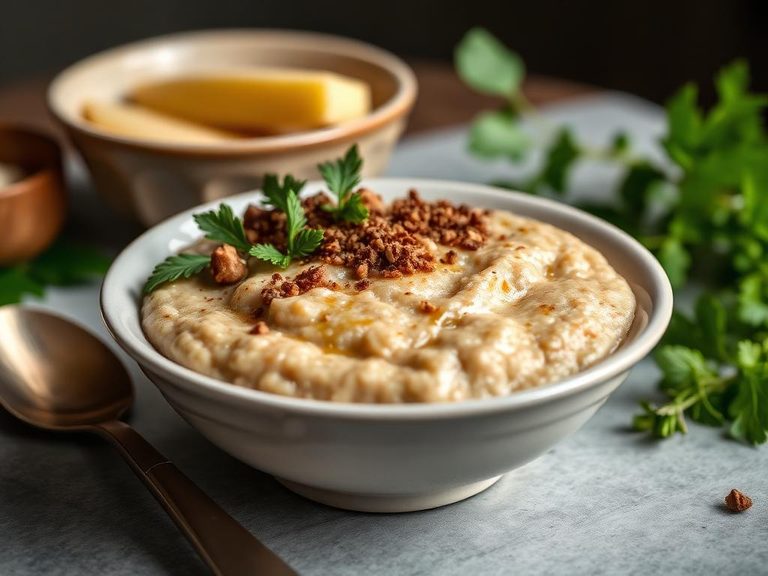
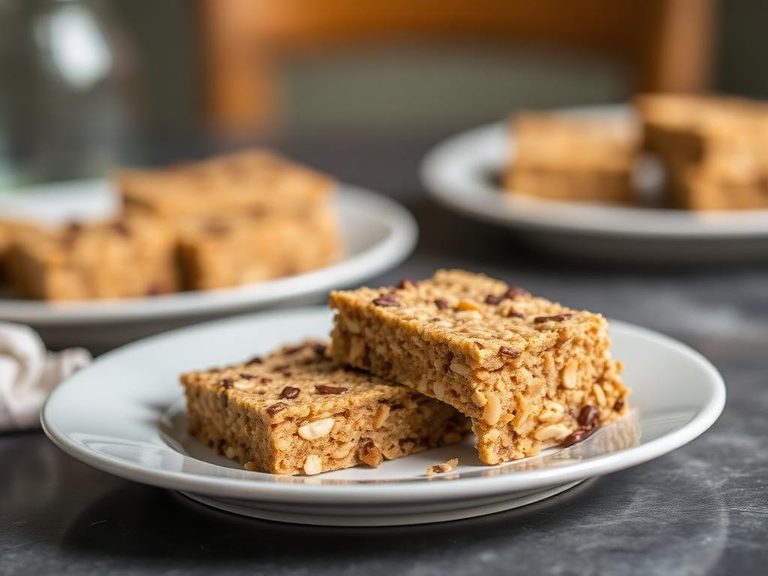
Bran cereal
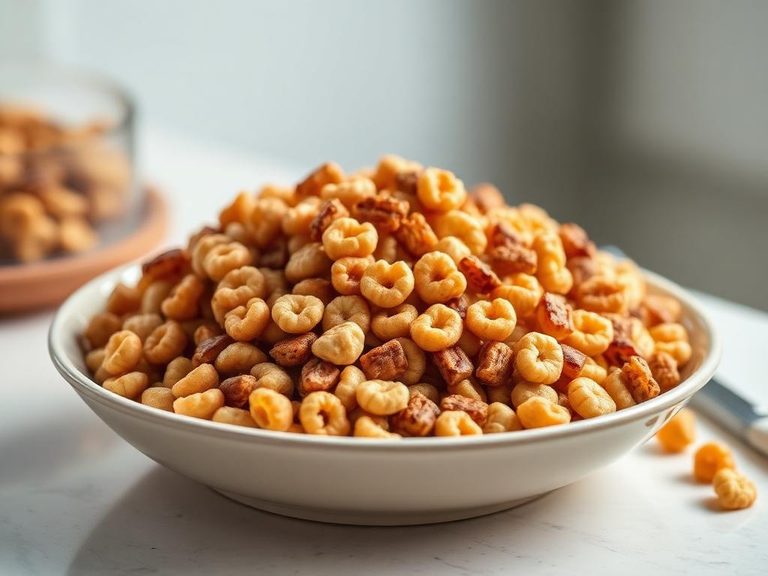
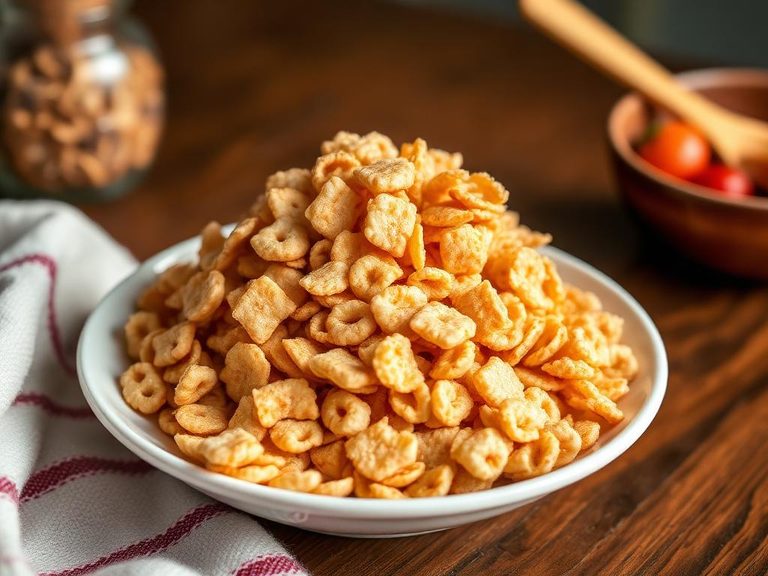
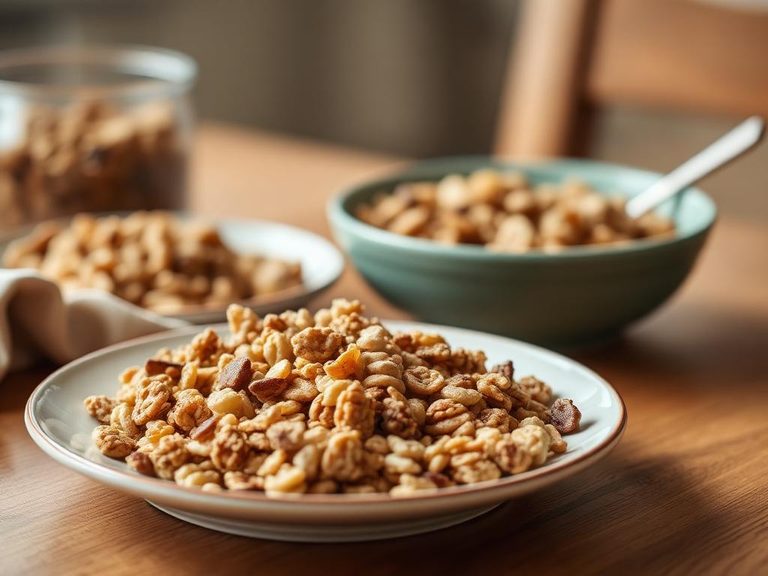
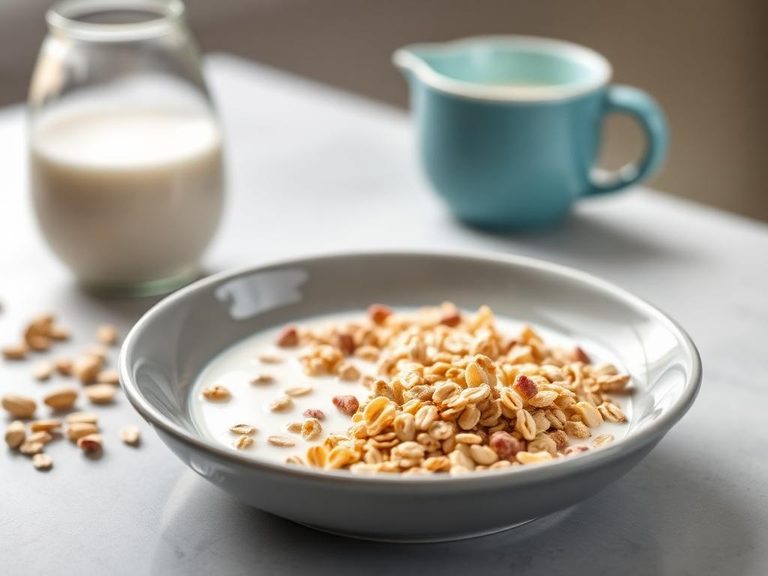
Bran cereal is a breakfast food made primarily from the outer layer of cereal grains, most commonly wheat bran. It is often combined with other grains, sweeteners, and vitamins to create a crunchy, ready-to-eat cereal. This type of cereal originated in the United States in the late 19th century as part of the health food movement.
🍽️ Nutrition at a glance
Bran cereal is typically high in carbohydrates and dietary fiber, with a moderate amount of protein and low fat. A standard serving provides significant amounts of iron, B vitamins, and essential minerals like magnesium and zinc, usually ranging from 150 to 200 calories per serving.
Nutrition breakdown
| Calories | 190 kcal |
| Protein | 7 g |
| Carbs | 46 g |
| Fat | 1 g |
| Fiber | 14 g |
| Sodium | 320 mg |
| Iron | 18 mg |
| Thiamin (B1) | 1.5 mg |
| Riboflavin (B2) | 1.7 mg |
| Niacin (B3) | 20 mg |
| Vitamin B6 | 2 mg |
| Folate | 400 mcg |
| Magnesium | 100 mg |
| Zinc | 15 mg |
Per 1 cup (59 g) · estimated, varies by recipe
💡 What's interesting
Culturally, bran cereal is strongly associated with digestive health and the 'back-to-nature' dietary trends of the early 1900s. Nutritionally, its unique, high-fiber content from the grain's bran layer makes it a standout choice for promoting gut regularity.