

Whale, beluga, eyes (Alaska Native)
Whole food · American Indian/Alaska Native Foods

Photo: Wikipedia
Beluga whale eyes are a prized delicacy in Alaska Native cuisine, often described as having a rich, oily, and slightly sweet flavor with a firm, gelatinous texture that softens when cooked. Nutritionally, they are a powerhouse of healthy fats, particularly omega-3s, and provide a substantial amount of protein with virtually no carbohydrates.
Calorie split: 27% protein · 0% carbs · 73% fat
↓ Full nutrition💚 Why it's loved
People cherish beluga eyes for their unique, luxurious mouthfeel and deep umami flavor, which is often enhanced by traditional preparation methods. They are a culturally significant food, representing connection to the land and sea, and are often shared during community feasts.
⚠️ Watch-outs & how to enjoy it better
The high fat content (23.3g per 100g) means they are very calorie-dense, which may be a concern for those managing weight. They are a specialty item and can be expensive or difficult to source outside of Arctic regions. To balance a meal, pair a small portion with fiber-rich vegetables or berries to add bulk and nutrients without excess calories.
Key benefits
- Excellent source of omega-3 fatty acids for brain and heart health
- High in protein with zero carbohydrates or sugar
- Rich in fat-soluble vitamins like Vitamin A and D
- Provides essential minerals such as selenium and phosphorus
🍽️ Popular dishes
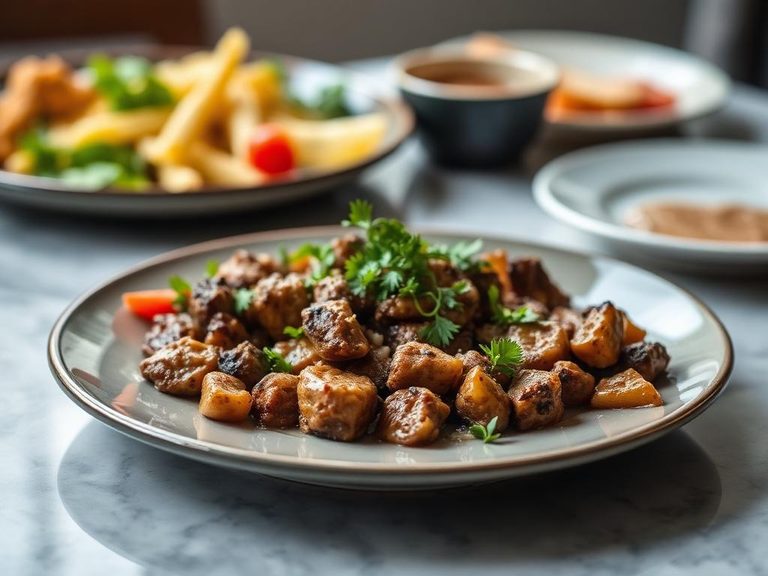
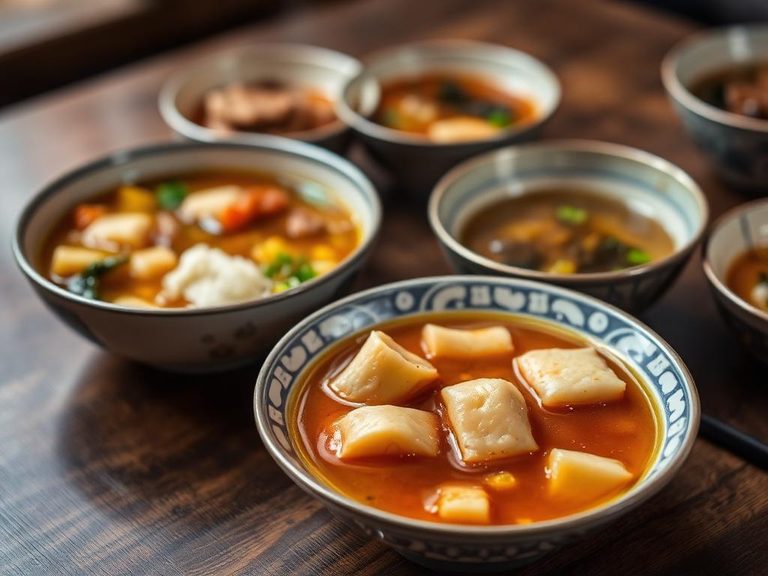

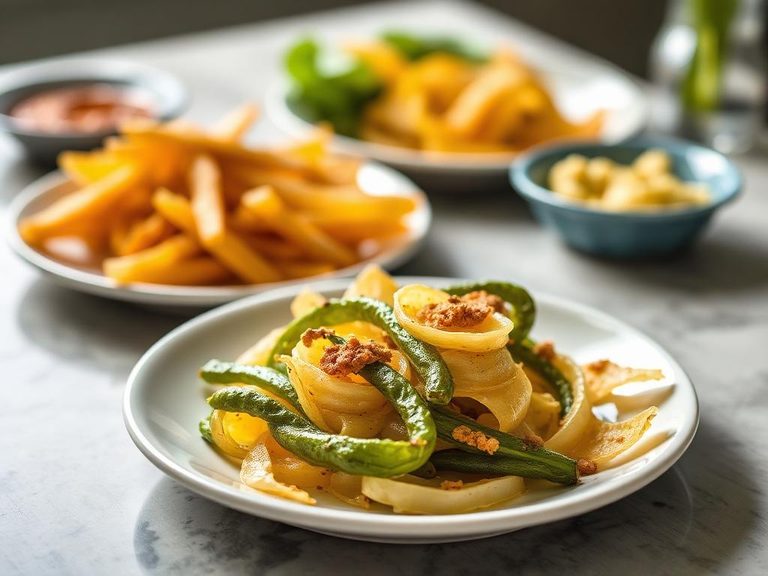
🌍 Where it's eaten
💡 Did you know?
The lens of the whale eye is a dense, spherical crystal that was historically used by some Arctic peoples as a magnifying glass to start fires or examine small objects.
Full nutrition (USDA data · scales with serving)
| Water | 55.1 g |
| Energy | 291 kcal |
| Energy | 1217 kj |
| Protein | 19.6 g |
| Total lipid (fat) | 23.3 g |
| Ash | 1.3 g |
| Carbohydrate, by difference | 0.00 g |
| Fiber, total dietary | 0.00 g |
| Total Sugars | 0.00 g |
| Sucrose | 0.00 g |
| Glucose | 0.00 g |
| Fructose | 0.00 g |
| Lactose | 0.00 g |
| Maltose | 0.00 g |
| Galactose | 0.00 g |
| Starch | 0.00 g |
| Phosphorus, P | 187 mg |
| Vitamin C, total ascorbic acid | 0.00 mg |
| Vitamin A, RAE | 561 ug |
| Retinol | 561 ug |
| Carotene, beta | 0.00 ug |
| Carotene, alpha | 0.00 ug |
| Cryptoxanthin, beta | 0.00 ug |
| Vitamin A, IU | 1870 iu |
| Lycopene | 0.00 ug |
| Lutein + zeaxanthin | 0.00 ug |
| Alcohol, ethyl | 0.00 g |
| Caffeine | 0.00 mg |
| Theobromine | 0.00 mg |
Fat & fatty acid profile (per 100g)
Estimated from Whale, beluga, meat, dried (Alaska Native) — USDA does not publish this profile for Whale.
| Fatty acids, total saturated | 1.2 g |
| SFA 8:0 | 0.00 g |
| SFA 10:0 | 0.00 g |
| SFA 12:0 | 0.01 g |
| SFA 14:0 | 0.25 g |
| SFA 15:0 | 0.03 g |
| SFA 16:0 | 0.70 g |
| SFA 17:0 | 0.03 g |
| SFA 18:0 | 0.20 g |
| SFA 20:0 | 0.00 g |
| SFA 22:0 | 0.00 g |
| SFA 24:0 | 0.00 g |
| Fatty acids, total monounsaturated | 3.3 g |
| MUFA 14:1 | 0.03 g |
| MUFA 15:1 | 0.01 g |
| MUFA 16:1 | 1.1 g |
| MUFA 17:1 | 0.00 g |
| MUFA 18:1 | 1.3 g |
| MUFA 20:1 | 0.64 g |
| MUFA 22:1 | 0.24 g |
| MUFA 24:1 c | 0.00 g |
| Fatty acids, total polyunsaturated | 0.32 g |
| PUFA 18:2 | 0.05 g |
| PUFA 18:3 | 0.03 g |
| PUFA 18:4 | 0.01 g |
| PUFA 20:2 n-6 c,c | 0.01 g |
| PUFA 20:3 | 0.00 g |
| PUFA 20:4 | 0.03 g |
| PUFA 20:5 n-3 (EPA) | 0.06 g |
| PUFA 21:5 | 0.00 g |
| PUFA 22:4 | 0.00 g |
| PUFA 22:5 n-3 (DPA) | 0.04 g |
| PUFA 22:6 n-3 (DHA) | 0.09 g |
| Cholesterol | 122 mg |
| Phytosterols | 0.00 mg |
Amino acid profile (per 100g)
Estimated from Whale, beluga, meat, dried (Alaska Native) — USDA does not publish this profile for Whale.
| Tryptophan | 0.80 g |
| Threonine | 2.7 g |
| Isoleucine | 2.7 g |
| Leucine | 5.8 g |
| Lysine | 6.3 g |
| Methionine | 1.4 g |
| Cystine | 0.42 g |
| Phenylalanine | 2.9 g |
| Tyrosine | 1.9 g |
| Valine | 2.8 g |
| Arginine | 3.8 g |
| Histidine | 3.0 g |
| Alanine | 4.3 g |
| Aspartic acid | 5.8 g |
| Glutamic acid | 9.6 g |
| Glycine | 4.1 g |
| Proline | 3.5 g |
| Serine | 2.4 g |
FAQ
What does a beluga whale eye taste like?
It has a strong, marine flavor, often described as rich, oily, and slightly sweet, with a texture that is firm yet gelatinous, similar to a very dense, fatty oyster.
How is it typically prepared?
It is most commonly boiled, stewed, or eaten raw. It is also traditionally fermented or dried for preservation.
Is it safe to eat?
When sourced from healthy animals and prepared traditionally, it is safe. However, like many Arctic marine mammals, it can contain environmental contaminants, so consumption is often moderated.
Weight-loss friendliness (composite index)
Energy density 2.91 kcal/g · 27% calories from protein · 0.0 g fiber · 0.0 g sugar per 100 g.
Composite of energy density (Rolls et al., 1999), protein & fiber satiety, minus sugar. A calculated heuristic — ranks satiety-per-calorie, not a clinical measure.