

Stewed or boiled in traditional broths
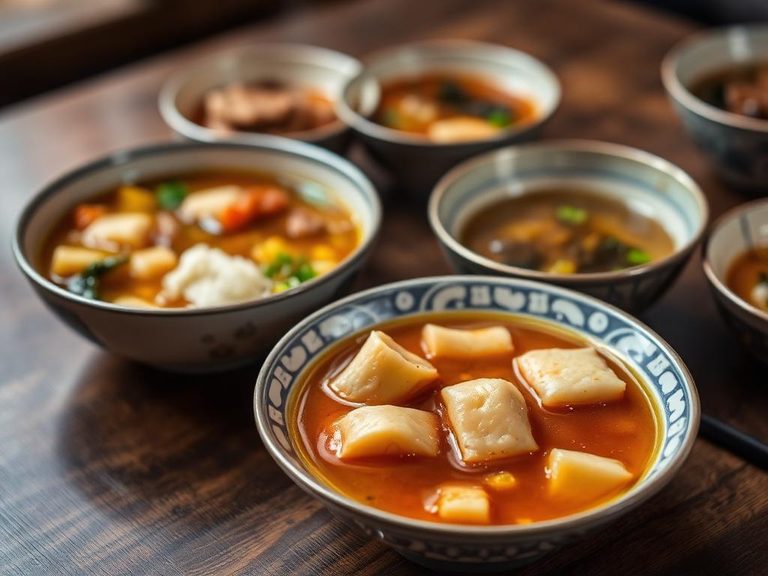
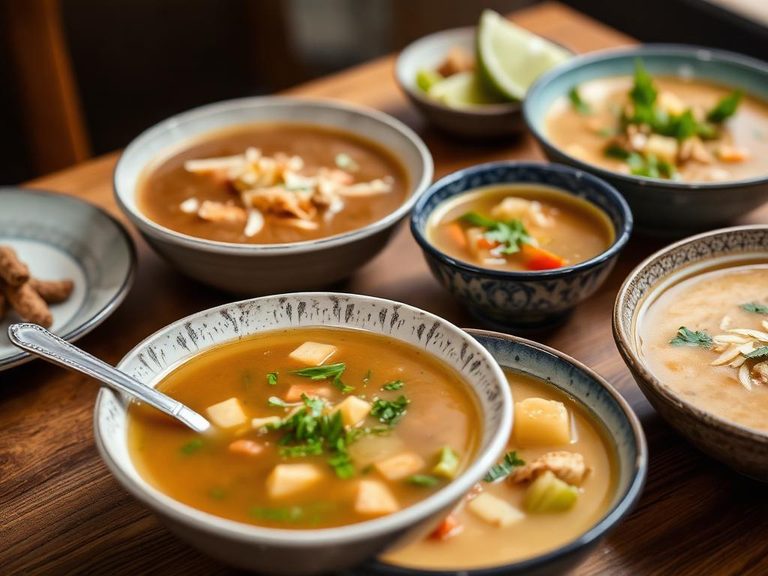
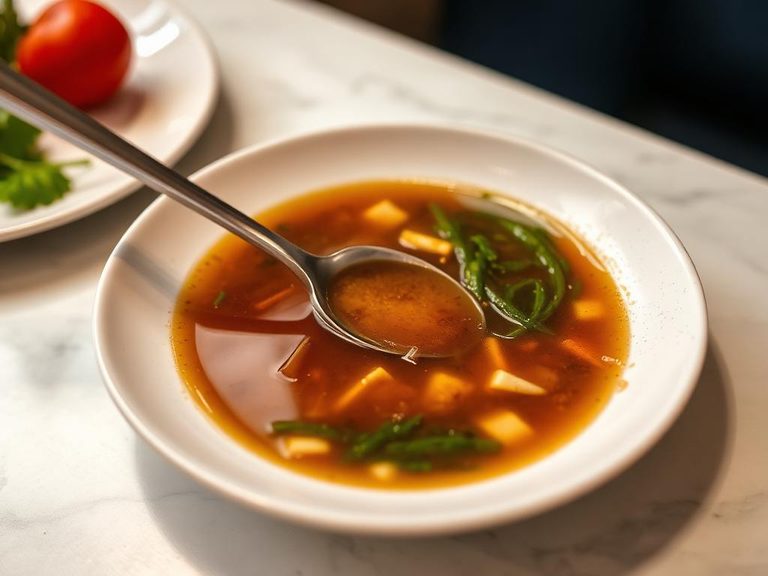
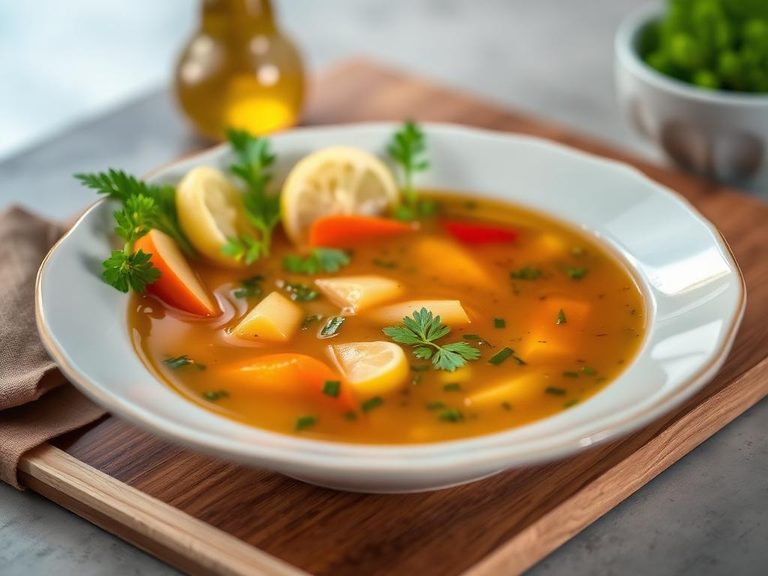
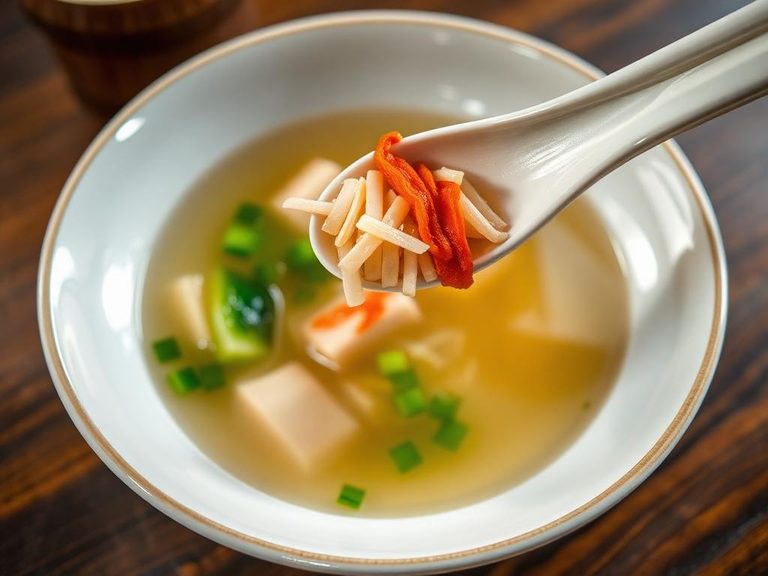
Stewed or boiled in traditional broths is a broad category of dishes where ingredients like meats, vegetables, or legumes are slow-cooked in a flavorful liquid base, such as bone broth, vegetable stock, or aromatic herb-infused water. This method is foundational in cuisines worldwide, from Chinese herbal soups to European stews and Latin American sancochos, emphasizing deep flavor extraction and tender textures. The dish is defined by its broth, which becomes rich with the nutrients and essence of its components.
🍽️ Nutrition at a glance
Typically high in protein and minerals if meat-based, with a moderate calorie count that varies widely by ingredients. The broth provides hydration and electrolytes like sodium and potassium, while the solids offer fiber, vitamins, and macronutrients depending on the recipe.
Nutrition breakdown
| Calories | 220 kcal |
| Protein | 18 g |
| Carbs | 15 g |
| Fat | 8 g |
| Fiber | 3 g |
| Sugar | 4 g |
| Sodium | 680 mg |
| Potassium | 420 mg |
| Iron | 2.5 mg |
| Zinc | 3.8 mg |
| Vitamin B12 | 1.2 mcg |
| Niacin (B3) | 5 mg |
| Phosphorus | 210 mg |
| Magnesium | 35 mg |
| Selenium | 15 mcg |
Per 1 bowl (350 g) with broth, meat, and vegetables · estimated, varies by recipe
💡 What's interesting
This cooking technique is a universal comfort food, often used in traditional medicine to promote wellness and recovery. Nutritionally, slow simmering can increase the bioavailability of certain nutrients, like collagen from bones or antioxidants from vegetables, making the broth itself a nutrient-dense component.
🍽️ Related dishes

AI estimate may be inaccurate · Terms