

Tomatoes, raw
Common food
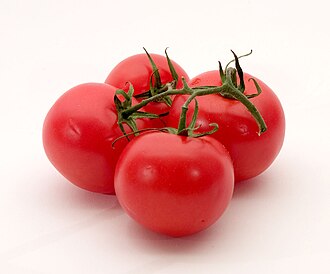
Photo: Wikipedia
A raw tomato is a juicy, vibrant fruit with a smooth, taut skin and a soft, seed-filled interior. Its flavor is a bright balance of sweet and tangy, with a refreshing, watery crunch. Nutritionally, it's a low-calorie powerhouse, providing over 20% of your daily Vitamin C and a hefty dose of the antioxidant lycopene.
Calorie split: 15% protein · 73% carbs · 13% fat
↓ Full nutrition💚 Why it's loved
People adore tomatoes for their incredible versatility—they are equally at home in a simple salad, a complex sauce, or a spicy salsa. Their bright, umami-rich flavor forms the foundational taste of countless global cuisines.
⚠️ Watch-outs & how to enjoy it better
Some individuals experience acid reflux or heartburn from raw tomatoes due to their natural acidity. To mitigate this, try cooking tomatoes (which reduces acidity) or pairing them with alkaline foods like leafy greens or a sprinkle of baking soda in sauces. Those with oral allergy syndrome may also experience mild itching.
Key benefits
- Excellent source of lycopene, a potent antioxidant linked to heart and skin health.
- Provides over 20% of the Daily Value for immune-boosting Vitamin C.
- Very low in calories and high in water content, aiding hydration.
- Contains potassium, which supports healthy blood pressure levels.
- Offers dietary fiber for digestive health.
🍽️ Popular dishes
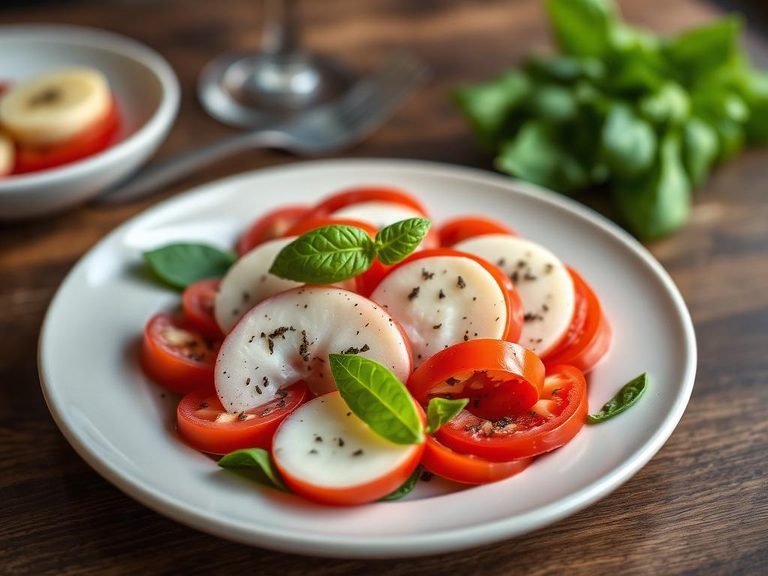
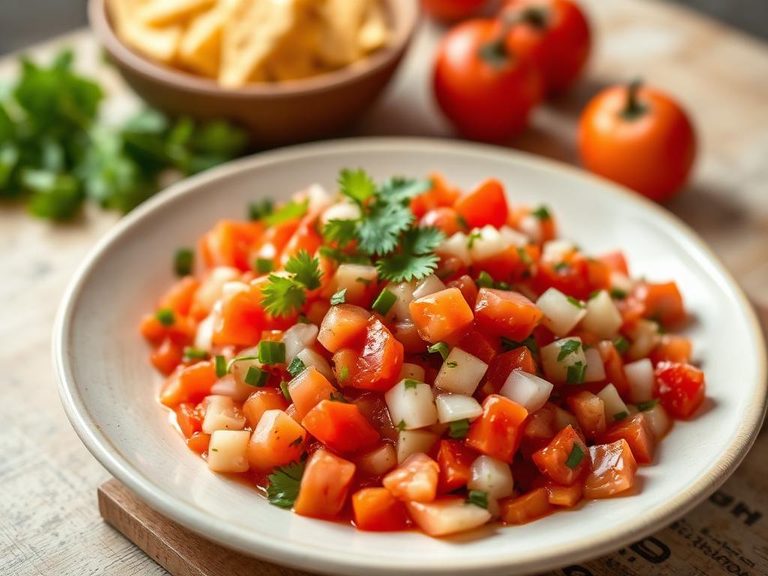

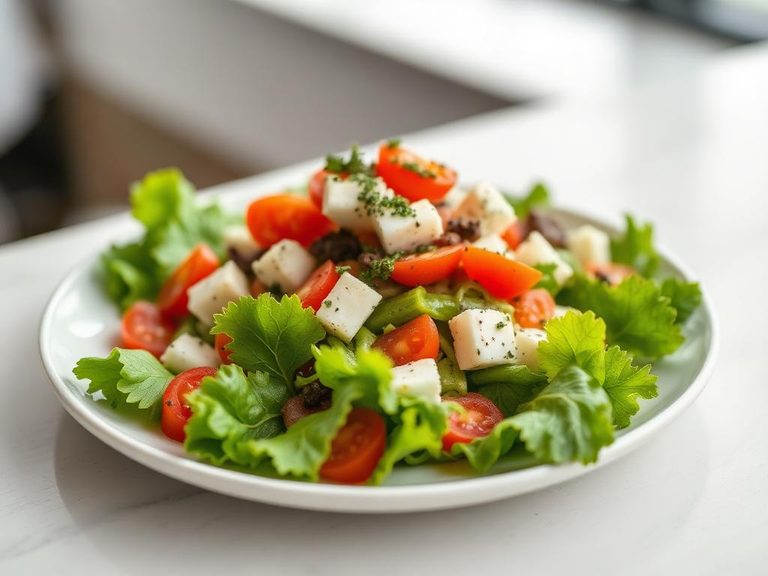
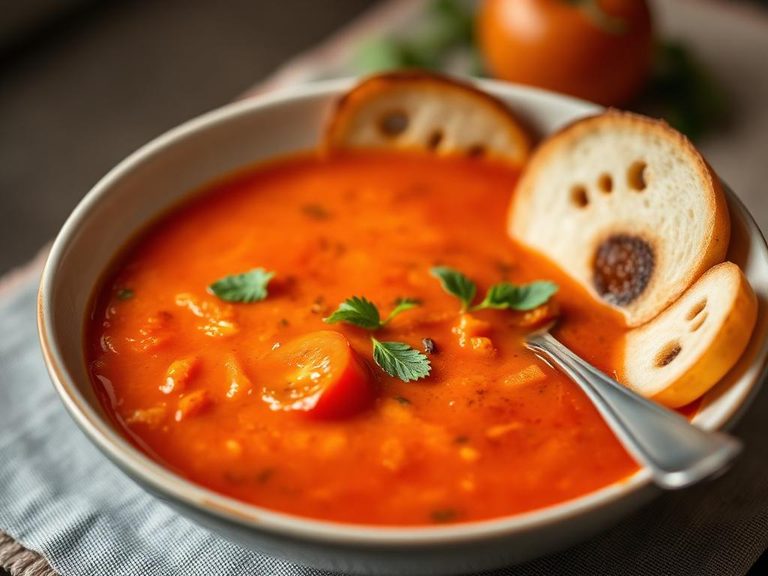

🌍 Where it's eaten
💡 Did you know?
Botanically, a tomato is a berry, and a single tomato plant can produce over 2,000 fruits in a season.
Full nutrition (USDA data · scales with serving)
| Water | 94.4 g |
| Energy | 20.0 kcal |
| Protein | 0.82 g |
| Total lipid (fat) | 0.31 g |
| Carbohydrate, by difference | 4.0 g |
| Fiber, total dietary | 1.2 g |
| Total Sugars | 2.6 g |
| Calcium, Ca | 10.0 mg |
| Iron, Fe | 0.22 mg |
| Magnesium, Mg | 10.0 mg |
| Phosphorus, P | 23.0 mg |
| Potassium, K | 226 mg |
| Sodium, Na | 4.0 mg |
| Zinc, Zn | 0.15 mg |
| Copper, Cu | 0.05 mg |
| Selenium, Se | 0.00 ug |
| Vitamin C, total ascorbic acid | 16.3 mg |
| Thiamin | 0.05 mg |
| Riboflavin | 0.02 mg |
| Niacin | 0.60 mg |
| Vitamin B-6 | 0.08 mg |
| Folate, total | 13.0 ug |
| Folic acid | 0.00 ug |
| Folate, food | 13.0 ug |
| Folate, DFE | 13.0 ug |
| Choline, total | 7.0 mg |
| Vitamin B-12 | 0.00 ug |
| Vitamin B-12, added | 0.00 ug |
| Vitamin A, RAE | 32.0 ug |
| Retinol | 0.00 ug |
| Carotene, beta | 397 ug |
| Carotene, alpha | 61.0 ug |
| Cryptoxanthin, beta | 6.0 ug |
| Lycopene | 2813 ug |
| Lutein + zeaxanthin | 103 ug |
| Vitamin E (alpha-tocopherol) | 0.58 mg |
| Vitamin E, added | 0.00 mg |
| Vitamin D (D2 + D3) | 0.00 ug |
| Vitamin K (phylloquinone) | 7.5 ug |
| Alcohol, ethyl | 0.00 g |
| Caffeine | 0.00 mg |
| Theobromine | 0.00 mg |
Fat & fatty acid profile (per 100g)
| Fatty acids, total saturated | 0.03 g |
| SFA 4:0 | 0.00 g |
| SFA 6:0 | 0.00 g |
| SFA 8:0 | 0.00 g |
| SFA 10:0 | 0.00 g |
| SFA 12:0 | 0.00 g |
| SFA 14:0 | 0.00 g |
| SFA 16:0 | 0.02 g |
| SFA 18:0 | 0.01 g |
| Fatty acids, total monounsaturated | 0.03 g |
| MUFA 16:1 | 0.00 g |
| MUFA 18:1 | 0.03 g |
| MUFA 20:1 | 0.00 g |
| MUFA 22:1 | 0.00 g |
| Fatty acids, total polyunsaturated | 0.08 g |
| PUFA 18:2 | 0.08 g |
| PUFA 18:3 | 0.00 g |
| PUFA 18:4 | 0.00 g |
| PUFA 20:4 | 0.00 g |
| PUFA 20:5 n-3 (EPA) | 0.00 g |
| PUFA 22:5 n-3 (DPA) | 0.00 g |
| PUFA 22:6 n-3 (DHA) | 0.00 g |
| Cholesterol | 0.00 mg |
Amino acid profile (per 100g)
Estimated from Tomatoes, sun-dried, packed in oil, drained — USDA does not publish this profile for Tomatoes.
| Tryptophan | 0.04 g |
| Threonine | 0.13 g |
| Isoleucine | 0.12 g |
| Leucine | 0.18 g |
| Lysine | 0.19 g |
| Methionine | 0.04 g |
| Cystine | 0.07 g |
| Phenylalanine | 0.13 g |
| Tyrosine | 0.09 g |
| Valine | 0.13 g |
| Arginine | 0.12 g |
| Histidine | 0.08 g |
| Alanine | 0.14 g |
| Aspartic acid | 0.70 g |
| Glutamic acid | 1.9 g |
| Glycine | 0.13 g |
| Proline | 0.10 g |
| Serine | 0.13 g |
FAQ
Are cooked tomatoes healthier than raw ones?
Cooking tomatoes significantly increases the bioavailability of the antioxidant lycopene, making it easier for your body to absorb. However, raw tomatoes retain more of their heat-sensitive Vitamin C. Both are excellent choices.
Why do some people call tomatoes a vegetable?
While botanically a fruit, tomatoes are treated as vegetables in culinary contexts due to their savory flavor. In a famous 1893 U.S. Supreme Court case, they were legally classified as vegetables for trade purposes.
How should I store fresh tomatoes?
For best flavor, store whole, ripe tomatoes at room temperature out of direct sunlight. Refrigeration can make the texture mealy and dull the flavor. Once cut, store leftovers in an airtight container in the fridge for a day or two.
Nutrient density (calculated · NRF9.3)
Nutrient Rich Foods index: beneficial nutrients (protein, fiber, vitamins, minerals) minus saturated fat, added sugar & sodium, per 100 kcal.
NRF9.3 index — Fulgoni, Keast & Drewnowski, 2009. Computed from USDA nutrients.
Weight-loss friendliness (composite index)
Energy density 0.20 kcal/g · 16% calories from protein · 1.2 g fiber · 2.6 g sugar per 100 g.
Composite of energy density (Rolls et al., 1999), protein & fiber satiety, minus sugar. A calculated heuristic — ranks satiety-per-calorie, not a clinical measure.
Dietary load (calculated from USDA values)
Potential renal acid load. Positive = acid-forming, negative = alkaline-forming.
Sodium-to-potassium ratio: 0.02 (lower is better — aim for ≤ 1)
Sodium:potassium per WHO potassium guidance. Computed from USDA nutrients.