

Tangerines, (mandarin oranges), canned, light syrup pack
Whole food · Fruits and Fruit Juices

Photo: Wikipedia
These are tender, pre-peeled mandarin orange segments preserved in a light, sweet syrup, offering a burst of bright, sunny citrus flavor with a soft, juicy texture. Nutritionally, they provide a quick source of carbohydrates and natural sugars, making them a convenient, low-fat fruit option. The light syrup pack adds sweetness while keeping the calorie count moderate at 61 kcal per 100 grams.
Calorie split: 3% protein · 96% carbs · 1% fat
↓ Full nutrition💚 Why it's loved
People love them for their consistently sweet, tangy flavor and the nostalgic, comforting experience of a classic pantry staple. They are incredibly versatile, easily enjoyed straight from the can, folded into yogurt, or used as a bright topping for desserts.
⚠️ Watch-outs & how to enjoy it better
The primary concern is the added sugar from the light syrup, which can cause rapid blood sugar spikes, making portion control essential for those managing diabetes or sugar intake. To counteract this, pair them with a source of protein or healthy fat, like Greek yogurt or nuts, to slow sugar absorption, or choose them packed in water or juice when available.
Key benefits
- Provides a quick source of energy from natural and added sugars.
- Low in fat and a modest source of dietary fiber.
- Offers vitamin C, an antioxidant that supports immune function.
- Convenient and ready-to-eat, requiring no peeling or preparation.
- A hydrating food due to its high water content.
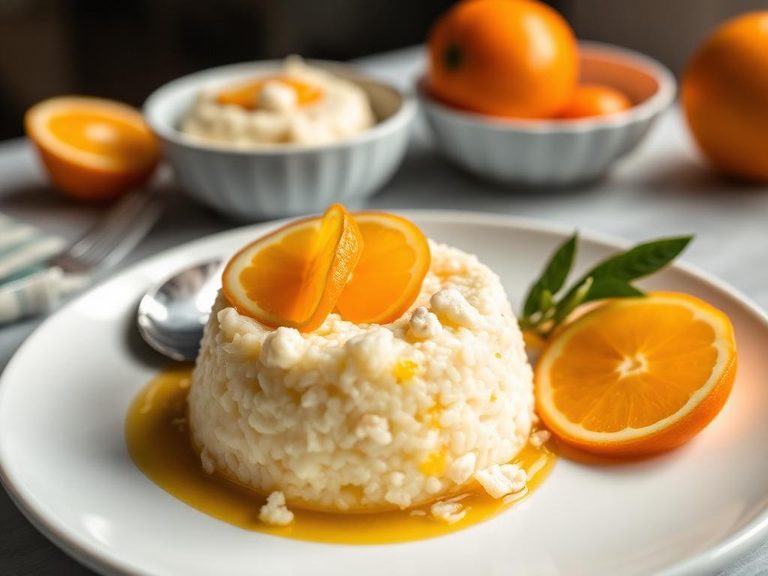
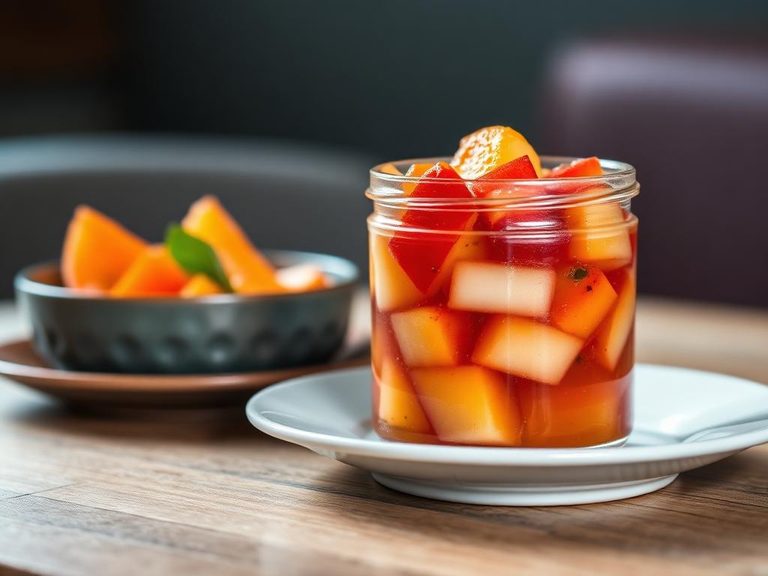
🍽️ Popular dishes
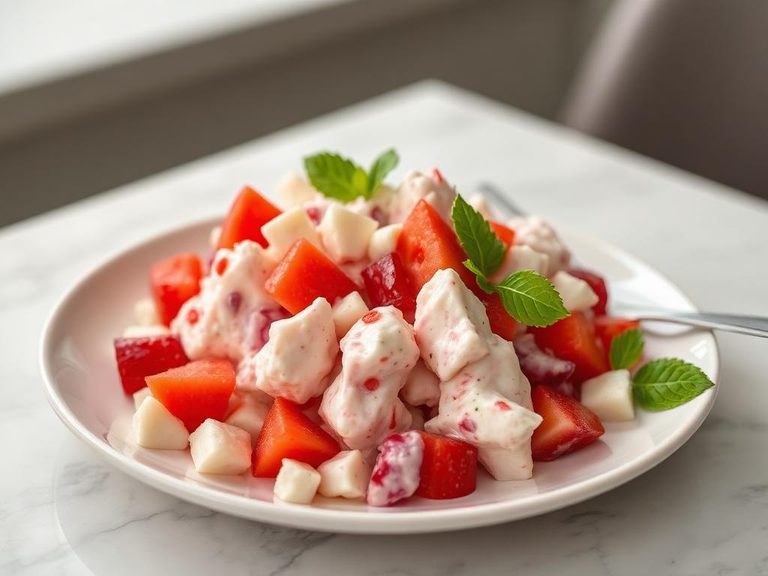
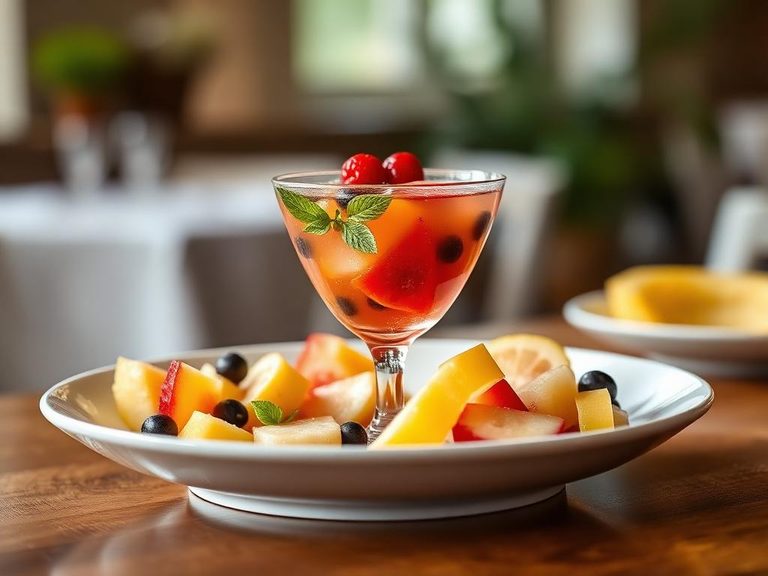
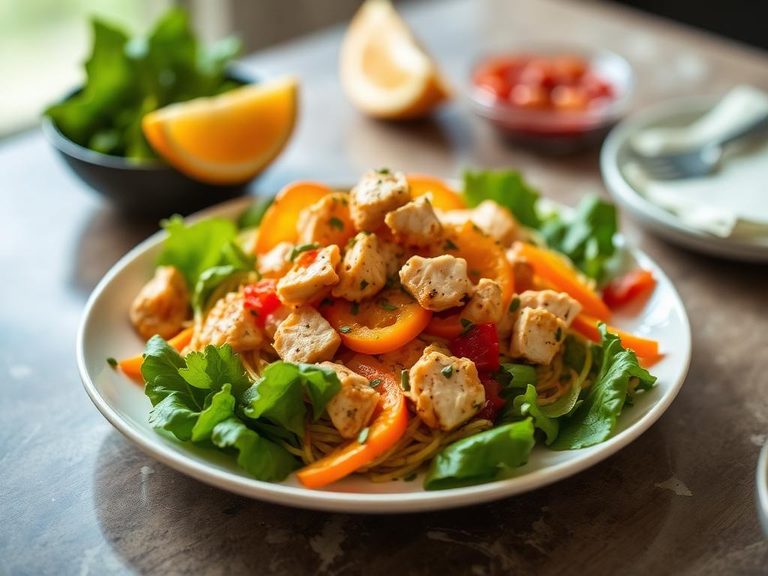
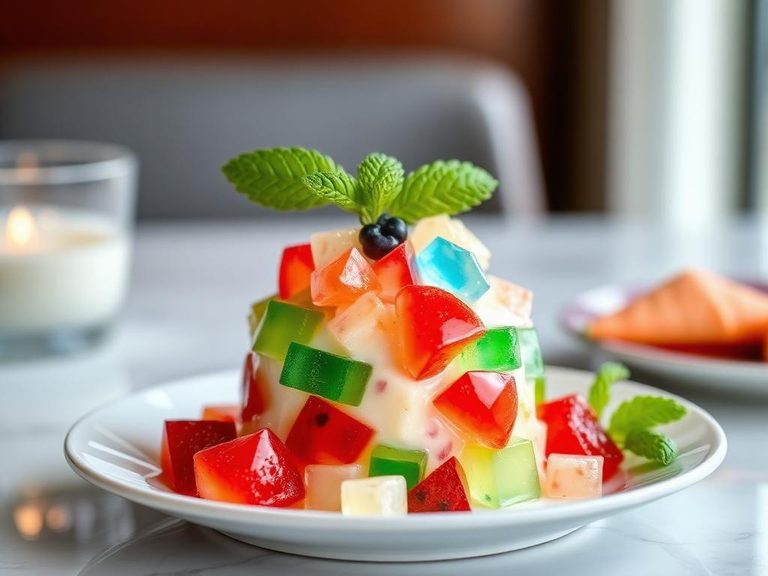
🌍 Where it's eaten
💡 Did you know?
The mandarin orange's name is thought to derive from the rich, ornate robes worn by Chinese officials (mandarins), not from the fruit's country of origin.
Full nutrition (USDA data · scales with serving)
| Water | 83.1 g |
| Energy | 61.0 kcal |
| Energy | 255 kj |
| Protein | 0.45 g |
| Total lipid (fat) | 0.10 g |
| Ash | 0.19 g |
| Carbohydrate, by difference | 16.2 g |
| Fiber, total dietary | 0.70 g |
| Total Sugars | 15.5 g |
| Calcium, Ca | 7.0 mg |
| Iron, Fe | 0.37 mg |
| Magnesium, Mg | 8.0 mg |
| Phosphorus, P | 10.0 mg |
| Potassium, K | 78.0 mg |
| Sodium, Na | 6.0 mg |
| Zinc, Zn | 0.24 mg |
| Copper, Cu | 0.04 mg |
| Manganese, Mn | 0.03 mg |
| Selenium, Se | 0.40 ug |
| Vitamin C, total ascorbic acid | 19.8 mg |
| Thiamin | 0.05 mg |
| Riboflavin | 0.04 mg |
| Niacin | 0.45 mg |
| Pantothenic acid | 0.13 mg |
| Vitamin B-6 | 0.04 mg |
| Folate, total | 5.0 ug |
| Folic acid | 0.00 ug |
| Folate, food | 5.0 ug |
| Folate, DFE | 5.0 ug |
| Choline, total | 6.9 mg |
| Vitamin B-12 | 0.00 ug |
| Vitamin B-12, added | 0.00 ug |
| Vitamin A, RAE | 42.0 ug |
| Retinol | 0.00 ug |
| Carotene, beta | 191 ug |
| Carotene, alpha | 131 ug |
| Cryptoxanthin, beta | 496 ug |
| Vitamin A, IU | 840 iu |
| Lycopene | 0.00 ug |
| Lutein + zeaxanthin | 163 ug |
| Vitamin E (alpha-tocopherol) | 0.10 mg |
| Vitamin E, added | 0.00 mg |
| Vitamin D (D2 + D3), International Units | 0.00 iu |
| Vitamin D (D2 + D3) | 0.00 ug |
| Vitamin K (phylloquinone) | 0.00 ug |
| Alcohol, ethyl | 0.00 g |
| Caffeine | 0.00 mg |
| Theobromine | 0.00 mg |
Fat & fatty acid profile (per 100g)
| Fatty acids, total saturated | 0.01 g |
| SFA 4:0 | 0.00 g |
| SFA 6:0 | 0.00 g |
| SFA 8:0 | 0.00 g |
| SFA 10:0 | 0.00 g |
| SFA 12:0 | 0.00 g |
| SFA 14:0 | 0.00 g |
| SFA 16:0 | 0.01 g |
| SFA 18:0 | 0.00 g |
| Fatty acids, total monounsaturated | 0.02 g |
| MUFA 16:1 | 0.00 g |
| MUFA 18:1 | 0.02 g |
| MUFA 20:1 | 0.00 g |
| MUFA 22:1 | 0.00 g |
| Fatty acids, total polyunsaturated | 0.02 g |
| PUFA 18:2 | 0.01 g |
| PUFA 18:3 | 0.01 g |
| PUFA 18:4 | 0.00 g |
| PUFA 20:4 | 0.00 g |
| PUFA 20:5 n-3 (EPA) | 0.00 g |
| PUFA 22:5 n-3 (DPA) | 0.00 g |
| PUFA 22:6 n-3 (DHA) | 0.00 g |
| Fatty acids, total trans | 0.00 g |
| Cholesterol | 0.00 mg |
Amino acid profile (per 100g)
| Tryptophan | 0.00 g |
| Threonine | 0.01 g |
| Isoleucine | 0.01 g |
| Leucine | 0.01 g |
| Lysine | 0.02 g |
| Methionine | 0.01 g |
| Cystine | 0.01 g |
| Phenylalanine | 0.01 g |
| Tyrosine | 0.01 g |
| Valine | 0.02 g |
| Arginine | 0.03 g |
| Histidine | 0.01 g |
| Alanine | 0.02 g |
| Aspartic acid | 0.06 g |
| Glutamic acid | 0.04 g |
| Glycine | 0.04 g |
| Proline | 0.02 g |
| Serine | 0.01 g |
FAQ
Are canned mandarin oranges as nutritious as fresh?
They retain most of their vitamin C and fiber but contain added sugar from the syrup, increasing calorie and carbohydrate content compared to fresh fruit.
How can I reduce the sugar content?
You can rinse the segments under cool water to remove some surface syrup, or look for cans packed in water or 100% fruit juice instead of light syrup.
What's the difference between 'light syrup' and 'heavy syrup'?
Light syrup is a less concentrated sugar solution, resulting in fewer calories and less sweetness per serving compared to heavy syrup, which is denser and sweeter.
Nutrient density (calculated · NRF9.3)
Nutrient Rich Foods index: beneficial nutrients (protein, fiber, vitamins, minerals) minus saturated fat, added sugar & sodium, per 100 kcal.
NRF9.3 index — Fulgoni, Keast & Drewnowski, 2009. Computed from USDA nutrients.
Weight-loss friendliness (composite index)
Energy density 0.61 kcal/g · 3% calories from protein · 0.7 g fiber · 15.5 g sugar per 100 g.
Composite of energy density (Rolls et al., 1999), protein & fiber satiety, minus sugar. A calculated heuristic — ranks satiety-per-calorie, not a clinical measure.
Dietary load (calculated from USDA values)
Potential renal acid load. Positive = acid-forming, negative = alkaline-forming.
Sodium-to-potassium ratio: 0.08 (lower is better — aim for ≤ 1)
Sodium:potassium per WHO potassium guidance. Computed from USDA nutrients.