

Spinach, for use on a sandwich
Common food

Photo: Wikipedia
Spinach is a tender, leafy green with a mild, earthy flavor and a delicate, slightly crisp texture when fresh. It's a nutritional powerhouse, packing a surprising amount of protein and fiber into its low-calorie profile. Its vibrant color and versatility make it a staple for adding both nutrition and visual appeal to meals.
Calorie split: 43% protein · 36% carbs · 21% fat
↓ Full nutrition💚 Why it's loved
People love spinach for its mild, adaptable flavor that seamlessly blends into both raw and cooked dishes, from salads to smoothies. Its cultural ubiquity—from Italian pasta fillings to Indian curries—makes it a familiar, comforting, and endlessly versatile ingredient.
⚠️ Watch-outs & how to enjoy it better
Raw spinach contains oxalates, which can bind to minerals like calcium and iron, potentially reducing absorption. For those prone to kidney stones, it's advisable to consume spinach in moderation and pair it with a calcium source (like cheese or yogurt) or cook it to reduce oxalate content.
Key benefits
- Excellent source of vitamins A, C, and K
- Rich in minerals like iron, calcium, and magnesium
- High in antioxidants like lutein and zeaxanthin
- Good source of plant-based protein and dietary fiber
- Low in calories and carbohydrates
🍽️ Popular dishes
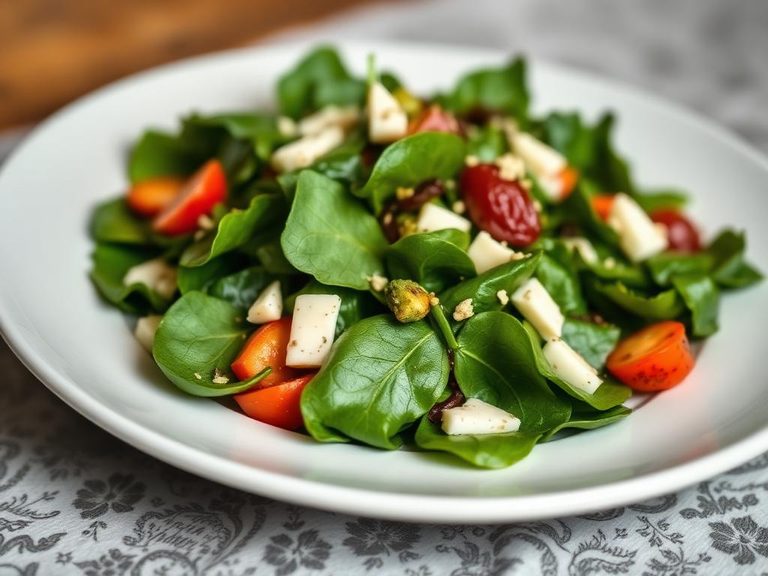
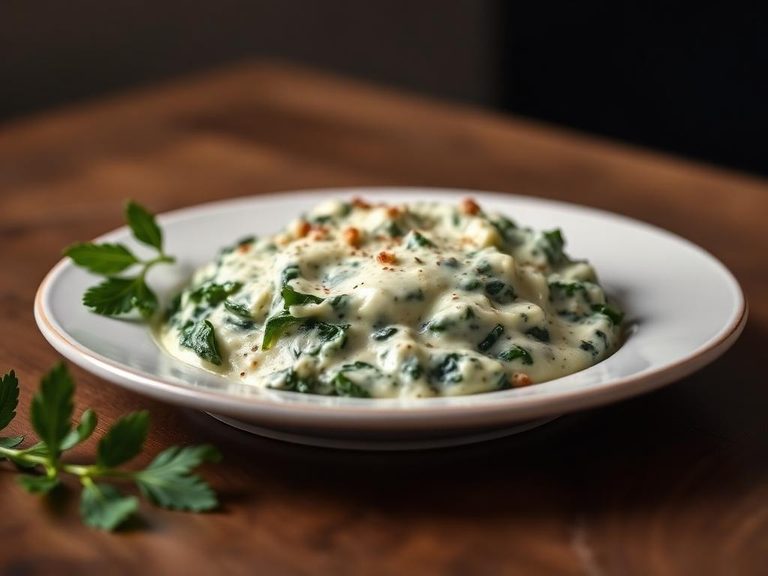
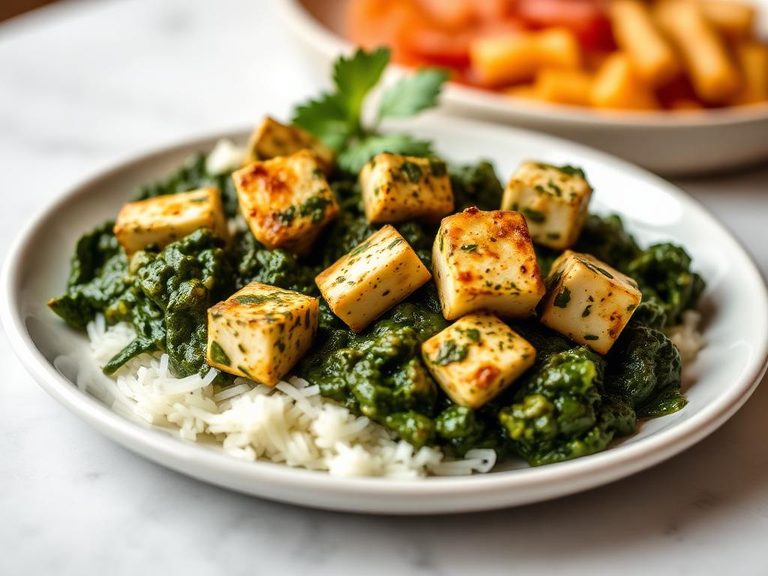

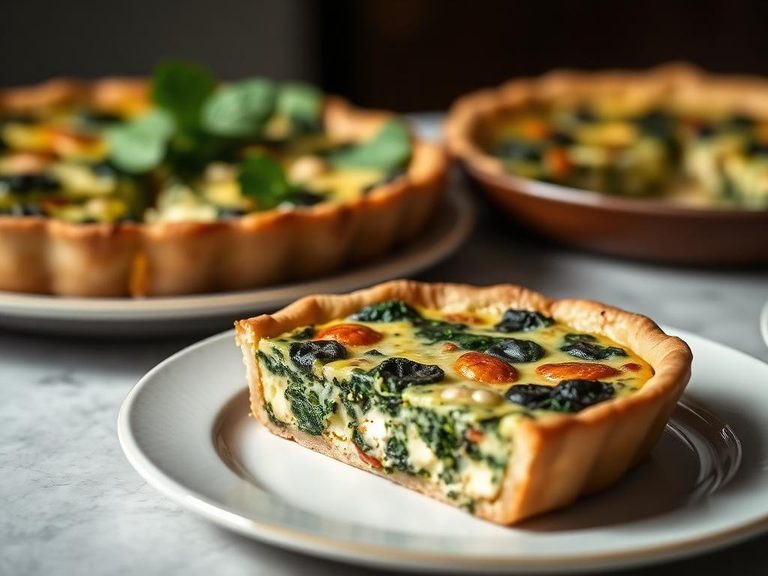
🌍 Where it's eaten
💡 Did you know?
Spinach was once called 'the Spanish vegetable' in England because it was introduced via Moorish Spain in the 14th century, leading to the false belief it originated there.
Full nutrition (USDA data · scales with serving)
| Water | 92.5 g |
| Energy | 27.0 kcal |
| Protein | 2.9 g |
| Total lipid (fat) | 0.62 g |
| Carbohydrate, by difference | 2.4 g |
| Fiber, total dietary | 1.6 g |
| Total Sugars | 0.42 g |
| Calcium, Ca | 68.0 mg |
| Iron, Fe | 1.3 mg |
| Magnesium, Mg | 93.0 mg |
| Phosphorus, P | 39.0 mg |
| Potassium, K | 582 mg |
| Sodium, Na | 111 mg |
| Zinc, Zn | 0.45 mg |
| Copper, Cu | 0.08 mg |
| Selenium, Se | 0.00 ug |
| Vitamin C, total ascorbic acid | 26.5 mg |
| Thiamin | 0.08 mg |
| Riboflavin | 0.19 mg |
| Niacin | 0.55 mg |
| Vitamin B-6 | 0.20 mg |
| Folate, total | 116 ug |
| Folic acid | 0.00 ug |
| Folate, food | 116 ug |
| Folate, DFE | 116 ug |
| Choline, total | 19.3 mg |
| Vitamin B-12 | 0.00 ug |
| Vitamin B-12, added | 0.00 ug |
| Vitamin A, RAE | 283 ug |
| Retinol | 0.00 ug |
| Carotene, beta | 3400 ug |
| Carotene, alpha | 0.00 ug |
| Cryptoxanthin, beta | 0.00 ug |
| Lycopene | 0.00 ug |
| Lutein + zeaxanthin | 6020 ug |
| Vitamin E (alpha-tocopherol) | 2.0 mg |
| Vitamin E, added | 0.00 mg |
| Vitamin D (D2 + D3) | 0.00 ug |
| Vitamin K (phylloquinone) | 483 ug |
| Alcohol, ethyl | 0.00 g |
| Caffeine | 0.00 mg |
| Theobromine | 0.00 mg |
Fat & fatty acid profile (per 100g)
| Fatty acids, total saturated | 0.06 g |
| SFA 4:0 | 0.00 g |
| SFA 6:0 | 0.00 g |
| SFA 8:0 | 0.00 g |
| SFA 10:0 | 0.00 g |
| SFA 12:0 | 0.00 g |
| SFA 14:0 | 0.01 g |
| SFA 16:0 | 0.05 g |
| SFA 18:0 | 0.00 g |
| Fatty acids, total monounsaturated | 0.01 g |
| MUFA 16:1 | 0.01 g |
| MUFA 18:1 | 0.01 g |
| MUFA 20:1 | 0.00 g |
| MUFA 22:1 | 0.00 g |
| Fatty acids, total polyunsaturated | 0.17 g |
| PUFA 18:2 | 0.03 g |
| PUFA 18:3 | 0.14 g |
| PUFA 18:4 | 0.00 g |
| PUFA 20:4 | 0.00 g |
| PUFA 20:5 n-3 (EPA) | 0.00 g |
| PUFA 22:5 n-3 (DPA) | 0.00 g |
| PUFA 22:6 n-3 (DHA) | 0.00 g |
| Cholesterol | 0.00 mg |
Amino acid profile (per 100g)
Estimated from Babyfood, vegetables, spinach, creamed, strained — USDA does not publish this profile for Spinach.
| Tryptophan | 0.04 g |
| Threonine | 0.10 g |
| Isoleucine | 0.11 g |
| Leucine | 0.22 g |
| Lysine | 0.15 g |
| Methionine | 0.06 g |
| Cystine | 0.03 g |
| Phenylalanine | 0.10 g |
| Tyrosine | 0.12 g |
| Valine | 0.15 g |
| Arginine | 0.15 g |
| Histidine | 0.06 g |
| Alanine | 0.12 g |
| Aspartic acid | 0.20 g |
| Glutamic acid | 0.42 g |
| Glycine | 0.10 g |
| Proline | 0.21 g |
| Serine | 0.10 g |
FAQ
Is frozen spinach as nutritious as fresh?
Yes, often more so. Spinach is typically flash-frozen at peak ripeness, locking in nutrients. Fresh spinach can lose some vitamins during transport and storage.
Why does cooked spinach shrink so much?
Spinach leaves are over 90% water. Cooking breaks down the cell walls, releasing the water and causing the leaves to wilt dramatically, concentrating the nutrients.
Can I eat spinach raw every day?
While nutritious, daily raw spinach intake may be inadvisable for some due to oxalates. Rotating with other greens like kale or arugula, and cooking spinach occasionally, helps mitigate this.
Nutrient density (calculated · NRF9.3)
Nutrient Rich Foods index: beneficial nutrients (protein, fiber, vitamins, minerals) minus saturated fat, added sugar & sodium, per 100 kcal.
NRF9.3 index — Fulgoni, Keast & Drewnowski, 2009. Computed from USDA nutrients.
Weight-loss friendliness (composite index)
Energy density 0.27 kcal/g · 42% calories from protein · 1.6 g fiber · 0.4 g sugar per 100 g.
Composite of energy density (Rolls et al., 1999), protein & fiber satiety, minus sugar. A calculated heuristic — ranks satiety-per-calorie, not a clinical measure.
Dietary load (calculated from USDA values)
Potential renal acid load. Positive = acid-forming, negative = alkaline-forming.
Sodium-to-potassium ratio: 0.19 (lower is better — aim for ≤ 1)
Sodium:potassium per WHO potassium guidance. Computed from USDA nutrients.