

Spaghetti sauce with added vegetables
Common food

Photo: Wikipedia
A vibrant, chunky tomato-based sauce enriched with finely diced vegetables like carrots, celery, and onions, simmered to a rich, savory depth. Its texture is smooth yet hearty, with a sweet-tart tomato base balanced by the earthy notes of the vegetables. Nutritionally, it's a low-calorie, fiber-rich way to boost the vegetable content of a meal.
Calorie split: 13% protein · 64% carbs · 23% fat
↓ Full nutrition💚 Why it's loved
People love it for its comforting, savory flavor that forms the backbone of countless family meals. It's a kitchen workhorse, effortlessly transforming plain pasta, proteins, or grains into a complete, satisfying dish with minimal effort.
⚠️ Watch-outs & how to enjoy it better
Some commercial versions can be high in sodium and added sugars, which may concern those monitoring blood pressure or blood sugar. To counteract this, look for low-sodium varieties, or make your own to control ingredients. Pairing the sauce with a lean protein (like chicken or beans) and a healthy fat (like olive oil) can also help blunt any glycemic response.
Key benefits
- Low in calories and fat per serving
- Good source of dietary fiber for digestive health
- Provides vitamins A and C from tomatoes and vegetables
- Adds volume and nutrients without significant calories
- Versatile base for many healthy meal preparations
🍽️ Popular dishes
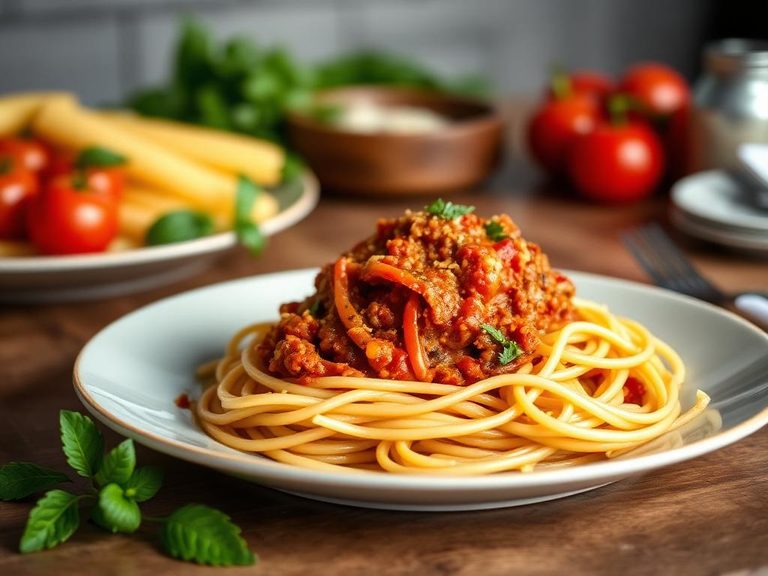
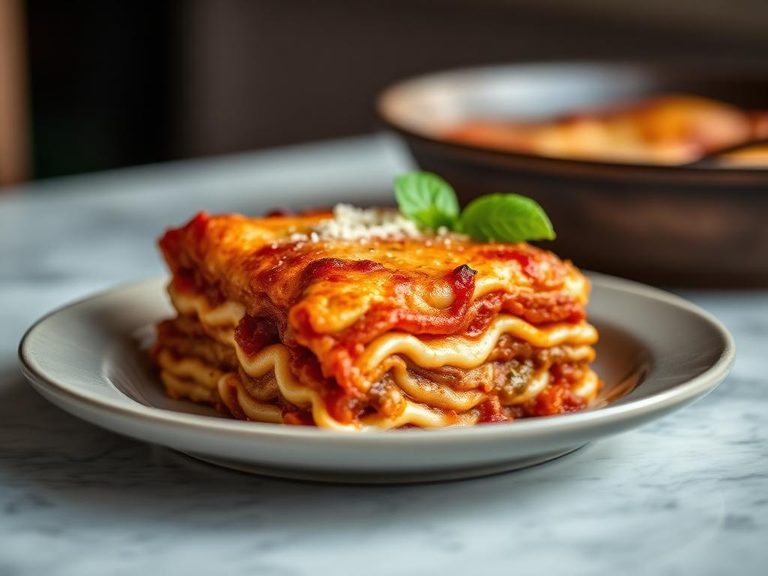
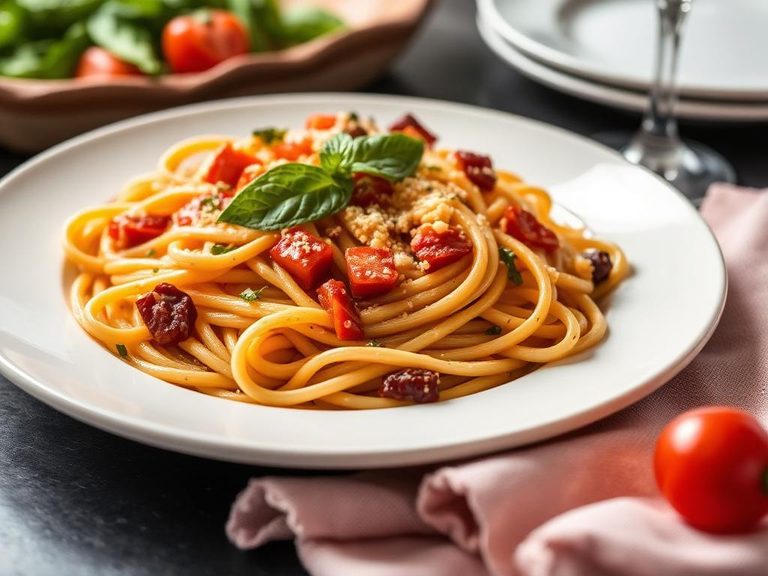
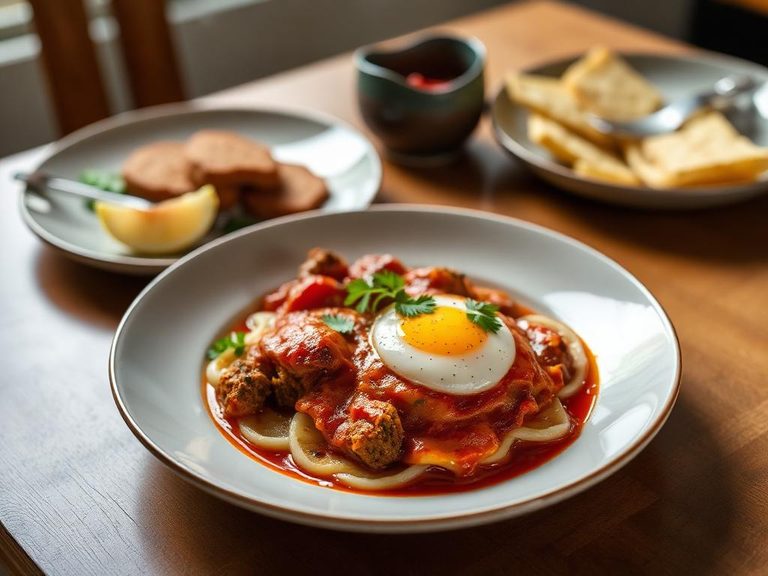
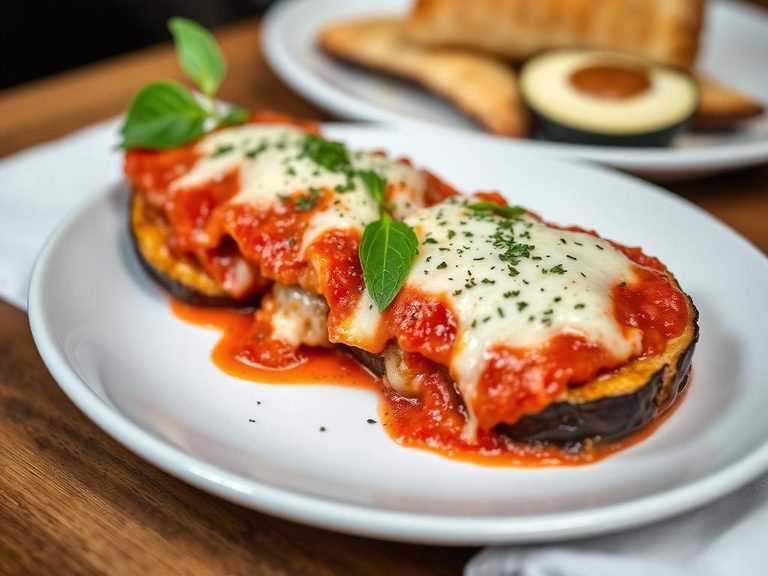
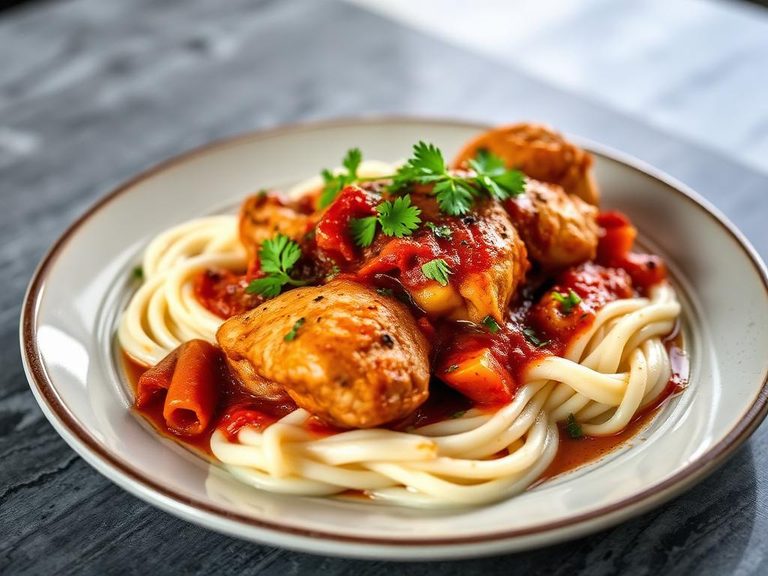
🌍 Where it's eaten
💡 Did you know?
The classic Italian 'soffritto' (onion, carrot, celery) is the vegetable foundation for this sauce, and its name literally means 'fried slowly' in Italian, referring to the gentle sautéing that builds the flavor base.
Full nutrition (USDA data · scales with serving)
| Water | 88.4 g |
| Energy | 46.0 kcal |
| Protein | 1.5 g |
| Total lipid (fat) | 1.2 g |
| Carbohydrate, by difference | 7.5 g |
| Fiber, total dietary | 1.7 g |
| Total Sugars | 5.0 g |
| Calcium, Ca | 23.0 mg |
| Iron, Fe | 0.69 mg |
| Magnesium, Mg | 17.0 mg |
| Phosphorus, P | 40.0 mg |
| Potassium, K | 316 mg |
| Sodium, Na | 321 mg |
| Zinc, Zn | 0.24 mg |
| Copper, Cu | 0.11 mg |
| Selenium, Se | 2.8 ug |
| Vitamin C, total ascorbic acid | 12.1 mg |
| Thiamin | 0.03 mg |
| Riboflavin | 0.10 mg |
| Niacin | 3.4 mg |
| Vitamin B-6 | 0.17 mg |
| Folate, total | 17.0 ug |
| Folic acid | 0.00 ug |
| Folate, food | 17.0 ug |
| Folate, DFE | 17.0 ug |
| Choline, total | 13.4 mg |
| Vitamin B-12 | 0.00 ug |
| Vitamin B-12, added | 0.00 ug |
| Vitamin A, RAE | 33.0 ug |
| Retinol | 0.00 ug |
| Carotene, beta | 392 ug |
| Carotene, alpha | 2.0 ug |
| Cryptoxanthin, beta | 22.0 ug |
| Lycopene | 9712 ug |
| Lutein + zeaxanthin | 266 ug |
| Vitamin E (alpha-tocopherol) | 1.9 mg |
| Vitamin E, added | 0.00 mg |
| Vitamin D (D2 + D3) | 0.00 ug |
| Vitamin K (phylloquinone) | 11.6 ug |
| Alcohol, ethyl | 0.00 g |
| Caffeine | 0.00 mg |
| Theobromine | 0.00 mg |
Fat & fatty acid profile (per 100g)
| Fatty acids, total saturated | 0.15 g |
| SFA 4:0 | 0.00 g |
| SFA 6:0 | 0.00 g |
| SFA 8:0 | 0.00 g |
| SFA 10:0 | 0.00 g |
| SFA 12:0 | 0.00 g |
| SFA 14:0 | 0.00 g |
| SFA 16:0 | 0.09 g |
| SFA 18:0 | 0.03 g |
| Fatty acids, total monounsaturated | 0.29 g |
| MUFA 16:1 | 0.00 g |
| MUFA 18:1 | 0.28 g |
| MUFA 20:1 | 0.01 g |
| MUFA 22:1 | 0.00 g |
| Fatty acids, total polyunsaturated | 0.42 g |
| PUFA 18:2 | 0.35 g |
| PUFA 18:3 | 0.07 g |
| PUFA 18:4 | 0.00 g |
| PUFA 20:4 | 0.00 g |
| PUFA 20:5 n-3 (EPA) | 0.00 g |
| PUFA 22:5 n-3 (DPA) | 0.00 g |
| PUFA 22:6 n-3 (DHA) | 0.00 g |
| Cholesterol | 2.0 mg |
Amino acid profile (per 100g)
Estimated from OLIVE GARDEN, spaghetti with meat sauce — USDA does not publish this profile for Spaghetti sauce with added vegetables.
| Tryptophan | 0.06 g |
| Threonine | 0.20 g |
| Isoleucine | 0.21 g |
| Leucine | 0.40 g |
| Lysine | 0.23 g |
| Methionine | 0.12 g |
| Cystine | 0.10 g |
| Phenylalanine | 0.29 g |
| Tyrosine | 0.14 g |
| Valine | 0.24 g |
| Arginine | 0.29 g |
| Histidine | 0.15 g |
| Alanine | 0.26 g |
| Aspartic acid | 0.46 g |
| Glutamic acid | 1.7 g |
| Glycine | 0.24 g |
| Proline | 0.57 g |
| Serine | 0.27 g |
| Hydroxyproline | 0.00 g |
FAQ
Is spaghetti sauce with vegetables healthy?
Yes, it can be a very healthy choice. It's low in calories and fat while providing fiber, vitamins, and antioxidants from the tomatoes and added vegetables. The healthiness depends on the specific brand or recipe, so checking labels for sodium and added sugar is wise.
How is it different from plain marinara sauce?
Marinara is a simpler sauce, typically just tomatoes, garlic, herbs, and olive oil. Spaghetti sauce with added vegetables is a heartier, more complex version that includes a mirepoix (onion, carrot, celery) and sometimes other vegetables like bell peppers or mushrooms, giving it more texture and nutritional variety.
Can I use it for dishes other than pasta?
Absolutely! It's incredibly versatile. Use it as a base for pizza, a simmering liquid for meatballs or sausages, a shakshuka base for eggs, a topping for baked potatoes or polenta, or a flavorful addition to soups and stews.
Nutrient density (calculated · NRF9.3)
Nutrient Rich Foods index: beneficial nutrients (protein, fiber, vitamins, minerals) minus saturated fat, added sugar & sodium, per 100 kcal.
NRF9.3 index — Fulgoni, Keast & Drewnowski, 2009. Computed from USDA nutrients.
Weight-loss friendliness (composite index)
Energy density 0.46 kcal/g · 13% calories from protein · 1.7 g fiber · 5.0 g sugar per 100 g.
Composite of energy density (Rolls et al., 1999), protein & fiber satiety, minus sugar. A calculated heuristic — ranks satiety-per-calorie, not a clinical measure.
Dietary load (calculated from USDA values)
Potential renal acid load. Positive = acid-forming, negative = alkaline-forming.
Sodium-to-potassium ratio: 1.02 (lower is better — aim for ≤ 1)
Sodium:potassium per WHO potassium guidance. Computed from USDA nutrients.