

Spaghetti sauce, reduced sodium
Common food

Photo: Wikipedia
Reduced sodium spaghetti sauce is a savory, tomato-based condiment that delivers the classic tangy and slightly sweet flavor of traditional marinara, but with significantly less salt. Its smooth, rich texture is perfect for coating pasta, while its lower sodium content makes it a heart-healthier choice. With only 51 kcal and 1.8g fiber per 100g, it's a light yet flavorful base for many meals.
Calorie split: 11% protein · 63% carbs · 26% fat
↓ Full nutrition💚 Why it's loved
People love it for its ability to deliver a rich, tomato-forward flavor without the guilt of excess sodium, making it a staple for health-conscious home cooks. Its versatility as a base for pasta, pizza, and stews means it's a pantry hero that simplifies meal prep while still tasting authentic.
⚠️ Watch-outs & how to enjoy it better
The reduced sodium can sometimes make it taste less robust or 'flat' compared to regular sauce, which may disappoint those used to bold flavors. To counteract this, add a pinch of salt or a splash of balsamic vinegar to enhance depth, or pair it with protein-rich foods like chicken or beans to balance the meal and prevent blood-sugar spikes from the 5.5g sugar content.
Key benefits
- Supports heart health by reducing sodium intake
- Low in calories (51 kcal per 100g)
- Provides dietary fiber (1.8g per 100g)
- Rich in lycopene from tomatoes
- Versatile base for various dishes
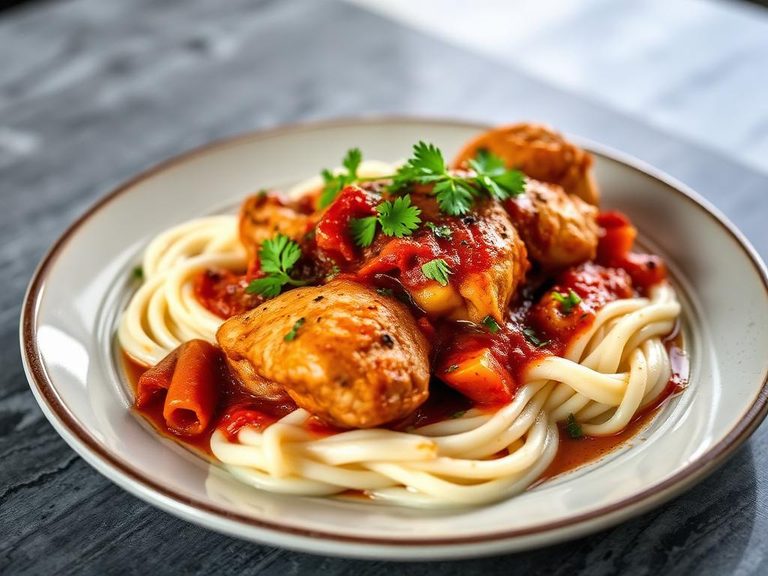
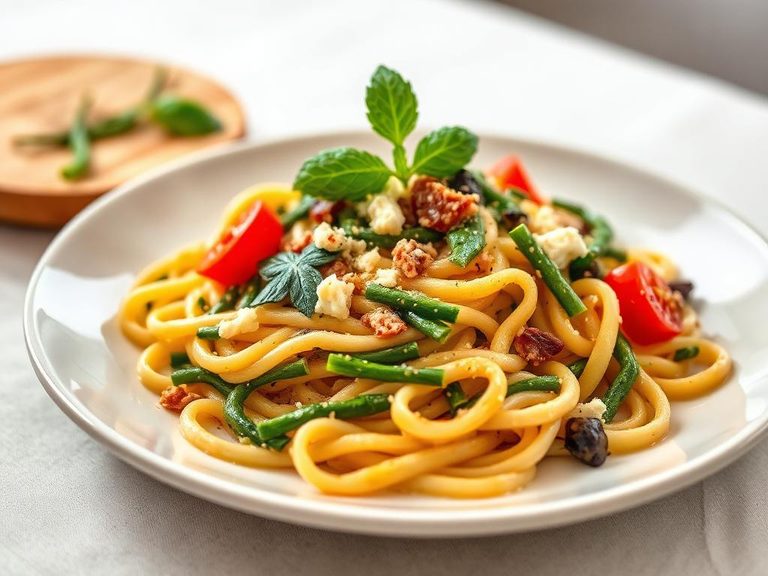
🍽️ Popular dishes
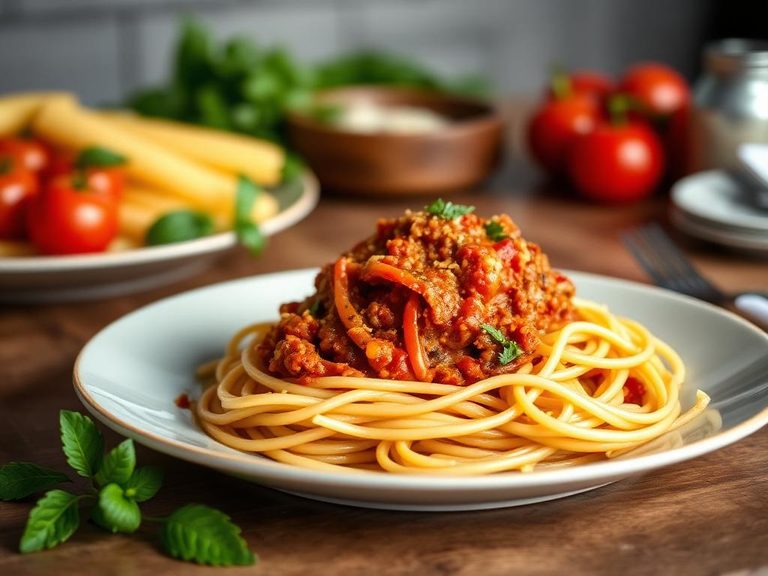
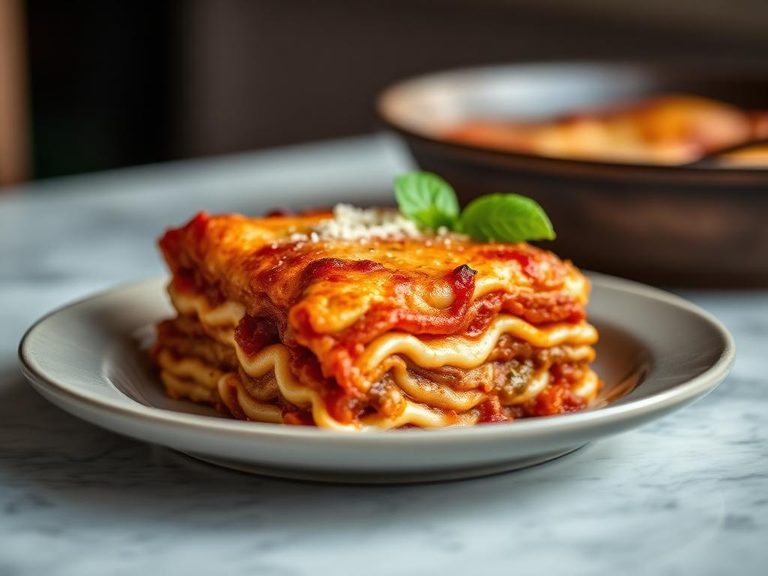
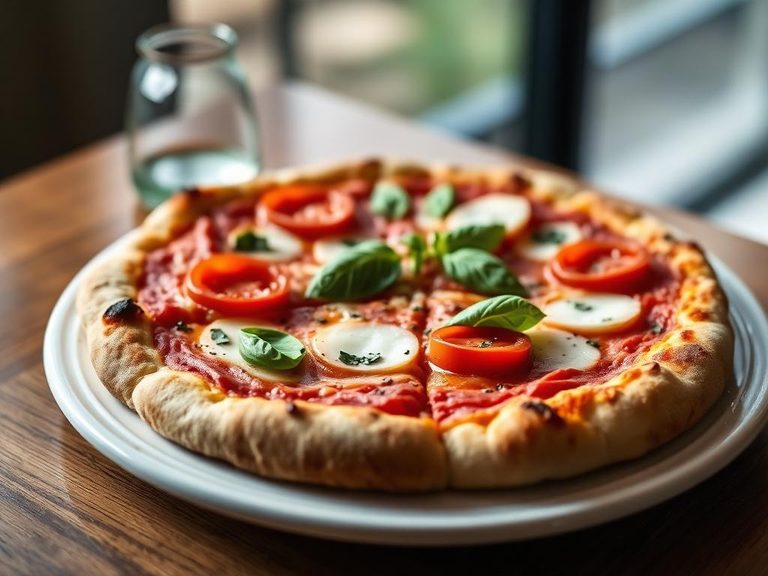
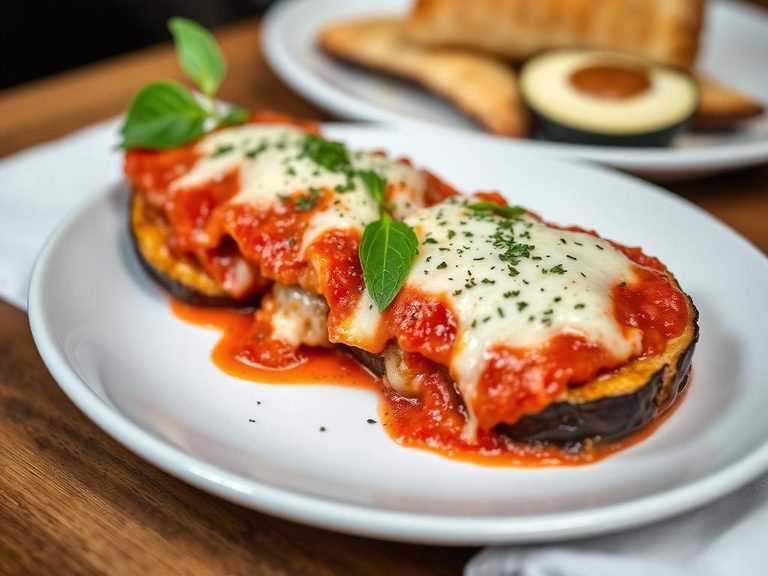
🌍 Where it's eaten
💡 Did you know?
Tomatoes, the main ingredient, were once feared as poisonous in Europe until the 18th century, but now they're a global staple in sauces like this one.
Full nutrition (USDA data · scales with serving)
| Water | 87.4 g |
| Energy | 51.0 kcal |
| Protein | 1.4 g |
| Total lipid (fat) | 1.5 g |
| Carbohydrate, by difference | 8.1 g |
| Fiber, total dietary | 1.8 g |
| Total Sugars | 5.5 g |
| Calcium, Ca | 27.0 mg |
| Iron, Fe | 0.78 mg |
| Magnesium, Mg | 18.0 mg |
| Phosphorus, P | 34.0 mg |
| Potassium, K | 319 mg |
| Sodium, Na | 30.0 mg |
| Zinc, Zn | 0.20 mg |
| Copper, Cu | 0.08 mg |
| Selenium, Se | 1.1 ug |
| Vitamin C, total ascorbic acid | 2.0 mg |
| Thiamin | 0.02 mg |
| Riboflavin | 0.06 mg |
| Niacin | 3.9 mg |
| Vitamin B-6 | 0.17 mg |
| Folate, total | 13.0 ug |
| Folic acid | 0.00 ug |
| Folate, food | 13.0 ug |
| Folate, DFE | 13.0 ug |
| Choline, total | 13.7 mg |
| Vitamin B-12 | 0.00 ug |
| Vitamin B-12, added | 0.00 ug |
| Vitamin A, RAE | 33.0 ug |
| Retinol | 0.00 ug |
| Carotene, beta | 390 ug |
| Carotene, alpha | 0.00 ug |
| Cryptoxanthin, beta | 0.00 ug |
| Lycopene | 12665 ug |
| Lutein + zeaxanthin | 190 ug |
| Vitamin E (alpha-tocopherol) | 2.4 mg |
| Vitamin E, added | 0.00 mg |
| Vitamin D (D2 + D3) | 0.00 ug |
| Vitamin K (phylloquinone) | 13.9 ug |
| Alcohol, ethyl | 0.00 g |
| Caffeine | 0.00 mg |
| Theobromine | 0.00 mg |
Fat & fatty acid profile (per 100g)
| Fatty acids, total saturated | 0.17 g |
| SFA 4:0 | 0.00 g |
| SFA 6:0 | 0.00 g |
| SFA 8:0 | 0.00 g |
| SFA 10:0 | 0.00 g |
| SFA 12:0 | 0.00 g |
| SFA 14:0 | 0.00 g |
| SFA 16:0 | 0.11 g |
| SFA 18:0 | 0.04 g |
| Fatty acids, total monounsaturated | 0.38 g |
| MUFA 16:1 | 0.00 g |
| MUFA 18:1 | 0.36 g |
| MUFA 20:1 | 0.01 g |
| MUFA 22:1 | 0.00 g |
| Fatty acids, total polyunsaturated | 0.51 g |
| PUFA 18:2 | 0.43 g |
| PUFA 18:3 | 0.08 g |
| PUFA 18:4 | 0.00 g |
| PUFA 20:4 | 0.00 g |
| PUFA 20:5 n-3 (EPA) | 0.00 g |
| PUFA 22:5 n-3 (DPA) | 0.00 g |
| PUFA 22:6 n-3 (DHA) | 0.00 g |
| Cholesterol | 2.0 mg |
Amino acid profile (per 100g)
Estimated from OLIVE GARDEN, spaghetti with meat sauce — USDA does not publish this profile for Spaghetti sauce.
| Tryptophan | 0.06 g |
| Threonine | 0.20 g |
| Isoleucine | 0.21 g |
| Leucine | 0.40 g |
| Lysine | 0.23 g |
| Methionine | 0.12 g |
| Cystine | 0.10 g |
| Phenylalanine | 0.29 g |
| Tyrosine | 0.14 g |
| Valine | 0.24 g |
| Arginine | 0.29 g |
| Histidine | 0.15 g |
| Alanine | 0.26 g |
| Aspartic acid | 0.46 g |
| Glutamic acid | 1.7 g |
| Glycine | 0.24 g |
| Proline | 0.57 g |
| Serine | 0.27 g |
| Hydroxyproline | 0.00 g |
FAQ
How does reduced sodium spaghetti sauce differ from regular sauce?
It contains significantly less salt, typically 25-50% less, while maintaining similar flavor through herbs and spices. This makes it better for those monitoring blood pressure.
Can I use it in recipes that call for regular spaghetti sauce?
Yes, but you may need to adjust seasoning. Add a small amount of salt or herbs like oregano to boost flavor if needed.
Is it suitable for people with dietary restrictions?
It's often low in fat and calories, making it suitable for weight management. However, check labels for allergens like garlic or onions, and ensure it's gluten-free if needed.
Nutrient density (calculated · NRF9.3)
Nutrient Rich Foods index: beneficial nutrients (protein, fiber, vitamins, minerals) minus saturated fat, added sugar & sodium, per 100 kcal.
NRF9.3 index — Fulgoni, Keast & Drewnowski, 2009. Computed from USDA nutrients.
Weight-loss friendliness (composite index)
Energy density 0.51 kcal/g · 11% calories from protein · 1.8 g fiber · 5.5 g sugar per 100 g.
Composite of energy density (Rolls et al., 1999), protein & fiber satiety, minus sugar. A calculated heuristic — ranks satiety-per-calorie, not a clinical measure.
Dietary load (calculated from USDA values)
Potential renal acid load. Positive = acid-forming, negative = alkaline-forming.
Sodium-to-potassium ratio: 0.09 (lower is better — aim for ≤ 1)
Sodium:potassium per WHO potassium guidance. Computed from USDA nutrients.