

Soy protein isolate
Whole food · Legumes and Legume Products

Photo: Wikipedia
Soy protein isolate is a highly refined powder derived from soybeans, stripped of most fats and carbs to deliver an exceptionally concentrated protein source. It has a neutral, slightly beany taste with a fine, smooth texture that blends easily into liquids and batters. Its standout feature is its nutritional profile: a massive 88 grams of protein per 100 grams, with virtually zero carbohydrates or fat.
Calorie split: 92% protein · 0% carbs · 8% fat
↓ Full nutrition💚 Why it's loved
People love it for its ability to seamlessly boost protein intake without altering the flavor profile of smoothies, baked goods, or savory dishes. Its neutral taste and functional properties make it a staple in fitness nutrition and a reliable ingredient for home cooks and food manufacturers alike.
⚠️ Watch-outs & how to enjoy it better
Some individuals may experience digestive discomfort like bloating due to its concentrated nature and oligosaccharides. It is a common allergen, so those with soy allergies must avoid it. To mitigate digestive issues, start with small portions, ensure adequate hydration, and consider pairing it with digestive enzyme-rich foods like pineapple or papaya.
Key benefits
- Excellent source of complete plant-based protein, containing all essential amino acids.
- Very low in carbohydrates and fat, making it ideal for specific dietary goals.
- Highly versatile ingredient for boosting protein content in foods and beverages.
- Lactose-free and dairy-free alternative for those with intolerances.
- Typically lower in purines than whole soy products, which can be relevant for some diets.
🍽️ Popular dishes
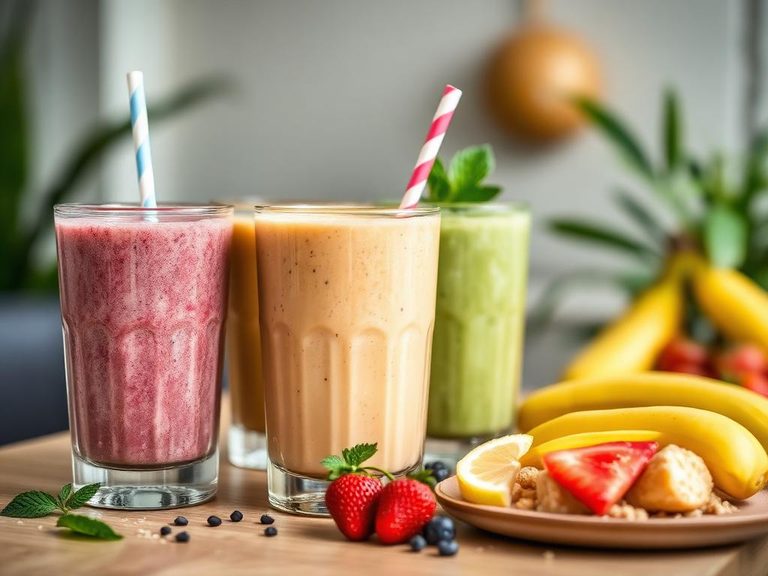
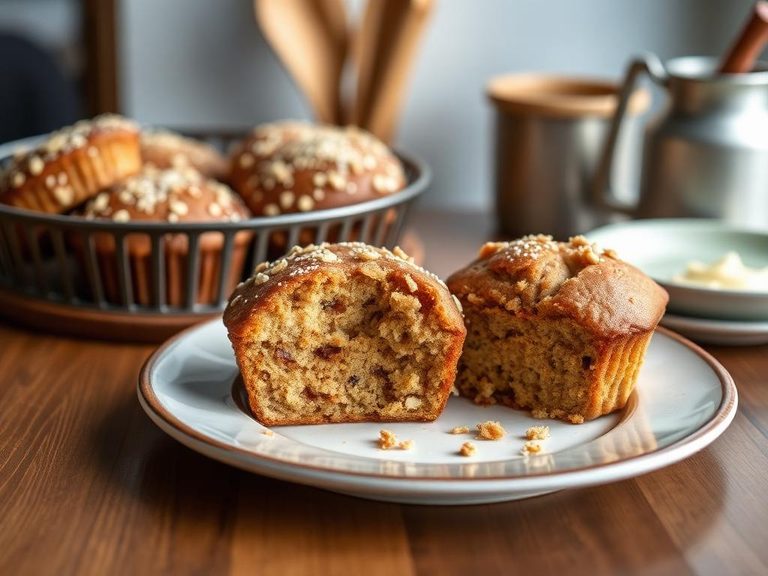
🌍 Where it's eaten
💡 Did you know?
The process to create soy protein isolate is so precise that it can remove over 90% of the carbohydrates and fats from the original soybean, leaving a powder that is over 90% protein by weight.
Full nutrition (USDA data · scales with serving)
| Water | 5.0 g |
| Energy | 335 kcal |
| Energy | 1401 kj |
| Protein | 88.3 g |
| Total lipid (fat) | 3.4 g |
| Ash | 3.6 g |
| Carbohydrate, by difference | 0.00 g |
| Fiber, total dietary | 0.00 g |
| Total Sugars | 0.00 g |
| Calcium, Ca | 178 mg |
| Iron, Fe | 14.5 mg |
| Magnesium, Mg | 39.0 mg |
| Phosphorus, P | 776 mg |
| Potassium, K | 81.0 mg |
| Sodium, Na | 1005 mg |
| Zinc, Zn | 4.0 mg |
| Copper, Cu | 1.6 mg |
| Manganese, Mn | 1.5 mg |
| Selenium, Se | 0.80 ug |
| Vitamin C, total ascorbic acid | 0.00 mg |
| Thiamin | 0.18 mg |
| Riboflavin | 0.10 mg |
| Niacin | 1.4 mg |
| Pantothenic acid | 0.06 mg |
| Vitamin B-6 | 0.10 mg |
| Folate, total | 176 ug |
| Folic acid | 0.00 ug |
| Folate, food | 176 ug |
| Folate, DFE | 176 ug |
| Choline, total | 191 mg |
| Vitamin B-12 | 0.00 ug |
| Vitamin B-12, added | 0.00 ug |
| Vitamin A, RAE | 0.00 ug |
| Retinol | 0.00 ug |
| Carotene, beta | 0.00 ug |
| Carotene, alpha | 0.00 ug |
| Cryptoxanthin, beta | 0.00 ug |
| Vitamin A, IU | 0.00 iu |
| Lycopene | 0.00 ug |
| Lutein + zeaxanthin | 0.00 ug |
| Vitamin E (alpha-tocopherol) | 0.00 mg |
| Vitamin E, added | 0.00 mg |
| Vitamin D (D2 + D3), International Units | 0.00 iu |
| Vitamin D (D2 + D3) | 0.00 ug |
| Vitamin K (phylloquinone) | 0.00 ug |
| Alcohol, ethyl | 0.00 g |
| Caffeine | 0.00 mg |
| Theobromine | 0.00 mg |
Fat & fatty acid profile (per 100g)
| Fatty acids, total saturated | 0.42 g |
| SFA 4:0 | 0.00 g |
| SFA 6:0 | 0.00 g |
| SFA 8:0 | 0.00 g |
| SFA 10:0 | 0.00 g |
| SFA 12:0 | 0.00 g |
| SFA 14:0 | 0.01 g |
| SFA 16:0 | 0.31 g |
| SFA 18:0 | 0.10 g |
| Fatty acids, total monounsaturated | 0.65 g |
| MUFA 16:1 | 0.01 g |
| MUFA 18:1 | 0.64 g |
| MUFA 20:1 | 0.00 g |
| MUFA 22:1 | 0.00 g |
| Fatty acids, total polyunsaturated | 1.6 g |
| PUFA 18:2 | 1.5 g |
| PUFA 18:3 | 0.20 g |
| PUFA 18:4 | 0.00 g |
| PUFA 20:4 | 0.00 g |
| PUFA 20:5 n-3 (EPA) | 0.00 g |
| PUFA 22:5 n-3 (DPA) | 0.00 g |
| PUFA 22:6 n-3 (DHA) | 0.00 g |
| Fatty acids, total trans | 0.00 g |
| Cholesterol | 0.00 mg |
Amino acid profile (per 100g)
| Tryptophan | 1.1 g |
| Threonine | 3.1 g |
| Isoleucine | 4.3 g |
| Leucine | 6.8 g |
| Lysine | 5.3 g |
| Methionine | 1.1 g |
| Cystine | 1.0 g |
| Phenylalanine | 4.6 g |
| Tyrosine | 3.2 g |
| Valine | 4.1 g |
| Arginine | 6.7 g |
| Histidine | 2.3 g |
| Alanine | 3.6 g |
| Aspartic acid | 10.2 g |
| Glutamic acid | 17.5 g |
| Glycine | 3.6 g |
| Proline | 5.0 g |
| Serine | 4.6 g |
FAQ
Is soy protein isolate the same as soy flour or tofu?
No. Soy protein isolate is a highly refined extract, while soy flour is ground whole soybeans (with varying fat content), and tofu is a coagulated soy milk curd. Isolate has the highest protein concentration and lowest levels of other components.
Can I use it in cooking and baking?
Yes, it's excellent for adding protein to pancakes, breads, muffins, and sauces. However, it can absorb a lot of moisture, so you may need to adjust liquid ratios in recipes.
Is it safe for daily consumption?
For most healthy individuals, yes, as part of a balanced diet. The FDA considers soy protein beneficial for heart health when consumed as part of a diet low in saturated fat. Those with specific health conditions should consult a doctor or dietitian.
Nutrient density (calculated · NRF9.3)
Nutrient Rich Foods index: beneficial nutrients (protein, fiber, vitamins, minerals) minus saturated fat, added sugar & sodium, per 100 kcal.
NRF9.3 index — Fulgoni, Keast & Drewnowski, 2009. Computed from USDA nutrients.
Weight-loss friendliness (composite index)
Energy density 3.35 kcal/g · 105% calories from protein · 0.0 g fiber · 0.0 g sugar per 100 g.
Composite of energy density (Rolls et al., 1999), protein & fiber satiety, minus sugar. A calculated heuristic — ranks satiety-per-calorie, not a clinical measure.
Dietary load (calculated from USDA values)
Potential renal acid load. Positive = acid-forming, negative = alkaline-forming.
Sodium-to-potassium ratio: 12.41 (lower is better — aim for ≤ 1)
Sodium:potassium per WHO potassium guidance. Computed from USDA nutrients.