

Soy flour, defatted
Whole food · Legumes and Legume Products

Photo: Wikipedia
Defatted soy flour is a fine, pale-yellow powder made from soybeans after most of their oil has been extracted. It has a mild, beany, slightly nutty flavor and a dense, absorbent texture that thickens and binds mixtures. Its standout feature is its exceptional protein density, packing over 51 grams per 100 grams with very little fat.
Calorie split: 58% protein · 38% carbs · 3% fat
↓ Full nutrition💚 Why it's loved
People love it as a versatile, low-fat protein booster that seamlessly integrates into both sweet and savory recipes without adding strong flavors. It's a staple in health-conscious and plant-based cooking for its ability to fortify everything from baked goods to smoothies.
⚠️ Watch-outs & how to enjoy it better
Its dense, absorbent texture can make baked goods dry or heavy if not properly hydrated. It is a common allergen and contains oligosaccharides that may cause digestive discomfort (gas, bloating) in some individuals. To counteract dryness, always pair it with adequate liquid or fat (like eggs or oil) in recipes. To reduce digestive issues, start with small portions and consider using it in cooked dishes where heat can help break down some of the complex sugars.
Key benefits
- Exceptionally high in plant-based protein (51g per 100g).
- Rich in dietary fiber (17.5g per 100g) for digestive health.
- A good source of essential minerals like iron and potassium.
- Low in fat, making it a lean protein source.
- Provides all essential amino acids, making it a complete protein.
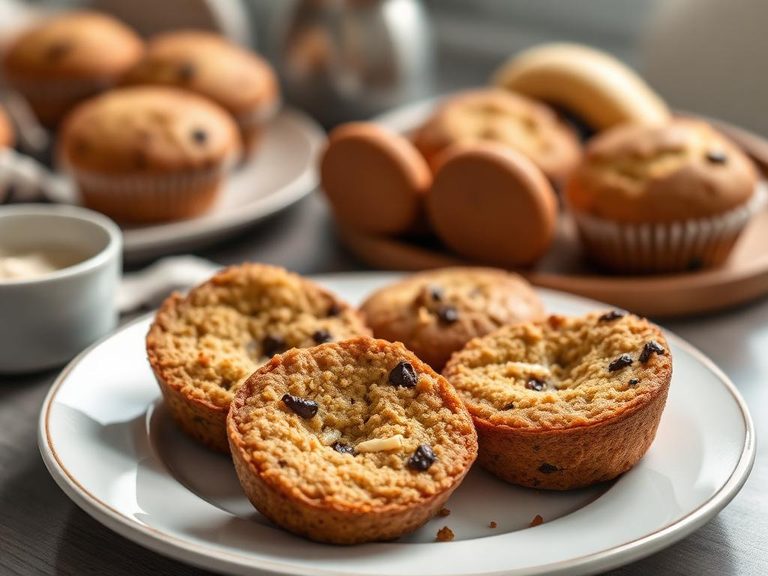
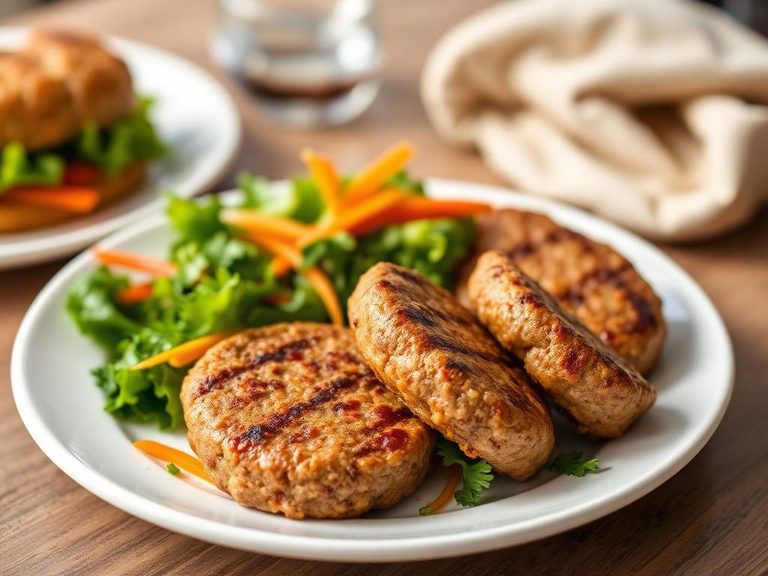
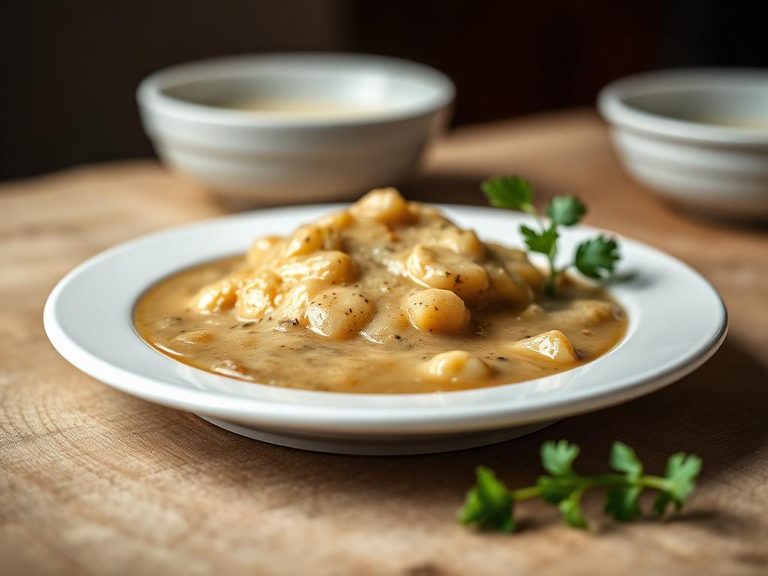
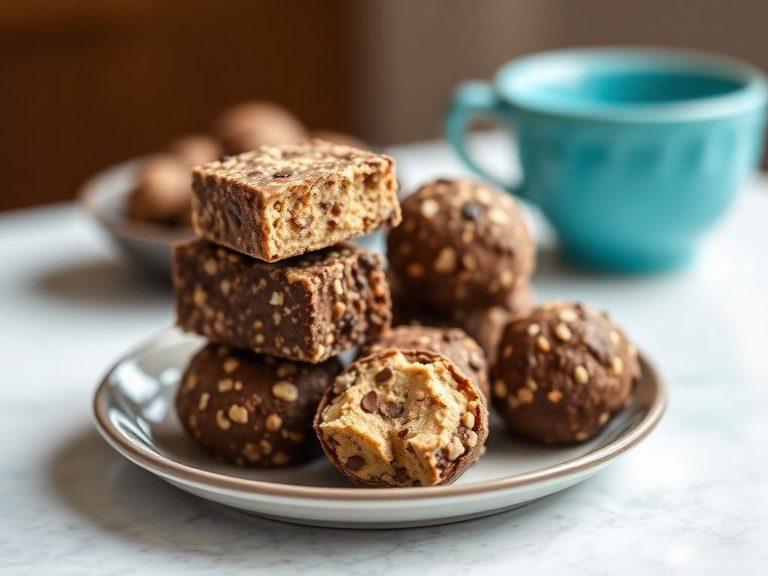
🍽️ Popular dishes
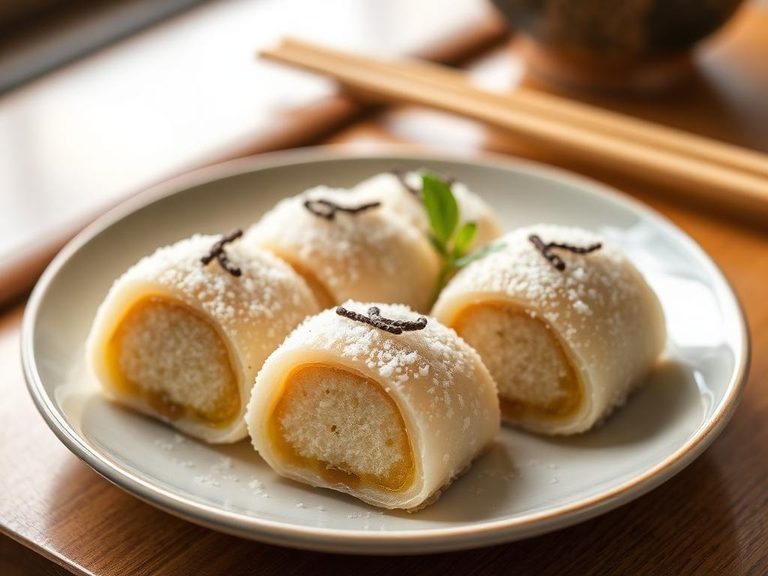
🌍 Where it's eaten
💡 Did you know?
The fine powder left after pressing soybeans for oil is so protein-rich that it's often used as the primary protein source in commercial animal feed, but it's equally valuable for human nutrition.
Full nutrition (USDA data · scales with serving)
| Water | 7.3 g |
| Energy | 327 kcal |
| Energy | 1367 kj |
| Protein | 51.5 g |
| Total lipid (fat) | 1.2 g |
| Ash | 6.2 g |
| Carbohydrate, by difference | 33.9 g |
| Fiber, total dietary | 17.5 g |
| Total Sugars | 16.4 g |
| Calcium, Ca | 241 mg |
| Iron, Fe | 9.2 mg |
| Magnesium, Mg | 290 mg |
| Phosphorus, P | 674 mg |
| Potassium, K | 2384 mg |
| Sodium, Na | 20.0 mg |
| Zinc, Zn | 2.5 mg |
| Copper, Cu | 4.1 mg |
| Manganese, Mn | 3.0 mg |
| Selenium, Se | 1.7 ug |
| Vitamin C, total ascorbic acid | 0.00 mg |
| Thiamin | 0.70 mg |
| Riboflavin | 0.25 mg |
| Niacin | 2.6 mg |
| Pantothenic acid | 2.0 mg |
| Vitamin B-6 | 0.57 mg |
| Folate, total | 305 ug |
| Folic acid | 0.00 ug |
| Folate, food | 305 ug |
| Folate, DFE | 305 ug |
| Choline, total | 11.3 mg |
| Vitamin B-12 | 0.00 ug |
| Vitamin B-12, added | 0.00 ug |
| Vitamin A, RAE | 2.0 ug |
| Retinol | 0.00 ug |
| Carotene, beta | 24.0 ug |
| Carotene, alpha | 0.00 ug |
| Cryptoxanthin, beta | 0.00 ug |
| Vitamin A, IU | 40.0 iu |
| Lycopene | 0.00 ug |
| Lutein + zeaxanthin | 0.00 ug |
| Vitamin E (alpha-tocopherol) | 0.12 mg |
| Vitamin E, added | 0.00 mg |
| Vitamin D (D2 + D3), International Units | 0.00 iu |
| Vitamin D (D2 + D3) | 0.00 ug |
| Vitamin K (phylloquinone) | 4.1 ug |
| Alcohol, ethyl | 0.00 g |
| Caffeine | 0.00 mg |
| Theobromine | 0.00 mg |
Fat & fatty acid profile (per 100g)
| Fatty acids, total saturated | 0.14 g |
| SFA 4:0 | 0.00 g |
| SFA 6:0 | 0.00 g |
| SFA 8:0 | 0.00 g |
| SFA 10:0 | 0.00 g |
| SFA 12:0 | 0.00 g |
| SFA 14:0 | 0.00 g |
| SFA 16:0 | 0.10 g |
| SFA 18:0 | 0.03 g |
| Fatty acids, total monounsaturated | 0.21 g |
| MUFA 16:1 | 0.00 g |
| MUFA 18:1 | 0.21 g |
| MUFA 20:1 | 0.00 g |
| MUFA 22:1 | 0.00 g |
| Fatty acids, total polyunsaturated | 0.53 g |
| PUFA 18:2 | 0.47 g |
| PUFA 18:3 | 0.06 g |
| PUFA 18:4 | 0.00 g |
| PUFA 20:4 | 0.00 g |
| PUFA 20:5 n-3 (EPA) | 0.00 g |
| PUFA 22:5 n-3 (DPA) | 0.00 g |
| PUFA 22:6 n-3 (DHA) | 0.00 g |
| Fatty acids, total trans | 0.00 g |
| Cholesterol | 0.00 mg |
Amino acid profile (per 100g)
| Tryptophan | 0.68 g |
| Threonine | 2.0 g |
| Isoleucine | 2.3 g |
| Leucine | 3.8 g |
| Lysine | 3.1 g |
| Methionine | 0.63 g |
| Cystine | 0.76 g |
| Phenylalanine | 2.5 g |
| Tyrosine | 1.8 g |
| Valine | 2.3 g |
| Arginine | 3.6 g |
| Histidine | 1.3 g |
| Alanine | 2.2 g |
| Aspartic acid | 5.9 g |
| Glutamic acid | 9.1 g |
| Glycine | 2.2 g |
| Proline | 2.8 g |
| Serine | 2.7 g |
FAQ
What's the difference between defatted and full-fat soy flour?
Defatted soy flour has most of the oil removed, resulting in a much higher protein concentration (51g vs. ~38g per 100g) and lower fat content (1g vs. ~20g). Full-fat flour is richer and moister, while defatted is a lean protein powerhouse.
Can I use it as a direct substitute for wheat flour?
Not 1:1. It's much denser and lacks gluten. Use it to replace 15-30% of the wheat flour in a recipe to boost protein without drastically altering texture. Always increase the liquid in the recipe slightly, as it absorbs more moisture.
Why does it make me feel gassy?
Soybeans contain oligosaccharides (like raffinose) that some people have difficulty digesting, leading to gas. Using small amounts initially, ensuring it's fully cooked, and staying well-hydrated can help your system adjust.
Nutrient density (calculated · NRF9.3)
Nutrient Rich Foods index: beneficial nutrients (protein, fiber, vitamins, minerals) minus saturated fat, added sugar & sodium, per 100 kcal.
NRF9.3 index — Fulgoni, Keast & Drewnowski, 2009. Computed from USDA nutrients.
Weight-loss friendliness (composite index)
Energy density 3.27 kcal/g · 63% calories from protein · 17.5 g fiber · 16.4 g sugar per 100 g.
Composite of energy density (Rolls et al., 1999), protein & fiber satiety, minus sugar. A calculated heuristic — ranks satiety-per-calorie, not a clinical measure.
Dietary load (calculated from USDA values)
Potential renal acid load. Positive = acid-forming, negative = alkaline-forming.
Sodium-to-potassium ratio: 0.01 (lower is better — aim for ≤ 1)
Sodium:potassium per WHO potassium guidance. Computed from USDA nutrients.