Traditional Japanese *kinako* for sweets
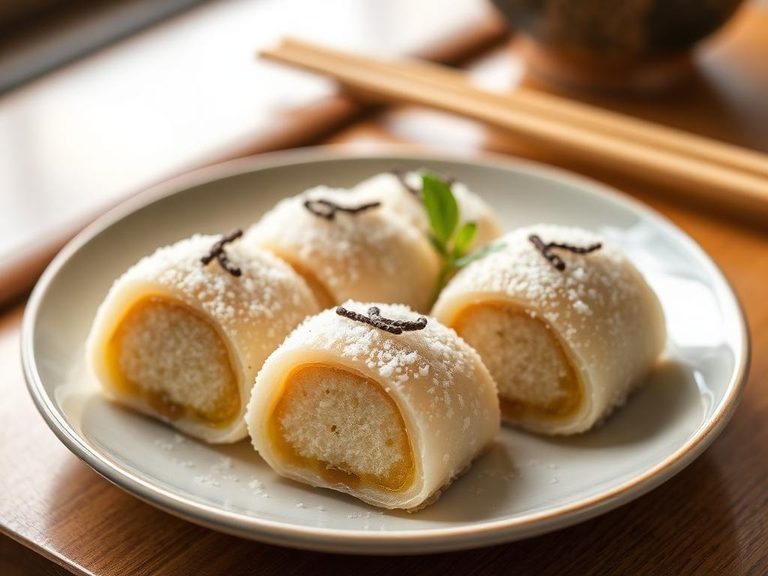
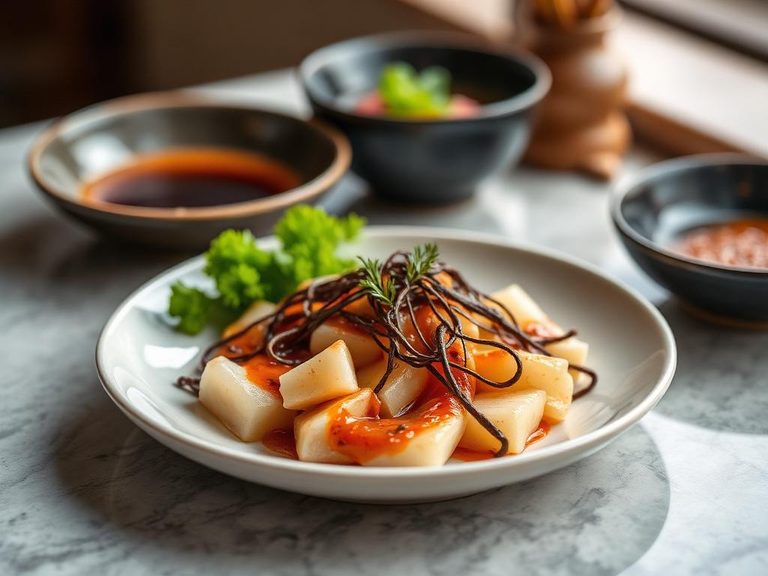
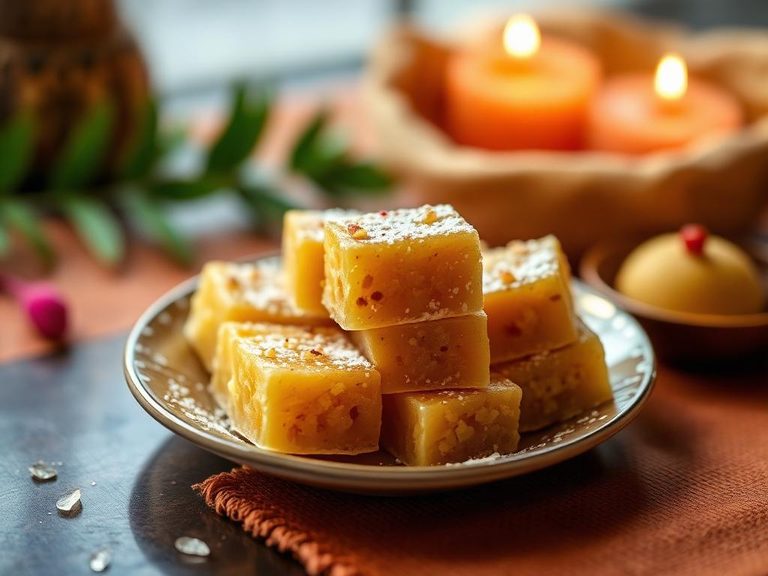
Kinako is a traditional Japanese ingredient made from roasted soybeans ground into a fine, nutty flour. It is most commonly used as a topping or coating for sweets like mochi, dango, and ice cream, adding a warm, toasted flavor and powdery texture. Originating in Japan, it has been a beloved part of confectionery for centuries.
🍽️ Nutrition at a glance
Kinako is a nutrient-dense food, relatively high in plant-based protein and dietary fiber while being low in fat. A typical serving provides a good source of minerals like calcium and iron, with a moderate calorie count of around 100-120 kcal per 30-gram portion.
Nutrition breakdown
| Calories | 110 kcal |
| Protein | 7 g |
| Carbs | 10 g |
| Fat | 4.5 g |
| Fiber | 3.5 g |
| Sugar | 2 g |
| Sodium | 5 mg |
| Calcium | 70 mg |
| Iron | 1.8 mg |
| Potassium | 250 mg |
| Magnesium | 45 mg |
| Phosphorus | 95 mg |
| Zinc | 1.0 mg |
| Folate | 30 µg |
| Vitamin B6 | 0.1 mg |
Per 30 g (about 1/4 cup) · estimated, varies by recipe
💡 What's interesting
Culturally, kinako is deeply associated with traditional Japanese festivals and seasonal treats. Nutritionally, the roasting process not only enhances its flavor but also increases the bioavailability of certain nutrients, making it a more digestible form of soy.