

Sour cream, fat free
Whole food · Dairy and Egg Products

Photo: Wikipedia
Fat-free sour cream is a tangy, cultured dairy product with a smooth, pourable consistency and a bright, acidic flavor. It delivers a creamy mouthfeel without any fat, relying on its protein and carbohydrate content for structure. Nutritionally, it's a low-calorie option that provides a modest amount of protein.
Calorie split: 17% protein · 83% carbs · 0% fat
↓ Full nutrition💚 Why it's loved
People love it for its ability to add a cool, tangy contrast to spicy or rich dishes, instantly brightening flavors. It's a beloved, versatile staple in many cuisines, used as a topping, dip, or baking ingredient.
⚠️ Watch-outs & how to enjoy it better
Its primary downside is the potential for blood-sugar spikes due to its high carbohydrate content (15.6g/100g) and lack of fiber or fat to slow digestion. To counteract this, pair it with high-fiber foods or a source of healthy fat (like avocado or nuts) and practice portion control.
Key benefits
- Zero fat content
- Low in calories (74 kcal/100g)
- Source of protein (3.1g/100g)
- Adds creaminess without fat
- Versatile ingredient and topping
🍽️ Popular dishes
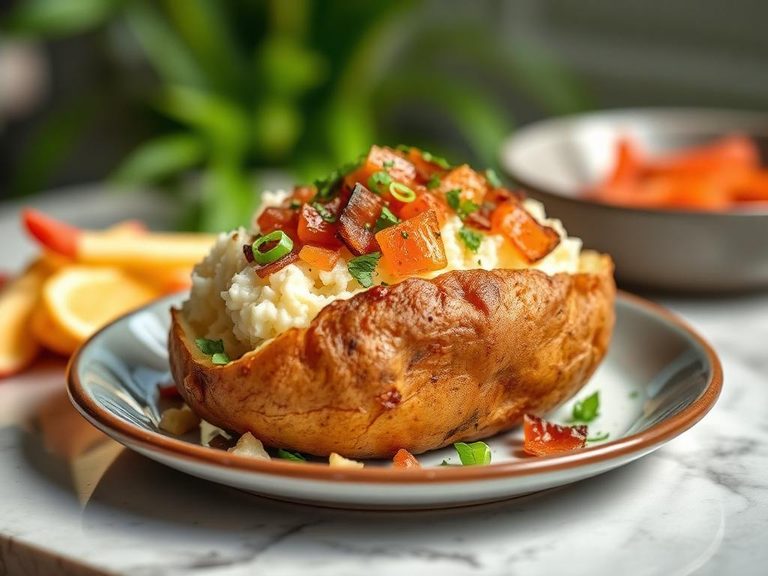
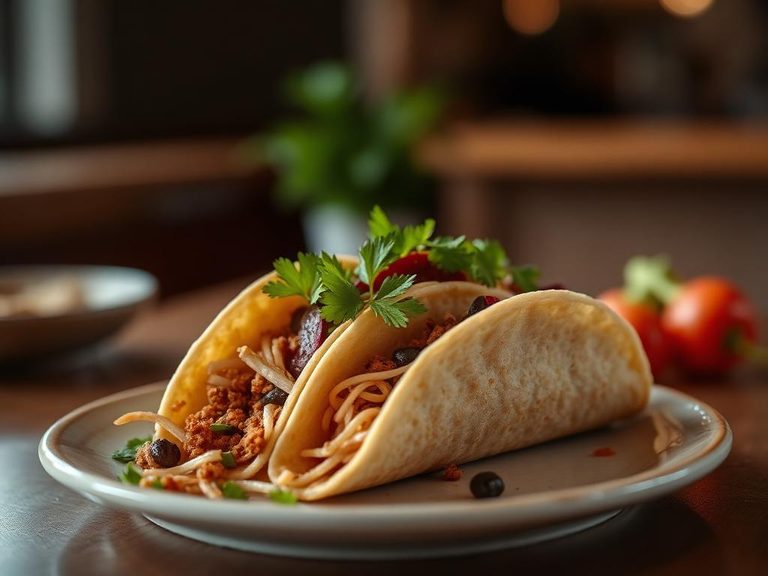
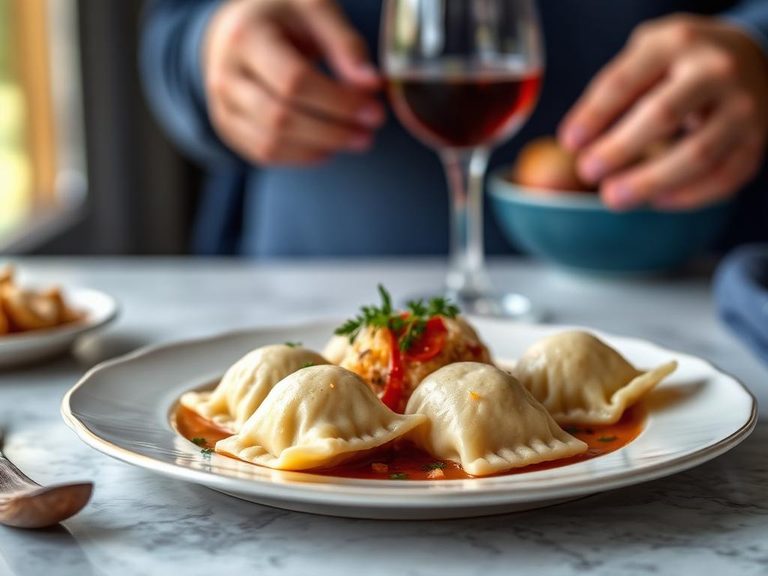
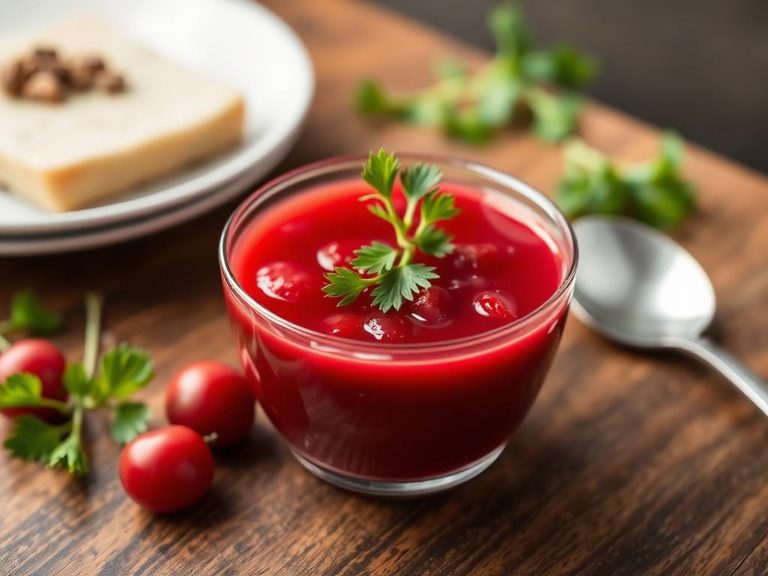
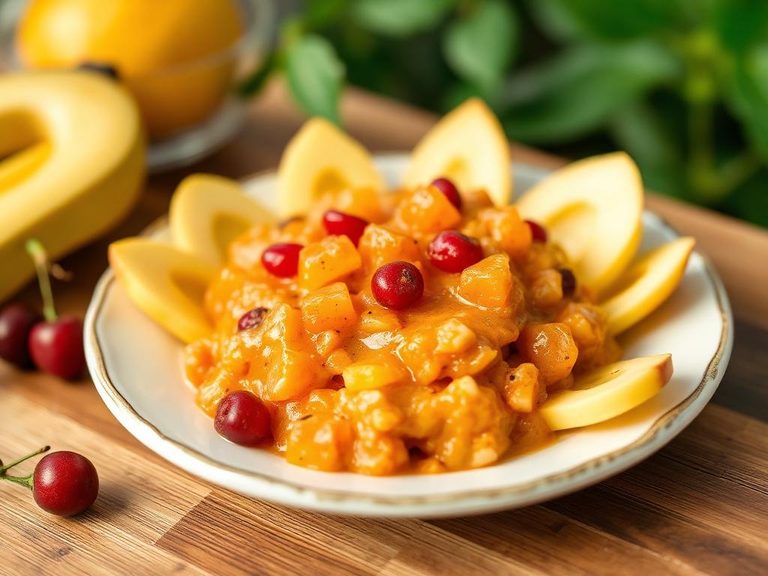
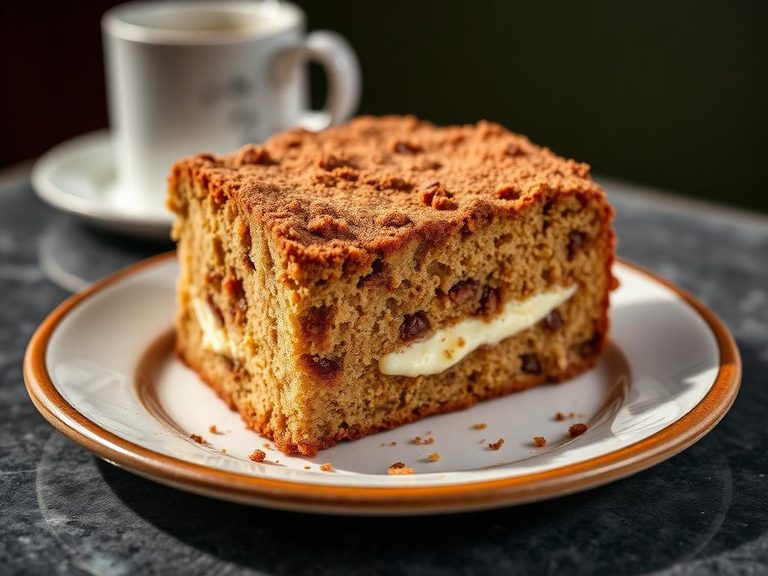
🌍 Where it's eaten
💡 Did you know?
The tangy flavor in sour cream comes from lactic acid bacteria, which ferment the lactose (milk sugar) in the cream.
Full nutrition (USDA data · scales with serving)
| Water | 80.6 g |
| Energy | 74.0 kcal |
| Energy | 310 kj |
| Protein | 3.1 g |
| Total lipid (fat) | 0.00 g |
| Ash | 0.70 g |
| Carbohydrate, by difference | 15.6 g |
| Fiber, total dietary | 0.00 g |
| Total Sugars | 0.39 g |
| Calcium, Ca | 125 mg |
| Iron, Fe | 0.00 mg |
| Magnesium, Mg | 10.0 mg |
| Phosphorus, P | 95.0 mg |
| Potassium, K | 129 mg |
| Sodium, Na | 141 mg |
| Zinc, Zn | 0.50 mg |
| Copper, Cu | 0.02 mg |
| Selenium, Se | 5.3 ug |
| Vitamin C, total ascorbic acid | 0.00 mg |
| Thiamin | 0.04 mg |
| Riboflavin | 0.15 mg |
| Niacin | 0.07 mg |
| Vitamin B-6 | 0.02 mg |
| Folate, total | 11.0 ug |
| Folic acid | 0.00 ug |
| Folate, food | 11.0 ug |
| Folate, DFE | 11.0 ug |
| Choline, total | 19.2 mg |
| Vitamin B-12 | 0.30 ug |
| Vitamin B-12, added | 0.00 ug |
| Vitamin A, RAE | 73.0 ug |
| Retinol | 72.0 ug |
| Carotene, beta | 9.0 ug |
| Carotene, alpha | 0.00 ug |
| Cryptoxanthin, beta | 0.00 ug |
| Vitamin A, IU | 255 iu |
| Lycopene | 0.00 ug |
| Lutein + zeaxanthin | 0.00 ug |
| Vitamin E (alpha-tocopherol) | 0.00 mg |
| Vitamin E, added | 0.00 mg |
| Vitamin D (D2 + D3), International Units | 0.00 iu |
| Vitamin D (D2 + D3) | 0.00 ug |
| Vitamin K (phylloquinone) | 0.00 ug |
| Alcohol, ethyl | 0.00 g |
| Caffeine | 0.00 mg |
| Theobromine | 0.00 mg |
Fat & fatty acid profile (per 100g)
| Fatty acids, total saturated | 0.00 g |
| SFA 4:0 | 0.00 g |
| SFA 6:0 | 0.00 g |
| SFA 8:0 | 0.00 g |
| SFA 10:0 | 0.00 g |
| SFA 12:0 | 0.00 g |
| SFA 14:0 | 0.00 g |
| SFA 16:0 | 0.00 g |
| SFA 18:0 | 0.00 g |
| Fatty acids, total monounsaturated | 0.00 g |
| MUFA 16:1 | 0.00 g |
| MUFA 18:1 | 0.00 g |
| MUFA 20:1 | 0.00 g |
| MUFA 22:1 | 0.00 g |
| Fatty acids, total polyunsaturated | 0.00 g |
| PUFA 18:2 | 0.00 g |
| PUFA 18:3 | 0.00 g |
| PUFA 18:4 | 0.00 g |
| PUFA 20:4 | 0.00 g |
| PUFA 20:5 n-3 (EPA) | 0.00 g |
| PUFA 22:5 n-3 (DPA) | 0.00 g |
| PUFA 22:6 n-3 (DHA) | 0.00 g |
| Cholesterol | 9.0 mg |
Amino acid profile (per 100g)
Estimated from Sour cream, imitation, cultured — USDA does not publish this profile for Sour cream.
| Tryptophan | 0.03 g |
| Threonine | 0.10 g |
| Isoleucine | 0.15 g |
| Leucine | 0.24 g |
| Lysine | 0.19 g |
| Methionine | 0.07 g |
| Cystine | 0.01 g |
| Phenylalanine | 0.13 g |
| Tyrosine | 0.14 g |
| Valine | 0.17 g |
| Arginine | 0.10 g |
| Histidine | 0.07 g |
| Alanine | 0.07 g |
| Aspartic acid | 0.17 g |
| Glutamic acid | 0.55 g |
| Glycine | 0.05 g |
| Proline | 0.27 g |
| Serine | 0.15 g |
FAQ
Can I use fat-free sour cream in baking?
Yes, it can be used in recipes like coffee cakes or muffins to add moisture and tang. However, it won't provide the same richness or tenderizing effect as full-fat sour cream, so the final texture may be slightly different.
Is fat-free sour cream a good source of probiotics?
Some brands contain live and active cultures, which can be beneficial for gut health. Check the label for 'live and active cultures' to be sure.
How does its nutrition compare to Greek yogurt?
Fat-free sour cream is typically lower in protein and higher in carbohydrates than plain, non-fat Greek yogurt. Greek yogurt is often a better choice for a high-protein snack.
Nutrient density (calculated · NRF9.3)
Nutrient Rich Foods index: beneficial nutrients (protein, fiber, vitamins, minerals) minus saturated fat, added sugar & sodium, per 100 kcal.
NRF9.3 index — Fulgoni, Keast & Drewnowski, 2009. Computed from USDA nutrients.
Weight-loss friendliness (composite index)
Energy density 0.74 kcal/g · 17% calories from protein · 0.0 g fiber · 0.4 g sugar per 100 g.
Composite of energy density (Rolls et al., 1999), protein & fiber satiety, minus sugar. A calculated heuristic — ranks satiety-per-calorie, not a clinical measure.
Dietary load (calculated from USDA values)
Potential renal acid load. Positive = acid-forming, negative = alkaline-forming.
Sodium-to-potassium ratio: 1.09 (lower is better — aim for ≤ 1)
Sodium:potassium per WHO potassium guidance. Computed from USDA nutrients.