

Sauce, salsa, verde, ready-to-serve
Whole food · Soups, Sauces, and Gravies

Photo: Wikipedia
Salsa verde is a vibrant, herbaceous green sauce with a fresh, tangy, and slightly spicy kick. Its texture is typically smooth to slightly chunky, depending on preparation, and it's a powerhouse of bright, acidic flavor from tomatillos, cilantro, and lime. Nutritionally, it's a low-calorie, high-fiber condiment that adds significant flavor without adding much fat or sugar.
Calorie split: 12% protein · 67% carbs · 21% fat
↓ Full nutrition💚 Why it's loved
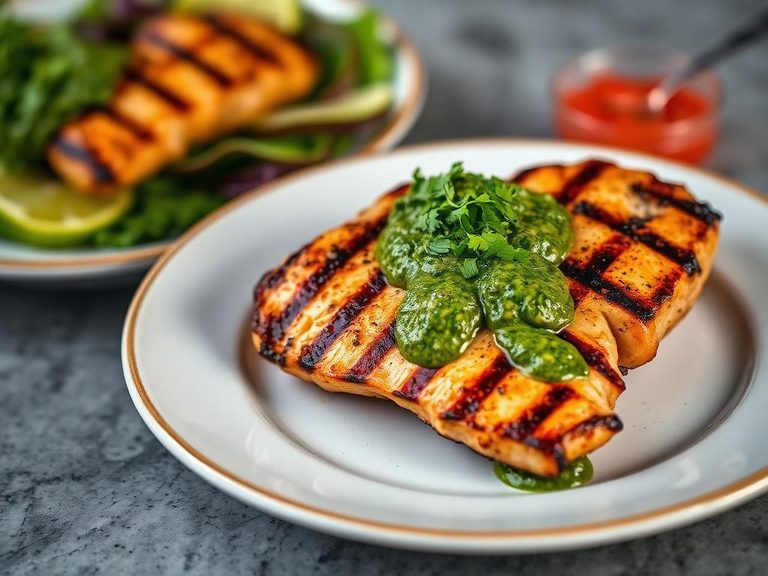
People adore salsa verde for its unique balance of bright acidity, fresh herbaceousness, and a subtle, earthy heat that complements rather than overwhelms. It's incredibly versatile, used as a dip, a marinade, a drizzle for tacos, or a sauce for grilled meats and vegetables.
⚠️ Watch-outs & how to enjoy it better
Some store-bought versions can be high in sodium, which may be a concern for those monitoring salt intake. The capsaicin from chili peppers can also irritate sensitive digestive systems. To counteract, look for low-sodium labels, pair with starchy foods like tortilla chips or rice to buffer the heat, and start with small portions if you're spice-sensitive.
Key benefits
- Very low in calories and fat per serving
- Good source of dietary fiber
- Rich in vitamins A and C from fresh ingredients
- Contains capsaicin from chili peppers
- Adds flavor without relying on heavy fats or sugars
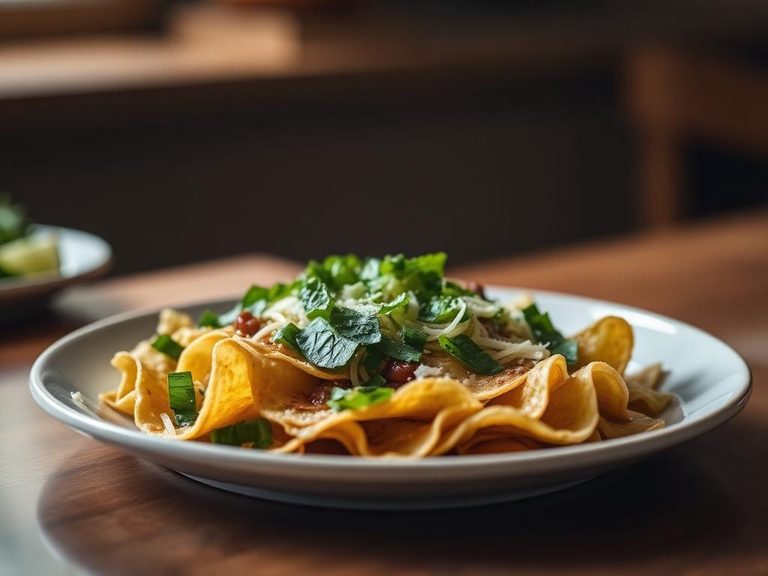
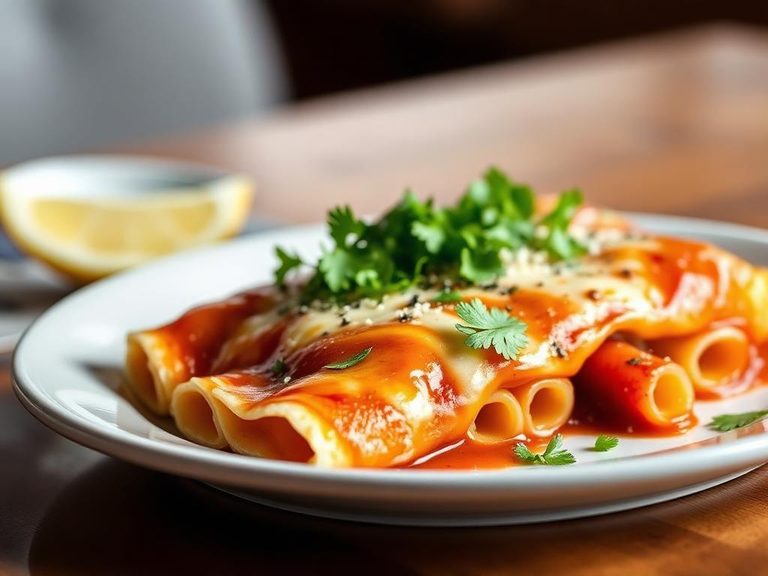
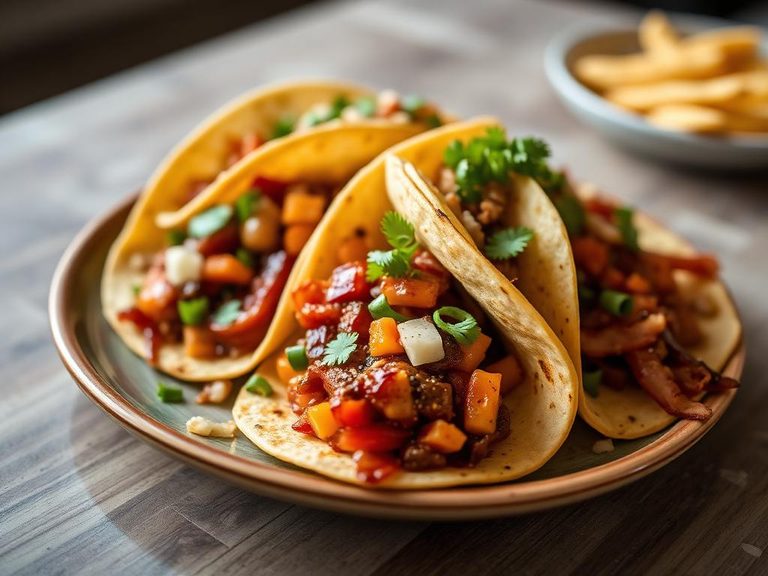
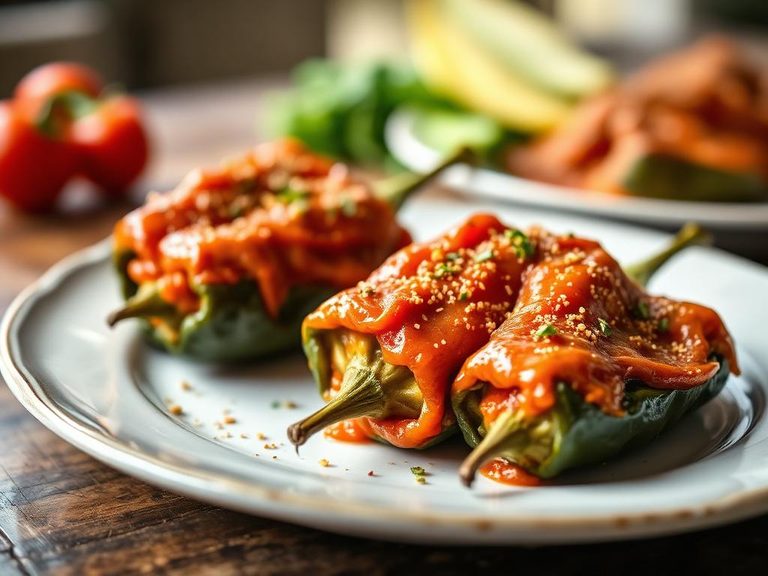
🍽️ Popular dishes
🌍 Where it's eaten
💡 Did you know?
The primary ingredient in traditional Mexican salsa verde is the tomatillo, a small, green, tomato-like fruit that's actually a member of the nightshade family and is wrapped in a papery husk.
Full nutrition (USDA data · scales with serving)
| Water | 89.5 g |
| Energy | 38.0 kcal |
| Energy | 159 kj |
| Protein | 1.1 g |
| Total lipid (fat) | 0.89 g |
| Ash | 2.1 g |
| Carbohydrate, by difference | 6.4 g |
| Fiber, total dietary | 1.9 g |
| Total Sugars | 3.5 g |
| Calcium, Ca | 9.0 mg |
| Iron, Fe | 0.65 mg |
| Magnesium, Mg | 19.0 mg |
| Phosphorus, P | 41.0 mg |
| Potassium, K | 259 mg |
| Sodium, Na | 906 mg |
| Zinc, Zn | 0.25 mg |
| Copper, Cu | 0.08 mg |
| Manganese, Mn | 0.16 mg |
| Selenium, Se | 0.80 ug |
| Vitamin C, total ascorbic acid | 12.3 mg |
| Thiamin | 0.05 mg |
| Riboflavin | 0.04 mg |
| Niacin | 1.6 mg |
| Pantothenic acid | 0.15 mg |
| Vitamin B-6 | 0.08 mg |
| Folate, total | 8.0 ug |
| Folic acid | 0.00 ug |
| Folate, food | 8.0 ug |
| Folate, DFE | 8.0 ug |
| Choline, total | 7.9 mg |
| Vitamin B-12 | 0.00 ug |
| Vitamin B-12, added | 0.00 ug |
| Vitamin A, RAE | 11.0 ug |
| Retinol | 0.00 ug |
| Carotene, beta | 123 ug |
| Carotene, alpha | 10.0 ug |
| Cryptoxanthin, beta | 5.0 ug |
| Vitamin A, IU | 217 iu |
| Lycopene | 0.00 ug |
| Lutein + zeaxanthin | 422 ug |
| Vitamin E (alpha-tocopherol) | 0.43 mg |
| Vitamin E, added | 0.00 mg |
| Vitamin D (D2 + D3), International Units | 0.00 iu |
| Vitamin D (D2 + D3) | 0.00 ug |
| Vitamin K (phylloquinone) | 13.6 ug |
| Alcohol, ethyl | 0.00 g |
| Caffeine | 0.00 mg |
| Theobromine | 0.00 mg |
Fat & fatty acid profile (per 100g)
| Fatty acids, total saturated | 0.00 g |
| SFA 4:0 | 0.00 g |
| SFA 6:0 | 0.00 g |
| SFA 8:0 | 0.00 g |
| SFA 10:0 | 0.00 g |
| SFA 12:0 | 0.00 g |
| SFA 14:0 | 0.00 g |
| SFA 16:0 | 0.00 g |
| SFA 18:0 | 0.00 g |
| Fatty acids, total monounsaturated | 0.00 g |
| MUFA 16:1 | 0.00 g |
| MUFA 18:1 | 0.00 g |
| MUFA 20:1 | 0.00 g |
| MUFA 22:1 | 0.00 g |
| Fatty acids, total polyunsaturated | 0.00 g |
| PUFA 18:2 | 0.00 g |
| PUFA 18:3 | 0.00 g |
| PUFA 18:4 | 0.00 g |
| PUFA 20:4 | 0.00 g |
| PUFA 20:5 n-3 (EPA) | 0.00 g |
| PUFA 22:5 n-3 (DPA) | 0.00 g |
| PUFA 22:6 n-3 (DHA) | 0.00 g |
| Cholesterol | 0.00 mg |
Amino acid profile (per 100g)
Estimated from Sauce, homemade, white, medium — USDA does not publish this profile for Sauce.
| Tryptophan | 0.04 g |
| Threonine | 0.14 g |
| Isoleucine | 0.19 g |
| Leucine | 0.30 g |
| Lysine | 0.24 g |
| Methionine | 0.08 g |
| Cystine | 0.03 g |
| Phenylalanine | 0.15 g |
| Tyrosine | 0.15 g |
| Valine | 0.20 g |
| Arginine | 0.11 g |
| Histidine | 0.08 g |
| Alanine | 0.10 g |
| Aspartic acid | 0.23 g |
| Glutamic acid | 0.64 g |
| Glycine | 0.07 g |
| Proline | 0.30 g |
| Serine | 0.17 g |
FAQ
Is salsa verde spicy?
It can range from mild to quite spicy, depending on the type and amount of chili peppers used (like jalapeños or serranos). Store-bought versions often have a consistent, moderate heat level.
What's the difference between Mexican and Italian salsa verde?
They are completely different. Mexican salsa verde is a cooked or raw sauce based on tomatillos, chilies, and cilantro. Italian salsa verde is a cold, uncooked sauce made from parsley, capers, garlic, anchovies, and olive oil, often served with grilled meats or fish.
Can I use salsa verde as a cooking sauce?
Yes, it's excellent as a simmering sauce for chicken or pork, a base for a soup, or a marinade. Cooking it will mellow the fresh, bright flavors and deepen the savory notes.
Nutrient density (calculated · NRF9.3)
Nutrient Rich Foods index: beneficial nutrients (protein, fiber, vitamins, minerals) minus saturated fat, added sugar & sodium, per 100 kcal.
NRF9.3 index — Fulgoni, Keast & Drewnowski, 2009. Computed from USDA nutrients.
Weight-loss friendliness (composite index)
Energy density 0.38 kcal/g · 12% calories from protein · 1.9 g fiber · 3.5 g sugar per 100 g.
Composite of energy density (Rolls et al., 1999), protein & fiber satiety, minus sugar. A calculated heuristic — ranks satiety-per-calorie, not a clinical measure.
Dietary load (calculated from USDA values)
Potential renal acid load. Positive = acid-forming, negative = alkaline-forming.
Sodium-to-potassium ratio: 3.50 (lower is better — aim for ≤ 1)
Sodium:potassium per WHO potassium guidance. Computed from USDA nutrients.