

Sandwich spread, meatless
Whole food · Legumes and Legume Products

Photo: Wikipedia
A savory, creamy paste made from finely ground legumes, nuts, or soy, designed to mimic the rich, spreadable texture of meat pâté. Its taste is typically umami-forward, salty, and subtly seasoned, often with a hint of garlic or paprika. Nutritionally, it's a standout plant-based protein source with a balanced macronutrient profile and notable fiber.
Calorie split: 21% protein · 24% carbs · 54% fat
↓ Full nutrition💚 Why it's loved
People adore it for its incredible convenience and ability to instantly elevate a simple sandwich or cracker into a satisfying meal. Its rich, savory flavor and creamy texture provide a comforting, protein-packed snack that feels indulgent yet wholesome.
⚠️ Watch-outs & how to enjoy it better
Some commercial varieties can be high in sodium, which may be a concern for those monitoring blood pressure. The texture can also be overly smooth or pasty for some preferences. To counteract high sodium, look for low-sodium versions or pair with fresh, crunchy vegetables like cucumber or celery to dilute the saltiness per bite.
Key benefits
- High-quality plant-based protein source
- Good source of dietary fiber
- Lower in saturated fat than many animal-based spreads
- Versatile for quick, no-cook meals
- Often fortified with B-vitamins like B12
🍽️ Popular dishes
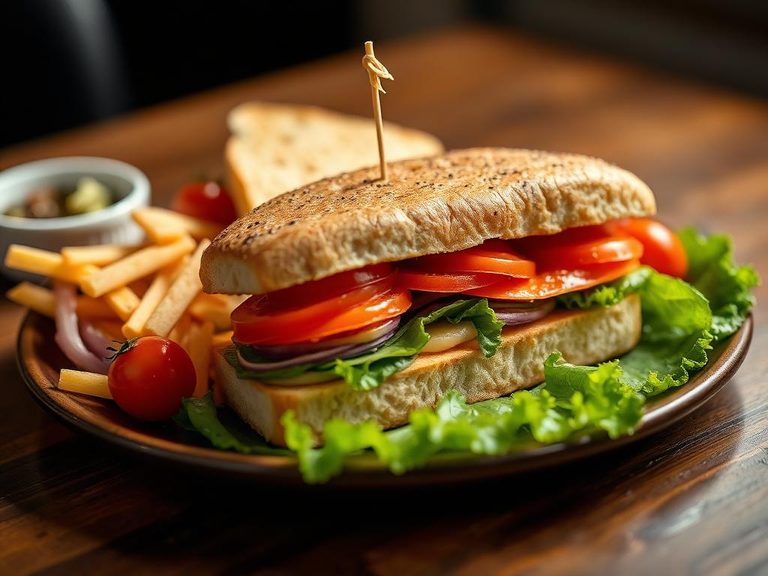
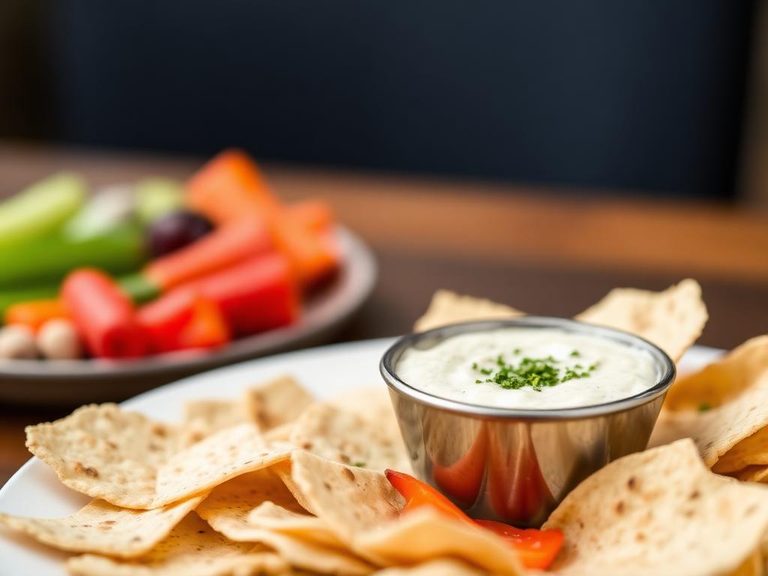
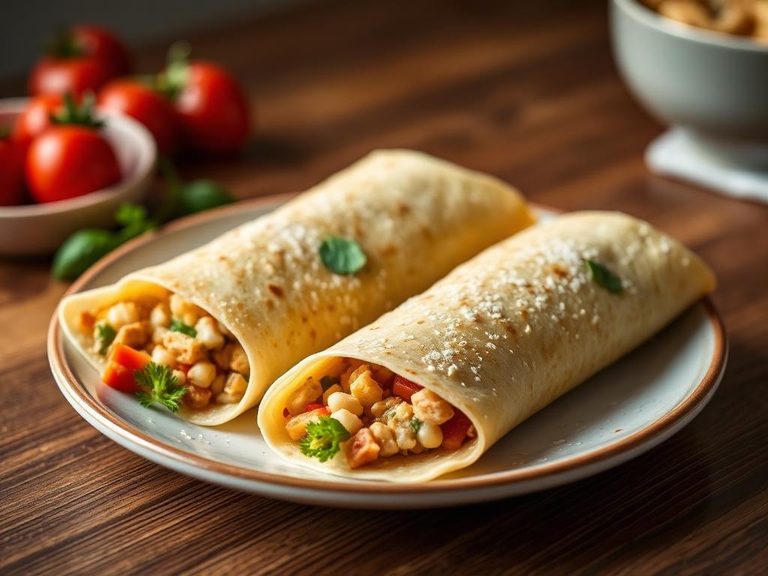
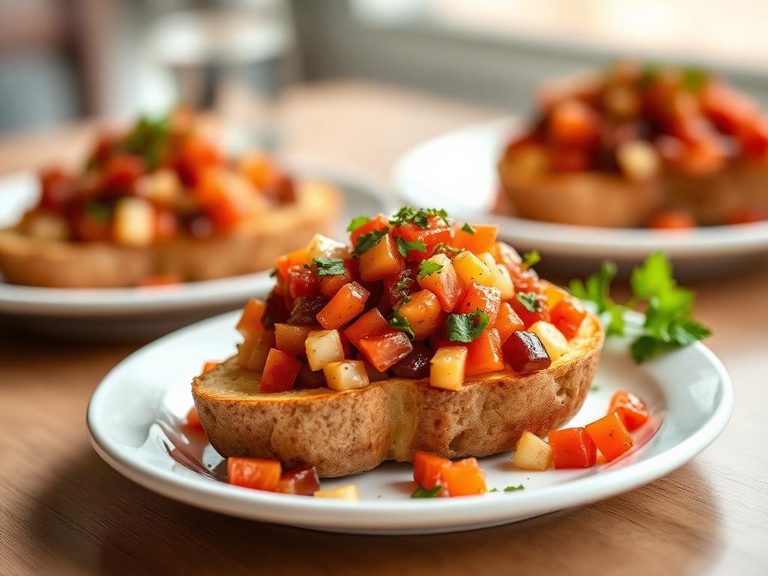
🌍 Where it's eaten
💡 Did you know?
The most popular commercial meatless spread in the U.S., 'Tofurky,' was first created in 1995 by a college student in Oregon as a vegan alternative for Thanksgiving.
Full nutrition (USDA data · scales with serving)
| Water | 70.0 g |
| Energy | 149 kcal |
| Energy | 623 kj |
| Protein | 8.0 g |
| Total lipid (fat) | 9.0 g |
| Ash | 4.0 g |
| Carbohydrate, by difference | 9.0 g |
| Fiber, total dietary | 3.3 g |
| Total Sugars | 1.9 g |
| Calcium, Ca | 44.0 mg |
| Iron, Fe | 1.5 mg |
| Magnesium, Mg | 20.0 mg |
| Phosphorus, P | 220 mg |
| Potassium, K | 340 mg |
| Sodium, Na | 630 mg |
| Zinc, Zn | 1.3 mg |
| Copper, Cu | 0.65 mg |
| Manganese, Mn | 0.69 mg |
| Selenium, Se | 0.50 ug |
| Vitamin C, total ascorbic acid | 0.00 mg |
| Thiamin | 0.60 mg |
| Riboflavin | 0.70 mg |
| Niacin | 13.0 mg |
| Pantothenic acid | 0.46 mg |
| Vitamin B-6 | 1.1 mg |
| Folate, total | 103 ug |
| Folic acid | 0.00 ug |
| Folate, food | 103 ug |
| Folate, DFE | 103 ug |
| Choline, total | 2.6 mg |
| Vitamin B-12 | 3.1 ug |
| Vitamin B-12, added | 3.1 ug |
| Vitamin A, RAE | 0.00 ug |
| Retinol | 0.00 ug |
| Carotene, beta | 0.00 ug |
| Carotene, alpha | 0.00 ug |
| Cryptoxanthin, beta | 0.00 ug |
| Vitamin A, IU | 0.00 iu |
| Lycopene | 0.00 ug |
| Lutein + zeaxanthin | 0.00 ug |
| Vitamin E (alpha-tocopherol) | 1.7 mg |
| Vitamin E, added | 0.00 mg |
| Vitamin D (D2 + D3), International Units | 0.00 iu |
| Vitamin D (D2 + D3) | 0.00 ug |
| Vitamin K (phylloquinone) | 0.00 ug |
| Alcohol, ethyl | 0.00 g |
| Caffeine | 0.00 mg |
| Theobromine | 0.00 mg |
Fat & fatty acid profile (per 100g)
| Fatty acids, total saturated | 1.4 g |
| SFA 4:0 | 0.00 g |
| SFA 6:0 | 0.00 g |
| SFA 8:0 | 0.00 g |
| SFA 10:0 | 0.00 g |
| SFA 12:0 | 0.09 g |
| SFA 14:0 | 0.04 g |
| SFA 16:0 | 0.93 g |
| SFA 18:0 | 0.37 g |
| Fatty acids, total monounsaturated | 2.2 g |
| MUFA 16:1 | 0.00 g |
| MUFA 18:1 | 2.2 g |
| MUFA 20:1 | 0.00 g |
| MUFA 22:1 | 0.00 g |
| Fatty acids, total polyunsaturated | 4.7 g |
| PUFA 18:2 | 4.1 g |
| PUFA 18:3 | 0.52 g |
| PUFA 18:4 | 0.00 g |
| PUFA 20:4 | 0.00 g |
| PUFA 20:5 n-3 (EPA) | 0.00 g |
| PUFA 22:5 n-3 (DPA) | 0.00 g |
| PUFA 22:6 n-3 (DHA) | 0.00 g |
| Fatty acids, total trans | 0.00 g |
| Cholesterol | 0.00 mg |
Amino acid profile (per 100g)
Estimated from Sandwich spread, with chopped pickle, regular, unspecified oils — USDA does not publish this profile for Sandwich spread.
| Tryptophan | 0.01 g |
| Threonine | 0.05 g |
| Isoleucine | 0.05 g |
| Leucine | 0.08 g |
| Lysine | 0.06 g |
| Methionine | 0.02 g |
| Cystine | 0.02 g |
| Phenylalanine | 0.04 g |
| Tyrosine | 0.04 g |
| Valine | 0.06 g |
| Arginine | 0.06 g |
| Histidine | 0.02 g |
| Alanine | 0.04 g |
| Aspartic acid | 0.07 g |
| Glutamic acid | 0.11 g |
| Glycine | 0.03 g |
| Proline | 0.04 g |
| Serine | 0.07 g |
FAQ
Is meatless sandwich spread a complete protein?
It depends on the base. Soy-based spreads are complete proteins. Those made from legumes like lentils or beans are often combined with grains (like in the product itself or when eaten with bread) to form a complete amino acid profile.
How long does it last after opening?
Once opened, it should be transferred to an airtight container and refrigerated. It typically lasts for 5-7 days. Always check for any off smells or mold before consuming.
Can I use it in cooking?
Absolutely! It's excellent stirred into pasta sauces for a protein boost, mixed into veggie burger patties as a binder, or dolloped onto pizza before baking for a savory, creamy element.
Nutrient density (calculated · NRF9.3)
Nutrient Rich Foods index: beneficial nutrients (protein, fiber, vitamins, minerals) minus saturated fat, added sugar & sodium, per 100 kcal.
NRF9.3 index — Fulgoni, Keast & Drewnowski, 2009. Computed from USDA nutrients.
Weight-loss friendliness (composite index)
Energy density 1.49 kcal/g · 21% calories from protein · 3.3 g fiber · 1.9 g sugar per 100 g.
Composite of energy density (Rolls et al., 1999), protein & fiber satiety, minus sugar. A calculated heuristic — ranks satiety-per-calorie, not a clinical measure.
Dietary load (calculated from USDA values)
Potential renal acid load. Positive = acid-forming, negative = alkaline-forming.
Sodium-to-potassium ratio: 1.85 (lower is better — aim for ≤ 1)
Sodium:potassium per WHO potassium guidance. Computed from USDA nutrients.