Dip for raw vegetables or pita chips

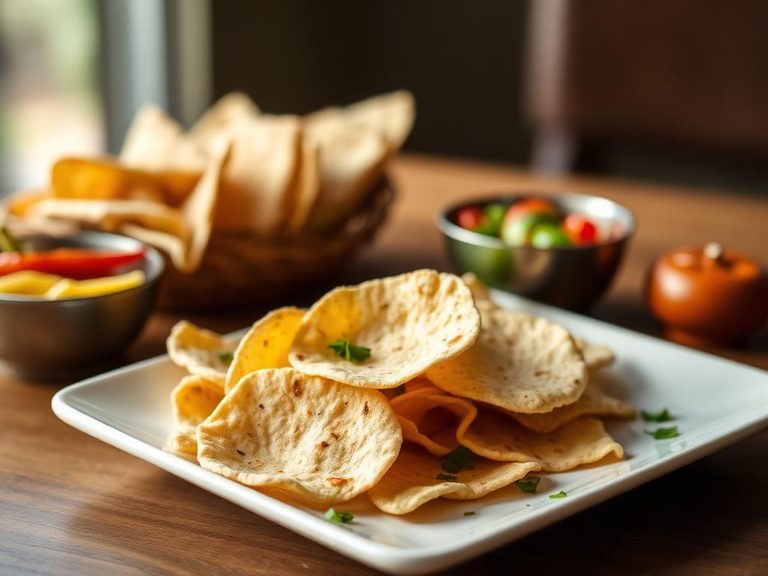
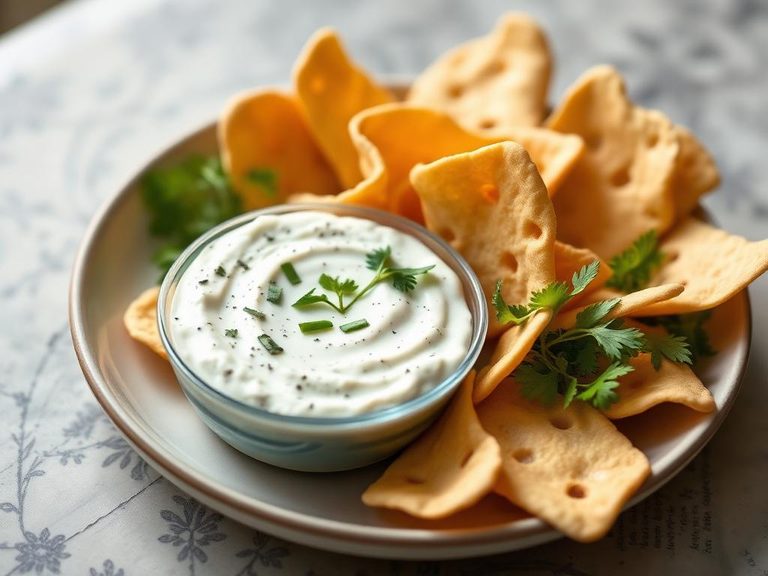
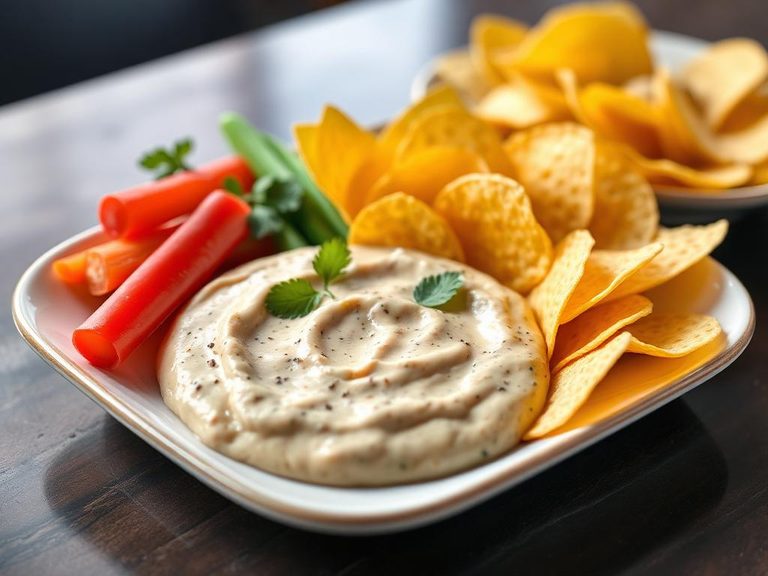
A dip for raw vegetables or pita chips is a broad category of savory spreads, with hummus (a creamy chickpea and tahini blend from the Middle East) being one of the most iconic examples. These dips are typically made from a base of legumes, vegetables, or dairy, mixed with herbs, spices, and oil for flavor and texture.
🍽️ Nutrition at a glance
Depending on the base, these dips can be a good source of plant-based protein and healthy fats, with a moderate amount of carbohydrates. They provide key nutrients like fiber, iron, and folate, with a typical serving ranging from 100 to 250 calories.
Nutrition breakdown
| Calories | 170 kcal |
| Protein | 5 g |
| Carbs | 14 g |
| Fat | 11 g |
| Fiber | 4 g |
| Sugar | 2 g |
| Sodium | 320 mg |
| Potassium | 180 mg |
| Iron | 1.5 mg |
| Folate | 45 mcg |
| Magnesium | 30 mg |
| Vitamin C | 3 mg |
| Vitamin K | 5 mcg |
| Zinc | 1 mg |
| Manganese | 0.4 mg |
Per 1/2 cup (120 g) · estimated, varies by recipe
💡 What's interesting
Culturally, dips like hummus have become a global staple, representing a fusion of traditional Middle Eastern cuisine with modern health-conscious eating. Nutritionally, they are unique for often combining protein and fiber from legumes with heart-healthy fats from tahini or olive oil.