

Salad Dressing, mayonnaise-like, fat-free
Whole food · Fats and Oils

Photo: Wikipedia
This is a light, tangy, and creamy dressing that mimics the rich texture of mayonnaise without the fat, often made with a base of starches, thickeners, and vinegar. Its smooth, pourable consistency coats salads and sandwiches evenly, delivering a familiar, slightly sweet and savory flavor profile. Nutritionally, it's a low-calorie option, but its carbohydrate content comes primarily from added sugars.
Calorie split: 1% protein · 71% carbs · 28% fat
↓ Full nutrition💚 Why it's loved
People love it for delivering the comforting, creamy mouthfeel of a classic dressing with a fraction of the calories, making it a staple for light lunches and quick meals. Its mild, versatile flavor pairs well with crisp vegetables, making healthy eating feel less restrictive.
⚠️ Watch-outs & how to enjoy it better
The primary downside is its high sugar content (over 10g per 100g), which can cause rapid blood-sugar spikes, especially for those with insulin resistance or diabetes. To counteract this, always pair it with a source of protein (like grilled chicken or chickpeas) and healthy fat (like avocado or nuts) to slow sugar absorption, and use measured portions.
Key benefits
- Significantly lower in calories and fat than traditional mayonnaise
- Provides a creamy texture for calorie-conscious dishes
- Offers a quick flavor boost for salads, wraps, and sandwiches
- Helps reduce overall dietary fat intake when substituting for full-fat versions
🍽️ Popular dishes
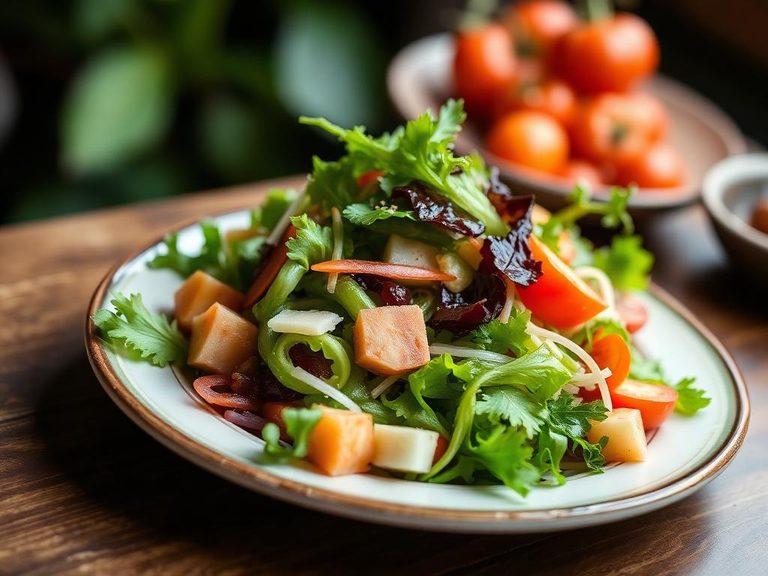
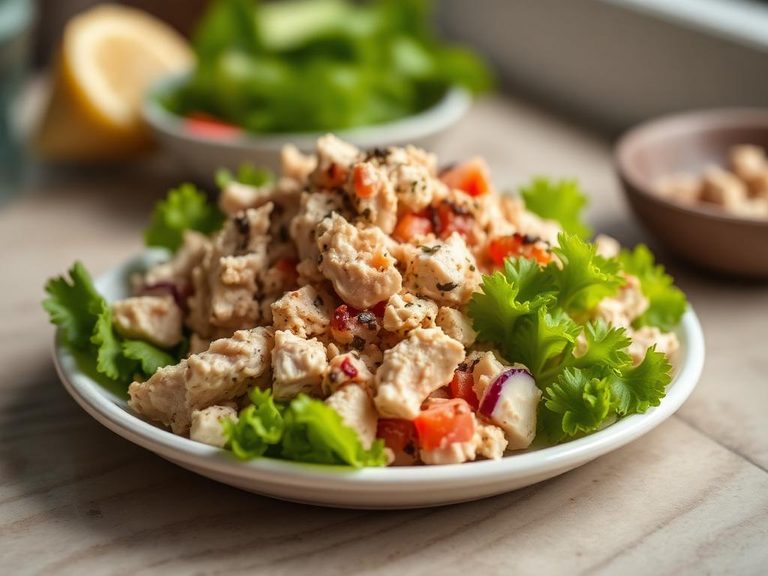
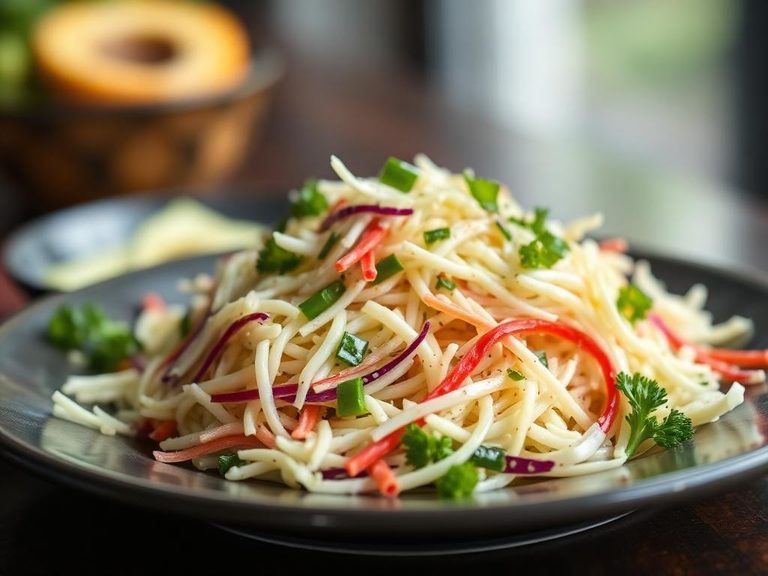
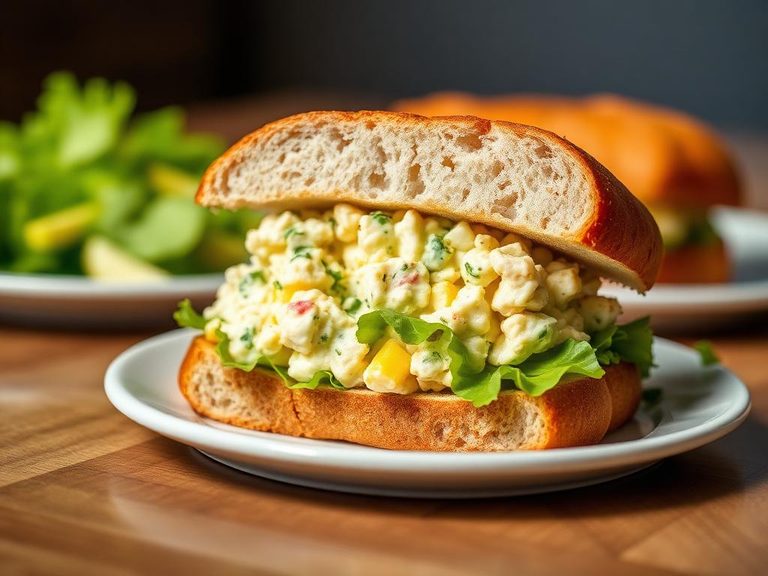
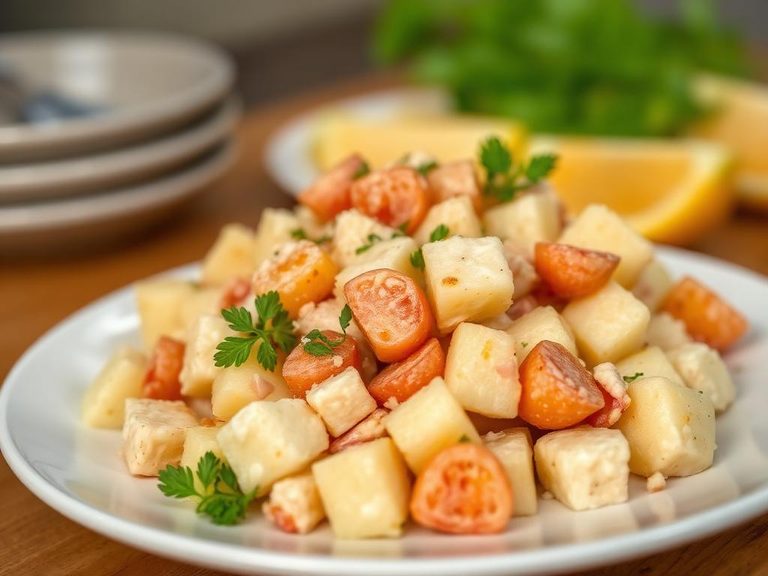
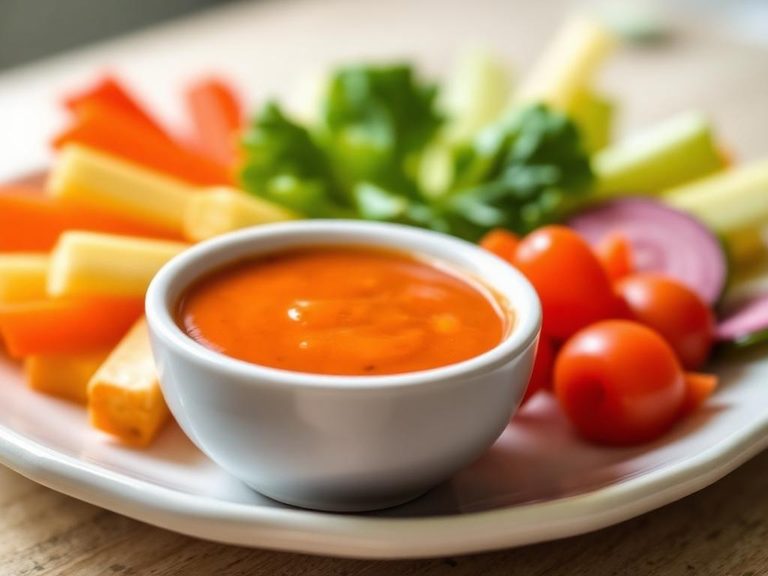
🌍 Where it's eaten
💡 Did you know?
Many fat-free dressings achieve their creamy texture using modified food starch and xanthan gum, which are hydrocolloids that mimic the emulsifying properties of egg yolks found in traditional mayonnaise.
Full nutrition (USDA data · scales with serving)
| Water | 78.7 g |
| Energy | 84.0 kcal |
| Energy | 351 kj |
| Protein | 0.20 g |
| Total lipid (fat) | 2.7 g |
| Ash | 2.6 g |
| Carbohydrate, by difference | 15.5 g |
| Fiber, total dietary | 1.9 g |
| Total Sugars | 10.3 g |
| Calcium, Ca | 6.0 mg |
| Iron, Fe | 0.12 mg |
| Magnesium, Mg | 2.0 mg |
| Phosphorus, P | 5.0 mg |
| Potassium, K | 49.0 mg |
| Sodium, Na | 788 mg |
| Zinc, Zn | 0.05 mg |
| Copper, Cu | 0.02 mg |
| Manganese, Mn | 0.02 mg |
| Selenium, Se | 0.30 ug |
| Vitamin C, total ascorbic acid | 0.00 mg |
| Thiamin | 0.00 mg |
| Riboflavin | 0.01 mg |
| Niacin | 0.00 mg |
| Pantothenic acid | 0.00 mg |
| Vitamin B-6 | 0.00 mg |
| Folate, total | 0.00 ug |
| Folic acid | 0.00 ug |
| Folate, food | 0.00 ug |
| Folate, DFE | 0.00 ug |
| Choline, total | 0.70 mg |
| Vitamin B-12 | 0.00 ug |
| Vitamin B-12, added | 0.00 ug |
| Vitamin A, RAE | 0.00 ug |
| Retinol | 0.00 ug |
| Carotene, beta | 0.00 ug |
| Carotene, alpha | 0.00 ug |
| Cryptoxanthin, beta | 0.00 ug |
| Vitamin A, IU | 0.00 iu |
| Lycopene | 0.00 ug |
| Lutein + zeaxanthin | 0.00 ug |
| Vitamin E (alpha-tocopherol) | 0.04 mg |
| Vitamin E, added | 0.00 mg |
| Vitamin D (D2 + D3), International Units | 0.00 iu |
| Vitamin D (D2 + D3) | 0.00 ug |
| Vitamin K (phylloquinone) | 24.7 ug |
| Alcohol, ethyl | 0.00 g |
| Caffeine | 0.00 mg |
| Theobromine | 0.00 mg |
Fat & fatty acid profile (per 100g)
| Fatty acids, total saturated | 0.60 g |
| SFA 4:0 | 0.00 g |
| SFA 6:0 | 0.00 g |
| SFA 8:0 | 0.03 g |
| SFA 10:0 | 0.03 g |
| SFA 12:0 | 0.25 g |
| SFA 14:0 | 0.11 g |
| SFA 16:0 | 0.07 g |
| SFA 18:0 | 0.12 g |
| Fatty acids, total monounsaturated | 1.9 g |
| MUFA 16:1 | 0.00 g |
| MUFA 18:1 | 1.9 g |
| MUFA 20:1 | 0.00 g |
| MUFA 22:1 | 0.00 g |
| Fatty acids, total polyunsaturated | 0.06 g |
| PUFA 18:2 | 0.04 g |
| PUFA 18:3 | 0.02 g |
| PUFA 18:4 | 0.00 g |
| PUFA 20:4 | 0.00 g |
| PUFA 20:5 n-3 (EPA) | 0.00 g |
| PUFA 22:5 n-3 (DPA) | 0.00 g |
| PUFA 22:6 n-3 (DHA) | 0.00 g |
| Cholesterol | 9.0 mg |
Amino acid profile (per 100g)
Estimated from Salad dressing, sesame seed dressing, regular — USDA does not publish this profile for Salad Dressing.
| Tryptophan | 0.05 g |
| Threonine | 0.05 g |
| Isoleucine | 0.05 g |
| Leucine | 0.08 g |
| Lysine | 0.14 g |
| Methionine | 0.03 g |
| Cystine | 0.00 g |
| Phenylalanine | 0.09 g |
| Tyrosine | 0.10 g |
| Valine | 0.07 g |
| Arginine | 0.40 g |
| Histidine | 0.03 g |
| Alanine | 0.00 g |
| Aspartic acid | 0.00 g |
| Glutamic acid | 0.46 g |
| Glycine | 0.00 g |
| Proline | 0.00 g |
| Serine | 0.00 g |
FAQ
Why is it so high in sugar if it's fat-free?
Manufacturers often add sugar and thickeners to compensate for the loss of flavor, richness, and mouthfeel that fat provides. This is a common trade-off in many reduced-fat processed foods.
Is it actually healthier than regular mayonnaise?
It's lower in calories and fat, but not necessarily healthier overall. Its high sugar content means it's a different nutritional trade-off. For some, like those monitoring blood sugar, regular mayo in small amounts might be preferable.
Can I use it for cooking or baking?
It's generally not recommended for high-heat cooking as its starch-based thickeners can break down. It works best as a cold condiment or mixed into dishes after cooking.
Nutrient density (calculated · NRF9.3)
Nutrient Rich Foods index: beneficial nutrients (protein, fiber, vitamins, minerals) minus saturated fat, added sugar & sodium, per 100 kcal.
NRF9.3 index — Fulgoni, Keast & Drewnowski, 2009. Computed from USDA nutrients.
Weight-loss friendliness (composite index)
Energy density 0.84 kcal/g · 1% calories from protein · 1.9 g fiber · 10.3 g sugar per 100 g.
Composite of energy density (Rolls et al., 1999), protein & fiber satiety, minus sugar. A calculated heuristic — ranks satiety-per-calorie, not a clinical measure.
Dietary load (calculated from USDA values)
Potential renal acid load. Positive = acid-forming, negative = alkaline-forming.
Sodium-to-potassium ratio: 16.08 (lower is better — aim for ≤ 1)
Sodium:potassium per WHO potassium guidance. Computed from USDA nutrients.