

Puddings, vanilla, dry mix, regular
Whole food · Sweets

Photo: Wikipedia
A fine, pale powder that transforms into a thick, creamy, and wobbly dessert with a sweet, nostalgic vanilla flavor. Its texture is the star: a smooth, spoonable custard that's both comforting and satisfying. Nutritionally, it's a concentrated source of quick energy from carbohydrates and sugar.
Calorie split: 0% protein · 99% carbs · 1% fat
↓ Full nutrition💚 Why it's loved
People love it for its comforting, retro appeal and the simple joy of its wobbly, creamy texture. It's a versatile blank canvas that can be dressed up with fruit, caramel, or chocolate sauce for any occasion.
⚠️ Watch-outs & how to enjoy it better
The high sugar content (79g per 100g of mix) can cause a rapid blood-sugar spike, making it a poor choice for those managing diabetes. To counteract this, serve a modest portion alongside a source of protein (like nuts) or fiber (like berries) to slow sugar absorption.
Key benefits
- Provides a quick and accessible source of energy.
- Extremely simple and fast to prepare with just milk.
- Offers a consistent, classic vanilla flavor profile.
- Can be a base for creative desserts and toppings.
- Shelf-stable and convenient for pantry storage.
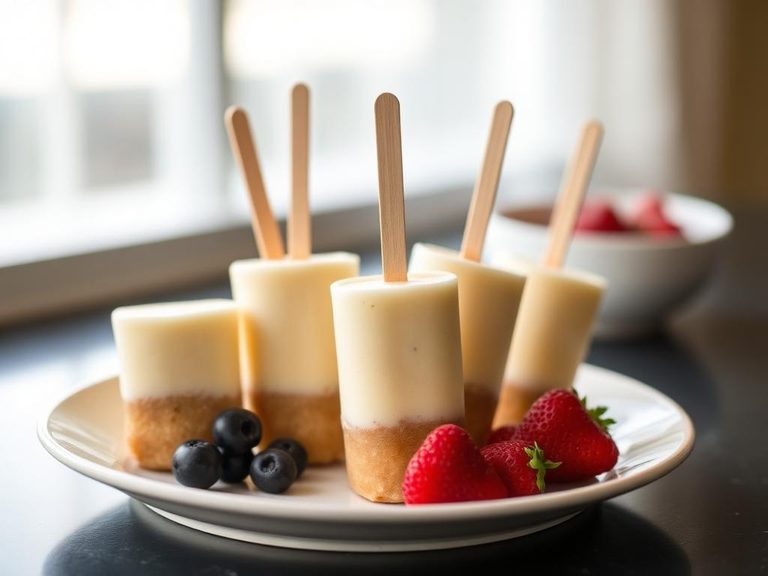
🍽️ Popular dishes
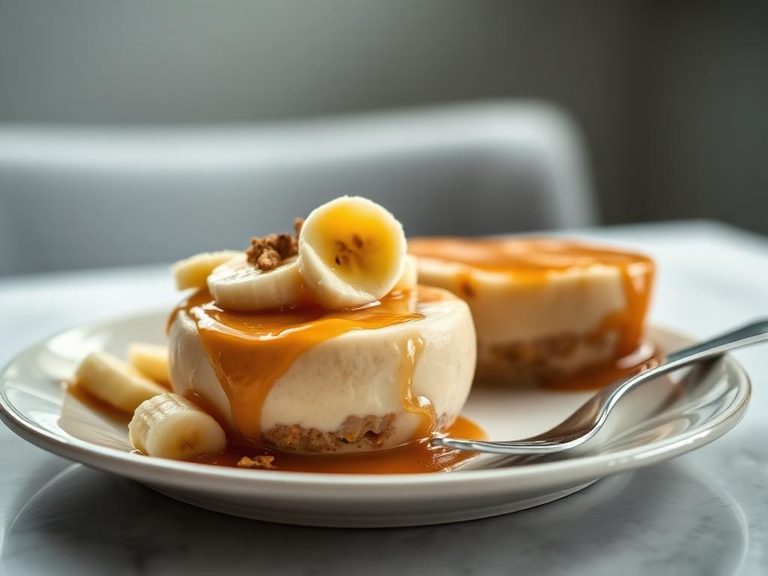
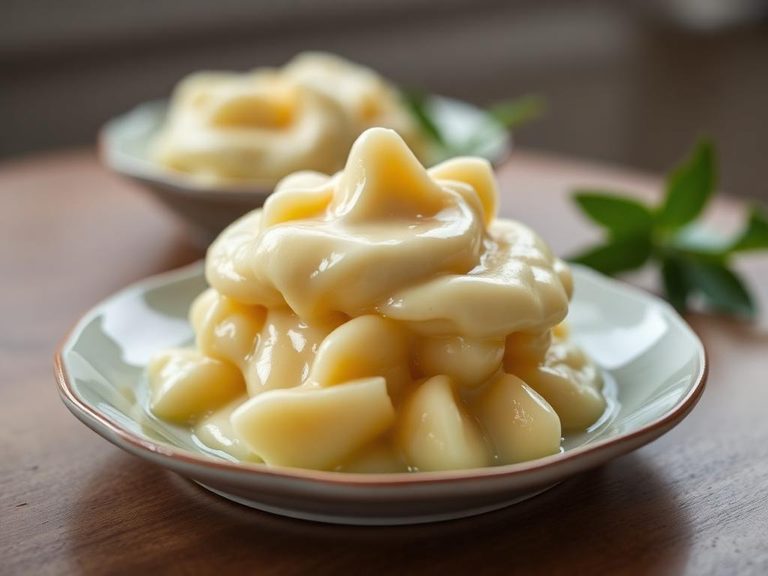
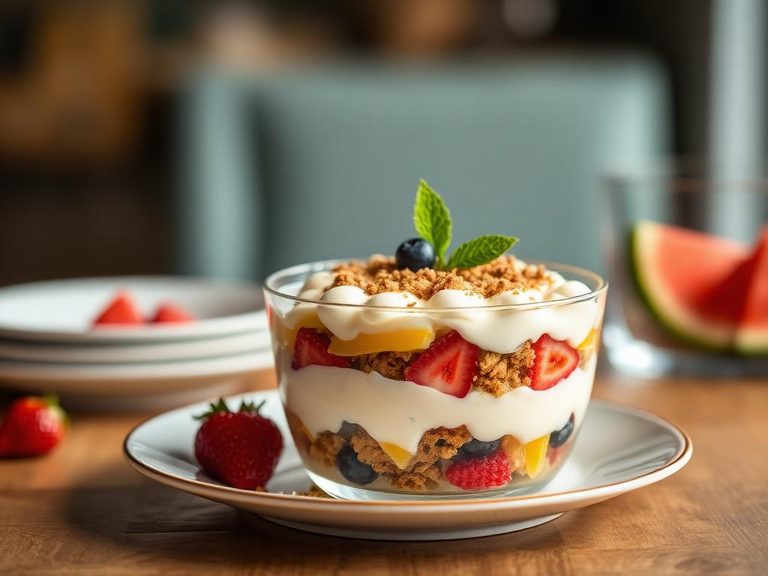
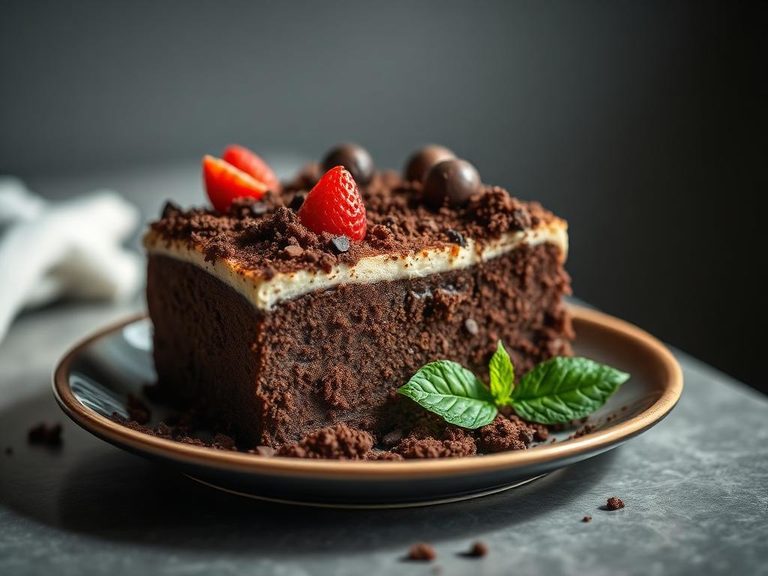
🌍 Where it's eaten
💡 Did you know?
The 'skin' that forms on top of cooked pudding is a layer of dried-out starch and protein, which many people deliberately peel off and eat first.
Full nutrition (USDA data · scales with serving)
| Water | 3.9 g |
| Energy | 379 kcal |
| Energy | 1585 kj |
| Protein | 0.30 g |
| Total lipid (fat) | 0.40 g |
| Ash | 2.0 g |
| Carbohydrate, by difference | 93.5 g |
| Fiber, total dietary | 0.60 g |
| Total Sugars | 79.3 g |
| Calcium, Ca | 5.0 mg |
| Iron, Fe | 0.08 mg |
| Magnesium, Mg | 0.00 mg |
| Phosphorus, P | 2.0 mg |
| Potassium, K | 20.0 mg |
| Sodium, Na | 613 mg |
| Zinc, Zn | 0.02 mg |
| Copper, Cu | 0.02 mg |
| Manganese, Mn | 0.01 mg |
| Selenium, Se | 0.90 ug |
| Vitamin C, total ascorbic acid | 0.00 mg |
| Thiamin | 0.00 mg |
| Riboflavin | 0.01 mg |
| Niacin | 0.00 mg |
| Pantothenic acid | 0.00 mg |
| Vitamin B-6 | 0.00 mg |
| Folate, total | 0.00 ug |
| Folic acid | 0.00 ug |
| Folate, food | 0.00 ug |
| Folate, DFE | 0.00 ug |
| Choline, total | 0.00 mg |
| Vitamin B-12 | 0.00 ug |
| Vitamin B-12, added | 0.00 ug |
| Vitamin A, RAE | 0.00 ug |
| Retinol | 0.00 ug |
| Carotene, beta | 0.00 ug |
| Carotene, alpha | 0.00 ug |
| Cryptoxanthin, beta | 0.00 ug |
| Vitamin A, IU | 0.00 iu |
| Lycopene | 0.00 ug |
| Lutein + zeaxanthin | 0.00 ug |
| Vitamin E (alpha-tocopherol) | 0.00 mg |
| Vitamin E, added | 0.00 mg |
| Vitamin D (D2 + D3), International Units | 0.00 iu |
| Vitamin D (D2 + D3) | 0.00 ug |
| Vitamin K (phylloquinone) | 0.00 ug |
| Alcohol, ethyl | 0.00 g |
| Caffeine | 0.00 mg |
| Theobromine | 0.00 mg |
Fat & fatty acid profile (per 100g)
| Fatty acids, total saturated | 0.09 g |
| SFA 4:0 | 0.00 g |
| SFA 6:0 | 0.00 g |
| SFA 8:0 | 0.00 g |
| SFA 10:0 | 0.00 g |
| SFA 12:0 | 0.00 g |
| SFA 14:0 | 0.00 g |
| SFA 16:0 | 0.09 g |
| SFA 18:0 | 0.00 g |
| Fatty acids, total monounsaturated | 0.03 g |
| MUFA 16:1 | 0.00 g |
| MUFA 18:1 | 0.03 g |
| MUFA 20:1 | 0.00 g |
| MUFA 22:1 | 0.00 g |
| Fatty acids, total polyunsaturated | 0.17 g |
| PUFA 18:2 | 0.16 g |
| PUFA 18:3 | 0.01 g |
| PUFA 18:4 | 0.00 g |
| PUFA 20:4 | 0.00 g |
| PUFA 20:5 n-3 (EPA) | 0.00 g |
| PUFA 22:5 n-3 (DPA) | 0.00 g |
| PUFA 22:6 n-3 (DHA) | 0.00 g |
| Cholesterol | 0.00 mg |
Amino acid profile (per 100g)
| Tryptophan | 0.00 g |
| Threonine | 0.01 g |
| Isoleucine | 0.01 g |
| Leucine | 0.04 g |
| Lysine | 0.01 g |
| Methionine | 0.01 g |
| Cystine | 0.01 g |
| Phenylalanine | 0.01 g |
| Tyrosine | 0.01 g |
| Valine | 0.01 g |
| Arginine | 0.01 g |
| Histidine | 0.01 g |
| Alanine | 0.02 g |
| Aspartic acid | 0.02 g |
| Glutamic acid | 0.05 g |
| Glycine | 0.01 g |
| Proline | 0.02 g |
| Serine | 0.01 g |
FAQ
Why is my pudding runny?
It likely wasn't heated enough. The starch must reach a full boil (212°F/100°C) for 1-2 minutes while stirring to fully activate and thicken. Also, ensure you used the correct ratio of mix to cold milk.
Can I use a milk alternative like almond or oat milk?
Yes, but the result may be less creamy and slightly less thick. Use an unsweetened, plain variety and ensure it's a 'barista' or full-fat version for best results. The setting time might be longer.
How do I prevent a skin from forming if I don't like it?
Press a piece of plastic wrap directly onto the surface of the hot pudding before refrigerating. This prevents air exposure and stops the skin from forming.
Nutrient density (calculated · NRF9.3)
Nutrient Rich Foods index: beneficial nutrients (protein, fiber, vitamins, minerals) minus saturated fat, added sugar & sodium, per 100 kcal.
NRF9.3 index — Fulgoni, Keast & Drewnowski, 2009. Computed from USDA nutrients.
Weight-loss friendliness (composite index)
Energy density 3.79 kcal/g · 0% calories from protein · 0.6 g fiber · 79.3 g sugar per 100 g.
Composite of energy density (Rolls et al., 1999), protein & fiber satiety, minus sugar. A calculated heuristic — ranks satiety-per-calorie, not a clinical measure.
Dietary load (calculated from USDA values)
Potential renal acid load. Positive = acid-forming, negative = alkaline-forming.
Sodium-to-potassium ratio: 30.65 (lower is better — aim for ≤ 1)
Sodium:potassium per WHO potassium guidance. Computed from USDA nutrients.