

Peppers, sweet, red, cooked, boiled, drained, with salt
Whole food · Vegetables and Vegetable Products

Photo: Wikipedia
Boiled and drained sweet red peppers transform into silky, tender morsels with a deep, concentrated sweetness and a mild, fruity flavor. Their vibrant red color and soft, yielding texture make them a visually appealing and palate-pleasing addition to countless dishes. Nutritionally, they are a low-calorie powerhouse, providing an excellent source of vitamin C and vitamin A with minimal fat.
Calorie split: 12% protein · 82% carbs · 6% fat
↓ Full nutrition💚 Why it's loved
People love them for their sweet, almost jammy flavor that intensifies with cooking, and their incredibly versatile, melt-in-the-mouth texture that absorbs surrounding flavors beautifully. They are a beloved staple in Mediterranean and Latin American cuisines, often representing comfort, color, and a touch of sweetness in savory dishes.
⚠️ Watch-outs & how to enjoy it better
The boiling process can leach water-soluble vitamins like vitamin C, and the added salt increases sodium content. For those monitoring blood sugar, the natural sugars (4.39g per 100g) can contribute to a glycemic load, especially when eaten in large portions. To counteract, pair with protein or healthy fats (like in a frittata or with beans) to slow sugar absorption, and rinse them after boiling to reduce sodium if needed.
Key benefits
- Excellent source of immune-supporting vitamin C
- Rich in beta-carotene, which converts to vitamin A for eye health
- Provides dietary fiber for digestive health
- Very low in calories and fat, aiding weight management
- Contains antioxidants like capsanthin linked to reducing inflammation
🍽️ Popular dishes
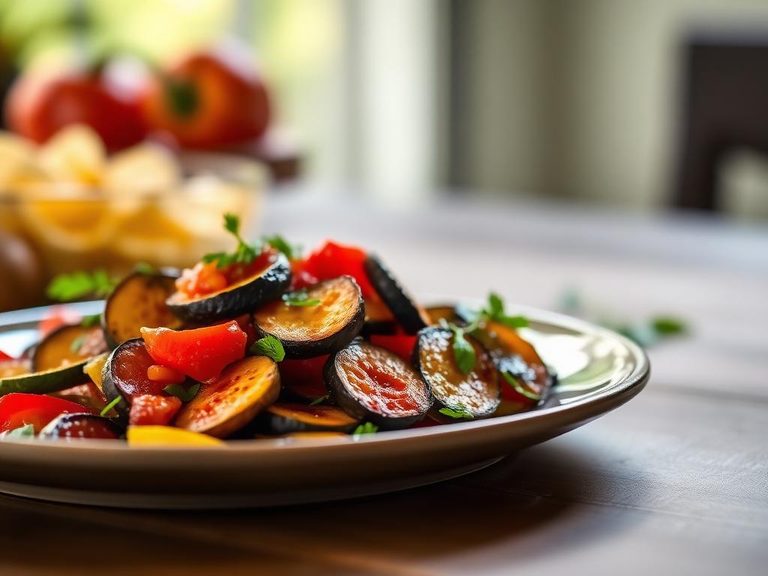
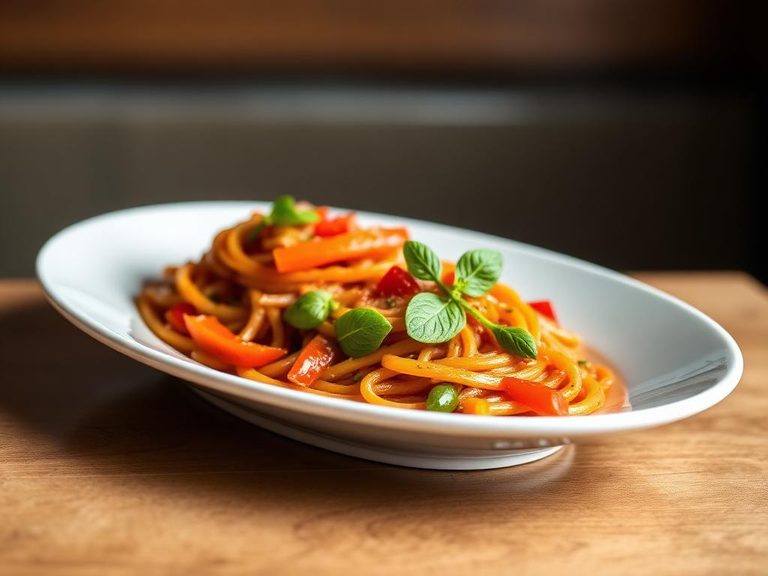
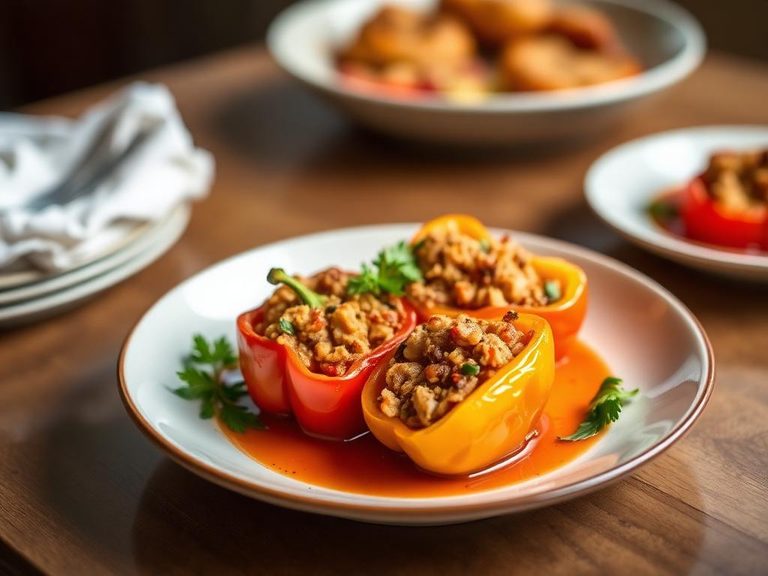
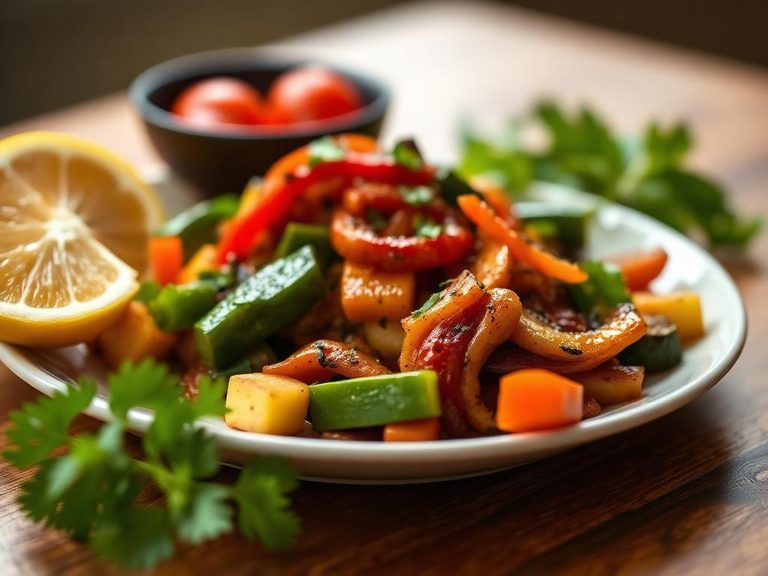
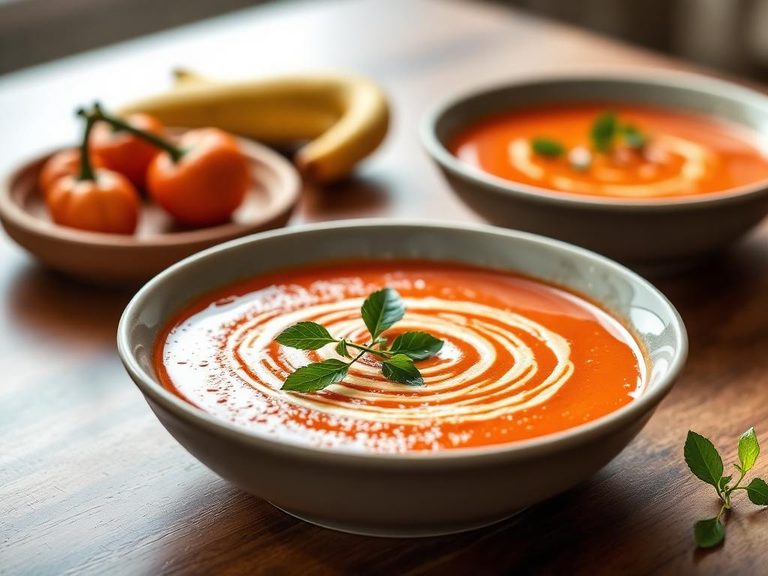
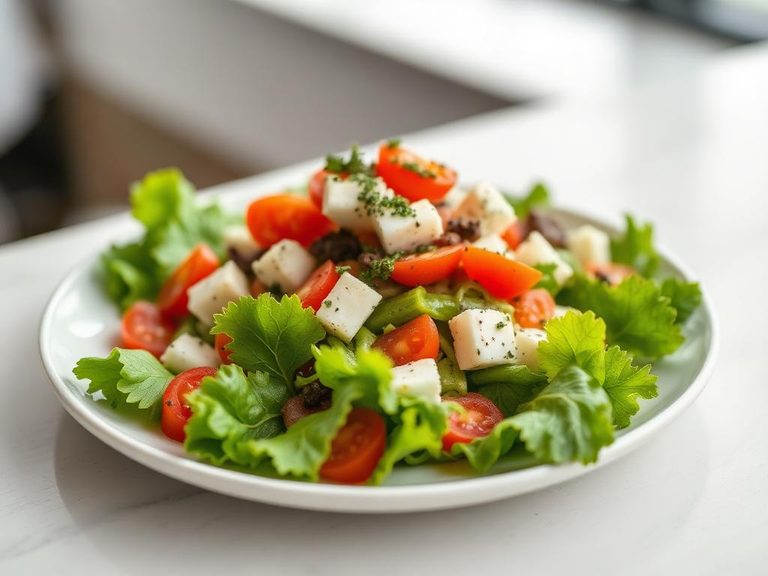
🌍 Where it's eaten
💡 Did you know?
The red bell pepper is actually a fully ripened green pepper, and its vitamin C content can be more than three times that of an orange by weight.
Full nutrition (USDA data · scales with serving)
| Water | 91.9 g |
| Energy | 26.0 kcal |
| Energy | 108 kj |
| Protein | 0.92 g |
| Total lipid (fat) | 0.20 g |
| Ash | 0.90 g |
| Carbohydrate, by difference | 6.1 g |
| Fiber, total dietary | 1.2 g |
| Total Sugars | 4.4 g |
| Calcium, Ca | 9.0 mg |
| Iron, Fe | 0.46 mg |
| Magnesium, Mg | 10.0 mg |
| Phosphorus, P | 18.0 mg |
| Potassium, K | 166 mg |
| Sodium, Na | 238 mg |
| Zinc, Zn | 0.12 mg |
| Copper, Cu | 0.07 mg |
| Manganese, Mn | 0.12 mg |
| Selenium, Se | 0.30 ug |
| Vitamin C, total ascorbic acid | 171 mg |
| Thiamin | 0.06 mg |
| Riboflavin | 0.03 mg |
| Niacin | 0.48 mg |
| Pantothenic acid | 0.08 mg |
| Vitamin B-6 | 0.23 mg |
| Folate, total | 16.0 ug |
| Folic acid | 0.00 ug |
| Folate, food | 16.0 ug |
| Folate, DFE | 16.0 ug |
| Choline, total | 5.8 mg |
| Vitamin B-12 | 0.00 ug |
| Vitamin B-12, added | 0.00 ug |
| Vitamin A, RAE | 147 ug |
| Retinol | 0.00 ug |
| Carotene, beta | 1525 ug |
| Carotene, alpha | 18.0 ug |
| Cryptoxanthin, beta | 460 ug |
| Vitamin A, IU | 2941 iu |
| Lycopene | 0.00 ug |
| Lutein + zeaxanthin | 47.0 ug |
| Vitamin E (alpha-tocopherol) | 1.6 mg |
| Vitamin E, added | 0.00 mg |
| Vitamin D (D2 + D3), International Units | 0.00 iu |
| Vitamin D (D2 + D3) | 0.00 ug |
| Vitamin K (phylloquinone) | 5.1 ug |
Fat & fatty acid profile (per 100g)
| Fatty acids, total saturated | 0.03 g |
| SFA 4:0 | 0.00 g |
| SFA 6:0 | 0.00 g |
| SFA 8:0 | 0.00 g |
| SFA 10:0 | 0.00 g |
| SFA 12:0 | 0.00 g |
| SFA 14:0 | 0.00 g |
| SFA 16:0 | 0.02 g |
| SFA 18:0 | 0.01 g |
| Fatty acids, total monounsaturated | 0.01 g |
| MUFA 16:1 | 0.00 g |
| MUFA 18:1 | 0.01 g |
| Fatty acids, total polyunsaturated | 0.11 g |
| PUFA 18:2 | 0.10 g |
| PUFA 18:3 | 0.01 g |
| Fatty acids, total trans | 0.00 g |
| Cholesterol | 0.00 mg |
| Phytosterols | 9.0 mg |
Amino acid profile (per 100g)
| Tryptophan | 0.01 g |
| Threonine | 0.03 g |
| Isoleucine | 0.03 g |
| Leucine | 0.05 g |
| Lysine | 0.04 g |
| Methionine | 0.01 g |
| Cystine | 0.02 g |
| Phenylalanine | 0.03 g |
| Tyrosine | 0.02 g |
| Valine | 0.04 g |
| Arginine | 0.04 g |
| Histidine | 0.02 g |
| Alanine | 0.04 g |
| Aspartic acid | 0.13 g |
| Glutamic acid | 0.12 g |
| Glycine | 0.03 g |
| Proline | 0.04 g |
| Serine | 0.04 g |
FAQ
Are boiled red peppers as nutritious as raw ones?
Cooking can reduce heat-sensitive nutrients like vitamin C but may make others, like beta-carotene, more bioavailable. Boiling specifically can cause some nutrient loss into the water, which is why draining is noted. They remain a very healthy choice.
Why does my boiled pepper taste bitter?
Bitterness can occur if the white pith and seeds inside the pepper aren't fully removed before cooking. It can also be a natural trait of some pepper varieties. Using ripe, sweet red peppers and ensuring thorough cleaning helps avoid this.
How can I reduce the sodium from the 'with salt' preparation?
After boiling, you can briefly rinse the peppers under cool running water. Alternatively, you can cook them without added salt and season lightly with herbs, spices, or a squeeze of lemon juice afterward for flavor without the sodium.
Nutrient density (calculated · NRF9.3)
Nutrient Rich Foods index: beneficial nutrients (protein, fiber, vitamins, minerals) minus saturated fat, added sugar & sodium, per 100 kcal.
NRF9.3 index — Fulgoni, Keast & Drewnowski, 2009. Computed from USDA nutrients.
Weight-loss friendliness (composite index)
Energy density 0.26 kcal/g · 14% calories from protein · 1.2 g fiber · 4.4 g sugar per 100 g.
Composite of energy density (Rolls et al., 1999), protein & fiber satiety, minus sugar. A calculated heuristic — ranks satiety-per-calorie, not a clinical measure.
Dietary load (calculated from USDA values)
Potential renal acid load. Positive = acid-forming, negative = alkaline-forming.
Sodium-to-potassium ratio: 1.43 (lower is better — aim for ≤ 1)
Sodium:potassium per WHO potassium guidance. Computed from USDA nutrients.