

Peppers, red, cooked
Common food
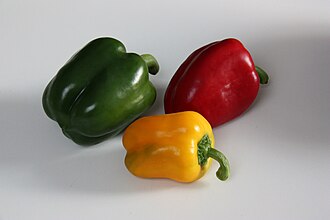
Photo: Wikipedia
Cooked red bell peppers transform from crisp and mildly bitter to silky, sweet, and deeply savory. Their flesh becomes tender and almost jammy, releasing a concentrated, fruity flavor that is richer than their raw counterpart. Nutritionally, they are a low-calorie powerhouse, delivering a significant dose of Vitamin C and Vitamin A in every serving.
Calorie split: 7% protein · 48% carbs · 45% fat
↓ Full nutrition💚 Why it's loved
People love them for their profound sweetness and versatility; they can be the star of a dish or a flavor-enhancing base. Their vibrant red color and ability to meld into everything from sauces to salads make them a beloved culinary staple across many cultures.
⚠️ Watch-outs & how to enjoy it better
While low in calories, their natural sugars (4.24g per 100g) can contribute to a blood sugar rise if eaten in very large quantities alone. To counteract this, pair them with a source of protein (like chicken or beans) or healthy fat (like olive oil) to slow digestion and stabilize glucose response.
Key benefits
- Excellent source of immune-supporting Vitamin C.
- Rich in antioxidant carotenoids like beta-carotene.
- Provides dietary fiber for digestive health.
- Low calorie density aids in weight management.
- Contains Vitamin B6, important for metabolism.
🍽️ Popular dishes
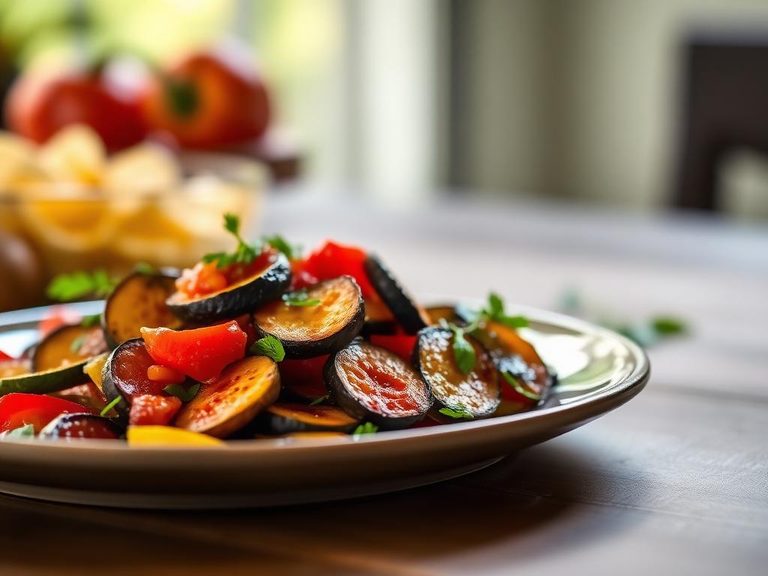
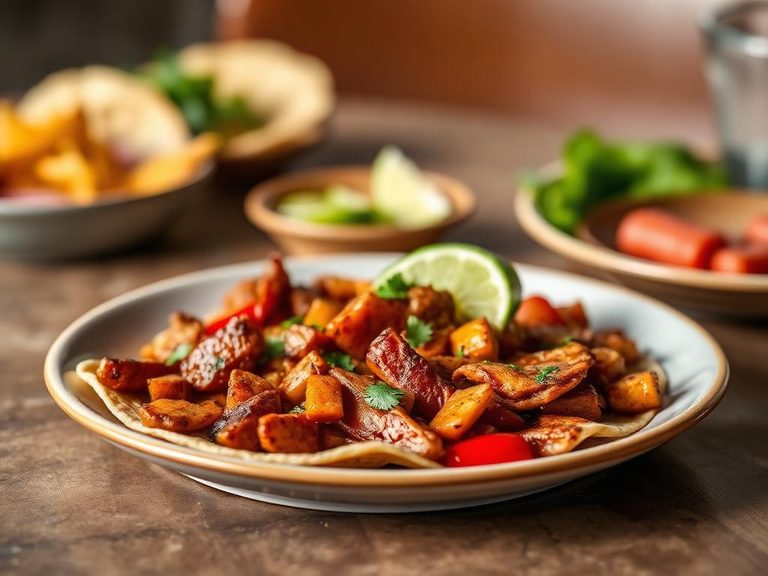
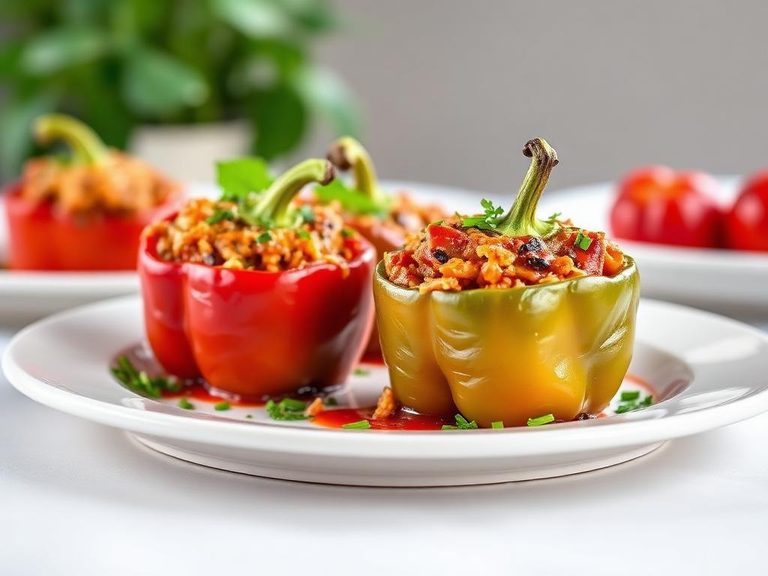
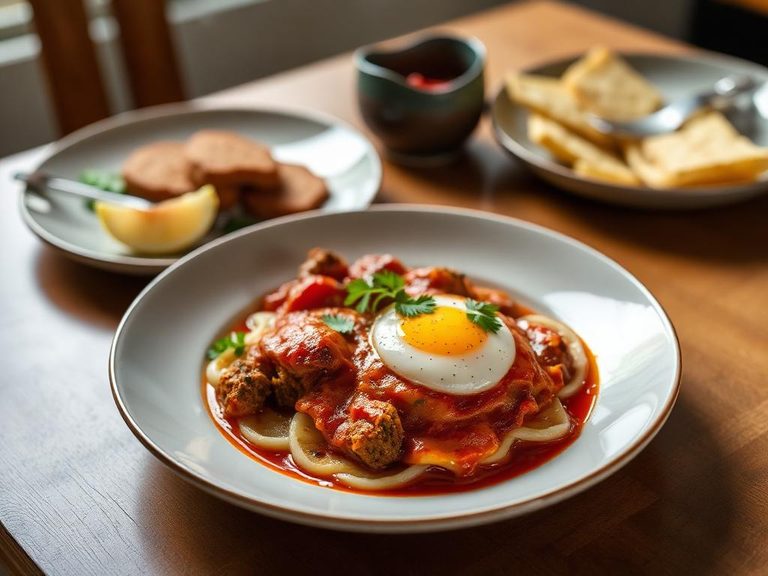
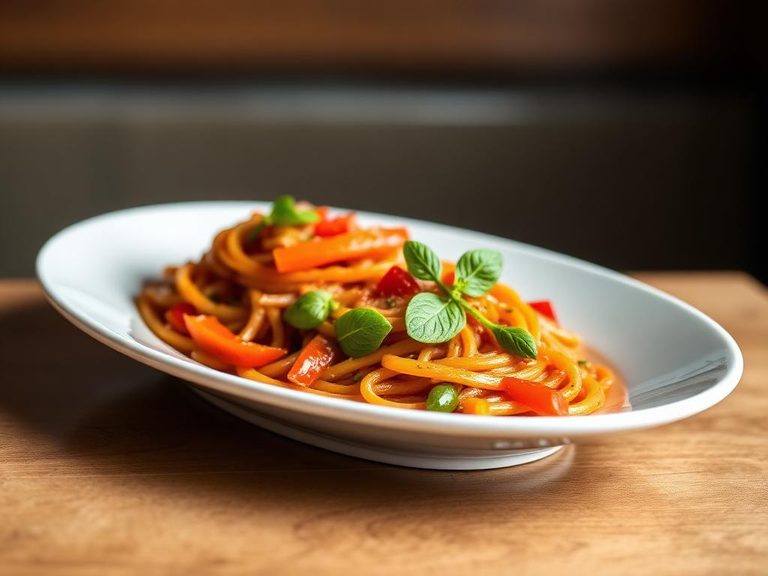
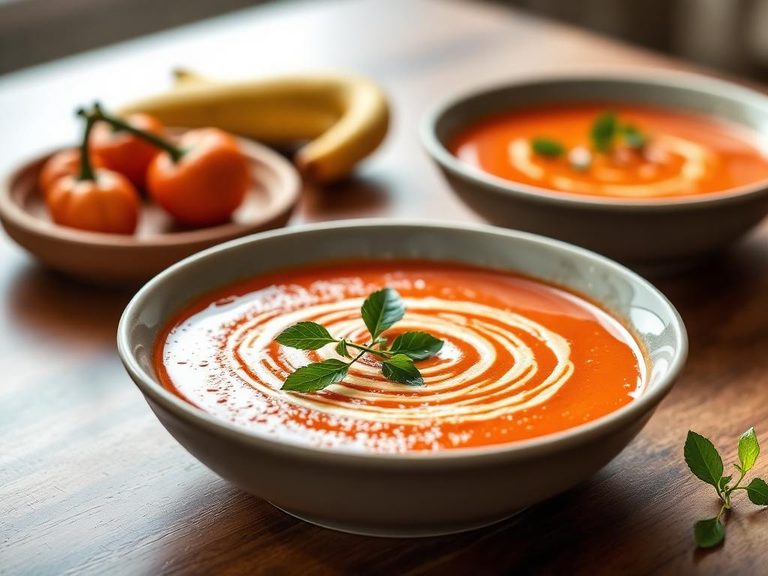
🌍 Where it's eaten
💡 Did you know?
The red color of a fully ripe bell pepper comes from carotenoid pigments, and it contains nearly 11 times more beta-carotene than a green bell pepper, which is simply an unripe version of the same fruit.
Full nutrition (USDA data · scales with serving)
| Water | 88.9 g |
| Energy | 55.0 kcal |
| Protein | 0.92 g |
| Total lipid (fat) | 2.8 g |
| Carbohydrate, by difference | 6.7 g |
| Fiber, total dietary | 1.2 g |
| Total Sugars | 4.2 g |
| Calcium, Ca | 6.0 mg |
| Iron, Fe | 0.36 mg |
| Magnesium, Mg | 11.0 mg |
| Phosphorus, P | 28.0 mg |
| Potassium, K | 215 mg |
| Sodium, Na | 126 mg |
| Zinc, Zn | 0.20 mg |
| Copper, Cu | 0.04 mg |
| Selenium, Se | 0.00 ug |
| Vitamin C, total ascorbic acid | 122 mg |
| Thiamin | 0.05 mg |
| Riboflavin | 0.14 mg |
| Niacin | 0.98 mg |
| Vitamin B-6 | 0.29 mg |
| Folate, total | 40.0 ug |
| Folic acid | 0.00 ug |
| Folate, food | 40.0 ug |
| Folate, DFE | 40.0 ug |
| Choline, total | 5.9 mg |
| Vitamin B-12 | 0.00 ug |
| Vitamin B-12, added | 0.00 ug |
| Vitamin A, RAE | 162 ug |
| Retinol | 11.0 ug |
| Carotene, beta | 1561 ug |
| Carotene, alpha | 19.0 ug |
| Cryptoxanthin, beta | 469 ug |
| Lycopene | 0.00 ug |
| Lutein + zeaxanthin | 49.0 ug |
| Vitamin E (alpha-tocopherol) | 2.0 mg |
| Vitamin E, added | 0.00 mg |
| Vitamin D (D2 + D3) | 0.00 ug |
| Vitamin K (phylloquinone) | 7.1 ug |
| Alcohol, ethyl | 0.00 g |
| Caffeine | 0.00 mg |
| Theobromine | 0.00 mg |
Fat & fatty acid profile (per 100g)
| Fatty acids, total saturated | 0.75 g |
| SFA 4:0 | 0.02 g |
| SFA 6:0 | 0.01 g |
| SFA 8:0 | 0.01 g |
| SFA 10:0 | 0.02 g |
| SFA 12:0 | 0.02 g |
| SFA 14:0 | 0.07 g |
| SFA 16:0 | 0.44 g |
| SFA 18:0 | 0.15 g |
| Fatty acids, total monounsaturated | 0.95 g |
| MUFA 16:1 | 0.02 g |
| MUFA 18:1 | 0.91 g |
| MUFA 20:1 | 0.01 g |
| MUFA 22:1 | 0.00 g |
| Fatty acids, total polyunsaturated | 0.92 g |
| PUFA 18:2 | 0.78 g |
| PUFA 18:3 | 0.14 g |
| PUFA 18:4 | 0.00 g |
| PUFA 20:4 | 0.00 g |
| PUFA 20:5 n-3 (EPA) | 0.00 g |
| PUFA 22:5 n-3 (DPA) | 0.00 g |
| PUFA 22:6 n-3 (DHA) | 0.00 g |
| Cholesterol | 2.0 mg |
Amino acid profile (per 100g)
Estimated from Peppers, sweet, green, raw — USDA does not publish this profile for Peppers.
| Tryptophan | 0.01 g |
| Threonine | 0.04 g |
| Isoleucine | 0.02 g |
| Leucine | 0.04 g |
| Lysine | 0.04 g |
| Methionine | 0.01 g |
| Cystine | 0.01 g |
| Phenylalanine | 0.09 g |
| Tyrosine | 0.01 g |
| Valine | 0.04 g |
| Arginine | 0.03 g |
| Histidine | 0.01 g |
| Alanine | 0.04 g |
| Aspartic acid | 0.21 g |
| Glutamic acid | 0.19 g |
| Glycine | 0.03 g |
| Proline | 0.02 g |
| Serine | 0.05 g |
FAQ
Are cooked red peppers less nutritious than raw?
Cooking can reduce heat-sensitive nutrients like Vitamin C, but it also breaks down cell walls, making other antioxidants like beta-carotene more bioavailable and easier for your body to absorb.
What's the best way to cook them to retain flavor and nutrients?
Quick, high-heat methods like sautéing or roasting at high temperatures for a short time help preserve color, texture, and nutrients while developing their natural sweetness.
Can I freeze cooked red peppers?
Yes, they freeze very well. Spread them on a baking sheet to freeze individually before transferring to a bag, which prevents clumping. They'll keep for 6-8 months.
Nutrient density (calculated · NRF9.3)
Nutrient Rich Foods index: beneficial nutrients (protein, fiber, vitamins, minerals) minus saturated fat, added sugar & sodium, per 100 kcal.
NRF9.3 index — Fulgoni, Keast & Drewnowski, 2009. Computed from USDA nutrients.
Weight-loss friendliness (composite index)
Energy density 0.55 kcal/g · 7% calories from protein · 1.2 g fiber · 4.2 g sugar per 100 g.
Composite of energy density (Rolls et al., 1999), protein & fiber satiety, minus sugar. A calculated heuristic — ranks satiety-per-calorie, not a clinical measure.
Dietary load (calculated from USDA values)
Potential renal acid load. Positive = acid-forming, negative = alkaline-forming.
Sodium-to-potassium ratio: 0.59 (lower is better — aim for ≤ 1)
Sodium:potassium per WHO potassium guidance. Computed from USDA nutrients.