

Peppers, hot chili, red, raw
Whole food · Vegetables and Vegetable Products

Photo: Wikipedia
The red hot chili pepper is a vibrant, glossy fruit with a fiery heat that builds from the tip to the seeds. Its crisp, juicy flesh delivers a sharp, pungent kick primarily from the compound capsaicin. Nutritionally, it's a low-calorie powerhouse, packed with more than 100% of your daily vitamin C in just a 100g serving.
Calorie split: 16% protein · 75% carbs · 8% fat
↓ Full nutrition💚 Why it's loved
People adore it for the exhilarating, endorphin-releasing burn that elevates dishes from simple to spectacular. Its versatility allows it to be used fresh, dried, or as a paste to add depth and heat to countless global cuisines.
⚠️ Watch-outs & how to enjoy it better
The intense capsaicin can cause digestive discomfort, heartburn, or irritation for those with sensitive stomachs or conditions like IBS. To mitigate this, remove the seeds and white pith (where most capsaicin resides), cook it to mellow the heat, or pair it with cooling dairy like yogurt or cheese.
Key benefits
- Exceptionally high in vitamin C, a potent antioxidant.
- Contains capsaicin, which may boost metabolism and reduce appetite.
- Good source of vitamin A, supporting eye and immune health.
- Provides fiber for digestive health.
- Rich in antioxidants like capsanthin.
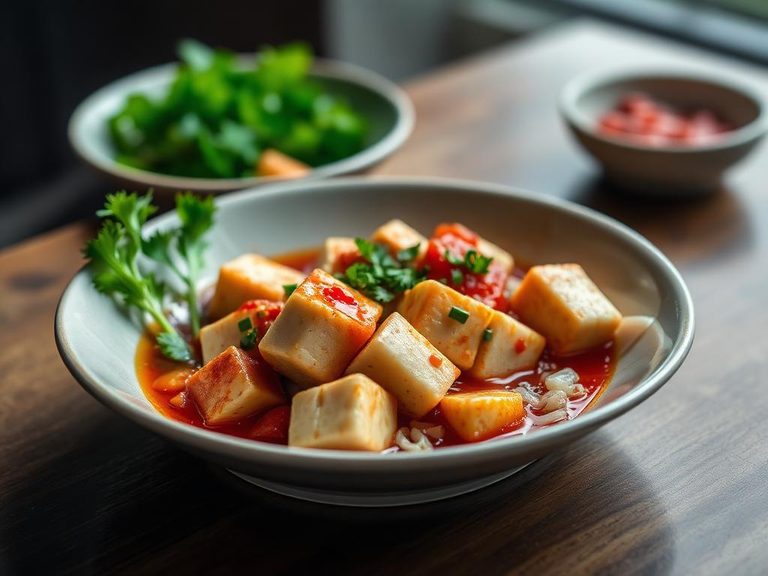
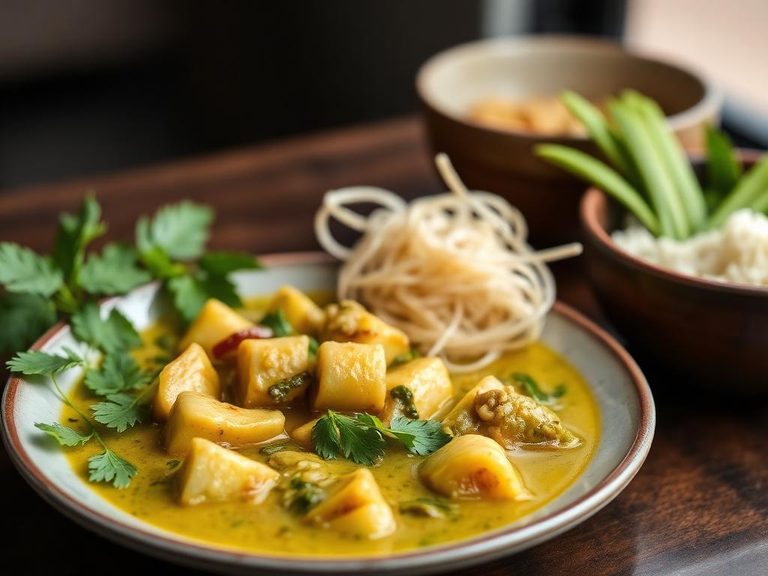
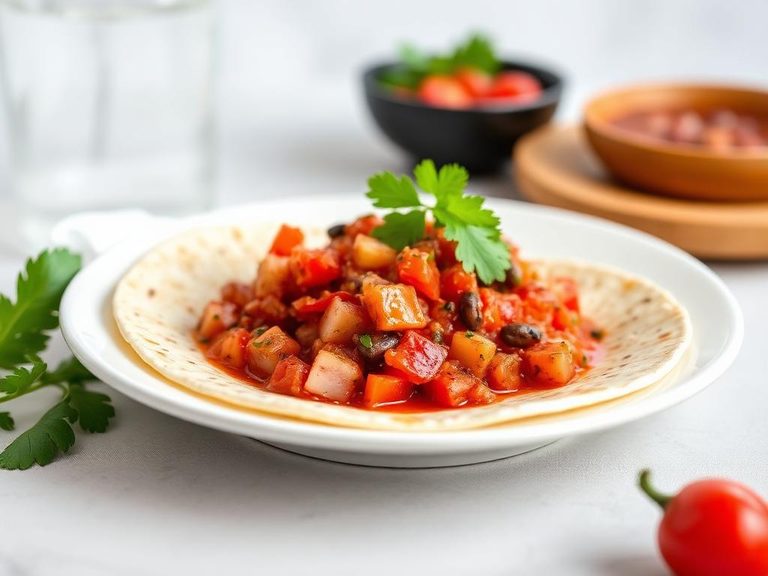
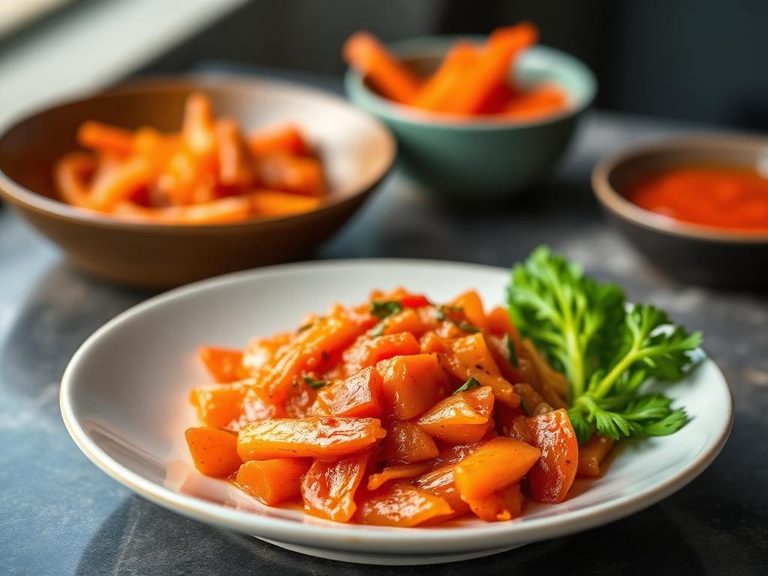
🍽️ Popular dishes
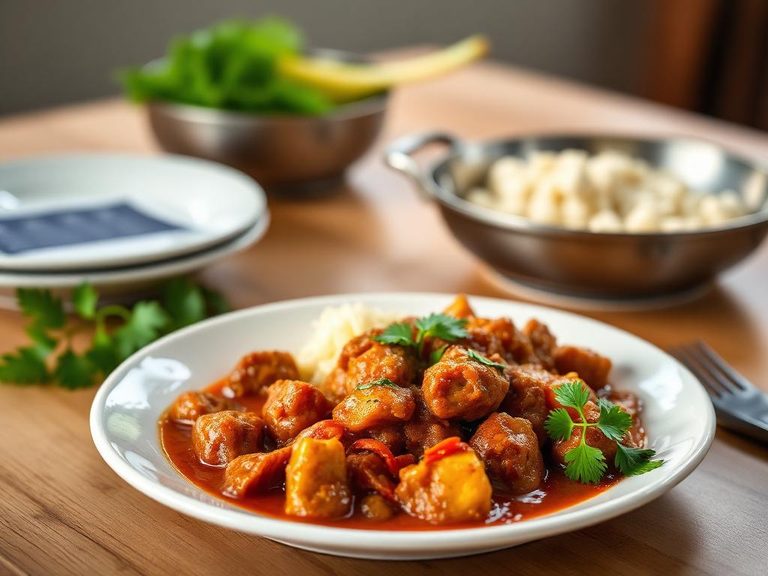
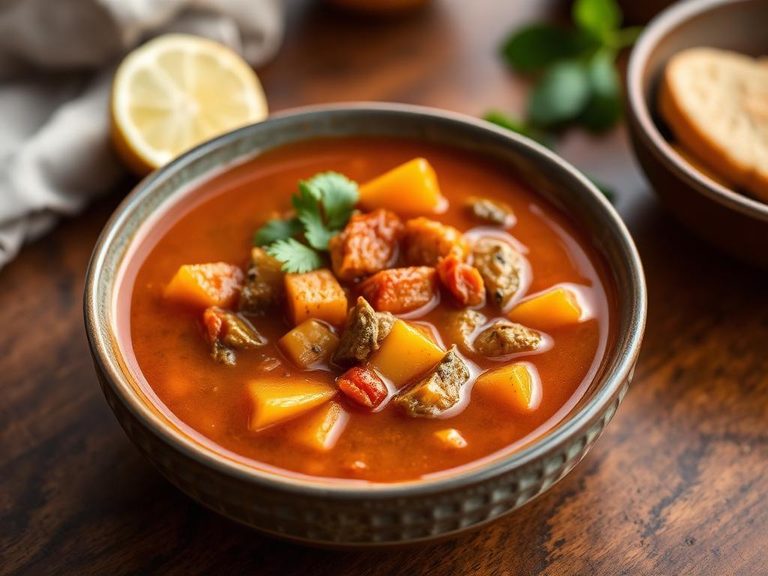
🌍 Where it's eaten
💡 Did you know?
The 'heat' of a chili is measured in Scoville Heat Units (SHU); a raw red hot chili typically ranges from 30,000 to 50,000 SHU, which is about 15 times hotter than a jalapeño.
Full nutrition (USDA data · scales with serving)
| Water | 88.0 g |
| Energy | 40.0 kcal |
| Energy | 166 kj |
| Protein | 1.9 g |
| Total lipid (fat) | 0.44 g |
| Ash | 0.87 g |
| Carbohydrate, by difference | 8.8 g |
| Fiber, total dietary | 1.5 g |
| Total Sugars | 5.3 g |
| Calcium, Ca | 14.0 mg |
| Iron, Fe | 1.0 mg |
| Magnesium, Mg | 23.0 mg |
| Phosphorus, P | 43.0 mg |
| Potassium, K | 322 mg |
| Sodium, Na | 9.0 mg |
| Zinc, Zn | 0.26 mg |
| Copper, Cu | 0.13 mg |
| Manganese, Mn | 0.19 mg |
| Selenium, Se | 0.50 ug |
| Vitamin C, total ascorbic acid | 144 mg |
| Thiamin | 0.07 mg |
| Riboflavin | 0.09 mg |
| Niacin | 1.2 mg |
| Pantothenic acid | 0.20 mg |
| Vitamin B-6 | 0.51 mg |
| Folate, total | 23.0 ug |
| Folic acid | 0.00 ug |
| Folate, food | 23.0 ug |
| Folate, DFE | 23.0 ug |
| Choline, total | 10.9 mg |
| Vitamin B-12 | 0.00 ug |
| Vitamin B-12, added | 0.00 ug |
| Vitamin A, RAE | 48.0 ug |
| Retinol | 0.00 ug |
| Carotene, beta | 534 ug |
| Carotene, alpha | 36.0 ug |
| Cryptoxanthin, beta | 40.0 ug |
| Vitamin A, IU | 952 iu |
| Lycopene | 0.00 ug |
| Lutein + zeaxanthin | 709 ug |
| Vitamin E (alpha-tocopherol) | 0.69 mg |
| Vitamin E, added | 0.00 mg |
| Vitamin D (D2 + D3), International Units | 0.00 iu |
| Vitamin D (D2 + D3) | 0.00 ug |
| Vitamin K (phylloquinone) | 14.0 ug |
| Alcohol, ethyl | 0.00 g |
| Caffeine | 0.00 mg |
| Theobromine | 0.00 mg |
Fat & fatty acid profile (per 100g)
| Fatty acids, total saturated | 0.04 g |
| SFA 4:0 | 0.00 g |
| SFA 6:0 | 0.00 g |
| SFA 8:0 | 0.00 g |
| SFA 10:0 | 0.00 g |
| SFA 12:0 | 0.00 g |
| SFA 14:0 | 0.00 g |
| SFA 16:0 | 0.03 g |
| SFA 18:0 | 0.01 g |
| Fatty acids, total monounsaturated | 0.02 g |
| MUFA 16:1 | 0.00 g |
| MUFA 18:1 | 0.02 g |
| MUFA 20:1 | 0.00 g |
| MUFA 22:1 | 0.00 g |
| Fatty acids, total polyunsaturated | 0.24 g |
| PUFA 18:2 | 0.23 g |
| PUFA 18:3 | 0.01 g |
| PUFA 18:4 | 0.00 g |
| PUFA 20:4 | 0.00 g |
| PUFA 20:5 n-3 (EPA) | 0.00 g |
| PUFA 22:5 n-3 (DPA) | 0.00 g |
| PUFA 22:6 n-3 (DHA) | 0.00 g |
| Fatty acids, total trans | 0.00 g |
| Cholesterol | 0.00 mg |
Amino acid profile (per 100g)
| Tryptophan | 0.03 g |
| Threonine | 0.07 g |
| Isoleucine | 0.07 g |
| Leucine | 0.10 g |
| Lysine | 0.09 g |
| Methionine | 0.02 g |
| Cystine | 0.04 g |
| Phenylalanine | 0.06 g |
| Tyrosine | 0.04 g |
| Valine | 0.08 g |
| Arginine | 0.10 g |
| Histidine | 0.04 g |
| Alanine | 0.08 g |
| Aspartic acid | 0.29 g |
| Glutamic acid | 0.26 g |
| Glycine | 0.07 g |
| Proline | 0.09 g |
| Serine | 0.08 g |
FAQ
How can I reduce the spiciness of a hot chili in a dish?
Remove the seeds and white membrane, as they contain most of the capsaicin. You can also add a dairy component like cream or yogurt, a sweetener like sugar, or an acid like vinegar to balance the heat.
Is the red hot chili pepper the same as a red bell pepper?
No. They are different cultivars of the same species (*Capsicum annuum*). The hot chili contains high levels of capsaicin, making it spicy, while the bell pepper has none and is sweet and mild.
Can eating hot chilies cause ulcers?
No, current medical understanding shows that capsaicin does not cause stomach ulcers. However, it can irritate existing ulcers or aggravate conditions like acid reflux, causing discomfort.
Nutrient density (calculated · NRF9.3)
Nutrient Rich Foods index: beneficial nutrients (protein, fiber, vitamins, minerals) minus saturated fat, added sugar & sodium, per 100 kcal.
NRF9.3 index — Fulgoni, Keast & Drewnowski, 2009. Computed from USDA nutrients.
Weight-loss friendliness (composite index)
Energy density 0.40 kcal/g · 19% calories from protein · 1.5 g fiber · 5.3 g sugar per 100 g.
Composite of energy density (Rolls et al., 1999), protein & fiber satiety, minus sugar. A calculated heuristic — ranks satiety-per-calorie, not a clinical measure.
Dietary load (calculated from USDA values)
Potential renal acid load. Positive = acid-forming, negative = alkaline-forming.
Sodium-to-potassium ratio: 0.03 (lower is better — aim for ≤ 1)
Sodium:potassium per WHO potassium guidance. Computed from USDA nutrients.