

Peppers, raw, NFS
Common food

Photo: Wikipedia
Raw peppers, whether vibrant bell varieties or the fiery chili, offer a crisp, juicy snap with a flavor spectrum ranging from sweet and grassy to intensely pungent. They are a low-calorie, hydrating powerhouse, packed with more than a daily dose of vitamin C and a notable amount of vitamin A in colored varieties. Their high water content and fibrous structure make them a satisfying, crunchy snack or ingredient.
Calorie split: 12% protein · 84% carbs · 4% fat
↓ Full nutrition💚 Why it's loved
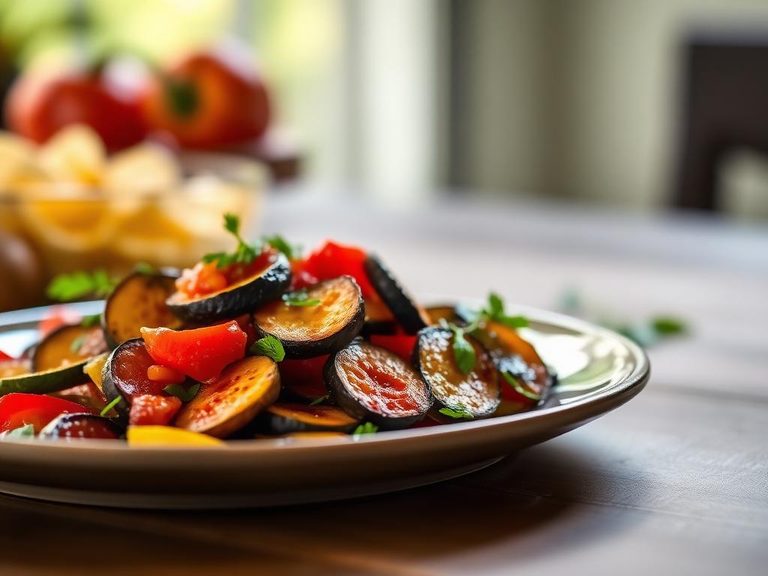
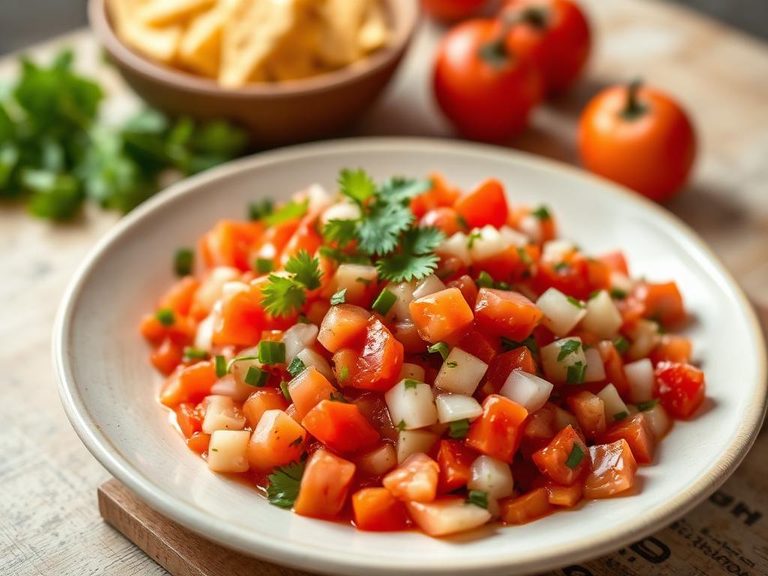
People adore peppers for their unparalleled versatility—they can be the sweet, crunchy base of a salad, the smoky backbone of a sauce, or the fiery soul of a curry. Their vibrant colors and ability to transform a dish's flavor and texture make them a global kitchen staple.
⚠️ Watch-outs & how to enjoy it better
The capsaicin in hot peppers can cause digestive discomfort or a burning sensation for those not accustomed to spice. To mitigate, start with milder varieties, remove seeds and membranes (where capsaicin concentrates), or pair with dairy like yogurt or cheese. Some individuals may also experience mild heartburn.
Key benefits
- Excellent source of immune-supporting vitamin C.
- Rich in antioxidant carotenoids, especially in red/yellow varieties.
- Very low in calories and fat, aiding weight management.
- High water content promotes hydration.
- Provides dietary fiber for digestive health.
🍽️ Popular dishes
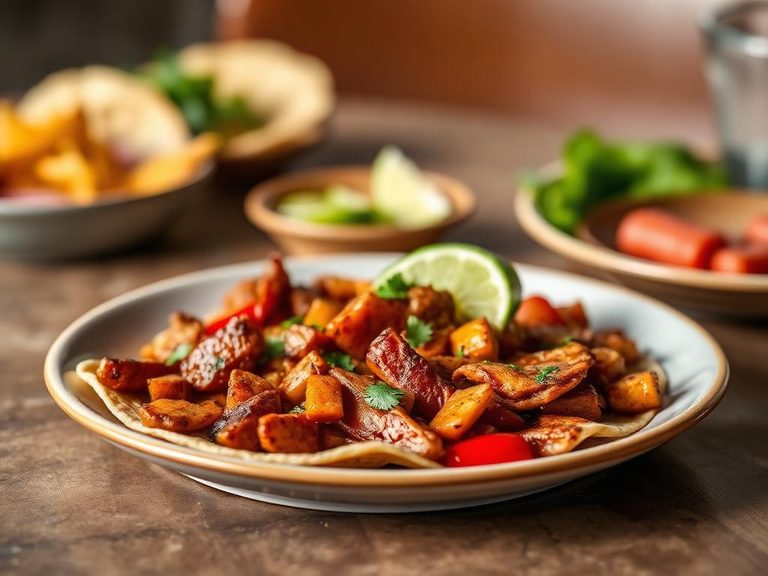
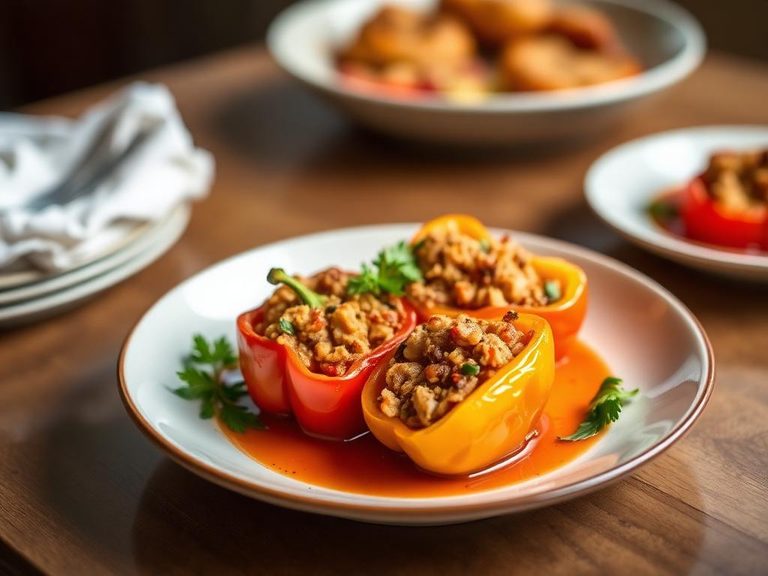
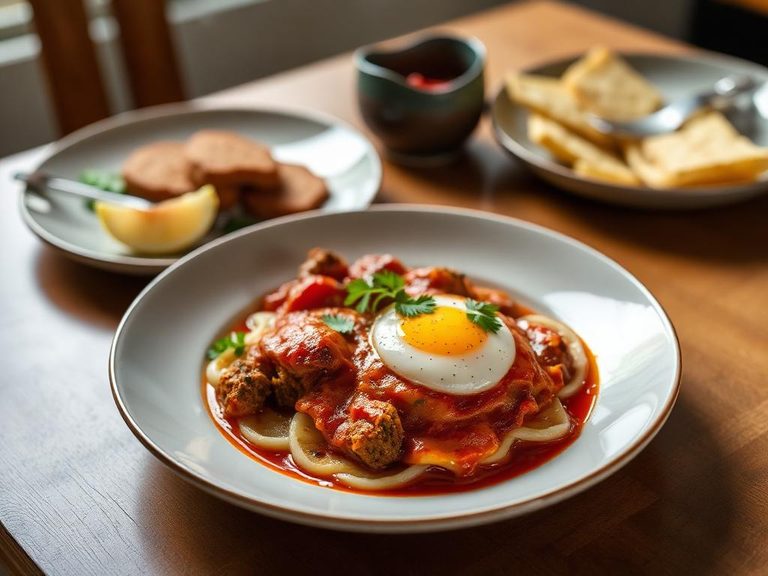
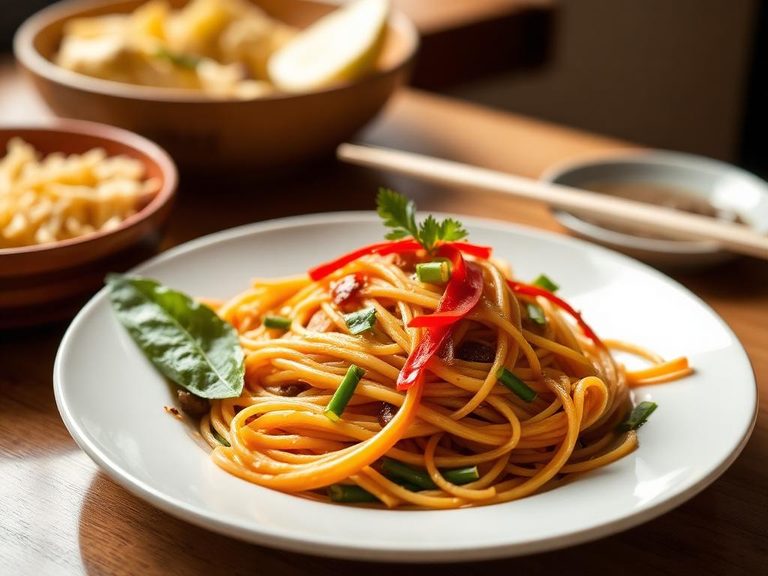
🌍 Where it's eaten
💡 Did you know?
The compound that makes chili peppers hot, capsaicin, is an irritant to mammals but birds are immune to it, allowing them to eat the peppers and disperse the seeds without feeling the burn.
Full nutrition (USDA data · scales with serving)
| Water | 93.0 g |
| Energy | 27.0 kcal |
| Protein | 0.81 g |
| Total lipid (fat) | 0.12 g |
| Carbohydrate, by difference | 5.7 g |
| Fiber, total dietary | 1.0 g |
| Total Sugars | 3.3 g |
| Calcium, Ca | 6.0 mg |
| Iron, Fe | 0.27 mg |
| Magnesium, Mg | 10.0 mg |
| Phosphorus, P | 22.0 mg |
| Potassium, K | 188 mg |
| Sodium, Na | 0.00 mg |
| Zinc, Zn | 0.16 mg |
| Copper, Cu | 0.05 mg |
| Selenium, Se | 0.00 ug |
| Vitamin C, total ascorbic acid | 121 mg |
| Thiamin | 0.05 mg |
| Riboflavin | 0.12 mg |
| Niacin | 0.83 mg |
| Vitamin B-6 | 0.28 mg |
| Folate, total | 34.0 ug |
| Folic acid | 0.00 ug |
| Folate, food | 34.0 ug |
| Folate, DFE | 34.0 ug |
| Choline, total | 5.6 mg |
| Vitamin B-12 | 0.00 ug |
| Vitamin B-12, added | 0.00 ug |
| Vitamin A, RAE | 88.0 ug |
| Retinol | 0.00 ug |
| Carotene, beta | 916 ug |
| Carotene, alpha | 20.0 ug |
| Cryptoxanthin, beta | 248 ug |
| Lycopene | 0.00 ug |
| Lutein + zeaxanthin | 196 ug |
| Vitamin E (alpha-tocopherol) | 0.98 mg |
| Vitamin E, added | 0.00 mg |
| Vitamin D (D2 + D3) | 0.00 ug |
| Vitamin K (phylloquinone) | 6.2 ug |
| Alcohol, ethyl | 0.00 g |
| Caffeine | 0.00 mg |
| Theobromine | 0.00 mg |
Fat & fatty acid profile (per 100g)
| Fatty acids, total saturated | 0.06 g |
| SFA 4:0 | 0.00 g |
| SFA 6:0 | 0.00 g |
| SFA 8:0 | 0.00 g |
| SFA 10:0 | 0.00 g |
| SFA 12:0 | 0.00 g |
| SFA 14:0 | 0.00 g |
| SFA 16:0 | 0.05 g |
| SFA 18:0 | 0.01 g |
| Fatty acids, total monounsaturated | 0.01 g |
| MUFA 16:1 | 0.00 g |
| MUFA 18:1 | 0.01 g |
| MUFA 20:1 | 0.00 g |
| MUFA 22:1 | 0.00 g |
| Fatty acids, total polyunsaturated | 0.11 g |
| PUFA 18:2 | 0.08 g |
| PUFA 18:3 | 0.03 g |
| PUFA 18:4 | 0.00 g |
| PUFA 20:4 | 0.00 g |
| PUFA 20:5 n-3 (EPA) | 0.00 g |
| PUFA 22:5 n-3 (DPA) | 0.00 g |
| PUFA 22:6 n-3 (DHA) | 0.00 g |
| Cholesterol | 0.00 mg |
Amino acid profile (per 100g)
Estimated from Peppers, sweet, green, raw — USDA does not publish this profile for Peppers.
| Tryptophan | 0.01 g |
| Threonine | 0.04 g |
| Isoleucine | 0.02 g |
| Leucine | 0.04 g |
| Lysine | 0.04 g |
| Methionine | 0.01 g |
| Cystine | 0.01 g |
| Phenylalanine | 0.09 g |
| Tyrosine | 0.01 g |
| Valine | 0.04 g |
| Arginine | 0.03 g |
| Histidine | 0.01 g |
| Alanine | 0.04 g |
| Aspartic acid | 0.21 g |
| Glutamic acid | 0.19 g |
| Glycine | 0.03 g |
| Proline | 0.02 g |
| Serine | 0.05 g |
FAQ
Are the seeds the hottest part of a pepper?
Not exactly. The highest concentration of capsaicin is in the white pithy membranes (placenta) that the seeds are attached to. Removing the seeds and membranes significantly reduces the heat.
What's the nutritional difference between green and red bell peppers?
Red peppers are fully ripened green peppers. This means they are sweeter, have more vitamin C and A, and contain more antioxidants like beta-carotene, though they are slightly higher in calories and sugar.
How can I reduce the burning sensation from hot peppers?
Drink milk or eat dairy products like yogurt, as casein binds to capsaicin. Avoid water, which can spread the oily compound. Starchy foods like bread or rice can also help absorb it.
Nutrient density (calculated · NRF9.3)
Nutrient Rich Foods index: beneficial nutrients (protein, fiber, vitamins, minerals) minus saturated fat, added sugar & sodium, per 100 kcal.
NRF9.3 index — Fulgoni, Keast & Drewnowski, 2009. Computed from USDA nutrients.
Weight-loss friendliness (composite index)
Energy density 0.27 kcal/g · 12% calories from protein · 1.0 g fiber · 3.3 g sugar per 100 g.
Composite of energy density (Rolls et al., 1999), protein & fiber satiety, minus sugar. A calculated heuristic — ranks satiety-per-calorie, not a clinical measure.
Dietary load (calculated from USDA values)
Potential renal acid load. Positive = acid-forming, negative = alkaline-forming.
Sodium-to-potassium ratio: 0.00 (lower is better — aim for ≤ 1)
Sodium:potassium per WHO potassium guidance. Computed from USDA nutrients.