

Peppers, bell, green, raw
Whole food · Vegetables and Vegetable Products
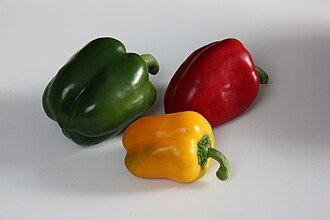
Photo: Wikipedia
A crisp, hollow fruit with a thick, glossy wall, the green bell pepper offers a fresh, mildly bitter, and grassy flavor with a satisfying crunch. Nutritionally, it's a low-calorie powerhouse, delivering nearly a full gram of fiber and a significant dose of vitamin C per 100g, all for just 23 calories.
Calorie split: 12% protein · 83% carbs · 4% fat
↓ Full nutrition💚 Why it's loved
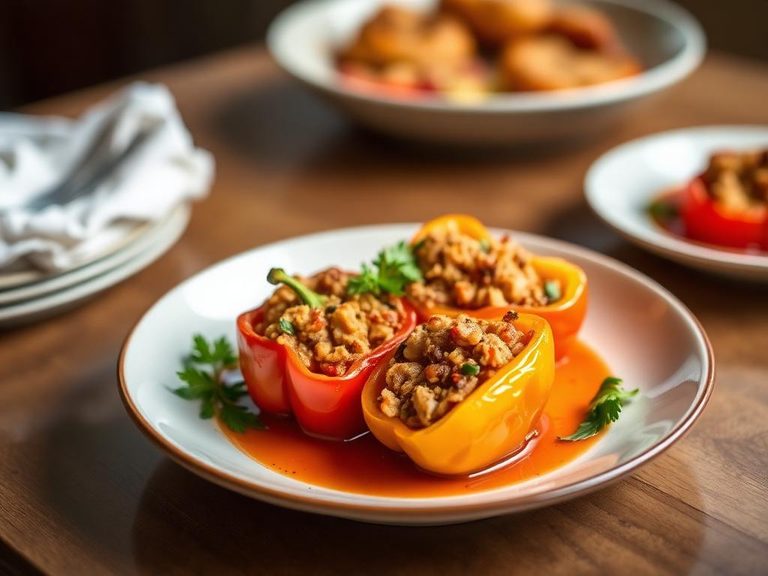
People love its vibrant crunch and clean, vegetary taste that adds texture and freshness to dishes without overpowering other flavors. Its versatility is legendary—it can be eaten raw as a snack, stuffed, roasted, or diced into everything from salads to stir-fries.
⚠️ Watch-outs & how to enjoy it better
Some find its raw flavor overly bitter or grassy, and the tough skin can be a textural turn-off. Those with sensitive digestive systems (like IBS) may experience gas or bloating from its fermentable fibers. To mitigate, try roasting or sautéing to soften the fibers and mellow the flavor, or pair with a fat like olive oil or cheese to improve digestibility.
Key benefits
- Excellent source of immune-supporting vitamin C
- Very low in calories, aiding weight management
- Provides dietary fiber for digestive health
- Contains antioxidants like capsanthin
- High water content promotes hydration
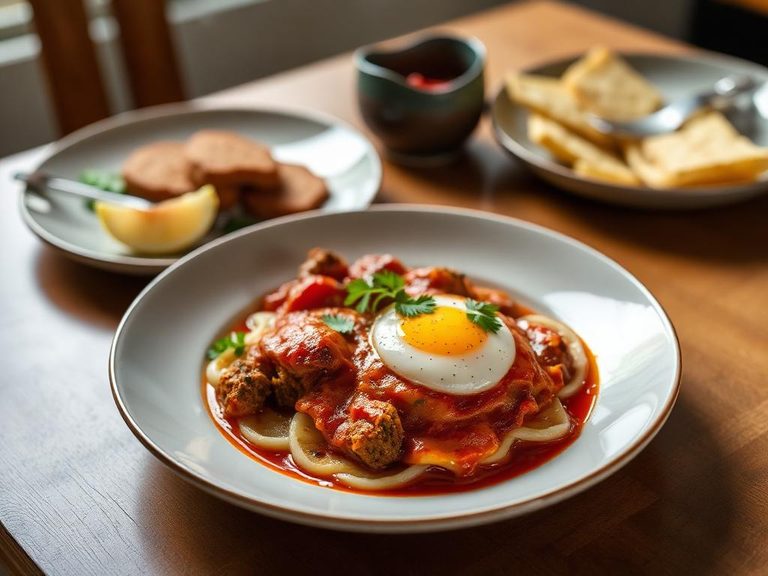
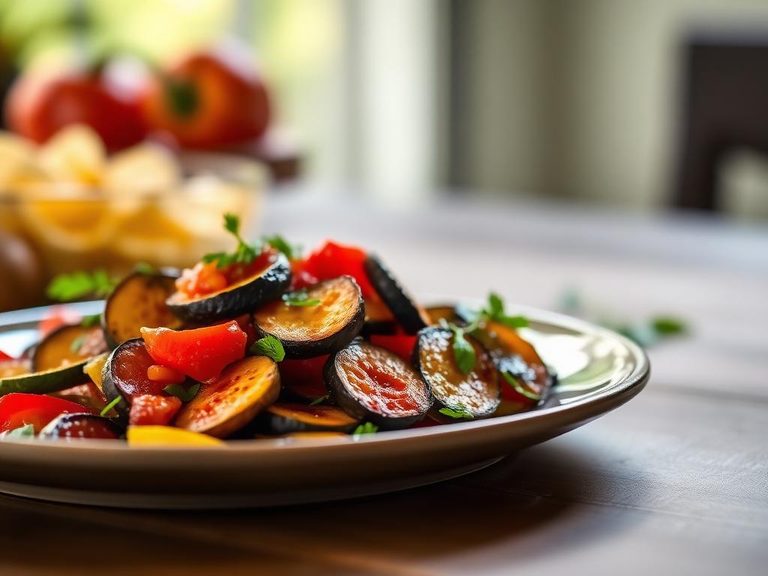
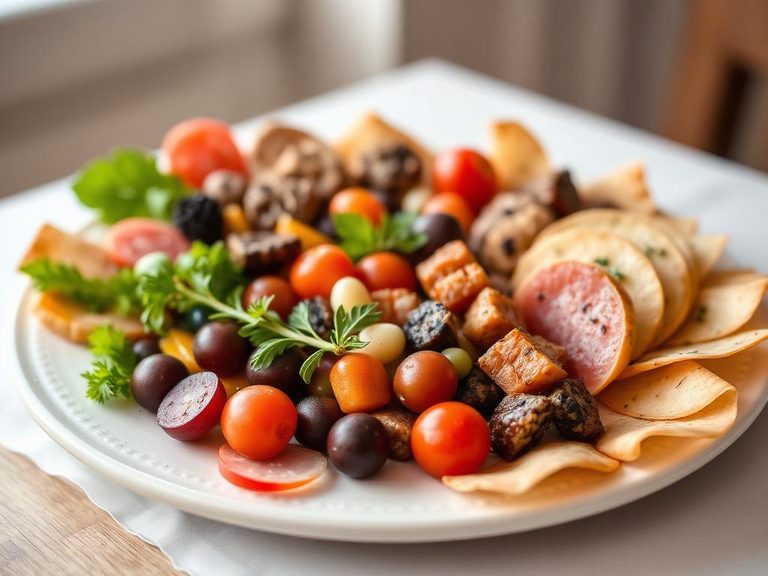
🍽️ Popular dishes
🌍 Where it's eaten
💡 Did you know?
Despite being a fruit botanically (and a berry at that), green bell peppers are simply unripe versions of the same plant that produces red, yellow, and orange peppers, which explains their more bitter flavor profile.
Full nutrition (USDA data · scales with serving)
| Water | 94.1 g |
| Energy (Atwater General Factors) | 22.9 kcal |
| Energy (Atwater Specific Factors) | 19.7 kcal |
| Nitrogen | 0.11 g |
| Protein | 0.71 g |
| Total lipid (fat) | 0.11 g |
| Ash | 0.28 g |
| Carbohydrate, by difference | 4.8 g |
| Fiber, total dietary | 0.94 g |
| Calcium, Ca | 7.5 mg |
| Iron, Fe | 0.19 mg |
| Magnesium, Mg | 9.0 mg |
| Phosphorus, P | 16.8 mg |
| Potassium, K | 163 mg |
| Sodium, Na | 0.00 mg |
| Zinc, Zn | 0.13 mg |
| Copper, Cu | 0.06 mg |
| Manganese, Mn | 0.10 mg |
| Selenium, Se | 0.00 ug |
| Vitamin C, total ascorbic acid | 99.5 mg |
| Thiamin | 0.04 mg |
| Riboflavin | 0.09 mg |
| Niacin | 0.64 mg |
| Vitamin B-6 | 0.25 mg |
| Biotin | 0.00 ug |
| Folate, total | 22.2 ug |
Fat & fatty acid profile (per 100g)
Estimated from Peppers, hot chili, green, canned, pods, excluding seeds, solids and liquids — USDA does not publish this profile for Peppers.
| Fatty acids, total saturated | 0.01 g |
| SFA 4:0 | 0.00 g |
| SFA 6:0 | 0.00 g |
| SFA 8:0 | 0.00 g |
| SFA 10:0 | 0.00 g |
| SFA 12:0 | 0.00 g |
| SFA 14:0 | 0.00 g |
| SFA 16:0 | 0.01 g |
| SFA 18:0 | 0.00 g |
| Fatty acids, total monounsaturated | 0.01 g |
| MUFA 16:1 | 0.00 g |
| MUFA 18:1 | 0.01 g |
| MUFA 20:1 | 0.00 g |
| MUFA 22:1 | 0.00 g |
| Fatty acids, total polyunsaturated | 0.06 g |
| PUFA 18:2 | 0.05 g |
| PUFA 18:3 | 0.00 g |
| PUFA 18:4 | 0.00 g |
| PUFA 20:4 | 0.00 g |
| PUFA 20:5 n-3 (EPA) | 0.00 g |
| PUFA 22:5 n-3 (DPA) | 0.00 g |
| PUFA 22:6 n-3 (DHA) | 0.00 g |
| Fatty acids, total trans | 0.00 g |
| Cholesterol | 0.00 mg |
Amino acid profile (per 100g)
Estimated from Peppers, hot chili, green, canned, pods, excluding seeds, solids and liquids — USDA does not publish this profile for Peppers.
| Tryptophan | 0.01 g |
| Threonine | 0.03 g |
| Isoleucine | 0.03 g |
| Leucine | 0.05 g |
| Lysine | 0.04 g |
| Methionine | 0.01 g |
| Cystine | 0.02 g |
| Phenylalanine | 0.03 g |
| Tyrosine | 0.02 g |
| Valine | 0.04 g |
| Arginine | 0.04 g |
| Histidine | 0.02 g |
| Alanine | 0.04 g |
| Aspartic acid | 0.13 g |
| Glutamic acid | 0.12 g |
| Glycine | 0.03 g |
| Proline | 0.04 g |
| Serine | 0.04 g |
FAQ
Are green bell peppers just unripe red peppers?
Yes, exactly. They are harvested before full maturity. If left on the vine, a green pepper would eventually ripen to red, becoming sweeter and higher in vitamins A and C in the process.
Why do my stuffed peppers turn out watery?
Peppers release a lot of moisture as they cook. To prevent a soggy filling, you can pre-bake the empty pepper shells for 10-15 minutes before stuffing, or place the stuffed peppers upside down on the baking sheet for the first half of cooking to let the liquid drain out.
Is the white pith inside edible?
The white pith (placenta) and seeds are edible but are the most bitter parts. For a milder flavor and smoother texture in dishes, it's best to remove them with a small knife or spoon before cooking or eating raw.
Nutrient density (calculated · NRF9.3)
Nutrient Rich Foods index: beneficial nutrients (protein, fiber, vitamins, minerals) minus saturated fat, added sugar & sodium, per 100 kcal.
NRF9.3 index — Fulgoni, Keast & Drewnowski, 2009. Computed from USDA nutrients.
Weight-loss friendliness (composite index)
Energy density 0.23 kcal/g · 12% calories from protein · 0.9 g fiber · 0.0 g sugar per 100 g.
Composite of energy density (Rolls et al., 1999), protein & fiber satiety, minus sugar. A calculated heuristic — ranks satiety-per-calorie, not a clinical measure.
Dietary load (calculated from USDA values)
Potential renal acid load. Positive = acid-forming, negative = alkaline-forming.
Sodium-to-potassium ratio: 0.00 (lower is better — aim for ≤ 1)
Sodium:potassium per WHO potassium guidance. Computed from USDA nutrients.