

Peas, split, mature seeds, cooked, boiled, without salt
Whole food · Legumes and Legume Products

Photo: Wikipedia
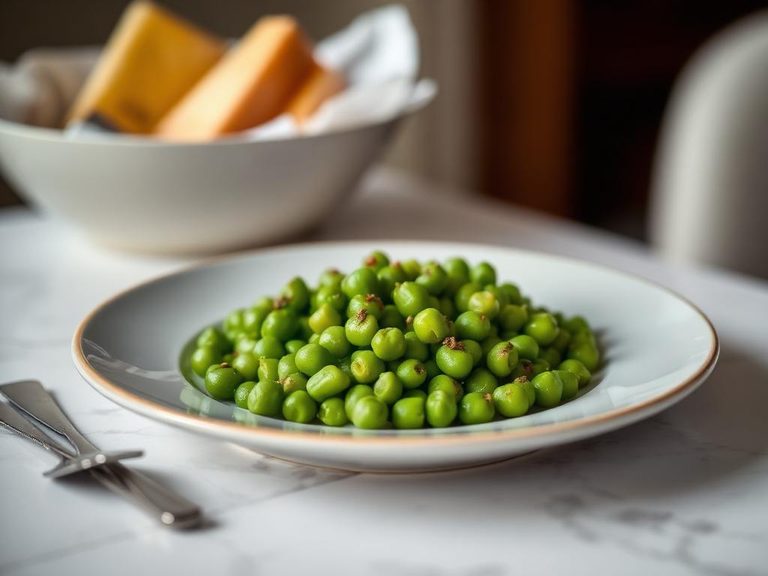
Split peas are mature peas that have been dried and split, losing their outer skin. When boiled, they transform into a soft, earthy, and slightly sweet legume, with a texture that ranges from pleasantly firm to a thick, creamy puree. They are a nutritional powerhouse, offering an impressive 8.3 grams of protein and 8.3 grams of fiber per 100g cooked serving, all for just 118 calories.
Calorie split: 28% protein · 70% carbs · 3% fat
↓ Full nutrition💚 Why it's loved
People adore split peas for their comforting, hearty flavor and incredible versatility—they are the soul of classic soups and stews, thickening them naturally while adding a satisfying, earthy sweetness. Their ability to absorb surrounding flavors makes them a beloved, humble staple in cuisines worldwide.
⚠️ Watch-outs & how to enjoy it better
The high fiber content can cause digestive discomfort like gas or bloating if you're not accustomed to it. To counteract this, increase your intake gradually and ensure you drink plenty of water. Their carbohydrate content, while healthy, can affect blood sugar, so pairing them with a healthy fat (like a drizzle of olive oil) or a lean protein can help moderate the glycemic response.
Key benefits
- Excellent source of plant-based protein.
- High in dietary fiber for digestive health.
- Rich in folate, a B-vitamin crucial for cell function.
- Low in fat and naturally sodium-free.
- Provides essential minerals like iron and potassium.
🍽️ Popular dishes
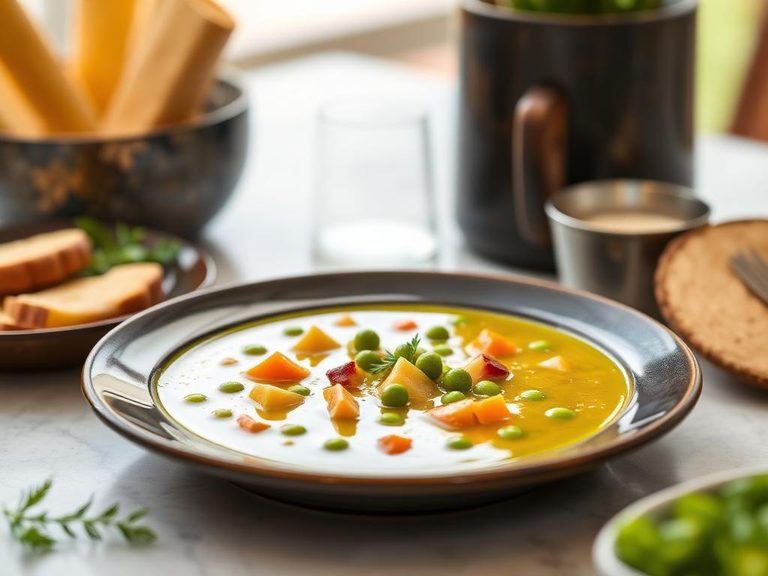
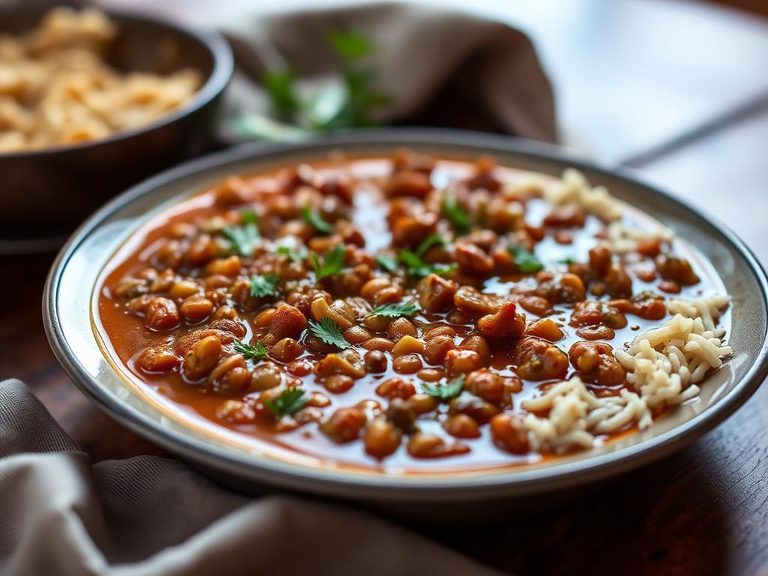
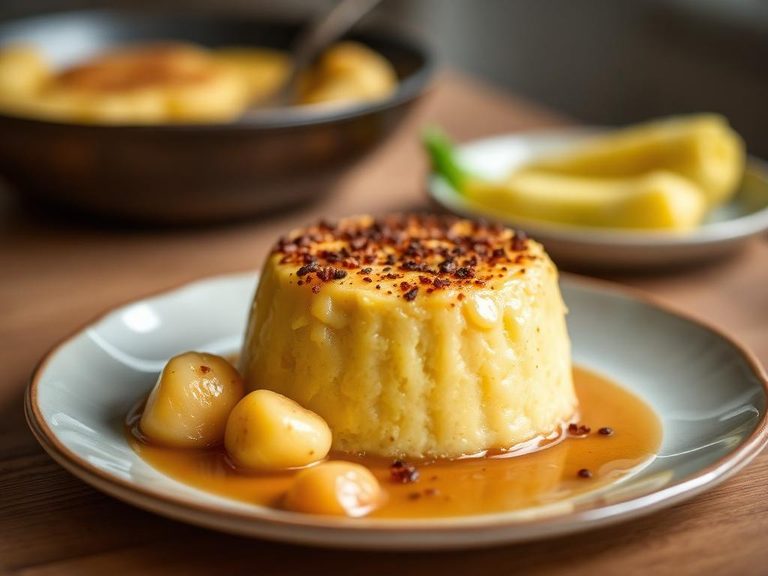
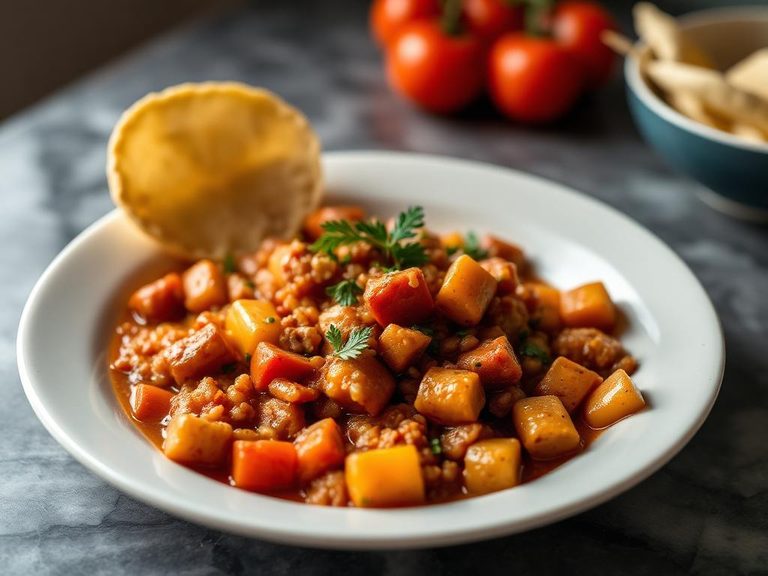
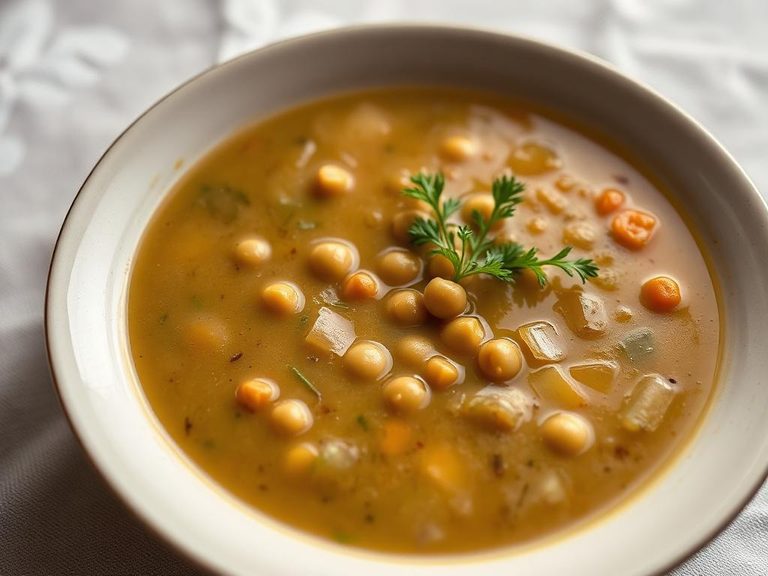
🌍 Where it's eaten
💡 Did you know?
The classic thick texture of split pea soup comes from the peas' high starch content, which breaks down during cooking and creates a naturally creamy consistency without any dairy.
Full nutrition (USDA data · scales with serving)
| Water | 69.5 g |
| Energy | 118 kcal |
| Energy | 494 kj |
| Protein | 8.3 g |
| Total lipid (fat) | 0.39 g |
| Ash | 0.68 g |
| Carbohydrate, by difference | 21.1 g |
| Fiber, total dietary | 8.3 g |
| Total Sugars | 2.9 g |
| Calcium, Ca | 14.0 mg |
| Iron, Fe | 1.3 mg |
| Magnesium, Mg | 36.0 mg |
| Phosphorus, P | 99.0 mg |
| Potassium, K | 362 mg |
| Sodium, Na | 2.0 mg |
| Zinc, Zn | 1.0 mg |
| Copper, Cu | 0.18 mg |
| Manganese, Mn | 0.40 mg |
| Selenium, Se | 0.60 ug |
| Vitamin C, total ascorbic acid | 0.40 mg |
| Thiamin | 0.19 mg |
| Riboflavin | 0.06 mg |
| Niacin | 0.89 mg |
| Pantothenic acid | 0.59 mg |
| Vitamin B-6 | 0.05 mg |
| Folate, total | 65.0 ug |
| Folic acid | 0.00 ug |
| Folate, food | 65.0 ug |
| Folate, DFE | 65.0 ug |
| Choline, total | 32.8 mg |
| Vitamin B-12 | 0.00 ug |
| Vitamin B-12, added | 0.00 ug |
| Vitamin A, RAE | 0.00 ug |
| Retinol | 0.00 ug |
| Carotene, beta | 4.0 ug |
| Carotene, alpha | 0.00 ug |
| Cryptoxanthin, beta | 0.00 ug |
| Vitamin A, IU | 7.0 iu |
| Lycopene | 0.00 ug |
| Lutein + zeaxanthin | 0.00 ug |
| Vitamin E (alpha-tocopherol) | 0.03 mg |
| Vitamin E, added | 0.00 mg |
| Vitamin D (D2 + D3), International Units | 0.00 iu |
| Vitamin D (D2 + D3) | 0.00 ug |
| Vitamin K (phylloquinone) | 5.0 ug |
| Alcohol, ethyl | 0.00 g |
| Caffeine | 0.00 mg |
| Theobromine | 0.00 mg |
Fat & fatty acid profile (per 100g)
| Fatty acids, total saturated | 0.05 g |
| SFA 4:0 | 0.00 g |
| SFA 6:0 | 0.00 g |
| SFA 8:0 | 0.00 g |
| SFA 10:0 | 0.00 g |
| SFA 12:0 | 0.00 g |
| SFA 14:0 | 0.00 g |
| SFA 16:0 | 0.04 g |
| SFA 18:0 | 0.01 g |
| Fatty acids, total monounsaturated | 0.08 g |
| MUFA 16:1 | 0.00 g |
| MUFA 18:1 | 0.08 g |
| MUFA 20:1 | 0.00 g |
| MUFA 22:1 | 0.00 g |
| Fatty acids, total polyunsaturated | 0.17 g |
| PUFA 18:2 | 0.14 g |
| PUFA 18:3 | 0.03 g |
| PUFA 18:4 | 0.00 g |
| PUFA 20:4 | 0.00 g |
| PUFA 20:5 n-3 (EPA) | 0.00 g |
| PUFA 22:5 n-3 (DPA) | 0.00 g |
| PUFA 22:6 n-3 (DHA) | 0.00 g |
| Fatty acids, total trans | 0.00 g |
| Cholesterol | 0.00 mg |
Amino acid profile (per 100g)
| Tryptophan | 0.09 g |
| Threonine | 0.30 g |
| Isoleucine | 0.34 g |
| Leucine | 0.60 g |
| Lysine | 0.60 g |
| Methionine | 0.09 g |
| Cystine | 0.13 g |
| Phenylalanine | 0.38 g |
| Tyrosine | 0.24 g |
| Valine | 0.39 g |
| Arginine | 0.74 g |
| Histidine | 0.20 g |
| Alanine | 0.37 g |
| Aspartic acid | 0.98 g |
| Glutamic acid | 1.4 g |
| Glycine | 0.37 g |
| Proline | 0.34 g |
| Serine | 0.37 g |
FAQ
What's the difference between green and yellow split peas?
Green split peas are more common and have a slightly earthier, sweeter flavor. Yellow split peas are milder and a bit nuttier. Nutritionally, they are very similar and can often be used interchangeably in recipes.
Do I need to soak split peas before cooking?
No, unlike many dried beans, split peas do not require soaking. They cook relatively quickly (30-45 minutes) and will break down into a soft texture on their own.
Why are my split peas still hard after cooking?
Older peas can take longer to soften. Adding an acidic ingredient (like tomatoes or vinegar) too early can also toughen them. Ensure they simmer gently in enough liquid, and add acidic components near the end of cooking.
Nutrient density (calculated · NRF9.3)
Nutrient Rich Foods index: beneficial nutrients (protein, fiber, vitamins, minerals) minus saturated fat, added sugar & sodium, per 100 kcal.
NRF9.3 index — Fulgoni, Keast & Drewnowski, 2009. Computed from USDA nutrients.
Weight-loss friendliness (composite index)
Energy density 1.18 kcal/g · 28% calories from protein · 8.3 g fiber · 2.9 g sugar per 100 g.
Composite of energy density (Rolls et al., 1999), protein & fiber satiety, minus sugar. A calculated heuristic — ranks satiety-per-calorie, not a clinical measure.
Dietary load (calculated from USDA values)
Potential renal acid load. Positive = acid-forming, negative = alkaline-forming.
Sodium-to-potassium ratio: 0.01 (lower is better — aim for ≤ 1)
Sodium:potassium per WHO potassium guidance. Computed from USDA nutrients.