

Oil, soybean, salad or cooking, (partially hydrogenated) and cottonseed
Whole food · Fats and Oils

Photo: Wikipedia
This is a highly refined, neutral-tasting cooking oil with a very high smoke point, making it a workhorse for high-heat frying. Its texture is slick and liquid at room temperature, and it is nutritionally a pure fat source, providing 884 calories per 100g. It's a foundational ingredient in processed foods and commercial kitchens due to its stability and cost-effectiveness.
Calorie split: 0% protein · 0% carbs · 100% fat
↓ Full nutrition💚 Why it's loved
Chefs and food manufacturers value it for its functional reliability—it creates crisp, non-greasy fried foods and provides a blank canvas for flavor. Its cultural significance lies in enabling the mass production of affordable, shelf-stable snacks and fried staples.
⚠️ Watch-outs & how to enjoy it better
This oil is a significant source of industrial trans fats from partial hydrogenation, which are linked to adverse heart health outcomes. To counteract this, prioritize using it sparingly for occasional high-heat cooking, and balance your diet with foods rich in unsaturated fats like olive oil, nuts, and avocados. Always check labels, as many products now use fully hydrogenated or interesterified oils as alternatives.
Key benefits
- Extremely high smoke point (around 230°C/446°F) for deep-frying and searing
- Neutral flavor does not compete with other ingredients
- Very long shelf life due to hydrogenation process
- Cost-effective for large-scale food production
- Provides a consistent texture in baked goods and shortenings
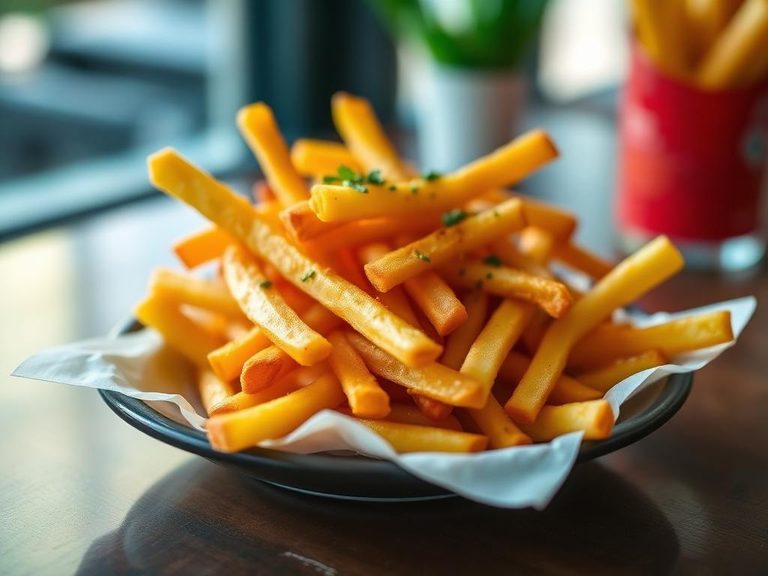
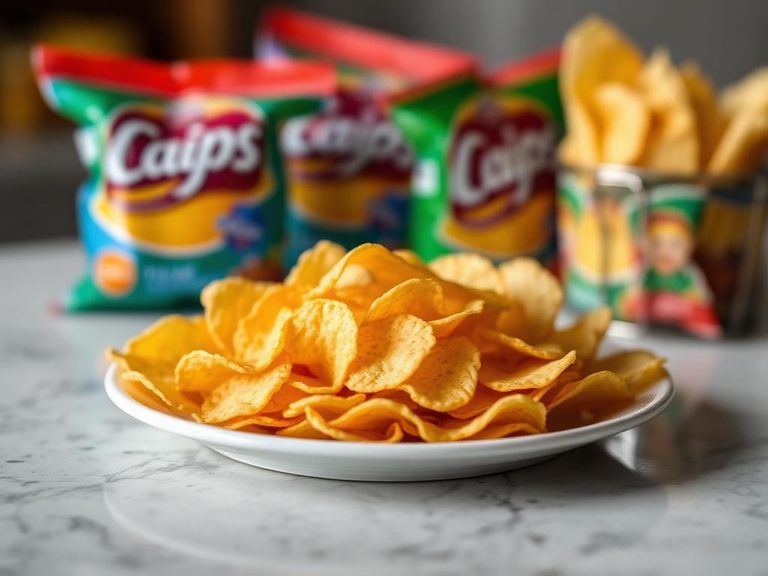
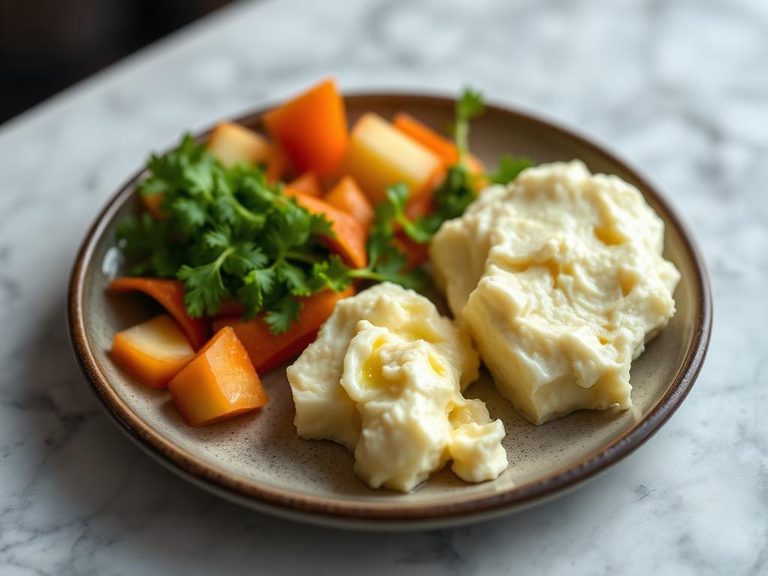
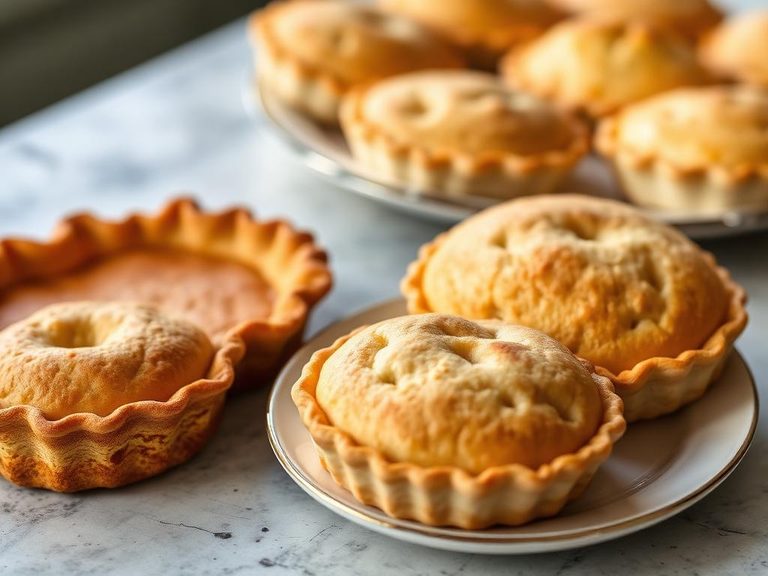
🍽️ Popular dishes
🌍 Where it's eaten
💡 Did you know?
Partially hydrogenated soybean/cottonseed oil was the original 'trans fat' that led to mandatory trans fat labeling laws in the United States in 2006, fundamentally changing the food industry.
Full nutrition (USDA data · scales with serving)
| Water | 0.00 g |
| Energy | 884 kcal |
| Energy | 3699 kj |
| Protein | 0.00 g |
| Total lipid (fat) | 100 g |
| Ash | 0.00 g |
| Carbohydrate, by difference | 0.00 g |
| Fiber, total dietary | 0.00 g |
| Total Sugars | 0.00 g |
| Calcium, Ca | 0.00 mg |
| Iron, Fe | 0.00 mg |
| Magnesium, Mg | 0.00 mg |
| Phosphorus, P | 0.00 mg |
| Potassium, K | 0.00 mg |
| Sodium, Na | 0.00 mg |
| Zinc, Zn | 0.00 mg |
| Copper, Cu | 0.00 mg |
| Selenium, Se | 0.00 ug |
| Vitamin C, total ascorbic acid | 0.00 mg |
| Thiamin | 0.00 mg |
| Riboflavin | 0.00 mg |
| Niacin | 0.00 mg |
| Pantothenic acid | 0.00 mg |
| Vitamin B-6 | 0.00 mg |
| Folate, total | 0.00 ug |
| Folic acid | 0.00 ug |
| Folate, food | 0.00 ug |
| Folate, DFE | 0.00 ug |
| Choline, total | 0.20 mg |
| Vitamin B-12 | 0.00 ug |
| Vitamin B-12, added | 0.00 ug |
| Vitamin A, RAE | 0.00 ug |
| Retinol | 0.00 ug |
| Carotene, beta | 0.00 ug |
| Carotene, alpha | 0.00 ug |
| Cryptoxanthin, beta | 0.00 ug |
| Vitamin A, IU | 0.00 iu |
| Lycopene | 0.00 ug |
| Lutein + zeaxanthin | 0.00 ug |
| Vitamin E (alpha-tocopherol) | 12.1 mg |
| Vitamin E, added | 0.00 mg |
| Vitamin D (D2 + D3), International Units | 0.00 iu |
| Vitamin D (D2 + D3) | 0.00 ug |
| Vitamin K (phylloquinone) | 24.7 ug |
| Alcohol, ethyl | 0.00 g |
| Caffeine | 0.00 mg |
| Theobromine | 0.00 mg |
Fat & fatty acid profile (per 100g)
| Fatty acids, total saturated | 18.0 g |
| SFA 4:0 | 0.00 g |
| SFA 6:0 | 0.00 g |
| SFA 8:0 | 0.00 g |
| SFA 10:0 | 0.00 g |
| SFA 12:0 | 0.00 g |
| SFA 14:0 | 0.30 g |
| SFA 16:0 | 14.0 g |
| SFA 18:0 | 3.7 g |
| Fatty acids, total monounsaturated | 29.5 g |
| MUFA 16:1 | 0.20 g |
| MUFA 18:1 | 29.3 g |
| MUFA 20:1 | 0.00 g |
| MUFA 22:1 | 0.00 g |
| Fatty acids, total polyunsaturated | 48.1 g |
| PUFA 18:2 | 45.3 g |
| PUFA 18:3 | 2.8 g |
| PUFA 18:4 | 0.00 g |
| PUFA 20:4 | 0.00 g |
| PUFA 20:5 n-3 (EPA) | 0.00 g |
| PUFA 22:5 n-3 (DPA) | 0.00 g |
| PUFA 22:6 n-3 (DHA) | 0.00 g |
| Cholesterol | 0.00 mg |
| Phytosterols | 152 mg |
Amino acid profile (per 100g)
| Tryptophan | 0.00 g |
| Threonine | 0.00 g |
| Isoleucine | 0.00 g |
| Leucine | 0.00 g |
| Lysine | 0.00 g |
| Methionine | 0.00 g |
| Cystine | 0.00 g |
| Phenylalanine | 0.00 g |
| Tyrosine | 0.00 g |
| Valine | 0.00 g |
| Arginine | 0.00 g |
| Histidine | 0.00 g |
| Alanine | 0.00 g |
| Aspartic acid | 0.00 g |
| Glutamic acid | 0.00 g |
| Glycine | 0.00 g |
| Proline | 0.00 g |
| Serine | 0.00 g |
FAQ
What is the difference between partially hydrogenated and fully hydrogenated oil?
Partial hydrogenation creates trans fats and makes the oil semi-solid (like shortening). Full hydrogenation makes it completely solid with negligible trans fats, but it's very hard and waxy, often used in blends.
Is this oil still commonly used?
Its use has declined dramatically due to trans fat bans and consumer awareness, but it may still be found in some cheaper, processed foods, especially in regions with less stringent regulations.
Can I use this for home cooking?
While possible for high-heat frying, it's generally recommended to choose oils with healthier fat profiles like high-oleic sunflower, avocado, or peanut oil for both health and flavor reasons.
Nutrient density (calculated · NRF9.3)
Nutrient Rich Foods index: beneficial nutrients (protein, fiber, vitamins, minerals) minus saturated fat, added sugar & sodium, per 100 kcal.
NRF9.3 index — Fulgoni, Keast & Drewnowski, 2009. Computed from USDA nutrients.
Weight-loss friendliness (composite index)
Energy density 8.84 kcal/g · 0% calories from protein · 0.0 g fiber · 0.0 g sugar per 100 g.
Composite of energy density (Rolls et al., 1999), protein & fiber satiety, minus sugar. A calculated heuristic — ranks satiety-per-calorie, not a clinical measure.
Dietary load (calculated from USDA values)
Potential renal acid load. Positive = acid-forming, negative = alkaline-forming.
Sodium:potassium per WHO potassium guidance. Computed from USDA nutrients.