

Oil, cottonseed, salad or cooking
Whole food · Fats and Oils

Photo: Wikipedia
Cottonseed oil is a neutral, light-yellow vegetable oil extracted from the seeds of cotton plants, prized for its clean, mild flavor and high smoke point. It has a smooth, thin texture and is almost entirely composed of fat, providing a dense 884 calories per 100 grams. Nutritionally, it is a significant source of polyunsaturated fats, particularly linoleic acid, and contains natural antioxidants like tocopherols.
Calorie split: 0% protein · 0% carbs · 100% fat
↓ Full nutrition💚 Why it's loved
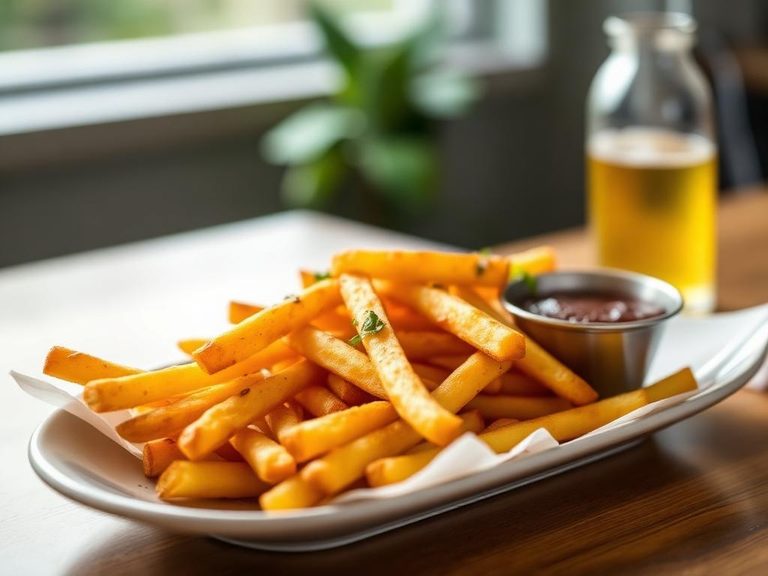
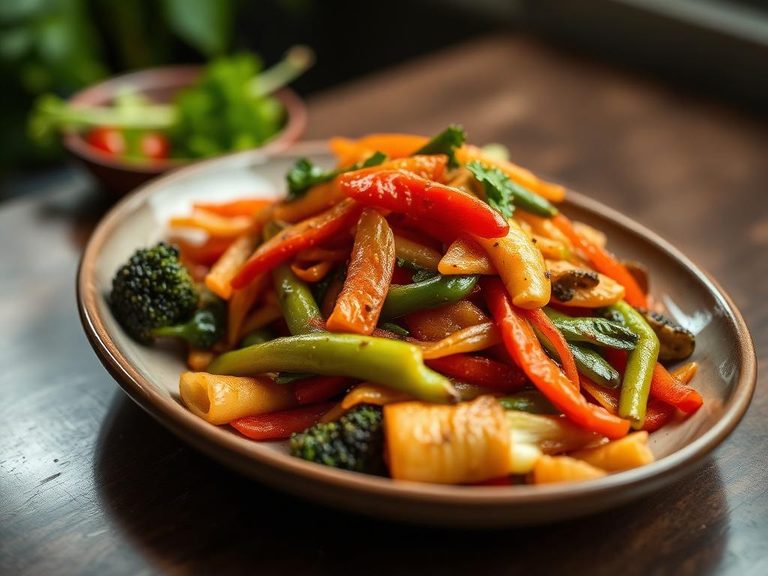
People love cottonseed oil for its versatility in the kitchen—it fries up perfectly crisp without adding a strong taste of its own. It's a staple in many commercial kitchens and home cooks appreciate its ability to handle high-heat methods like stir-frying and baking.
⚠️ Watch-outs & how to enjoy it better
Cottonseed oil is high in omega-6 fatty acids, and excessive consumption without balancing omega-3s may promote inflammation. It is also often highly refined, which can strip away some minor nutrients. To counteract this, use it in moderation, balance your diet with omega-3 rich foods like fatty fish or flaxseeds, and consider using it primarily for high-heat cooking where other oils might burn.
Key benefits
- High smoke point (around 220°C/428°F) makes it ideal for deep-frying and high-heat cooking.
- Rich in polyunsaturated fatty acids, which can support heart health when used to replace saturated fats.
- Neutral flavor profile doesn't overpower the taste of other ingredients.
- Contains natural antioxidants that can help improve shelf stability.
- Cost-effective and widely available for commercial food production.
🍽️ Popular dishes


🌍 Where it's eaten
💡 Did you know?
Cottonseed oil was a major catalyst for the modern American snack food industry in the early 20th century, as its stability and low cost made it perfect for mass-producing potato chips and other fried snacks.
Full nutrition (USDA data · scales with serving)
| Water | 0.00 g |
| Energy | 884 kcal |
| Energy | 3699 kj |
| Protein | 0.00 g |
| Total lipid (fat) | 100 g |
| Ash | 0.00 g |
| Carbohydrate, by difference | 0.00 g |
| Fiber, total dietary | 0.00 g |
| Total Sugars | 0.00 g |
| Calcium, Ca | 0.00 mg |
| Iron, Fe | 0.00 mg |
| Magnesium, Mg | 0.00 mg |
| Phosphorus, P | 0.00 mg |
| Potassium, K | 0.00 mg |
| Sodium, Na | 0.00 mg |
| Zinc, Zn | 0.00 mg |
| Copper, Cu | 0.00 mg |
| Selenium, Se | 0.00 ug |
| Vitamin C, total ascorbic acid | 0.00 mg |
| Thiamin | 0.00 mg |
| Riboflavin | 0.00 mg |
| Niacin | 0.00 mg |
| Pantothenic acid | 0.00 mg |
| Vitamin B-6 | 0.00 mg |
| Folate, total | 0.00 ug |
| Folic acid | 0.00 ug |
| Folate, food | 0.00 ug |
| Folate, DFE | 0.00 ug |
| Choline, total | 0.20 mg |
| Vitamin B-12 | 0.00 ug |
| Vitamin B-12, added | 0.00 ug |
| Vitamin A, RAE | 0.00 ug |
| Retinol | 0.00 ug |
| Carotene, beta | 0.00 ug |
| Carotene, alpha | 0.00 ug |
| Cryptoxanthin, beta | 0.00 ug |
| Vitamin A, IU | 0.00 iu |
| Lycopene | 0.00 ug |
| Lutein + zeaxanthin | 0.00 ug |
| Vitamin E (alpha-tocopherol) | 35.3 mg |
| Vitamin E, added | 0.00 mg |
| Vitamin D (D2 + D3), International Units | 0.00 iu |
| Vitamin D (D2 + D3) | 0.00 ug |
| Vitamin K (phylloquinone) | 24.7 ug |
| Alcohol, ethyl | 0.00 g |
| Caffeine | 0.00 mg |
| Theobromine | 0.00 mg |
Fat & fatty acid profile (per 100g)
| Fatty acids, total saturated | 25.9 g |
| SFA 4:0 | 0.00 g |
| SFA 6:0 | 0.00 g |
| SFA 8:0 | 0.00 g |
| SFA 10:0 | 0.00 g |
| SFA 12:0 | 0.00 g |
| SFA 14:0 | 0.80 g |
| SFA 16:0 | 22.7 g |
| SFA 18:0 | 2.3 g |
| Fatty acids, total monounsaturated | 17.8 g |
| MUFA 16:1 | 0.80 g |
| MUFA 18:1 | 17.0 g |
| MUFA 20:1 | 0.00 g |
| MUFA 22:1 | 0.00 g |
| Fatty acids, total polyunsaturated | 51.9 g |
| PUFA 18:2 | 51.5 g |
| PUFA 18:3 | 0.20 g |
| PUFA 18:4 | 0.00 g |
| PUFA 20:4 | 0.10 g |
| PUFA 20:5 n-3 (EPA) | 0.00 g |
| PUFA 22:5 n-3 (DPA) | 0.00 g |
| PUFA 22:6 n-3 (DHA) | 0.00 g |
| Cholesterol | 0.00 mg |
| Phytosterols | 324 mg |
Amino acid profile (per 100g)
| Tryptophan | 0.00 g |
| Threonine | 0.00 g |
| Isoleucine | 0.00 g |
| Leucine | 0.00 g |
| Lysine | 0.00 g |
| Methionine | 0.00 g |
| Cystine | 0.00 g |
| Phenylalanine | 0.00 g |
| Tyrosine | 0.00 g |
| Valine | 0.00 g |
| Arginine | 0.00 g |
| Histidine | 0.00 g |
| Alanine | 0.00 g |
| Aspartic acid | 0.00 g |
| Glutamic acid | 0.00 g |
| Glycine | 0.00 g |
| Proline | 0.00 g |
| Serine | 0.00 g |
FAQ
Is cottonseed oil the same as vegetable oil?
Not exactly. 'Vegetable oil' is a generic term that can be a blend of oils like soybean, canola, and corn. Cottonseed oil is a specific type, though it is sometimes included in blends.
Why is cottonseed oil so common in restaurants?
Its high smoke point, neutral taste, and relatively low cost make it an economical and reliable choice for commercial deep-frying and large-scale cooking.
Is cottonseed oil healthy?
It can be part of a healthy diet as a source of unsaturated fats, but it's high in omega-6s. Moderation is key, and it's best used for cooking rather than as a primary dietary fat.
Nutrient density (calculated · NRF9.3)
Nutrient Rich Foods index: beneficial nutrients (protein, fiber, vitamins, minerals) minus saturated fat, added sugar & sodium, per 100 kcal.
NRF9.3 index — Fulgoni, Keast & Drewnowski, 2009. Computed from USDA nutrients.
Weight-loss friendliness (composite index)
Energy density 8.84 kcal/g · 0% calories from protein · 0.0 g fiber · 0.0 g sugar per 100 g.
Composite of energy density (Rolls et al., 1999), protein & fiber satiety, minus sugar. A calculated heuristic — ranks satiety-per-calorie, not a clinical measure.
Dietary load (calculated from USDA values)
Potential renal acid load. Positive = acid-forming, negative = alkaline-forming.
Sodium:potassium per WHO potassium guidance. Computed from USDA nutrients.