

Oil, corn, peanut, and olive
Whole food · Fats and Oils

Photo: Wikipedia
This is a blend of refined vegetable oils, primarily corn, peanut, and olive, creating a neutral, light, and versatile cooking medium. The taste is clean and mild, with a subtle fruity note from the olive oil, and it has a smooth, liquid texture at room temperature. Nutritionally, it is a pure, dense source of energy, providing 884 calories and 100 grams of fat per 100 grams, with no protein, carbohydrates, or fiber.
Calorie split: 0% protein · 0% carbs · 100% fat
↓ Full nutrition💚 Why it's loved
People love it for its incredible versatility and neutral flavor, which allows it to be used for everything from high-heat frying and sautéing to dressings and baking without overpowering other ingredients. Its blend of oils offers a practical balance of cooking properties and a hint of Mediterranean character.
⚠️ Watch-outs & how to enjoy it better
As a pure fat, it is extremely calorie-dense, and overconsumption can contribute to weight gain. The omega-6 fatty acids from corn and peanut oil, while essential, can promote inflammation if consumed in large excess relative to omega-3s. To counteract this, use it in moderation, balance your diet with omega-3-rich foods like fatty fish or flaxseeds, and use it for cooking rather than as a finishing oil to control portions.
Key benefits
- High in monounsaturated fats, especially from the olive oil component.
- Contains polyunsaturated fats, including omega-6 from corn and peanut oil.
- Provides vitamin E, a natural antioxidant.
- Has a high smoke point, suitable for various cooking methods.
- Neutral flavor profile makes it a versatile kitchen staple.
🍽️ Popular dishes
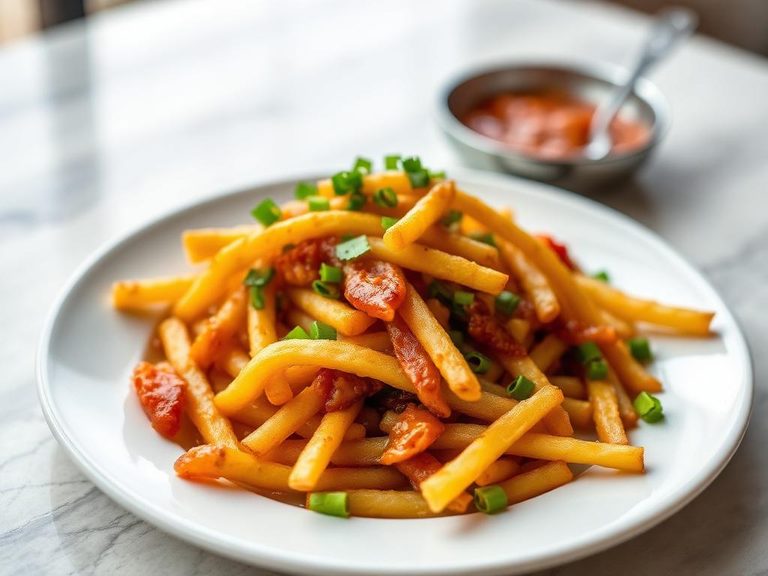

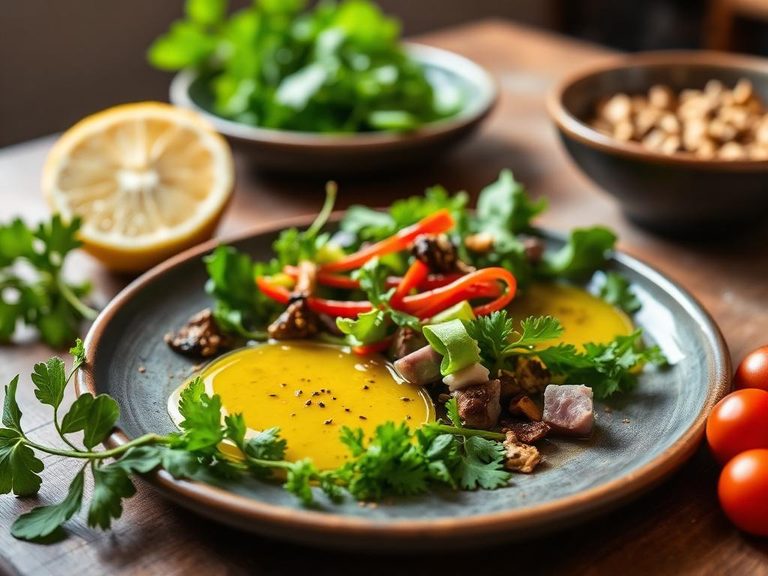
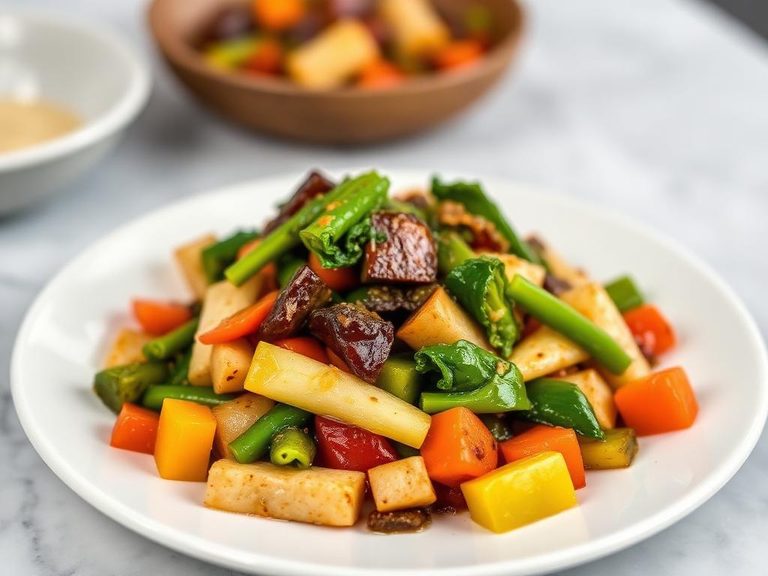

🌍 Where it's eaten
💡 Did you know?
This specific blend is often marketed as 'vegetable oil' or 'all-purpose oil' in supermarkets, offering a cost-effective alternative to 100% extra-virgin olive oil for everyday cooking.
Full nutrition (USDA data · scales with serving)
| Water | 0.00 g |
| Energy | 884 kcal |
| Energy | 3699 kj |
| Protein | 0.00 g |
| Total lipid (fat) | 100 g |
| Ash | 0.00 g |
| Carbohydrate, by difference | 0.00 g |
| Fiber, total dietary | 0.00 g |
| Total Sugars | 0.00 g |
| Calcium, Ca | 0.00 mg |
| Iron, Fe | 0.13 mg |
| Magnesium, Mg | 0.00 mg |
| Phosphorus, P | 0.00 mg |
| Potassium, K | 0.00 mg |
| Sodium, Na | 0.00 mg |
| Zinc, Zn | 0.02 mg |
| Copper, Cu | 0.00 mg |
| Manganese, Mn | 0.00 mg |
| Selenium, Se | 0.00 ug |
| Vitamin C, total ascorbic acid | 0.00 mg |
| Thiamin | 0.00 mg |
| Riboflavin | 0.00 mg |
| Niacin | 0.00 mg |
| Pantothenic acid | 0.00 mg |
| Vitamin B-6 | 0.00 mg |
| Folate, total | 0.00 ug |
| Folic acid | 0.00 ug |
| Folate, food | 0.00 ug |
| Folate, DFE | 0.00 ug |
| Choline, total | 0.20 mg |
| Vitamin B-12 | 0.00 ug |
| Vitamin B-12, added | 0.00 ug |
| Vitamin A, RAE | 0.00 ug |
| Retinol | 0.00 ug |
| Carotene, beta | 0.00 ug |
| Carotene, alpha | 0.00 ug |
| Cryptoxanthin, beta | 0.00 ug |
| Vitamin A, IU | 0.00 iu |
| Lycopene | 0.00 ug |
| Lutein + zeaxanthin | 0.00 ug |
| Vitamin E (alpha-tocopherol) | 14.8 mg |
| Vitamin E, added | 0.00 mg |
| Vitamin D (D2 + D3), International Units | 0.00 iu |
| Vitamin D (D2 + D3) | 0.00 ug |
| Vitamin K (phylloquinone) | 21.0 ug |
| Alcohol, ethyl | 0.00 g |
| Caffeine | 0.00 mg |
| Theobromine | 0.00 mg |
Fat & fatty acid profile (per 100g)
| Fatty acids, total saturated | 14.4 g |
| SFA 4:0 | 0.00 g |
| SFA 6:0 | 0.00 g |
| SFA 8:0 | 0.00 g |
| SFA 10:0 | 0.00 g |
| SFA 12:0 | 0.00 g |
| SFA 14:0 | 0.03 g |
| SFA 16:0 | 10.5 g |
| SFA 18:0 | 2.1 g |
| Fatty acids, total monounsaturated | 48.0 g |
| MUFA 16:1 | 0.30 g |
| MUFA 18:1 | 47.2 g |
| MUFA 20:1 | 0.53 g |
| MUFA 22:1 | 0.00 g |
| Fatty acids, total polyunsaturated | 33.0 g |
| PUFA 18:2 | 32.6 g |
| PUFA 18:3 | 0.43 g |
| PUFA 18:4 | 0.00 g |
| PUFA 20:4 | 0.00 g |
| PUFA 20:5 n-3 (EPA) | 0.00 g |
| PUFA 22:5 n-3 (DPA) | 0.00 g |
| PUFA 22:6 n-3 (DHA) | 0.00 g |
| Cholesterol | 0.00 mg |
Amino acid profile (per 100g)
Estimated from Oil, safflower, salad or cooking, high oleic (primary safflower oil of commerce) — USDA does not publish this profile for Oil.
| Tryptophan | 0.00 g |
| Threonine | 0.00 g |
| Isoleucine | 0.00 g |
| Leucine | 0.00 g |
| Lysine | 0.00 g |
| Methionine | 0.00 g |
| Cystine | 0.00 g |
| Phenylalanine | 0.00 g |
| Tyrosine | 0.00 g |
| Valine | 0.00 g |
| Arginine | 0.00 g |
| Histidine | 0.00 g |
| Alanine | 0.00 g |
| Aspartic acid | 0.00 g |
| Glutamic acid | 0.00 g |
| Glycine | 0.00 g |
| Proline | 0.00 g |
| Serine | 0.00 g |
FAQ
What is the smoke point of this oil blend?
The smoke point is typically high, around 230°C (446°F) or higher, making it suitable for frying and searing. However, it's always best to check the label, as it can vary slightly based on the exact ratio of refined oils.
Is this blend healthier than using just one type of oil?
It offers a practical compromise. The blend provides the high-heat stability of refined corn and peanut oils with some of the heart-healthy monounsaturated fats from olive oil. For specific health benefits, using single-origin oils like extra-virgin olive oil for low-heat cooking or dressings can be advantageous.
Can I use this for deep frying?
Yes, it's a common and suitable choice for deep frying due to its high smoke point and neutral flavor. Ensure the oil is fresh, and do not reuse it excessively, as repeated heating degrades its quality and produces harmful compounds.
Nutrient density (calculated · NRF9.3)
Nutrient Rich Foods index: beneficial nutrients (protein, fiber, vitamins, minerals) minus saturated fat, added sugar & sodium, per 100 kcal.
NRF9.3 index — Fulgoni, Keast & Drewnowski, 2009. Computed from USDA nutrients.
Weight-loss friendliness (composite index)
Energy density 8.84 kcal/g · 0% calories from protein · 0.0 g fiber · 0.0 g sugar per 100 g.
Composite of energy density (Rolls et al., 1999), protein & fiber satiety, minus sugar. A calculated heuristic — ranks satiety-per-calorie, not a clinical measure.
Dietary load (calculated from USDA values)
Potential renal acid load. Positive = acid-forming, negative = alkaline-forming.
Sodium:potassium per WHO potassium guidance. Computed from USDA nutrients.