

Mustard greens, frozen, cooked, boiled, drained, without salt
Whole food · Vegetables and Vegetable Products

Photo: Wikipedia
Frozen mustard greens, once boiled and drained, transform into a tender, dark-green vegetable with a distinct, peppery bite and a pleasantly earthy undertone. This preparation method strips away excess sodium while preserving a dense nutritional profile, delivering a satisfying, low-calorie base for hearty meals. With nearly 3 grams of fiber per 100 grams, it provides a robust, fibrous texture that softens beautifully in soups and stews.
Calorie split: 38% protein · 52% carbs · 9% fat
↓ Full nutrition💚 Why it's loved
People love the sharp, mustardy zing that cuts through rich, fatty meats and savory broths, adding a complex flavor profile that milder greens lack. Its versatility allows it to be a star in slow-cooked Southern comfort foods or a quick, spicy side in Asian stir-fries, making it a beloved staple across diverse culinary traditions.
⚠️ Watch-outs & how to enjoy it better
The assertive, peppery flavor can be overwhelming to those unaccustomed to brassica bitterness, and the high fiber content may cause digestive discomfort if introduced too quickly. To counteract this, pair the greens with a source of fat or protein (like bacon or beans) to mellow the bite, and ensure they are thoroughly boiled and drained to reduce any lingering sulfurous compounds.
Key benefits
- Extremely low-calorie density at only 19 kcal per 100g
- Rich in dietary fiber (2.8g) for digestive health
- Provides a solid plant-based protein source (2.27g) for a leafy green
- Naturally very low in fat (0.25g) and sugar (0.32g)
- Convenient frozen format retains nutrients without added salt
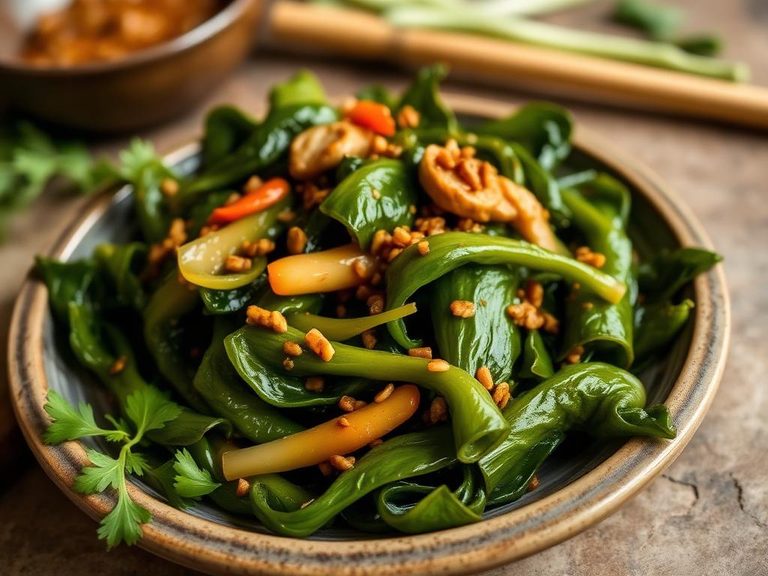
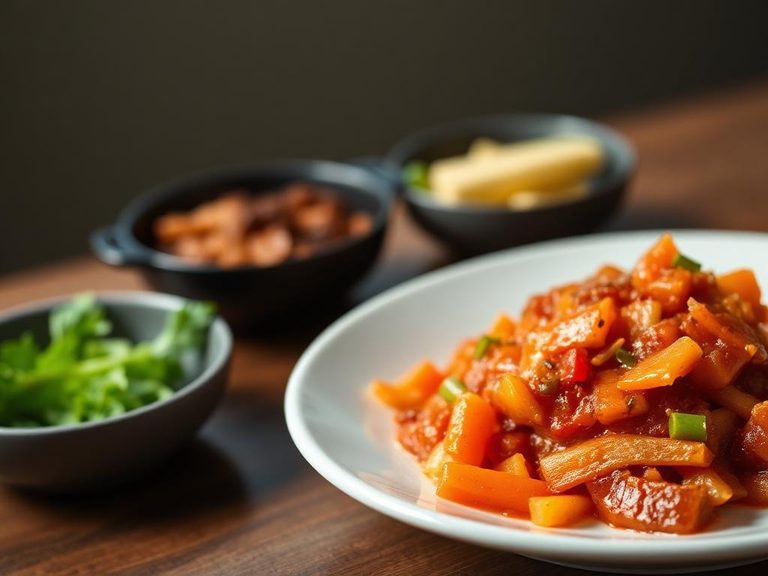
🍽️ Popular dishes
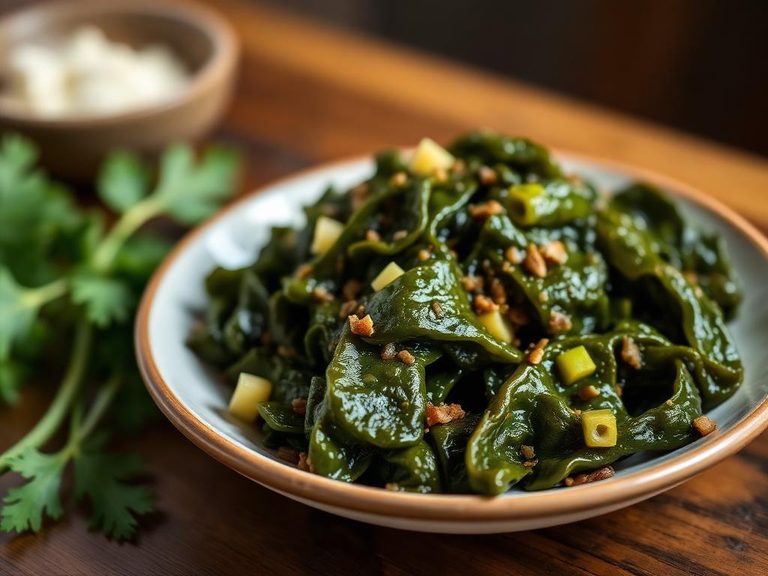
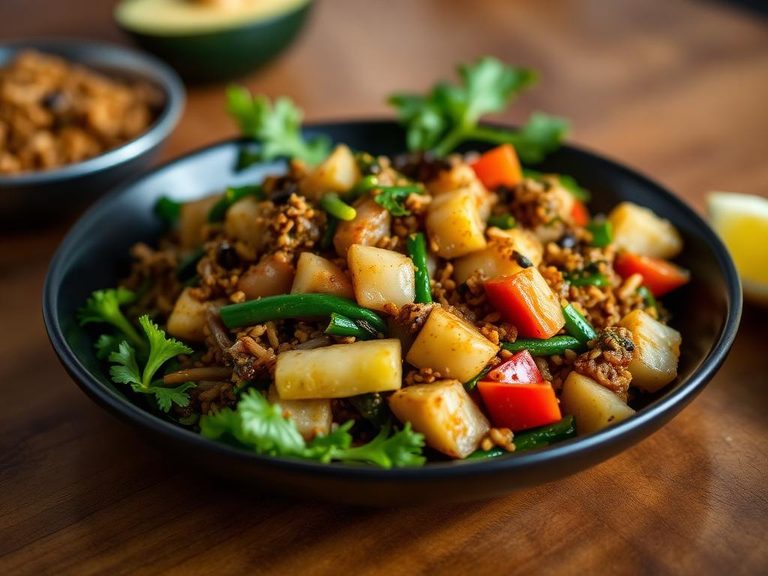
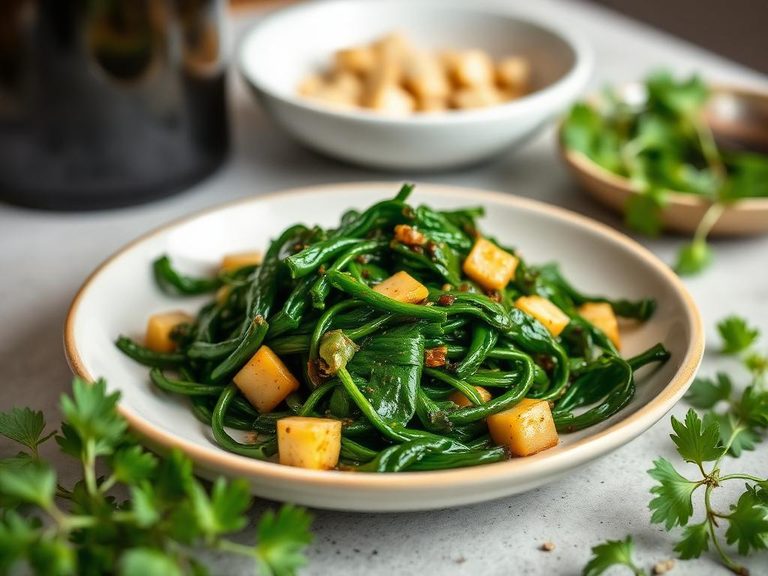
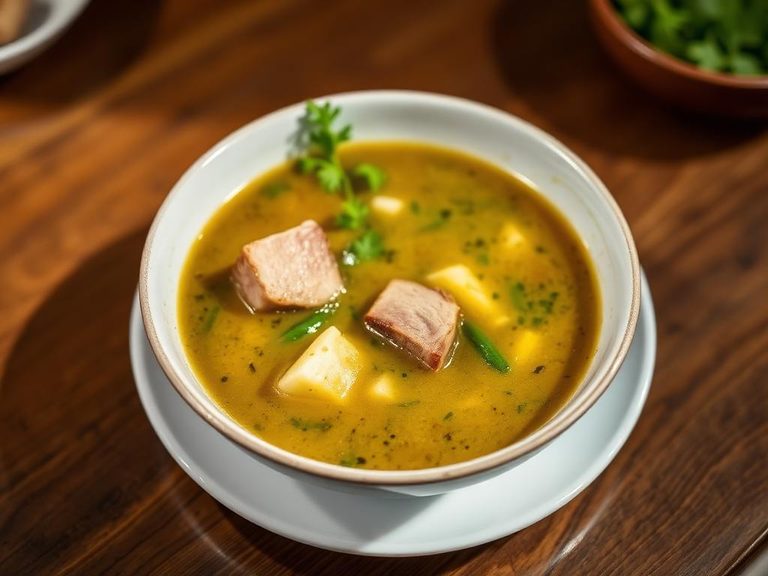
🌍 Where it's eaten
💡 Did you know?
Mustard greens are a member of the Brassica family, the same genus as broccoli and kale, and their peppery heat comes from the same glucosinolate compounds that give mustard seeds their kick.
Full nutrition (USDA data · scales with serving)
| Water | 93.8 g |
| Energy | 19.0 kcal |
| Energy | 78.0 kj |
| Protein | 2.3 g |
| Total lipid (fat) | 0.25 g |
| Ash | 0.57 g |
| Carbohydrate, by difference | 3.1 g |
| Fiber, total dietary | 2.8 g |
| Total Sugars | 0.32 g |
| Calcium, Ca | 101 mg |
| Iron, Fe | 1.1 mg |
| Magnesium, Mg | 13.0 mg |
| Phosphorus, P | 24.0 mg |
| Potassium, K | 139 mg |
| Sodium, Na | 25.0 mg |
| Zinc, Zn | 0.20 mg |
| Copper, Cu | 0.06 mg |
| Manganese, Mn | 0.29 mg |
| Selenium, Se | 0.60 ug |
| Vitamin C, total ascorbic acid | 13.8 mg |
| Thiamin | 0.04 mg |
| Riboflavin | 0.05 mg |
| Niacin | 0.26 mg |
| Pantothenic acid | 0.02 mg |
| Vitamin B-6 | 0.11 mg |
| Folate, total | 70.0 ug |
| Folic acid | 0.00 ug |
| Folate, food | 70.0 ug |
| Folate, DFE | 70.0 ug |
| Choline, total | 0.30 mg |
| Betaine | 0.20 mg |
| Vitamin B-12 | 0.00 ug |
| Vitamin B-12, added | 0.00 ug |
| Vitamin A, RAE | 354 ug |
| Retinol | 0.00 ug |
| Carotene, beta | 4246 ug |
| Carotene, alpha | 0.00 ug |
| Cryptoxanthin, beta | 0.00 ug |
| Vitamin A, IU | 7076 iu |
| Lycopene | 0.00 ug |
| Lutein + zeaxanthin | 6672 ug |
| Vitamin E (alpha-tocopherol) | 1.4 mg |
| Vitamin E, added | 0.00 mg |
| Vitamin D (D2 + D3), International Units | 0.00 iu |
| Vitamin D (D2 + D3) | 0.00 ug |
| Vitamin K (phylloquinone) | 335 ug |
| Alcohol, ethyl | 0.00 g |
| Caffeine | 0.00 mg |
| Theobromine | 0.00 mg |
Fat & fatty acid profile (per 100g)
| Fatty acids, total saturated | 0.01 g |
| SFA 4:0 | 0.00 g |
| SFA 6:0 | 0.00 g |
| SFA 8:0 | 0.00 g |
| SFA 10:0 | 0.00 g |
| SFA 12:0 | 0.00 g |
| SFA 14:0 | 0.00 g |
| SFA 16:0 | 0.01 g |
| SFA 18:0 | 0.00 g |
| Fatty acids, total monounsaturated | 0.11 g |
| MUFA 16:1 | 0.00 g |
| MUFA 18:1 | 0.02 g |
| MUFA 20:1 | 0.02 g |
| MUFA 22:1 | 0.07 g |
| Fatty acids, total polyunsaturated | 0.05 g |
| PUFA 18:2 | 0.02 g |
| PUFA 18:3 | 0.02 g |
| PUFA 18:4 | 0.00 g |
| PUFA 20:4 | 0.00 g |
| PUFA 20:5 n-3 (EPA) | 0.00 g |
| PUFA 22:5 n-3 (DPA) | 0.00 g |
| PUFA 22:6 n-3 (DHA) | 0.00 g |
| Fatty acids, total trans | 0.00 g |
| Cholesterol | 0.00 mg |
Amino acid profile (per 100g)
| Tryptophan | 0.03 g |
| Threonine | 0.06 g |
| Isoleucine | 0.08 g |
| Leucine | 0.07 g |
| Lysine | 0.10 g |
| Methionine | 0.02 g |
| Cystine | 0.03 g |
| Phenylalanine | 0.06 g |
| Tyrosine | 0.12 g |
| Valine | 0.09 g |
| Arginine | 0.17 g |
| Histidine | 0.04 g |
FAQ
How does freezing affect the nutritional value of mustard greens?
Freezing mustard greens shortly after harvest locks in vitamins and minerals, often preserving them better than fresh greens that have been stored for several days. The blanching process before freezing can reduce some heat-sensitive vitamins like Vitamin C, but it also helps maintain the overall nutrient density.
Can I eat the cooking water from boiled mustard greens?
It's generally not recommended to drink the water, as it can contain high levels of oxalates and any bitter compounds leached from the greens. However, you can use the nutrient-rich water as a flavorful base for soups or stocks, provided you don't add extra salt.
Are mustard greens high in oxalates, and should I be concerned?
Yes, mustard greens contain oxalates, which can contribute to kidney stones in susceptible individuals. To reduce oxalate content, boil the greens and discard the water, as this method can leach out a significant portion of the oxalates.
Nutrient density (calculated · NRF9.3)
Nutrient Rich Foods index: beneficial nutrients (protein, fiber, vitamins, minerals) minus saturated fat, added sugar & sodium, per 100 kcal.
NRF9.3 index — Fulgoni, Keast & Drewnowski, 2009. Computed from USDA nutrients.
Weight-loss friendliness (composite index)
Energy density 0.19 kcal/g · 48% calories from protein · 2.8 g fiber · 0.3 g sugar per 100 g.
Composite of energy density (Rolls et al., 1999), protein & fiber satiety, minus sugar. A calculated heuristic — ranks satiety-per-calorie, not a clinical measure.
Dietary load (calculated from USDA values)
Potential renal acid load. Positive = acid-forming, negative = alkaline-forming.
Sodium-to-potassium ratio: 0.18 (lower is better — aim for ≤ 1)
Sodium:potassium per WHO potassium guidance. Computed from USDA nutrients.