

Mungo beans, mature seeds, cooked, boiled, without salt
Whole food · Legumes and Legume Products

Photo: Wikipedia
Mungo beans, often called black gram, are a hearty, dark-skinned legume with a creamy, starchy interior when cooked. Boiled without salt, they offer a mild, earthy flavor and a satisfying, slightly grainy texture that absorbs surrounding spices beautifully. Nutritionally, they are a standout source of plant-based protein and dietary fiber.
Calorie split: 28% protein · 68% carbs · 5% fat
↓ Full nutrition💚 Why it's loved
People love mungo beans for their deep, savory flavor and incredibly versatile texture that thickens curries and stews. They are a cornerstone of comfort food in many cuisines, offering hearty, protein-rich sustenance.
⚠️ Watch-outs & how to enjoy it better
As a legume, they contain oligosaccharides which can cause gas or bloating in some individuals. Soaking the beans for 8-12 hours before cooking and discarding the water can significantly reduce these compounds. They also contain lectins, which are neutralized by thorough boiling.
Key benefits
- Excellent source of plant-based protein (7.54g per 100g).
- High in dietary fiber (6.4g per 100g) for digestive health.
- Rich in complex carbohydrates for sustained energy.
- Low in fat (0.55g per 100g).
- Contains essential minerals like iron and folate.
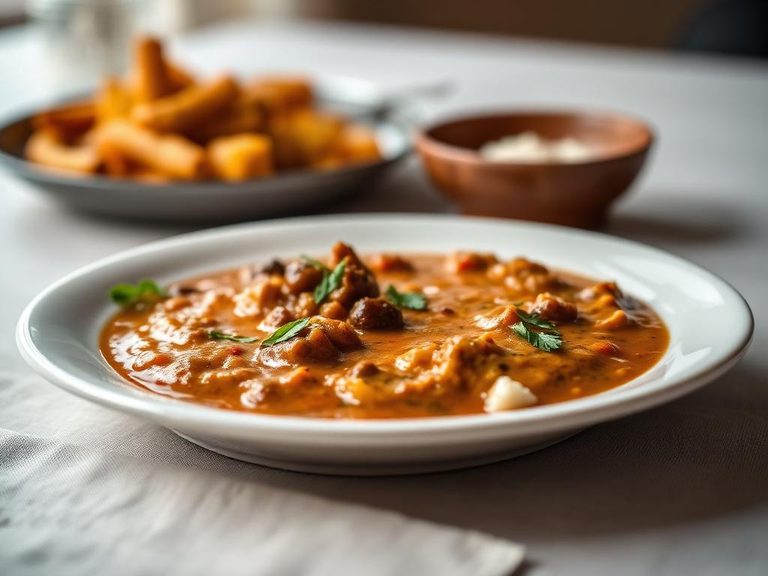
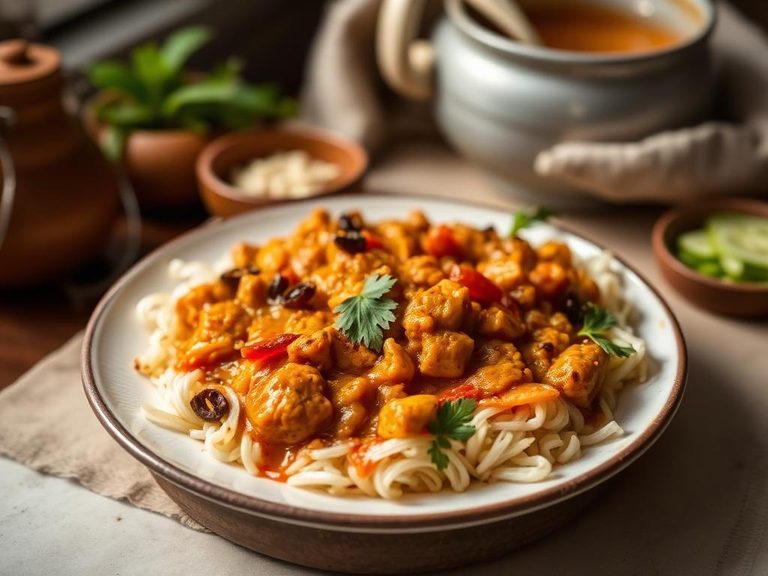
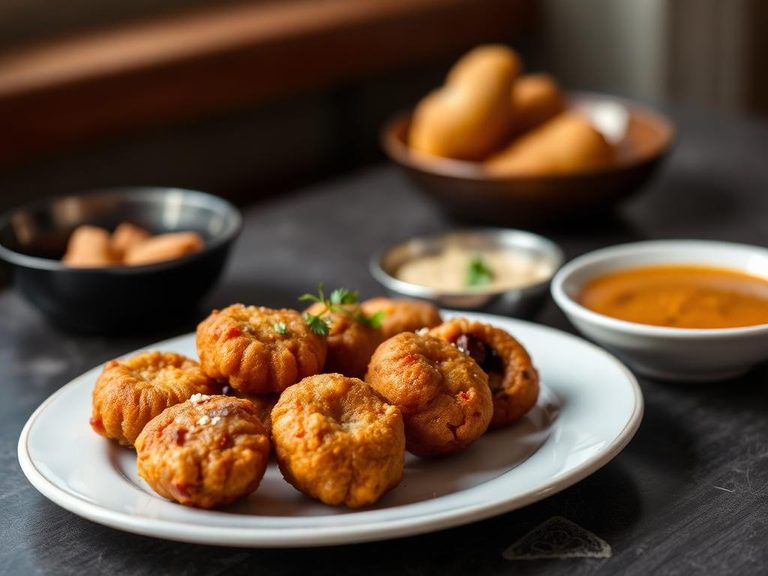
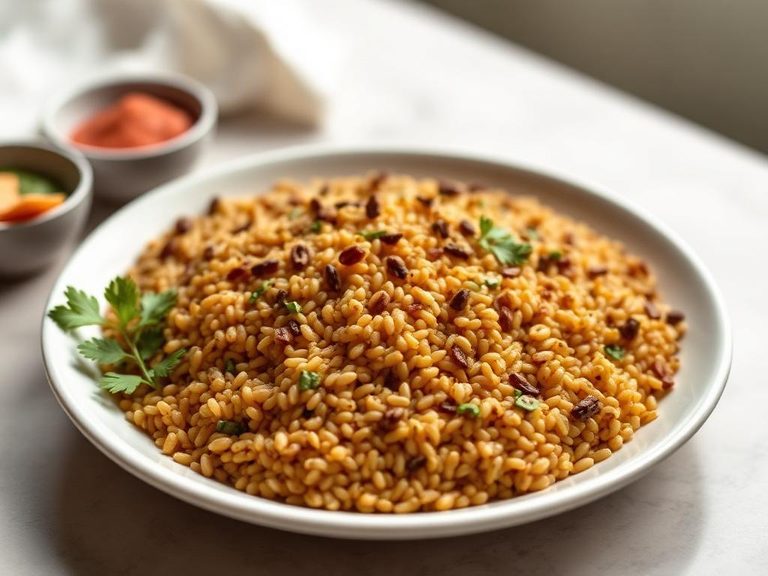
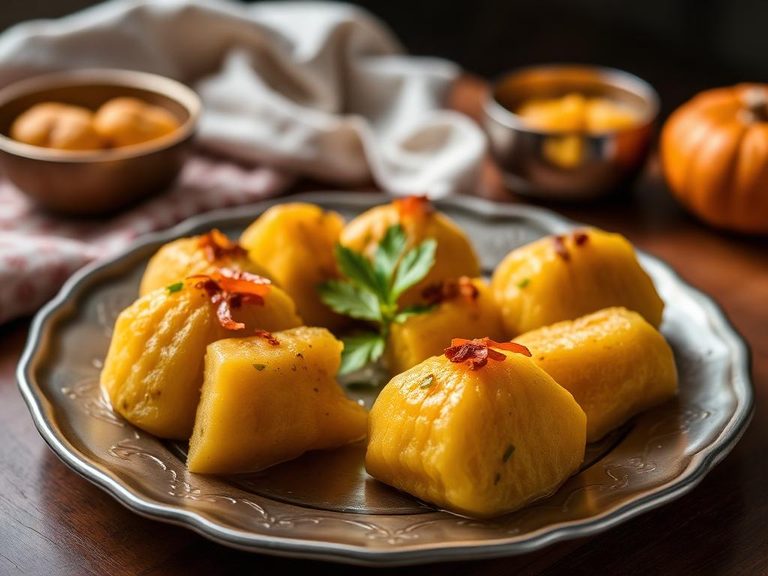
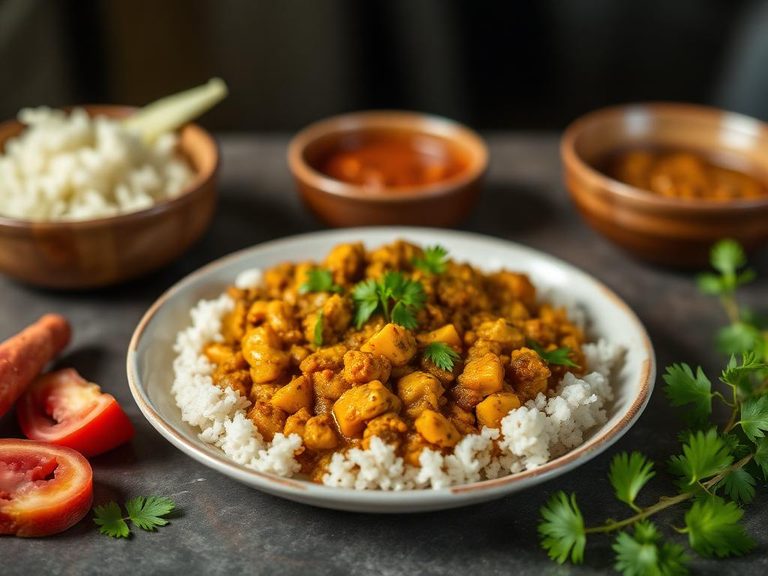
🍽️ Popular dishes
🌍 Where it's eaten
💡 Did you know?
Despite its name, the mungo bean (Vigna mungo) is a distinct species from the smaller, green mung bean (Vigna radiata); they are not interchangeable in recipes.
Full nutrition (USDA data · scales with serving)
| Water | 72.5 g |
| Energy | 105 kcal |
| Energy | 439 kj |
| Protein | 7.5 g |
| Total lipid (fat) | 0.55 g |
| Ash | 1.1 g |
| Carbohydrate, by difference | 18.3 g |
| Fiber, total dietary | 6.4 g |
| Total Sugars | 2.0 g |
| Calcium, Ca | 53.0 mg |
| Iron, Fe | 1.8 mg |
| Magnesium, Mg | 63.0 mg |
| Phosphorus, P | 156 mg |
| Potassium, K | 231 mg |
| Sodium, Na | 7.0 mg |
| Zinc, Zn | 0.83 mg |
| Copper, Cu | 0.14 mg |
| Manganese, Mn | 0.41 mg |
| Selenium, Se | 2.5 ug |
| Vitamin C, total ascorbic acid | 1.0 mg |
| Thiamin | 0.15 mg |
| Riboflavin | 0.07 mg |
| Niacin | 1.5 mg |
| Pantothenic acid | 0.43 mg |
| Vitamin B-6 | 0.06 mg |
| Folate, total | 94.0 ug |
| Folic acid | 0.00 ug |
| Folate, food | 94.0 ug |
| Folate, DFE | 94.0 ug |
| Choline, total | 29.6 mg |
| Vitamin B-12 | 0.00 ug |
| Vitamin B-12, added | 0.00 ug |
| Vitamin A, RAE | 2.0 ug |
| Retinol | 0.00 ug |
| Carotene, beta | 19.0 ug |
| Carotene, alpha | 0.00 ug |
| Cryptoxanthin, beta | 0.00 ug |
| Vitamin A, IU | 31.0 iu |
| Lycopene | 0.00 ug |
| Lutein + zeaxanthin | 0.00 ug |
| Vitamin E (alpha-tocopherol) | 0.15 mg |
| Vitamin E, added | 0.00 mg |
| Vitamin D (D2 + D3), International Units | 0.00 iu |
| Vitamin D (D2 + D3) | 0.00 ug |
| Vitamin K (phylloquinone) | 2.7 ug |
| Alcohol, ethyl | 0.00 g |
| Caffeine | 0.00 mg |
| Theobromine | 0.00 mg |
Fat & fatty acid profile (per 100g)
| Fatty acids, total saturated | 0.04 g |
| SFA 4:0 | 0.00 g |
| SFA 6:0 | 0.00 g |
| SFA 8:0 | 0.00 g |
| SFA 10:0 | 0.00 g |
| SFA 12:0 | 0.00 g |
| SFA 14:0 | 0.00 g |
| SFA 16:0 | 0.04 g |
| SFA 18:0 | 0.00 g |
| Fatty acids, total monounsaturated | 0.03 g |
| MUFA 16:1 | 0.00 g |
| MUFA 18:1 | 0.03 g |
| MUFA 20:1 | 0.00 g |
| MUFA 22:1 | 0.00 g |
| Fatty acids, total polyunsaturated | 0.36 g |
| PUFA 18:2 | 0.02 g |
| PUFA 18:3 | 0.34 g |
| PUFA 18:4 | 0.00 g |
| PUFA 20:4 | 0.00 g |
| PUFA 20:5 n-3 (EPA) | 0.00 g |
| PUFA 22:5 n-3 (DPA) | 0.00 g |
| PUFA 22:6 n-3 (DHA) | 0.00 g |
| Fatty acids, total trans | 0.00 g |
| Cholesterol | 0.00 mg |
Amino acid profile (per 100g)
| Tryptophan | 0.08 g |
| Threonine | 0.26 g |
| Isoleucine | 0.39 g |
| Leucine | 0.63 g |
| Lysine | 0.50 g |
| Methionine | 0.11 g |
| Cystine | 0.07 g |
| Phenylalanine | 0.44 g |
| Tyrosine | 0.23 g |
| Valine | 0.42 g |
| Arginine | 0.49 g |
| Histidine | 0.21 g |
| Alanine | 0.32 g |
| Aspartic acid | 0.88 g |
| Glutamic acid | 1.2 g |
| Glycine | 0.32 g |
| Proline | 0.35 g |
| Serine | 0.40 g |
FAQ
What's the difference between mungo beans and green mung beans?
Mungo beans (black gram) are larger, black-skinned, and have a creamier, starchier texture when cooked. Green mung beans are smaller, cook faster, and are often sprouted. They have different flavors and culinary uses.
Why are my cooked mungo beans still tough?
Mungo beans have a tough seed coat and require a long cooking time. Ensure they are soaked beforehand, use plenty of water, and simmer for 1-1.5 hours, or until completely tender and creamy.
Is the nutritional data for cooked or dry beans?
The data provided (105 kcal, 7.54g protein per 100g) is for mature seeds that have been cooked by boiling, without added salt.
Nutrient density (calculated · NRF9.3)
Nutrient Rich Foods index: beneficial nutrients (protein, fiber, vitamins, minerals) minus saturated fat, added sugar & sodium, per 100 kcal.
NRF9.3 index — Fulgoni, Keast & Drewnowski, 2009. Computed from USDA nutrients.
Weight-loss friendliness (composite index)
Energy density 1.05 kcal/g · 29% calories from protein · 6.4 g fiber · 2.0 g sugar per 100 g.
Composite of energy density (Rolls et al., 1999), protein & fiber satiety, minus sugar. A calculated heuristic — ranks satiety-per-calorie, not a clinical measure.
Dietary load (calculated from USDA values)
Potential renal acid load. Positive = acid-forming, negative = alkaline-forming.
Sodium-to-potassium ratio: 0.03 (lower is better — aim for ≤ 1)
Sodium:potassium per WHO potassium guidance. Computed from USDA nutrients.