

Lima beans, large, mature seeds, raw
Whole food · Legumes and Legume Products

Photo: Wikipedia
Lima beans, also known as butter beans, are large, flat, creamy-white legumes with a subtle, buttery flavor and a starchy, velvety texture when cooked. Nutritionally, they are a powerhouse, packing over 21g of protein and 19g of fiber per 100g, making them exceptionally satiating. Their mild taste makes them a versatile canvas for bold seasonings and rich sauces.
Calorie split: 25% protein · 73% carbs · 2% fat
↓ Full nutrition💚 Why it's loved
People love lima beans for their rich, creamy texture that becomes almost buttery when cooked, and their ability to absorb flavors from herbs, bacon, or smoky broths. They are a beloved staple in Southern U.S. cuisine and many global dishes, offering comfort and hearty satisfaction.
⚠️ Watch-outs & how to enjoy it better
The high fiber and starch content can cause gas or bloating in some individuals, especially if not accustomed to legumes. To counteract this, soak dried beans for at least 8 hours (or overnight) and discard the soaking water, then cook thoroughly. Pairing them with a small amount of healthy fat (like olive oil) or acid (like lemon juice) can also improve digestibility and flavor.
Key benefits
- Excellent source of plant-based protein (21.46g per 100g)
- High in dietary fiber (19g per 100g) for digestive health
- Very low in fat (0.69g per 100g)
- Provides a good amount of complex carbohydrates for sustained energy
- Naturally low in sugar (8.5g per 100g)
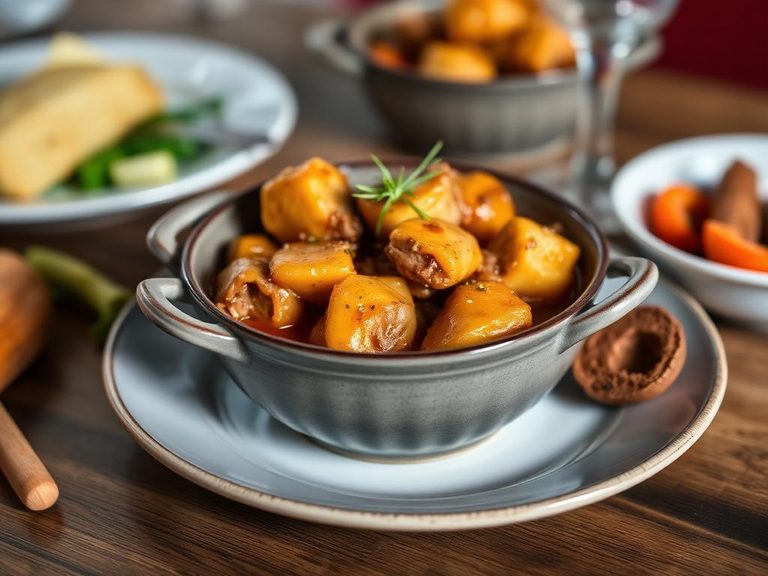
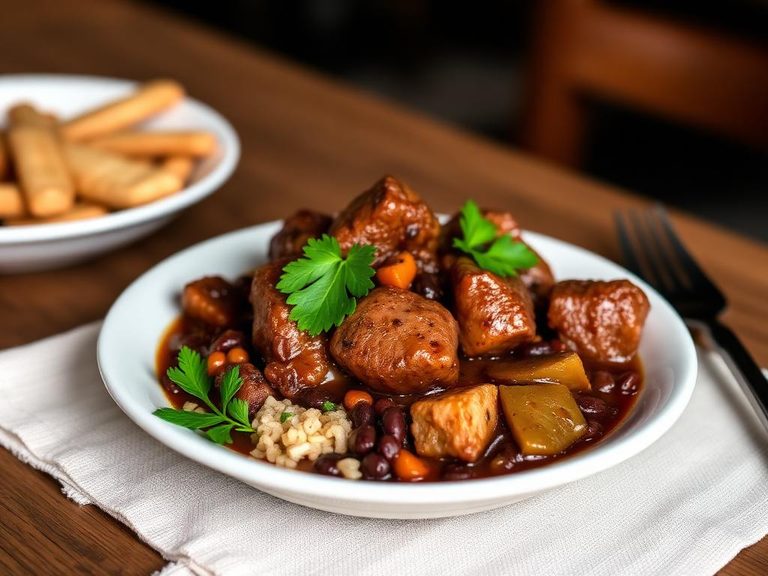
🍽️ Popular dishes
🌍 Where it's eaten
💡 Did you know?
The 'butter bean' name comes from their creamy, buttery texture when cooked, not from any actual butter content.
Full nutrition (USDA data · scales with serving)
| Water | 10.2 g |
| Energy | 338 kcal |
| Energy | 1414 kj |
| Protein | 21.5 g |
| Total lipid (fat) | 0.69 g |
| Ash | 4.3 g |
| Carbohydrate, by difference | 63.4 g |
| Fiber, total dietary | 19.0 g |
| Total Sugars | 8.5 g |
| Calcium, Ca | 81.0 mg |
| Iron, Fe | 7.5 mg |
| Magnesium, Mg | 224 mg |
| Phosphorus, P | 385 mg |
| Potassium, K | 1724 mg |
| Sodium, Na | 18.0 mg |
| Zinc, Zn | 2.8 mg |
| Copper, Cu | 0.74 mg |
| Manganese, Mn | 1.7 mg |
| Selenium, Se | 7.2 ug |
| Vitamin C, total ascorbic acid | 0.00 mg |
| Thiamin | 0.51 mg |
| Riboflavin | 0.20 mg |
| Niacin | 1.5 mg |
| Pantothenic acid | 1.4 mg |
| Vitamin B-6 | 0.51 mg |
| Folate, total | 395 ug |
| Folic acid | 0.00 ug |
| Folate, food | 395 ug |
| Folate, DFE | 395 ug |
| Choline, total | 96.7 mg |
| Vitamin B-12 | 0.00 ug |
| Vitamin B-12, added | 0.00 ug |
| Vitamin A, RAE | 0.00 ug |
| Retinol | 0.00 ug |
| Carotene, beta | 0.00 ug |
| Carotene, alpha | 0.00 ug |
| Cryptoxanthin, beta | 0.00 ug |
| Vitamin A, IU | 0.00 iu |
| Lycopene | 0.00 ug |
| Lutein + zeaxanthin | 0.00 ug |
| Vitamin E (alpha-tocopherol) | 0.72 mg |
| Vitamin E, added | 0.00 mg |
| Vitamin D (D2 + D3), International Units | 0.00 iu |
| Vitamin D (D2 + D3) | 0.00 ug |
| Vitamin K (phylloquinone) | 6.0 ug |
| Alcohol, ethyl | 0.00 g |
| Caffeine | 0.00 mg |
| Theobromine | 0.00 mg |
Fat & fatty acid profile (per 100g)
| Fatty acids, total saturated | 0.16 g |
| SFA 4:0 | 0.00 g |
| SFA 6:0 | 0.00 g |
| SFA 8:0 | 0.00 g |
| SFA 10:0 | 0.00 g |
| SFA 12:0 | 0.00 g |
| SFA 14:0 | 0.00 g |
| SFA 16:0 | 0.12 g |
| SFA 18:0 | 0.03 g |
| Fatty acids, total monounsaturated | 0.06 g |
| MUFA 16:1 | 0.00 g |
| MUFA 18:1 | 0.05 g |
| MUFA 20:1 | 0.00 g |
| MUFA 22:1 | 0.00 g |
| Fatty acids, total polyunsaturated | 0.31 g |
| PUFA 18:2 | 0.21 g |
| PUFA 18:3 | 0.10 g |
| PUFA 18:4 | 0.00 g |
| PUFA 20:4 | 0.00 g |
| PUFA 20:5 n-3 (EPA) | 0.00 g |
| PUFA 22:5 n-3 (DPA) | 0.00 g |
| PUFA 22:6 n-3 (DHA) | 0.00 g |
| Fatty acids, total trans | 0.00 g |
| Cholesterol | 0.00 mg |
Amino acid profile (per 100g)
| Tryptophan | 0.25 g |
| Threonine | 0.93 g |
| Isoleucine | 1.1 g |
| Leucine | 1.9 g |
| Lysine | 1.4 g |
| Methionine | 0.27 g |
| Cystine | 0.24 g |
| Phenylalanine | 1.2 g |
| Tyrosine | 0.76 g |
| Valine | 1.3 g |
| Arginine | 1.3 g |
| Histidine | 0.66 g |
| Alanine | 1.1 g |
| Aspartic acid | 2.8 g |
| Glutamic acid | 3.0 g |
| Glycine | 0.91 g |
| Proline | 0.97 g |
| Serine | 1.4 g |
FAQ
Are lima beans and butter beans the same thing?
Yes, they are the same legume (Phaseolus lunatus). 'Lima bean' is the common name in the U.S., while 'butter bean' is more common in the UK, Ireland, and some other regions, often referring to the larger, cream-colored varieties.
How should I store dried lima beans?
Store dried lima beans in an airtight container in a cool, dark, dry place (like a pantry) for up to a year. Once cooked, they can be refrigerated for 3-4 days or frozen for up to 6 months.
Can I eat lima beans raw?
No, raw lima beans contain naturally occurring compounds like linamarin that can release cyanide. They must be properly cooked (boiled or simmered) to break down these compounds and make them safe to eat.
Nutrient density (calculated · NRF9.3)
Nutrient Rich Foods index: beneficial nutrients (protein, fiber, vitamins, minerals) minus saturated fat, added sugar & sodium, per 100 kcal.
NRF9.3 index — Fulgoni, Keast & Drewnowski, 2009. Computed from USDA nutrients.
Weight-loss friendliness (composite index)
Energy density 3.38 kcal/g · 25% calories from protein · 19.0 g fiber · 8.5 g sugar per 100 g.
Composite of energy density (Rolls et al., 1999), protein & fiber satiety, minus sugar. A calculated heuristic — ranks satiety-per-calorie, not a clinical measure.
Dietary load (calculated from USDA values)
Potential renal acid load. Positive = acid-forming, negative = alkaline-forming.
Sodium-to-potassium ratio: 0.01 (lower is better — aim for ≤ 1)
Sodium:potassium per WHO potassium guidance. Computed from USDA nutrients.