

Lima beans, immature seeds, frozen, fordhook, unprepared
Whole food · Vegetables and Vegetable Products

Photo: Wikipedia
These are the tender, immature seeds of the Fordhook variety of lima bean, flash-frozen at peak freshness. They have a distinctive creamy, buttery texture and a mild, slightly sweet, starchy flavor. Nutritionally, they are a standout source of dietary fiber and plant-based protein with minimal fat.
Calorie split: 24% protein · 73% carbs · 3% fat
↓ Full nutrition💚 Why it's loved
People love them for their uniquely creamy, almost velvety texture when cooked and their subtle, comforting flavor that readily absorbs seasonings. They are a beloved, versatile staple in everything from hearty succotash to simple, elegant side dishes.
⚠️ Watch-outs & how to enjoy it better
Some may find the texture overly starchy or pasty if overcooked, and they can cause digestive gas due to their oligosaccharide content. To counteract this, introduce them gradually into your diet, ensure they are cooked thoroughly until very tender, and consider pairing with digestive herbs like bay leaf or cumin during cooking.
Key benefits
- Excellent source of dietary fiber for digestive health
- Provides plant-based protein for muscle maintenance
- Naturally low in fat and a good source of complex carbohydrates
- Contains folate, manganese, and potassium
🍽️ Popular dishes
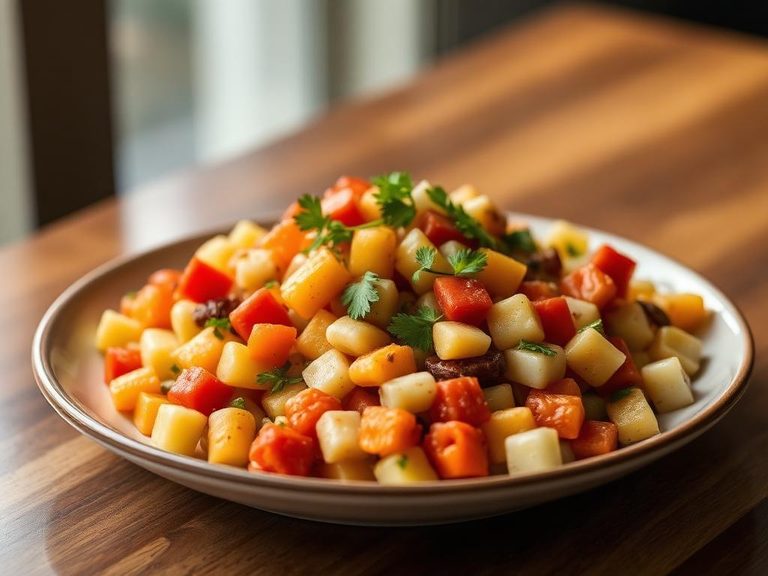
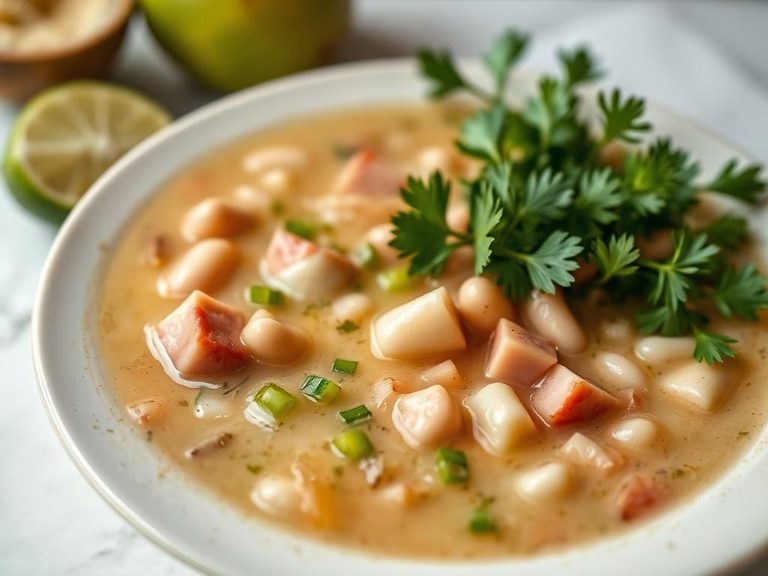
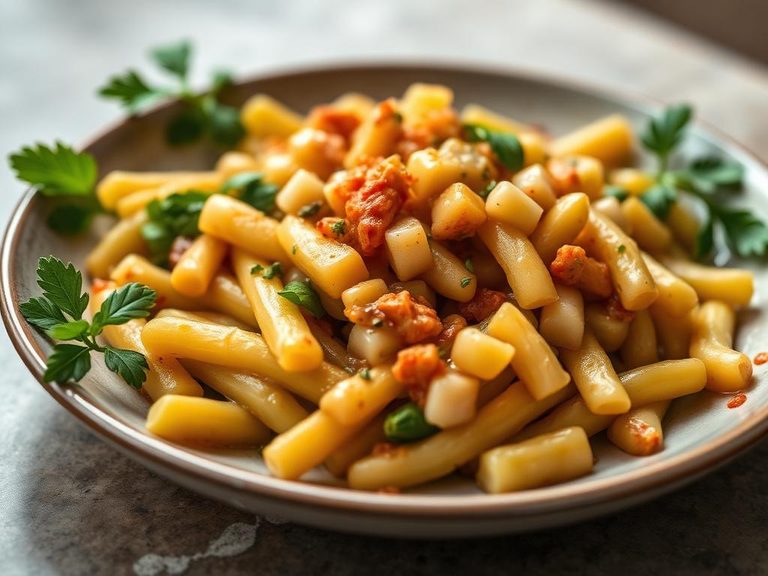
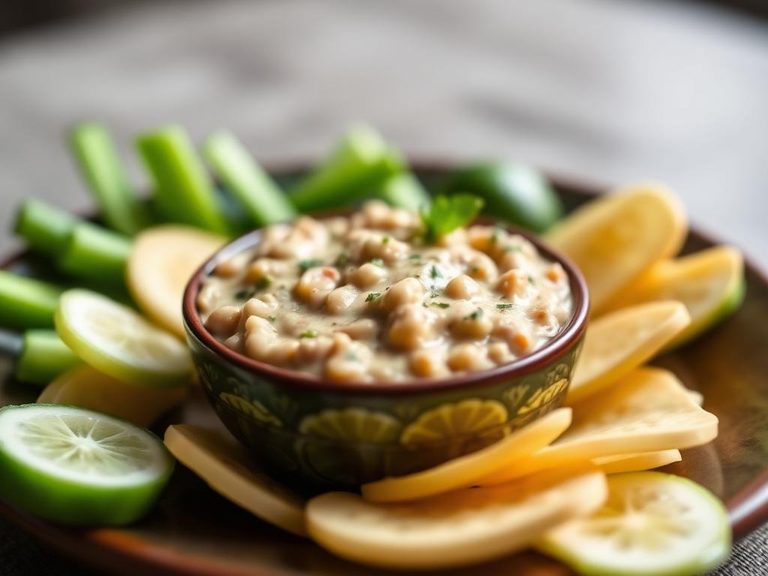
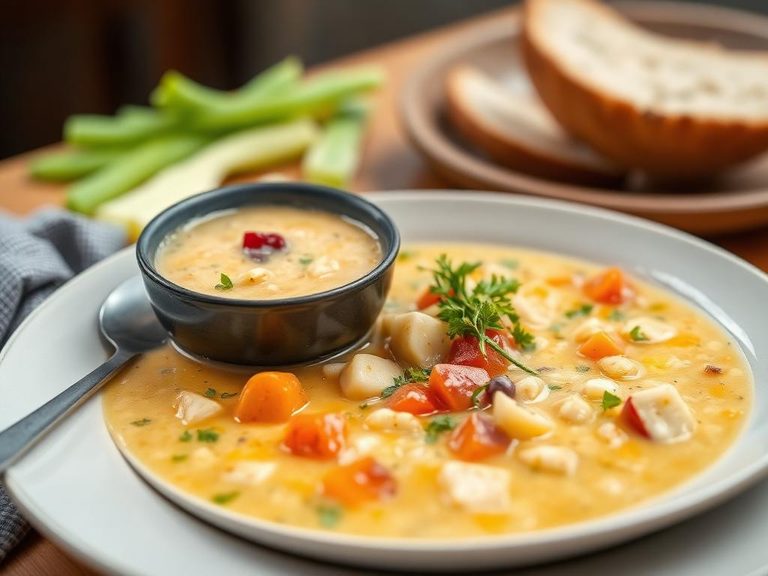
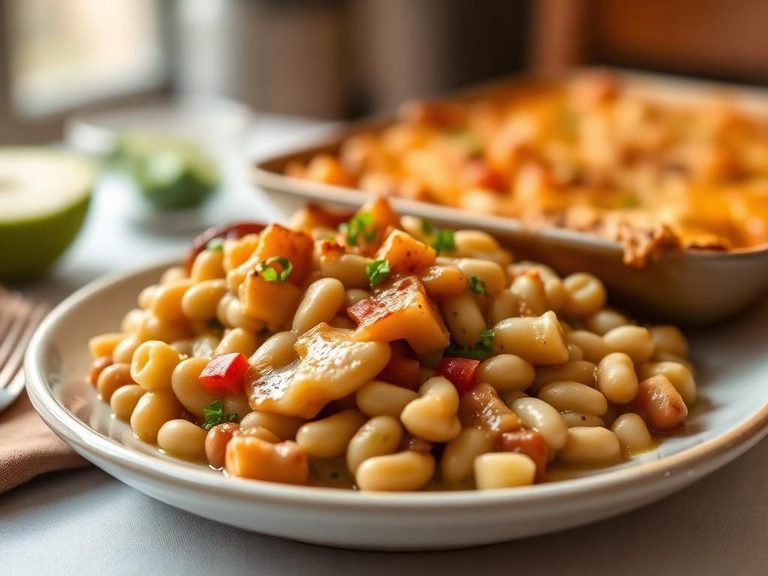
🌍 Where it's eaten
💡 Did you know?
The Fordhook variety, developed in the early 20th century, was specifically bred for its large, flat, tender seeds and became the standard for the frozen vegetable industry due to its excellent freezing quality.
Full nutrition (USDA data · scales with serving)
| Water | 72.0 g |
| Energy | 106 kcal |
| Energy | 444 kj |
| Protein | 6.4 g |
| Total lipid (fat) | 0.35 g |
| Ash | 1.4 g |
| Carbohydrate, by difference | 19.8 g |
| Fiber, total dietary | 5.5 g |
| Total Sugars | 1.4 g |
| Calcium, Ca | 24.0 mg |
| Iron, Fe | 1.5 mg |
| Magnesium, Mg | 38.0 mg |
| Phosphorus, P | 74.0 mg |
| Potassium, K | 478 mg |
| Sodium, Na | 58.0 mg |
| Zinc, Zn | 0.49 mg |
| Copper, Cu | 0.06 mg |
| Manganese, Mn | 0.34 mg |
| Selenium, Se | 1.7 ug |
| Vitamin C, total ascorbic acid | 19.3 mg |
| Thiamin | 0.09 mg |
| Riboflavin | 0.07 mg |
| Niacin | 1.2 mg |
| Pantothenic acid | 0.19 mg |
| Vitamin B-6 | 0.14 mg |
| Folate, total | 32.0 ug |
| Folic acid | 0.00 ug |
| Folate, food | 32.0 ug |
| Folate, DFE | 32.0 ug |
| Choline, total | 37.6 mg |
| Vitamin B-12 | 0.00 ug |
| Vitamin B-12, added | 0.00 ug |
| Vitamin A, RAE | 11.0 ug |
| Retinol | 0.00 ug |
| Carotene, beta | 134 ug |
| Carotene, alpha | 0.00 ug |
| Cryptoxanthin, beta | 0.00 ug |
| Vitamin A, IU | 223 iu |
| Lycopene | 0.00 ug |
| Lutein + zeaxanthin | 0.00 ug |
| Vitamin E (alpha-tocopherol) | 0.72 mg |
| Vitamin E, added | 0.00 mg |
| Vitamin D (D2 + D3), International Units | 0.00 iu |
| Vitamin D (D2 + D3) | 0.00 ug |
| Vitamin K (phylloquinone) | 5.3 ug |
| Alcohol, ethyl | 0.00 g |
| Caffeine | 0.00 mg |
| Theobromine | 0.00 mg |
Fat & fatty acid profile (per 100g)
| Fatty acids, total saturated | 0.08 g |
| SFA 4:0 | 0.00 g |
| SFA 6:0 | 0.00 g |
| SFA 8:0 | 0.00 g |
| SFA 10:0 | 0.00 g |
| SFA 12:0 | 0.00 g |
| SFA 14:0 | 0.00 g |
| SFA 16:0 | 0.07 g |
| SFA 18:0 | 0.01 g |
| Fatty acids, total monounsaturated | 0.02 g |
| MUFA 16:1 | 0.00 g |
| MUFA 18:1 | 0.02 g |
| MUFA 20:1 | 0.00 g |
| MUFA 22:1 | 0.00 g |
| Fatty acids, total polyunsaturated | 0.17 g |
| PUFA 18:2 | 0.12 g |
| PUFA 18:3 | 0.06 g |
| PUFA 18:4 | 0.00 g |
| PUFA 20:4 | 0.00 g |
| PUFA 20:5 n-3 (EPA) | 0.00 g |
| PUFA 22:5 n-3 (DPA) | 0.00 g |
| PUFA 22:6 n-3 (DHA) | 0.00 g |
| Fatty acids, total trans | 0.00 g |
| Cholesterol | 0.00 mg |
Amino acid profile (per 100g)
| Tryptophan | 0.08 g |
| Threonine | 0.27 g |
| Isoleucine | 0.41 g |
| Leucine | 0.50 g |
| Lysine | 0.42 g |
| Methionine | 0.06 g |
| Cystine | 0.08 g |
| Phenylalanine | 0.32 g |
| Tyrosine | 0.21 g |
| Valine | 0.40 g |
| Arginine | 0.43 g |
| Histidine | 0.22 g |
| Alanine | 0.24 g |
| Aspartic acid | 0.69 g |
| Glutamic acid | 0.82 g |
| Glycine | 0.26 g |
| Proline | 0.10 g |
| Serine | 0.40 g |
FAQ
Are frozen lima beans as nutritious as fresh?
Yes, often more so. Flash-freezing typically locks in nutrients at their peak, whereas fresh lima beans can lose some vitamins during transport and storage.
How do I prevent them from turning gray?
Avoid adding salt or acidic ingredients (like tomatoes or lemon juice) until after they are fully tender, as these can toughen the skins and affect color.
Can I eat them directly from the bag?
No, they must be cooked. They are sold raw and inedible until boiled, steamed, or microwaved until very tender.
Nutrient density (calculated · NRF9.3)
Nutrient Rich Foods index: beneficial nutrients (protein, fiber, vitamins, minerals) minus saturated fat, added sugar & sodium, per 100 kcal.
NRF9.3 index — Fulgoni, Keast & Drewnowski, 2009. Computed from USDA nutrients.
Weight-loss friendliness (composite index)
Energy density 1.06 kcal/g · 24% calories from protein · 5.5 g fiber · 1.4 g sugar per 100 g.
Composite of energy density (Rolls et al., 1999), protein & fiber satiety, minus sugar. A calculated heuristic — ranks satiety-per-calorie, not a clinical measure.
Dietary load (calculated from USDA values)
Potential renal acid load. Positive = acid-forming, negative = alkaline-forming.
Sodium-to-potassium ratio: 0.12 (lower is better — aim for ≤ 1)
Sodium:potassium per WHO potassium guidance. Computed from USDA nutrients.